
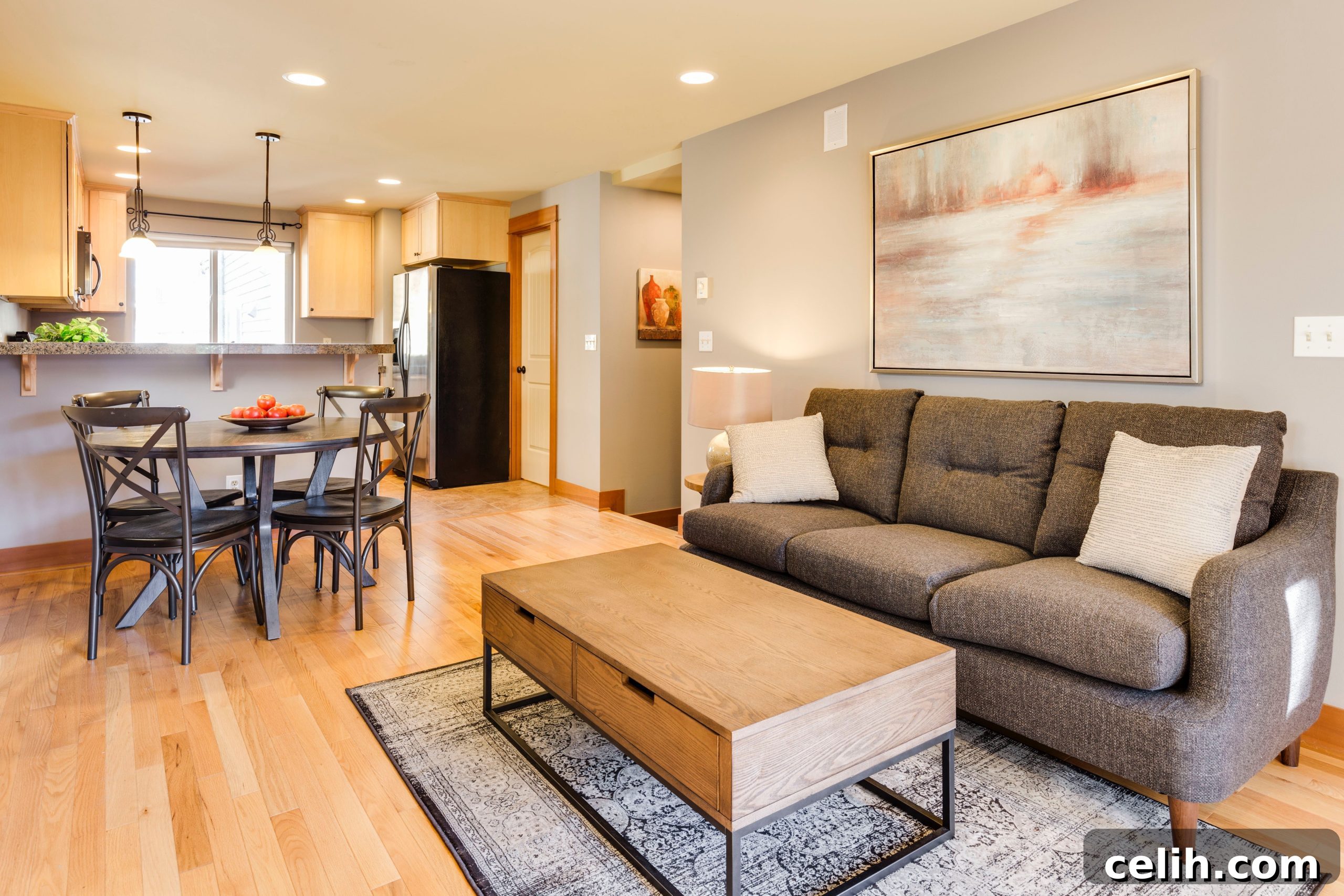
Living in the same home for an extended period can often lead to a sense of familiarity, so much so that subtle signs of outdated aesthetics might go unnoticed. Your personal sanctuary, once vibrant and contemporary, may gradually lose its modern appeal over the years. However, transforming your living space doesn’t necessitate an arduous, full-scale renovation project. Modernizing your home is an incredibly effective way to infuse it with renewed energy, freshness, and a contemporary feel, making it truly come alive again. It’s about updating key elements and embracing modern sensibilities to create an environment that reflects current trends and enhances daily living.
If you’re contemplating a home refresh but feel overwhelmed by the possibilities, you’ve landed in the right place. This comprehensive guide will explore five impactful modern touches that can dramatically transform your home, elevating its style and functionality without requiring a complete overhaul. From strategic furniture upgrades to embracing innovative technology, these tips are designed to inspire and guide you towards creating a living space that is both stylish and supremely comfortable. Get ready to discover practical, elegant solutions to bring your home into the 21st century.
Update Your Furniture for a Contemporary Vibe
One of the most impactful yet often overlooked ways to modernize your home is by updating your furniture. Furniture pieces are significant investments, often chosen for longevity, which means many homes are still adorned with styles from decades past. While beloved, these older pieces can inadvertently anchor your home’s aesthetic in a bygone era. Investing in new, contemporary furniture is a powerful strategy to instantly uplift your home’s interior, making it feel current, stylish, and inviting. The right furniture choices can redefine a room, altering its perceived size, light, and overall mood.
When selecting modern furniture, think beyond mere functionality and consider the principles of contemporary design. Modernity often aligns with minimalism, emphasizing clean lines, simple forms, and a lack of unnecessary ornamentation. Opt for sofas and armchairs with sleek profiles, neutral color palettes like greys, whites, creams, and subdued blues, which offer versatility and a timeless appeal. Materials play a crucial role; consider upholstery in natural fabrics like linen or cotton, or sophisticated leather. For coffee tables, side tables, and dining tables, materials such as glass, polished metal, light-toned wood, or even concrete can create a striking modern impression. A glass coffee table, for instance, adds an airy, expansive feel, allowing light to pass through and making the room appear larger and more open. Similarly, modular furniture pieces offer flexibility and adaptability, perfectly suiting modern, dynamic lifestyles.
Don’t forget the importance of scale and proportion. Modern spaces often benefit from furniture that doesn’t overpower the room but rather complements it, creating a sense of balance and flow. Look for pieces that are not only aesthetically pleasing but also comfortable and durable, reflecting a commitment to quality and thoughtful design. By strategically replacing or adding modern furniture, you can dramatically transform the ambiance of your entire house, imbuing it with a renewed sense of style and sophistication that truly speaks to contemporary living.
Embrace Light and Space with Glass Interior Doors
Another transformative modern touch for your home is the strategic integration of glass interior doors. Traditional heavy wooden doors, while possessing a certain rustic charm common in many older homes, can often create a sense of confinement and block the flow of natural light. Upgrading to glass interior doors instantly injects a contemporary elegance into your living space, fostering an atmosphere of openness and brightness that is characteristic of modern design. These doors are far more than just functional elements; they are design features that enhance both the aesthetics and the practical utility of your home.
The primary benefit of glass doors is their ability to maximize natural light. By allowing light to penetrate deeper into rooms, they reduce the need for artificial lighting during the day, contributing to energy efficiency and creating a more uplifting environment. This enhanced light flow can make smaller rooms feel larger and more expansive, blurring the boundaries between spaces and promoting a sense of continuity. For example, sliding glass doors like this range from Go Glass are particularly effective in optimizing space, as they don’t require swing room, making them ideal for compact areas or connecting adjacent rooms like a living room to a dining area. They slide seamlessly, offering both an elegant transition and an immediate visual upgrade.
Beyond natural light, glass doors offer significant stylistic versatility. They come in various forms, from clear glass that offers unobstructed views and maximises connection, to frosted or textured glass that provides privacy while still transmitting light. You can also choose from different framing options: sleek metal frames for an industrial-chic look, minimalist wooden frames for a softer touch, or even frameless designs for ultimate transparency. The choice of glass type and frame allows you to tailor the doors to perfectly match your desired aesthetic. If committing to glass doors for your entire home feels too daunting, consider starting with one or two key areas, such as an office or a dining room, to experience the profound difference they make. Glass doors can easily transform a space, creating a sophisticated and airy feel that truly embodies modern living.
Invest In Smart Home Devices for Enhanced Living
The rapid advancements in technology over recent years have ushered in an era of unprecedented convenience and efficiency, most notably with the advent of smart home technology. Integrating smart home devices is a quintessential modern touch that elevates your living experience from mundane to truly intuitive and futuristic. While the vast array of available devices might initially seem overwhelming, it’s about choosing the right solutions that align with your lifestyle and needs. The core purpose of smart home devices is to simplify tasks, enhance comfort, improve security, and promote energy efficiency, ultimately making your life easier and your home more responsive.
Consider the daily routines that can be streamlined: imagine adjusting your thermostat from your smartphone before you even arrive home, ensuring a perfectly comfortable temperature upon entry. Or, with smart lighting, you can dim the lights for movie night with a voice command, or set schedules so lights turn on and off automatically, even when you’re away, enhancing security. Smart home security systems, including video doorbells and intelligent locks, offer peace of mind by allowing you to monitor your home remotely and control access. For the environmentally conscious, smart plugs and energy monitors provide insights into consumption, helping you reduce your carbon footprint and save on utility bills. Even simple conveniences, such as turning off a forgotten light from the comfort of your bed using an app or voice assistant, highlight the immediate benefits of these technologies.
Embracing smart home devices doesn’t require transforming your entire home overnight. Start with one or two devices that address a specific need or provide a significant convenience, such as a smart thermostat or a set of smart light bulbs. Many devices are designed to be easily integrated into existing home setups, offering scalable solutions that can grow with your comfort level and needs. The popularity of smart home technology stems from its undeniable convenience, the ability to automate mundane tasks, and the sophisticated control it offers over your living environment. By incorporating these intelligent solutions, your home not only becomes more modern but also more efficient, secure, and profoundly tailored to your personal preferences and lifestyle, truly defining modern living.
Invest In Modern Art to Define Your Space
Transforming your home into a modern sanctuary extends beyond just furniture and technology; it also involves cultivating an aesthetic that reflects contemporary taste. A highly effective way to achieve this is by investing in modern art. Art on your walls is not merely decorative; it’s a powerful tool for personal expression, capable of setting the mood, creating focal points, and injecting personality into any room. When aiming to modernize your home, dedicating time to research and select modern art can yield impressive results.
The term “modern art” is wonderfully broad, encompassing a vast array of styles, periods, and mediums, from abstract expressionism and cubism to minimalist pieces, contemporary photography, and digital art. This expansive definition might initially seem intimidating, but its true beauty lies in its inclusivity: there genuinely is something for everyone. Whether you’re drawn to bold, vibrant canvases that command attention, subtle sculptural pieces that add texture, or thought-provoking abstract prints, modern art offers unparalleled versatility. Unlike traditional art, which often adheres to strict rules of representation, modern art frequently prioritizes concept, emotion, and form, making it uniquely adaptable to diverse contemporary interiors.
When selecting modern art for your home, consider how it complements your existing decor and color palette. A large-scale abstract painting can become the centerpiece of a living room, while a series of minimalist prints can bring cohesion to a hallway. Don’t shy away from pieces that might seem challenging; art is inherently subjective, and what some might “criticize as nonsense,” others will find profound and beautiful. This subjectivity is precisely what makes collecting art so personal and rewarding. It’s about what resonates with you, what sparks joy, and what tells your story. Explore different galleries, art fairs, online platforms, and even local artist communities to discover pieces that speak to you. Consider the scale of the artwork in relation to the wall space, and don’t be afraid to experiment with placement, perhaps leaning a large canvas against a wall instead of hanging it, for a more relaxed, contemporary look. By thoughtfully incorporating modern art, you’re not just decorating; you’re curating a sophisticated and highly personalized environment that reflects a modern sensibility and your unique style, enriching your living experience every day.
Embrace the Flow of Open Plan Living
If you’re ready to undertake a more significant transformation, reimagining your home with an open-plan living area is a hallmark of modern residential design. This structural change breaks down traditional barriers between common areas like the kitchen, dining room, and living room, creating a seamless, expansive space. While not universally suited for every lifestyle, for many, open-plan living offers a wealth of benefits that perfectly align with contemporary communal living and a desire for greater spaciousness and light.
The primary advantage of open-plan living is the immediate perception of increased space and light. By removing internal walls, natural light can flow unobstructed throughout the area, making the entire home feel brighter and more inviting. This layout also fosters a more connected and interactive environment, perfect for families and entertaining. Imagine being able to cook in the kitchen while still engaging in conversation with guests in the living area, or keeping an eye on children playing. This fluid design promotes social interaction and minimizes feelings of isolation that can sometimes occur in compartmentalized homes. You can find numerous house design resources online that showcase inspiring examples and provide practical advice for maximizing open spaces.
Implementing an open-plan layout also offers unparalleled flexibility in terms of interior design and furniture arrangement. Without fixed walls, you have the freedom to redefine zones using clever furniture placement, area rugs, lighting, or even partial walls and screens for subtle separation when needed. This allows you to completely change the layout and function of your home as your needs evolve, offering an exciting and creative design experience. However, this transformation requires careful planning and professional guidance. It’s crucial to consult with an architect or structural engineer to ensure that any walls intended for removal are not load-bearing. A skilled interior designer can also help you develop a cohesive plan for the new open space, addressing potential challenges such as noise transmission, heating and cooling efficiency, and creating distinct yet harmonious functional zones. By thoughtfully planning and executing an open-plan conversion, you can unlock the full potential of your home, creating a dynamic, spacious, and truly modern living environment that perfectly accommodates your contemporary lifestyle.
Modernizing your home doesn’t have to be an overwhelming endeavor. By strategically updating furniture, integrating sleek glass doors, embracing smart home technology, curating modern art, or even considering the structural change of open-plan living, you can breathe new life into your space. These thoughtful enhancements will not only elevate your home’s aesthetic appeal but also improve its functionality, comfort, and overall appeal, ensuring it remains a vibrant and inviting reflection of contemporary style for years to come.
Featured image credit: Photo by Francesca Tosolini on Unsplash