
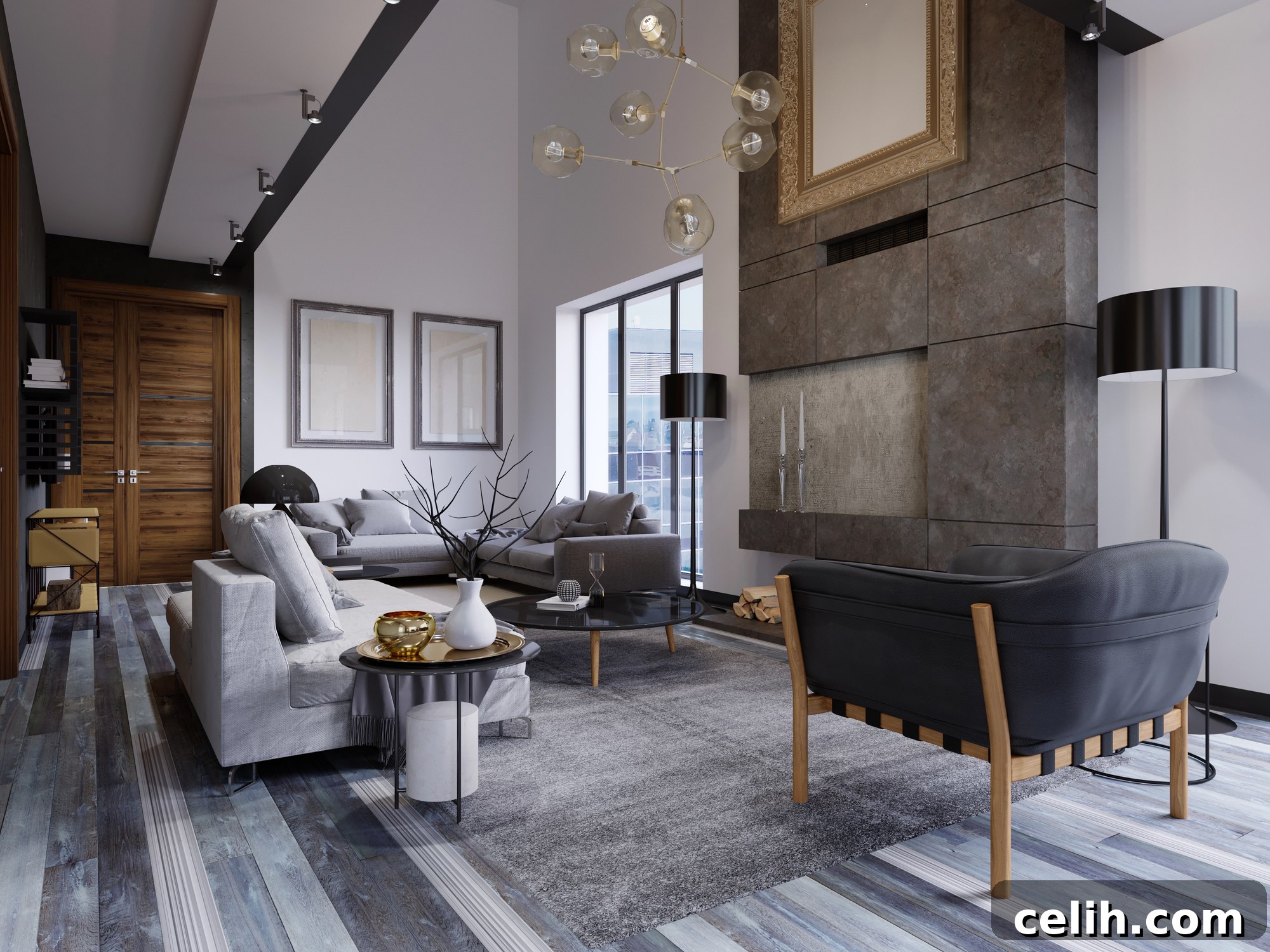
The world of interior design is constantly evolving, and at its core, flooring plays a pivotal role in defining the ambiance, functionality, and overall aesthetic of any space. As we navigate through 2024, the flooring industry continues to push boundaries with innovative materials, cutting-edge technology, and diverse styles that cater to the modern consumer’s dynamic needs. This year’s trends are a testament to a growing collective consciousness, blending sustainability with technological advancements and artistic versatility. Homeowners and businesses alike are seeking solutions that are not only beautiful but also environmentally responsible, durable, and reflective of their unique personalities.
Understanding these evolving trends can transform a simple renovation into a visionary project. At Best Flooring Honolulu, a leading authority in flooring solutions, we are witnessing these exciting shifts firsthand. Our extensive experience serving the Oahu community positions us uniquely to offer unparalleled insights into the materials and styles making significant waves this year. From resilient vinyl to classic hardwood, versatile laminate, and luxurious carpet, our comprehensive catalog is curated to feature the finest products alongside all the necessary tools and materials for flawless installation. We pride ourselves on delivering exceptional service, including custom installations, complimentary consultations, detailed estimates, and exclusive sales and promotions, making us the premier resource for innovative and stylish flooring solutions across Oahu. Let’s delve into the top flooring trends that are redefining spaces in 2024.
1. The Rise of Eco-Friendly and Sustainable Materials
Sustainability is no longer a niche interest; it’s a fundamental driver of consumer choices across all sectors, especially in home design. This year marks another significant surge in demand for eco-friendly flooring options, reflecting a broader commitment to reducing environmental impact. Consumers are actively seeking materials that are renewable, recycled, or have a minimal ecological footprint throughout their lifecycle, from production to disposal.
Popular Sustainable Choices:
- Cork Flooring: Harvested from the bark of cork oak trees without harming the tree, cork is an inherently renewable resource. It’s lauded for its natural elasticity, offering excellent acoustic and thermal insulation, making rooms quieter and more energy-efficient. Its soft underfoot feel provides superior comfort, while its natural resistance to mold, mildew, and pests contributes to a healthier indoor environment. Cork also boasts remarkable durability and can be refinished, extending its lifespan considerably.
- Bamboo Flooring: Known for its rapid growth and regeneration, bamboo is an incredibly sustainable alternative to traditional hardwood. It offers a distinct grain pattern and impressive hardness, rivaling many wood species. Modern manufacturing techniques have enhanced bamboo’s resistance to moisture and scratches, making it suitable for various rooms within a home.
- Recycled & Reclaimed Materials: Beyond cork and bamboo, the market is expanding with innovative options like recycled content flooring, which incorporates post-consumer or post-industrial waste. Reclaimed wood, salvaged from old buildings or structures, offers unique character and a rich history, providing a truly one-of-a-kind look while preventing new tree harvesting.
- New Recyclable Composites: Emerging innovations include advanced composite materials designed for high durability and complete recyclability at the end of their service life. These materials often feature low VOC (Volatile Organic Compound) emissions, further improving indoor air quality.
Industry reports project a significant 25% growth in the usage of cork and bamboo by mid-2024, signaling a strong market shift. This trend isn’t just about materials; it’s about a holistic approach to home building and renovation that values ecological responsibility alongside aesthetic appeal.
Expert Advice: When selecting eco-friendly flooring, prioritize materials that align with your personal environmental values. Beyond initial installation, consider the long-term durability, ease of maintenance, and the product’s entire lifecycle. Opt for certifications like FSC (Forest Stewardship Council) for wood products or GreenGuard for low emissions to ensure genuine sustainability claims.
2. The Integration of High-Tech Flooring Solutions
The smart home revolution is extending its reach to our floors, transforming them from mere surfaces into functional, intelligent components of our living spaces. High-tech flooring is rapidly moving from futuristic concept to practical reality, offering unprecedented levels of comfort, health benefits, and energy efficiency. This trend is driven by innovations that integrate seamlessly into daily life, enhancing well-being without compromising on style.
Key Technological Advancements:
- Thermally Empowered Floors: Radiant heating systems embedded beneath the floor surface are gaining significant traction, with an anticipated 10% annual growth. These systems provide consistent, gentle warmth that rises evenly throughout a room, creating a cozy and comfortable environment. Unlike forced-air heating, radiant floors eliminate drafts and the circulation of allergens, offering a superior heating solution, especially in colder climates. They are also energy-efficient, as water or electricity is used to heat the floor directly, reducing overall energy consumption.
- Air-Purifying & Allergen-Reducing Materials: A groundbreaking development involves flooring materials engineered to actively improve indoor air quality. These innovative surfaces are designed to capture or neutralize common allergens, volatile organic compounds (VOCs), and even pathogens. Some technologies incorporate photocatalytic properties that break down harmful substances upon exposure to light, while others feature antimicrobial layers that inhibit the growth of bacteria and fungi. This is a significant boon for individuals with allergies, asthma, or those simply seeking a healthier living environment.
- Smart Sensor Integration: While still emerging, the future holds floors with integrated sensors for various applications. These could include occupancy sensors for automated lighting and climate control, pressure sensors for fall detection in elder care, or even environmental sensors monitoring temperature, humidity, and air quality in real-time.
The adoption of high-tech flooring signifies a shift towards creating healthier, more responsive, and energy-efficient homes. These solutions offer tangible benefits that extend beyond aesthetics, contributing to overall comfort and well-being.
Expert Advice: When considering high-tech flooring, think about the specific benefits that would most enhance your lifestyle. For consistent comfort and energy savings, especially in colder regions, thermally empowered floors are an excellent investment. If you or your family suffer from allergies or respiratory issues, exploring new materials designed to enhance indoor air quality can significantly improve health. Consult with flooring experts to understand the installation requirements and long-term maintenance of these advanced systems.
3. The Allure of Textured and Patterned Floors
Beyond color and material, texture and pattern are becoming increasingly vital elements in flooring design, allowing for unprecedented levels of personalization and visual interest. Advanced manufacturing techniques have revolutionized the ability to replicate natural surfaces with astonishing realism, while bold patterns offer a unique avenue for creative expression.
Embracing Depth and Character:
- Realistic Natural Replications: Modern flooring technologies, particularly in laminate and luxury vinyl tile (LVT), can mimic the intricate grains of natural wood or the unique veining of stone with incredible authenticity. These replications often include embossed textures that align with the visual patterns, creating a tactile experience that closely resembles the genuine material. This means you can achieve the luxurious look of exotic hardwoods or natural stone without the associated cost, maintenance, or environmental impact. The variations in tone and texture within these designs add depth and character to any room, making the floor a central design feature rather than just a backdrop.
- Geometric and Artful Patterns: The market for patterned flooring is experiencing a boom, now accounting for approximately 15% of all flooring sold. This surge reflects a desire for personalized, one-of-a-kind interior designs that make a statement. From classic herringbone and chevron patterns to intricate mosaics and contemporary geometric designs, patterned floors inject personality and dynamism into a space. They can define zones in open-plan layouts, add a touch of playful whimsy, or create a sophisticated, art-inspired foundation for your decor. These patterns are available across various materials, including tiles, vinyl, and even some engineered wood options.
- Textural Variety: Beyond natural replications, designers are exploring a wider range of textures. This includes brushed finishes that highlight wood grain, hand-scraped effects that evoke a rustic feel, and even textile-inspired textures in carpets and rugs that add softness and warmth. The interplay of light and shadow on textured surfaces can dramatically alter the perception of a room, adding visual intrigue.
The beauty of textured and patterned floors lies in their ability to add layers of complexity and visual interest, turning a utilitarian surface into a captivating design element. They allow homeowners to express their unique style and create truly memorable interiors.
Expert Advice: When integrating textured or patterned floors, ensure they harmonize with your home’s existing interior decoration scheme. For a subtle yet impactful upgrade, consider textured wood-look or stone-look options that add depth. If you’re drawn to quirky, fun, or sophisticated designs, explore geometric or artful patterns that can serve as a focal point. Always request samples to see how the texture and pattern appear in your home’s natural lighting conditions.
4. Evolving Color Palettes: From Neutrals to Dark Hues
While timeless neutral tones will always hold a significant place in flooring design for their versatility and ability to create a sense of spaciousness, 2024 is witnessing a distinct pivot towards deeper, richer hues. This shift reflects a desire for more dramatic, sophisticated, and intimate interiors, moving away from purely minimalist aesthetics.
Current Color Trends:
- Enduring Neutrals: Shades of grey, beige, and greige remain popular choices. They offer a serene backdrop that allows furniture and decor to stand out, and their timeless appeal ensures longevity. Light neutrals continue to be favored in spaces where homeowners want to maximize light and create an airy, open feel.
- The Embrace of Dark Hues: A prominent trend this year is the strong swing towards dark hues such as deep navy, charcoal grey, and rich espresso browns. These darker shades are predominantly preferred in spaces that aim to evoke a sense of sophistication, intimacy, and luxurious comfort. Dark floors can ground a room, making it feel more expansive and purposeful. They also provide a striking contrast to lighter walls and furniture, creating a dynamic visual interplay.
- Earthy Tones and Warm Undertones: Alongside dark hues, there’s also an appreciation for warm, earthy tones that bring a sense of nature and groundedness indoors. Think subtle terracotta, warm oaks, and muted olive tones that create a welcoming and cozy atmosphere.
The choice of flooring color profoundly influences the mood and perceived size of a room. Darker colors, once thought to make a space feel smaller, are now being used strategically to create depth and a luxurious, enveloping feel, especially in larger, open-plan areas.
Expert Advice: Utilize dark tones in large, open spaces to create a sense of depth and architectural interest, or in smaller areas to cultivate a warm, cozy, and intimate ambiance. To achieve aesthetic balance and prevent a room from feeling too heavy, pair dark floors with lighter-colored walls, furniture, and textiles. Introducing metallic accents or vibrant art can further enhance the luxurious feel. Always consider the amount of natural light a room receives; darker floors can absorb light, so ensure adequate artificial lighting.
5. The Unstoppable Rise of Luxury Vinyl Tile (LVT)
Luxury Vinyl Tile (LVT) is not just a trend; it’s a flooring phenomenon that continues its meteoric ascent in popularity. With the market expected to grow an impressive 35% in the coming year, LVT has firmly established itself as a frontrunner in modern flooring solutions. Its appeal lies in its remarkable ability to marry aesthetic sophistication with unparalleled practicality, offering an attractive alternative to traditional high-end materials.
Why LVT is Dominating the Market:
- Unmatched Aesthetic Versatility: LVT excels at replicating the authentic look and feel of more expensive natural materials like hardwood and natural stone. Advances in high-definition printing and embossing technologies mean that LVT planks and tiles can mimic specific wood species, grain patterns, and stone textures with incredible realism. From rustic oak to sleek marble or industrial concrete, LVT offers an extensive array of designs that can suit any interior style.
- Exceptional Durability: Engineered for resilience, LVT is highly resistant to scratches, dents, scuffs, and stains, making it an ideal choice for high-traffic areas in both residential and commercial settings. Its multi-layered construction, often including a robust wear layer, ensures it can withstand the rigors of daily life, including pets and active families.
- Superior Water Resistance: One of LVT’s most significant advantages is its inherent water resistance, and many modern LVT products are entirely waterproof. This makes it an excellent choice for moisture-prone areas where natural wood or stone might be impractical or costly, such as bathrooms, kitchens, laundries, and basements.
- Low Maintenance: LVT requires minimal effort to keep clean and looking new. Regular sweeping or vacuuming and occasional damp mopping are usually sufficient, eliminating the need for special cleaning solutions, waxing, or refinishing required by some other flooring types.
- Comfort Underfoot: Compared to harder surfaces like ceramic tile or natural stone, LVT offers a softer, more resilient feel underfoot, which can be more comfortable for standing and walking. It also contributes to better sound absorption, reducing echo and noise levels in a room.
- Budget-Friendly: While offering the luxurious look of premium materials, LVT comes at a significantly more amicable price point, making high-end aesthetics accessible to a wider range of budgets. Its ease of installation, particularly click-lock systems, can also reduce labor costs.
The continuous innovation in LVT manufacturing ensures that it remains at the forefront of flooring technology, offering solutions that are not only beautiful and durable but also increasingly sustainable.
Expert Advice: LVT is the perfect choice for the budget-conscious homeowner who refuses to compromise on style and seeks the elegant appearance of hardwood or stone. Its outstanding water resistance also makes it an unparalleled option for high-moisture environments such as bathrooms, kitchens, and basements, where it provides peace of mind and long-lasting beauty. When selecting LVT, pay attention to the wear layer thickness, as a thicker layer generally indicates greater durability and longevity. Always look for reputable brands and professional installation to maximize the lifespan and performance of your LVT flooring.
6. Versatile and Multi-Functional Flooring for Dynamic Lifestyles
Modern living often blurs the lines between indoor and outdoor spaces, demanding flooring solutions that can adapt to diverse environments and serve multiple purposes. This year, there’s a heightened demand for versatile, multi-functional flooring products that seamlessly transition from interior rooms to exterior living areas, creating cohesive and expansive designs.
Key Aspects of Versatile Flooring:
- Seamless Indoor-Outdoor Transitions: The desire for open-plan living and extended outdoor spaces has fueled the development of flooring materials that can withstand both interior conditions and the rigors of the elements. These products are designed to create a visual flow, making patios, decks, and sunrooms feel like natural extensions of the home’s interior. This cohesion enhances the sense of space and connection to nature.
- Extreme Durability for All Climates: Multi-functional flooring materials are engineered to be exceptionally durable, capable of resisting fluctuations in temperature, humidity, UV radiation, and heavy foot traffic. Common materials include porcelain stoneware, certain types of composite decking, and advanced outdoor-rated LVT or tile. These materials are built to resist fading, warping, cracking, and moisture damage, ensuring longevity and consistent performance in various climates, from the scorching sun to heavy rain.
- Minimal Maintenance Requirements: Reflecting the fast-paced nature of modern life, these versatile flooring options are typically very low maintenance. They are often stain-resistant and easy to clean, requiring little more than regular sweeping and occasional washing. This low-upkeep nature makes them ideal for busy households and commercial settings where convenience is key.
- Adaptability to Multiple Zones: Beyond indoor-outdoor use, versatile flooring also refers to materials that perform well across different functional zones within a single structure. For instance, a single type of durable, water-resistant flooring might be used throughout a home, from living areas to kitchens and bathrooms, simplifying design choices and creating a unified aesthetic.
This trend caters to a lifestyle that values flexibility, durability, and aesthetic consistency across all areas of a property. It empowers homeowners to design spaces that are both beautiful and inherently practical, blurring traditional boundaries.
Expert Tip: For homes that feature outdoor living spaces or desire a seamless connection with nature, consider investing in multi-functional flooring designed for both indoor and outdoor use. This strategy allows you to carry the same aesthetic from your living room to your patio or balcony, creating a harmonious and expansive environment. Ensure that any “indoor-outdoor” material chosen is explicitly rated for exterior use and capable of withstanding your local climate’s specific challenges.
Choosing the Right Flooring for Your Home: Expert Considerations
Selecting the perfect flooring is a significant decision that impacts not only the look and feel of your home but also its comfort, durability, and value. With the myriad of innovative options available in 2024, making an informed choice requires careful consideration of several factors beyond just aesthetics.
Key Factors to Evaluate:
- Lifestyle and Traffic: Consider who lives in your home, including children and pets, and how much foot traffic each area receives. High-traffic zones like entryways, living rooms, and kitchens will benefit from highly durable and scratch-resistant materials such as LVT, engineered hardwood, or ceramic tile. Bedrooms or less-used spaces might accommodate softer options like carpet or less resilient wood species.
- Budget: Flooring costs vary widely. While some options like LVT offer luxury aesthetics at an affordable price, others like genuine hardwood or specialized high-tech floors represent a more significant investment. Factor in not just the material cost but also installation, subfloor preparation, and long-term maintenance.
- Maintenance Requirements: Be realistic about how much time and effort you’re willing to dedicate to floor care. Materials like LVT and porcelain tile are incredibly low maintenance, while natural hardwood may require periodic refinishing and specific cleaning routines. Eco-friendly materials like cork also have their own maintenance guidelines.
- Environmental Factors: For areas prone to moisture (bathrooms, kitchens, basements) or extreme temperature fluctuations, waterproof and dimensionally stable options are crucial. Consider the local climate; for instance, in humid environments like Hawaii, materials that resist moisture and mildew are especially advantageous.
- Style and Aesthetic: Your flooring should complement your home’s overall architectural style and your personal taste. Whether you lean towards modern minimalism, rustic charm, or classic elegance, there’s a flooring material and design to match. Take inspiration from the trends but ultimately choose what resonates with your vision for your space.
- Health and Comfort: If indoor air quality is a concern, prioritize low-VOC materials and those with air-purifying properties. For comfort, particularly in cooler climates, radiant heated floors or materials with natural insulation like cork can be beneficial. Consider the impact on acoustics; some materials absorb sound better than others.
By thoughtfully assessing these factors, you can narrow down your options and make a choice that you’ll love for years to come.
The Future of Flooring: Beyond 2024
The flooring industry is poised for continued innovation, with future trends likely to further integrate smart technology, advanced sustainable practices, and highly personalized design solutions. Expect to see developments in self-healing materials, even more sophisticated sensor integration for health and safety monitoring, and modular flooring systems that allow for easy replacement and recycling. The emphasis on creating healthy, resilient, and beautiful living environments will only intensify, pushing the boundaries of what our floors can achieve.
In conclusion, 2024 presents an exciting landscape of flooring possibilities, balancing innovative technology with timeless design principles and an increasing commitment to sustainability. From the enduring appeal of eco-friendly materials and the practical elegance of LVT to the sophisticated charm of dark hues and the tactile delight of textured patterns, there’s a perfect solution for every home and lifestyle. These trends offer not just aesthetic upgrades but also functional benefits that contribute to a healthier, more comfortable, and more efficient living space.
For those in Honolulu and across Oahu looking to embrace these modern flooring trends, Best Flooring Honolulu stands as your trusted partner. Our team of experts is ready to guide you through our diverse selection of vinyl, hardwood, laminate, and carpet options, ensuring you find the ideal flooring to bring your vision to life. With personalized consultations, detailed estimates, and professional installation services, we make transforming your home a seamless and rewarding experience. Visit our showroom or contact us today to explore the future of flooring and discover the perfect foundation for your space. Let us help you lay down the perfect groundwork for your home’s next chapter.