
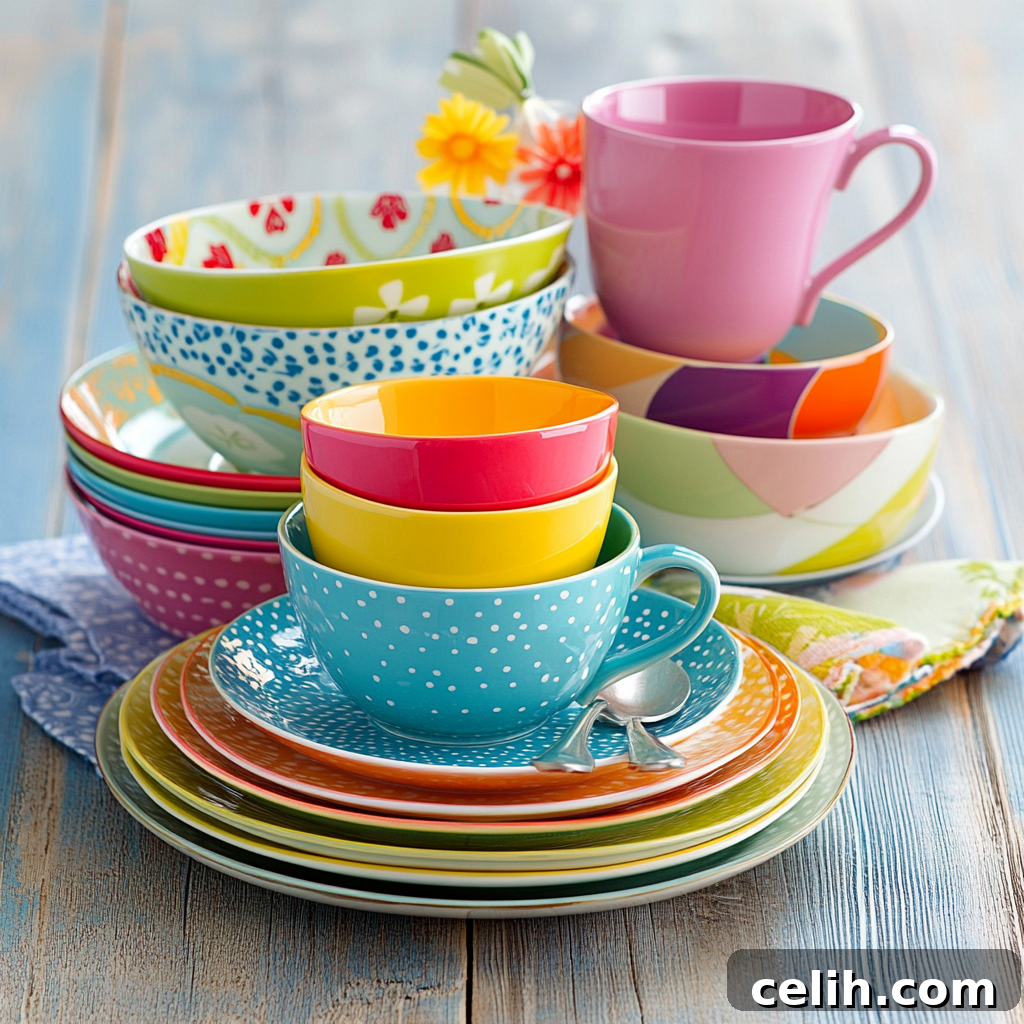
Does your dining table need a refresh? Perhaps your current collection of plates and bowls is showing signs of wear, or maybe you’re simply looking to elevate your everyday meals and special occasions. Investing in a new set of dinnerware can instantly transform your dining space, bringing a fresh aesthetic and enhanced functionality to every meal.
However, selecting the perfect tableware involves more than just picking a design that catches your eye. The material your dinnerware is made from is equally, if not more, crucial. It dictates the set’s durability, how you’ll need to care for it, its suitability for various uses, and even how it influences the overall dining experience.
From the delicate elegance of bone china to the rustic charm of stoneware and the practical resilience of melamine, each material offers a unique set of advantages and considerations. Understanding these differences is key to making an informed decision that aligns with your lifestyle, aesthetic preferences, and budget. In this comprehensive guide, we’ll delve into the most popular dinnerware materials, exploring their unique characteristics, pros, cons, and ideal uses to help you discover the perfect fit for your home.
Bone China: The Epitome of Elegance and Strength
If your aim is to infuse a luxurious and refined touch into your dining table, bone china stands out as an exceptional choice. Renowned for its unparalleled beauty and surprising resilience, it offers a sophisticated aesthetic that elevates any table setting, from intimate family dinners to grand celebratory feasts.
Bone china is crafted from a unique blend, primarily consisting of bone ash (typically 25-50%), kaolin, and feldspar. This distinct composition, combined with high-temperature firing, results in a material that boasts a delicate, almost translucent appearance, often displaying a luminous, brilliant white hue. Its ethereal quality makes it a favourite for those seeking an upscale dining experience.
Despite its exquisite and refined look, bone china is remarkably strong and highly resistant to chipping and breakage, especially compared to other types of porcelain. This impressive durability makes it a practical option not just for special occasions but also for everyday use, offering peace of mind even with frequent handling. Its smooth, non-porous surface also means it’s less likely to stain and enhances the presentation of any culinary creation, making food look even more appealing.
The lightweight feel of bone china pieces adds to the overall dining pleasure, making them comfortable to hold and easy to handle. Furthermore, the versatility in design is vast; you can find bone china tableware in a wide array of colours, intricate patterns, and elegant shapes. Whether your preference leans towards classic white for timeless sophistication, bold contemporary designs, or subtle, modern aesthetics, bone china provides endless possibilities to match any interior decor or personal style.
A significant advantage of modern bone china is its convenience. Most contemporary sets are designed to be dishwasher, microwave, and often oven-safe, allowing you to enjoy its beauty without the burden of delicate care requirements. This blend of elegance, strength, and practicality makes bone china a superb investment for any home seeking to combine luxury with everyday functionality.
Porcelain: Versatile Elegance for Every Occasion
Porcelain represents another excellent choice for those desiring elegant yet incredibly durable dinnerware. Similar to bone china in its refined appearance, porcelain is crafted from fine clay materials and fired at extremely high temperatures, resulting in a dense, non-porous, and exceptionally hard material. A key distinction from bone china is the absence of bone ash, which gives porcelain a slightly less translucent quality but contributes to its robust density and pristine finish.
The rigorous firing process grants porcelain superior resistance to chipping, scratching, and staining, ensuring that your dinnerware retains its beauty and integrity for many years of use. Its smooth, glossy, and non-porous surface makes it remarkably hygienic and resistant to absorbing odours, making it an ideal choice for a clean and sophisticated dining presentation.
Porcelain’s versatility is one of its strongest attributes. It is available in an extensive range of designs, from classic, pristine white pieces that exude timeless charm to vibrant, contemporary patterns that add a modern flair. This adaptability allows porcelain to seamlessly fit into diverse table settings and decor themes, making it suitable for both casual family meals and more formal dinner parties. Its substantial yet refined feel communicates quality and sophistication without the premium price tag often associated with bone china.
In terms of practicality, porcelain offers significant convenience. The vast majority of porcelain dinnerware is dishwasher-safe, making cleanup a breeze, and it is also typically microwave-safe, allowing for easy reheating of dishes. Some porcelain sets are even oven-safe, further expanding their functional utility in the kitchen. For homeowners seeking a balance between refined aesthetics, exceptional durability, and practical everyday use, porcelain provides an outstanding solution that marries beauty with resilience.
Stoneware: Earthy Charm and Robust Durability
For those who appreciate a rustic, earthy, and artisanal aesthetic, stoneware dinnerware is an undeniably appealing choice. Made from a blend of clay and minerals, stoneware is fired at high temperatures (though typically lower than porcelain), resulting in a denser and less porous body than earthenware. It often features a unique, organic charm, characterized by subtle variations in colour and texture, which are inherent to the material and its glazing process.
Unlike the sleek, uniform finish of bone china or porcelain, stoneware possesses a slightly rugged, often handcrafted feel that instantly adds warmth, character, and an inviting ambiance to any table setting. This makes it particularly well-suited for farm-to-table dining, cozy family meals, or bohemian-inspired decor themes. The glazes used on stoneware can range from matte finishes that highlight the raw beauty of the clay to glossy, vibrant colours that make a statement.
Stoneware is generally thicker and heavier than other ceramic options, contributing to its reputation for being highly durable and resistant to chipping, especially around the rims. This makes it a robust choice for everyday use in busy households. Its substantial weight provides a reassuring feel, signifying quality and longevity.
The versatility of stoneware is also a key selling point. It can be effortlessly dressed down for casual breakfasts or lunches, or elevated for more formal gatherings when paired with elegant glassware and polished flatware. However, it’s important to note that while most glazed stoneware is dishwasher and microwave-safe, not all pieces are completely non-porous, especially if they have unglazed bottoms or decorative elements. For unglazed stoneware, specific care may be required to prevent moisture absorption and potential staining.
A crucial consideration for stoneware is its sensitivity to sudden and extreme temperature changes. Exposing stoneware directly from a cold refrigerator to a hot oven, or vice-versa, can lead to thermal shock, causing the material to crack or craze. Therefore, gradual temperature transitions are advisable to preserve the integrity of your stoneware pieces. Despite this minor caveat, stoneware remains a beloved option for its unique aesthetic, durability, and comforting presence on the dining table.
Melamine: The Indestructible Choice for Casual Dining
When unbreakable dinnerware is a top priority, particularly for outdoor entertaining, families with young children, or everyday casual use, melamine emerges as an outstanding and practical option. This durable material is crafted from a thermosetting plastic resin, which gives it its exceptional strength and resilience.
Melamine’s primary advantage lies in its lightweight yet incredibly robust nature. It is virtually immune to drops, chips, and scratches, making it an ideal choice for environments where breakages are a concern, such as busy kitchens, patios, poolside dining, picnics, camping trips, or simply for households seeking worry-free tableware. Its feather-light construction also makes it easy to carry and handle, a definite plus for outdoor excursions or large gatherings.
Another significant benefit of melamine is its remarkable affordability and the vast array of design possibilities it offers. Advanced manufacturing techniques allow melamine to beautifully mimic the appearance of more expensive materials like ceramic, porcelain, or even stoneware, often featuring intricate patterns, textures, and vibrant colours that are indistinguishable from their ceramic counterparts at first glance. This means you can achieve a stylish table setting without the high cost or fragility.
However, melamine does come with specific limitations. The most critical drawback is its incompatibility with microwaves. High temperatures from microwave ovens can cause the material to weaken, degrade over time, and potentially leach chemicals into food. Therefore, melamine should never be used for heating food in a microwave. While most melamine is generally dishwasher-safe, it’s often recommended for the top rack to ensure longevity, as lower-quality melamine might show signs of wear or fading with frequent exposure to high heat cycles in dishwashers. Despite these considerations, for unparalleled durability, convenience, and a wide selection of styles at an accessible price point, melamine is an unbeatable choice for casual and outdoor dining.
Glass: Modern Transparency and Surprising Strength
While often associated with drinkware, glass dinner sets can make a strikingly sophisticated and modern statement on your table. Their inherent transparency and sleek design add a touch of contemporary elegance, allowing the colours and textures of your culinary creations to truly shine through. Glass tableware can effortlessly transition between casual brunches and formal dinner parties, adapting to various aesthetic preferences.
The durability of glass dinnerware varies significantly depending on its type. Standard glass, while beautiful, can be prone to breakage and chipping, making careful handling a necessity. However, advancements in glass manufacturing have introduced more robust options. Tempered glass, for example, undergoes a special heating and cooling process that makes it considerably more resistant to thermal shock, impacts, and breakage than regular glass, often shattering into small, less hazardous pieces if it does break. Another exceptionally durable option is opal glass (sometimes marketed as vitrelle), which is a lightweight, chip-resistant, and break-resistant material perfect for everyday use.
One of the key benefits of opting for glass tableware is its impressive affordability. It offers a refined and upscale aesthetic without the premium price tag typically associated with fine china or high-end porcelain, making elegance accessible to a wider range of budgets. Its non-porous surface also ensures it is hygienic, resistant to stains, and easy to clean.
Many glass dinner sets, particularly those made from tempered or opal glass, are designed to be dishwasher-safe, offering effortless cleanup. Some types are also microwave-safe, adding to their convenience, though it is always imperative to consult the manufacturer’s guidelines for specific heat tolerances. Despite the increased durability of specialized glass, delicate or thin decorative pieces may still require extra care. For a modern, clean, and often budget-friendly approach to table setting, glass dinnerware offers a refreshing and practical alternative.
Earthenware: Handcrafted Charm with a Delicate Touch
Earthenware holds a distinguished place as one of the oldest forms of pottery, with its origins tracing back thousands of years across various ancient civilizations. This material encompasses porous ceramics, such as the well-known terracotta, which are fired at relatively lower temperatures compared to stoneware or porcelain. Due to its inherent porosity, unglazed earthenware would naturally absorb liquids, making it unsuitable for direct food contact.
To render earthenware functional and safe for kitchen and dining use, it undergoes a crucial glazing process. This involves coating the ceramic with a protective layer of glass, which then seals the material, making it non-porous and safe for serving and consuming food and drink. The glazes not only provide functionality but also contribute significantly to the aesthetic appeal of earthenware, often showcasing rich, vibrant colours, intricate hand-painted designs, or glossy finishes that enhance its warm tones.
While earthenware may not boast the same level of durability and chip resistance as porcelain or stoneware, it is cherished for its distinct character, rich textures, and undeniable handcrafted appeal. Each piece often feels unique, adding a unique, artisanal touch and a sense of history to any table setting. It’s an excellent choice for creating a cozy, rustic, or culturally inspired dining ambiance.
However, because of its relatively lower firing temperature and resulting fragility, earthenware is generally more prone to chipping and breaking. It also typically has lower resistance to thermal shock, meaning sudden temperature changes (like placing a hot dish on a cold surface or vice versa) can cause cracks or crazing in the glaze. Consequently, earthenware is less suited for rigorous, everyday use and high-heat applications like oven baking or microwave reheating, unless explicitly stated by the manufacturer.
Earthenware pieces are often best utilized as decorative accent dishes, vibrant serving platters for appetizers or desserts, or as captivating centerpieces that draw the eye. They excel at adding warmth, personality, and an artistic flair to your dining presentation, making them perfect for special occasions or when you wish to infuse your table with a sense of handcrafted beauty.
Factors to Consider When Choosing Your Ideal Dinnerware
With such a diverse array of materials available, making the right choice for your dinnerware can feel daunting. To simplify the decision-making process, consider these key factors:
- Lifestyle and Usage: Do you host frequent formal dinners, or are you looking for durable plates for daily family meals? Do you enjoy outdoor dining, or do you need microwave-safe options for quick reheating? Your daily habits and entertaining needs will heavily influence the best material.
- Durability: If chip and break resistance are paramount (e.g., for households with children or frequent use), materials like melamine, tempered glass, bone china, or porcelain are excellent contenders.
- Maintenance and Care: How much effort are you willing to put into cleaning? Dishwasher-safe and microwave-safe options (like most bone china, porcelain, and some glass) offer maximum convenience. Materials like earthenware often require more careful handwashing.
- Aesthetic and Style: Consider your home’s existing decor and your personal taste. Do you prefer the classic elegance of bone china, the modern minimalism of glass, the rustic charm of stoneware, or the vibrant versatility of melamine?
- Budget: Dinnerware prices vary widely. While bone china and high-quality porcelain are investments, options like melamine and glass provide stylish durability at more accessible price points.
- Weight: Some prefer lightweight options (bone china, melamine) for ease of handling and storage, while others appreciate the substantial feel of heavier materials like stoneware.
- Thermal Properties: If you frequently serve hot food, materials like porcelain and stoneware retain heat well. Conversely, be mindful of materials sensitive to thermal shock like some stoneware and earthenware.
Elevate Your Table: Final Thoughts on Dinnerware Materials
Choosing the right tableware material is a pivotal decision that can profoundly transform your dining experience, harmonizing both functionality and aesthetic appeal. The market offers a rich tapestry of options, each bringing its unique character and benefits to the table.
Whether you’re drawn to the timeless elegance and surprising strength of bone china, the versatile durability of porcelain, the comforting, earthy appeal of stoneware, the robust, virtually unbreakable nature of melamine, the sleek modernity of glass, or the artisanal charm of earthenware, there truly is a perfect option designed to suit your specific needs and preferences. While we’ve covered the most common and beloved materials here, remember that the best choice is always the one that fits seamlessly into your life.
By thoughtfully considering your lifestyle, design aesthetic, budget, and the specific care requirements of each material, you are now well-equipped to invest in a dinnerware set that not only looks stunning on your table but also promises durability and enjoyment for years to come. A well-chosen set of plates and bowls is more than just kitchenware; it’s an investment in countless memorable meals, shared moments, and a beautiful dining environment. Make your selection wisely, and prepare to elevate every dining occasion.