
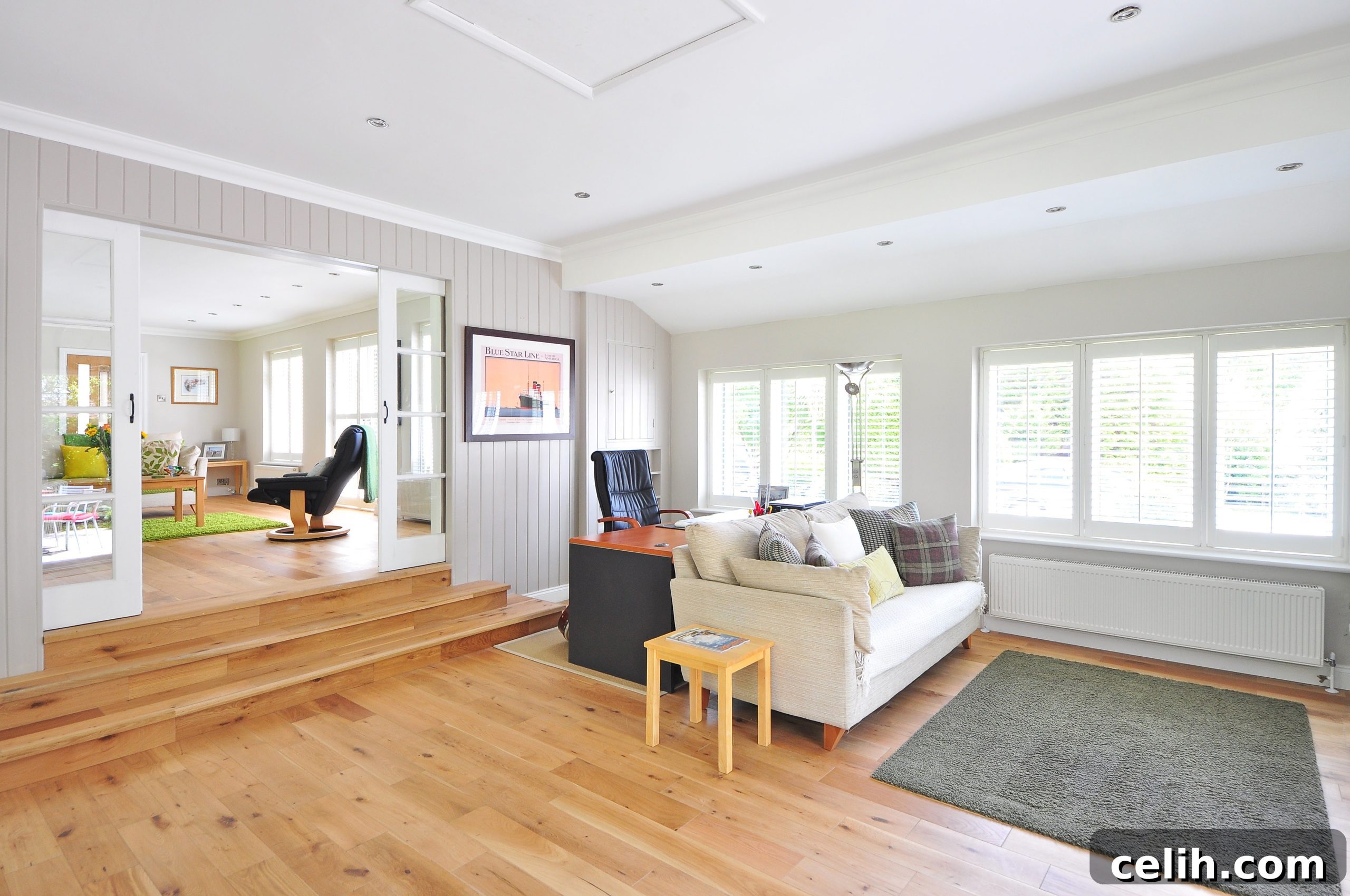
The foundation of any stunning and functional living space lies in the thoughtful selection of interior design materials. From the moment you begin envisioning your dream home or a refreshing renovation, the choices you make regarding materials will dictate not only the aesthetic appeal but also the longevity, maintenance, and overall ambiance of each room. With a vast array of options available today, ranging from natural stones and timeless timbers to innovative composites and classic ceramics, distinguishing the ideal material for each specific application can be a daunting task. Each material boasts a unique set of characteristics, offering distinct advantages and potential drawbacks that directly impact its suitability for various areas of your home.
This comprehensive guide aims to demystify the most popular and impactful materials utilized in modern home design. We will delve into their individual properties, exploring their diverse applications, highlighting their strengths, and candidly discussing their limitations. By gaining a deeper understanding of these fundamental building blocks, you’ll be empowered to make informed decisions that align with your design vision, lifestyle requirements, and budgetary constraints. Whether you’re contemplating a robust new flooring solution, a sleek worktop for a revitalized kitchen, or elegant finishes for walls and roofs, this detailed overview will equip you with the knowledge needed to create spaces that are both beautiful and enduring.
Quartz
Quartz has cemented its position as one of the most highly sought-after materials in contemporary interior design, particularly dominating the market for countertops. This engineered stone is a marvel of modern manufacturing, comprising roughly 90-95% ground natural quartz crystals combined with polymer resins and pigments. This sophisticated composition allows for an extensive palette of colors and patterns, many of which artfully mimic the appearance of natural stone like marble and granite, but with superior consistency and predictability in design.
The allure of quartz extends far beyond its aesthetic versatility. Its engineered nature grants it exceptional durability, making it an ideal choice for high-traffic areas such as kitchens and bathrooms. Unlike natural stone, quartz is non-porous, meaning it inherently resists stains from common household spills like coffee, wine, and oil. This non-porous quality also makes it remarkably hygienic, as it actively inhibits the growth of bacteria, mold, and mildew, contributing to a cleaner and healthier home environment. Furthermore, quartz is highly resistant to scratches and chips, maintaining its pristine appearance even with daily use, thereby reducing the need for extensive maintenance or frequent sealing that natural stones often require.
Despite its myriad advantages, quartz does come with a notable limitation: its susceptibility to high heat. While it can withstand moderate temperatures, direct contact with extremely hot items, such as pots or pans directly off the stove, can cause permanent damage, including discoloration, cracking, or warping of the resin binders. Therefore, the use of trivets is essential to protect quartz surfaces from thermal shock. Another consideration is its cost, which can be comparable to or even higher than some natural stone options, depending on the specific pattern and brand. However, for many homeowners, the unparalleled combination of beauty, durability, and low maintenance makes quartz an investment well worth considering for its long-term value and aesthetic appeal.
Hardwood
Few materials can rival the timeless elegance and inherent warmth that hardwood flooring brings to a home. Revered for centuries, hardwood offers an unmatched aesthetic that seamlessly integrates with virtually any interior design style, from rustic farmhouses to sleek, contemporary urban lofts. Its natural grain patterns, rich hues, and unique character create a sense of sophistication and comfort underfoot, instantly elevating the perceived value and appeal of a property. Hardwood is not merely a floor covering; it’s a living material that develops a unique patina over time, telling the story of your home.
Beyond its undeniable beauty, hardwood is celebrated for its remarkable durability and longevity. With proper care and maintenance, a hardwood floor can last for generations, often outliving the home itself. Unlike many other flooring options, hardwood can be refinished multiple times throughout its lifespan. This means that minor scratches, dents, or wear patterns can often be sanded away and the floor can be stained and sealed anew, restoring its original splendor or even transforming its look entirely. This ability to refresh and adapt makes hardwood a sustainable choice, reducing waste and minimizing the need for complete replacement.
However, hardwood flooring demands a certain level of commitment. It is susceptible to moisture damage, which can lead to warping, buckling, or gapping between planks. Therefore, it is generally not recommended for areas prone to high humidity or spills, such as basements, bathrooms, or laundry rooms. Scratches are also a common concern, particularly in homes with pets or heavy foot traffic, though many modern finishes offer enhanced scratch resistance. Furthermore, hardwood can be vulnerable to termite infestations, necessitating regular inspection and preventive measures in susceptible regions. The initial investment for real hardwood is typically higher than for alternative flooring materials, which can be a significant factor for budget-conscious homeowners. Despite these considerations, the enduring beauty, warmth, and significant return on investment offered by hardwood make it a perennial favorite for those seeking a premium and classic flooring solution.
Laminate
Laminate flooring has emerged as a highly popular and practical choice for homeowners seeking the aesthetic benefits of real wood or stone without the premium price tag and intensive maintenance requirements. Engineered from multiple layers, laminate typically consists of a moisture-resistant backing, a high-density fiberboard (HDF) core, a photographic layer that mimics natural materials with remarkable realism, and a durable, clear wear layer. This construction makes laminate a versatile and cost-effective alternative for various rooms in the home.
One of the primary advantages of laminate is its affordability, making it accessible to a broader range of budgets. It offers a vast selection of designs, colors, and textures, faithfully replicating the look of exotic hardwoods, natural stones, and even contemporary abstract patterns. Furthermore, laminate is renowned for its straightforward installation process, often featuring click-and-lock systems that allow many DIY enthusiasts to lay the flooring themselves, significantly reducing labor costs. The wear layer provides excellent resistance to scratches, dents, and fading, ensuring the floor maintains its appearance even in busy households. Cleaning laminate is also exceptionally easy, typically requiring just a broom, vacuum, or damp mop to keep it looking pristine.
However, laminate flooring also has its limitations. While its appearance has significantly improved over the years, some discerning eyes might still perceive it as less authentic than genuine wood or stone, especially in higher-end installations. Its core is susceptible to water damage; prolonged exposure to moisture can cause the HDF core to swell, warp, and delaminate, making it generally unsuitable for very wet areas like full bathrooms. Unlike hardwood, laminate cannot be sanded down and refinished; any significant damage, such as deep scratches or chips, often necessitates replacing the affected planks. Additionally, laminate can sometimes feel harder and sound hollower underfoot compared to solid wood, though the use of quality underlayment can help mitigate this. Despite these considerations, for those prioritizing budget, ease of installation, and low maintenance, laminate flooring remains an excellent and practical choice that delivers impressive aesthetic value.
Clay Tiles
Clay-based materials, in their various forms, have been integral to architectural and interior design for millennia, prized for their natural beauty, durability, and versatility. While the most iconic application might be clay roof tiles, which evoke a classic, Mediterranean, or rustic charm and offer exceptional longevity and weather resistance, clay also plays a significant role in interior finishes through terracotta tiles, ceramic tiles, and porcelain tiles.
Terracotta tiles, with their earthy, unglazed appearance and warm, rustic hues, bring an authentic, natural aesthetic to floors and walls. They are particularly favored in Mediterranean, Southwestern, and traditional designs, adding character and warmth. These tiles are durable and long-lasting, often developing a beautiful patina over time. However, being porous, terracotta requires sealing to prevent stains and moisture absorption, and its natural hardness can make it feel cool underfoot and unforgiving to dropped items.
Ceramic tiles, derived from refined clay fired at high temperatures, offer immense versatility for interior applications. Glazed ceramic tiles are highly water-resistant, making them perfect for bathrooms, kitchens, and backsplashes. They come in an almost limitless array of colors, patterns, sizes, and finishes, capable of mimicking everything from wood planks to intricate mosaics. Ceramic tiles are durable, easy to clean, and resistant to stains and odors. Their main drawbacks include their hardness, which can be less comfortable than softer flooring options, and the maintenance of grout lines, which can harbor dirt and mildew if not properly sealed and cleaned.
Porcelain tiles, a type of ceramic tile made from denser clay and fired at even higher temperatures, are renowned for their exceptional strength, water resistance, and durability. They are virtually impervious to water, highly resistant to scratches, impact, and frost, making them suitable for both interior and exterior use, including high-traffic commercial spaces. Porcelain also offers incredible design flexibility, with options that convincingly replicate natural stone, wood, concrete, and fabric textures. While more expensive and often harder to install due to their density, porcelain tiles represent a premium choice for those seeking the ultimate in durability and sophisticated aesthetics.
The primary challenges across all clay tile types often revolve around their weight, especially for roofing applications, where structural reinforcement might be necessary. For interior tiles, the hardness means they can be unforgiving if items are dropped, and they retain cold, which might require underfloor heating in colder climates for comfort. Despite these considerations, clay-based tiles remain an enduring choice for their incredible longevity, ease of maintenance, and the distinct aesthetic character they bring to any space.
Ultimately, the selection of materials for your home is a decision that extends beyond mere aesthetics. It involves carefully balancing visual appeal with practical considerations such as durability, maintenance, cost, and the specific functional requirements of each area. By understanding the unique strengths and weaknesses of popular options like quartz, hardwood, laminate, and various clay tiles, you can confidently choose materials that not only reflect your personal style but also create a comfortable, resilient, and beautiful living environment for years to come. Always weigh your options thoroughly, considering how each material will contribute to the overall harmony and functionality of your home.