
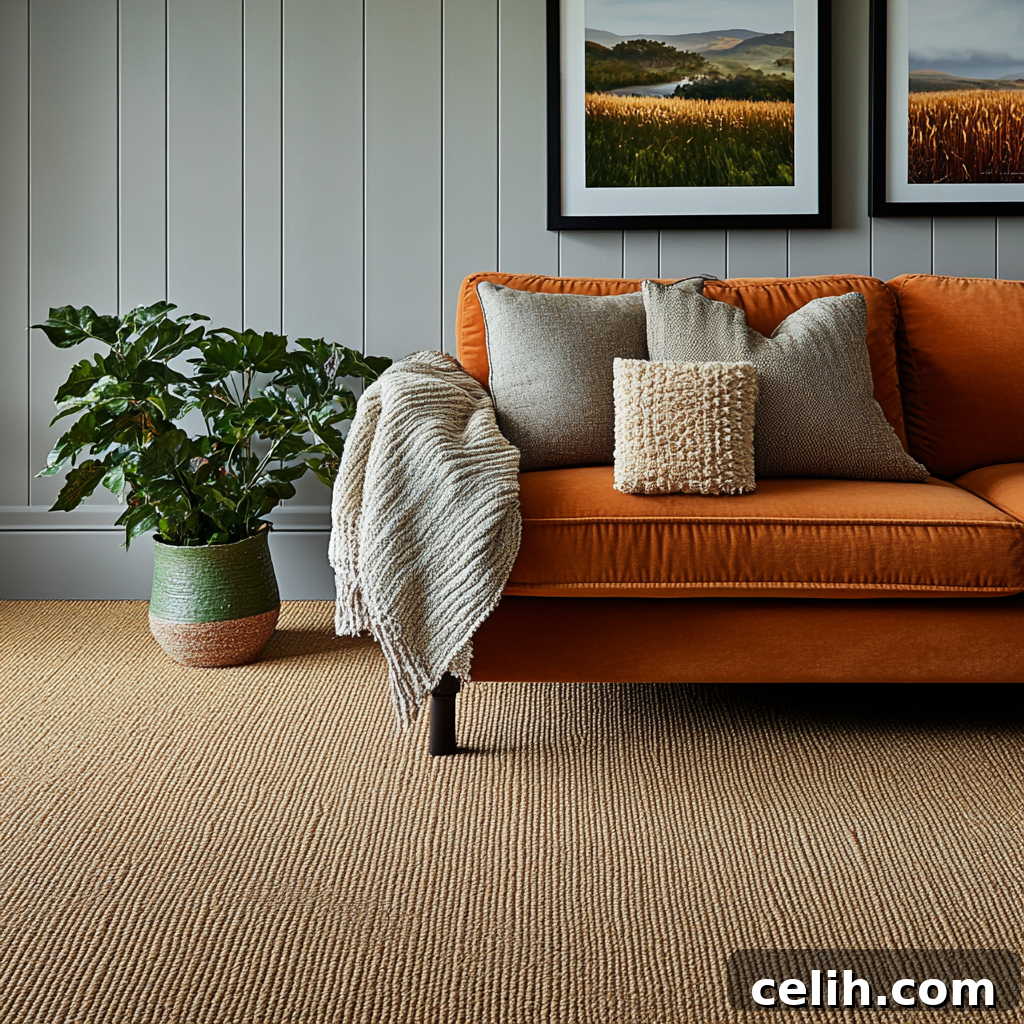
In the quest for sustainable and stylish home interiors, natural fiber floor coverings have emerged as a leading choice for discerning homeowners and designers alike. Among these eco-conscious options, seagrass carpets and rugs stand out for their unique blend of durability, aesthetic appeal, and remarkable environmental credentials. Far more than just a floor covering, seagrass introduces an organic texture and a subtle, earthy palette that can transform any space into a serene and inviting sanctuary. As we move towards more mindful living, the allure of materials that connect us to nature becomes increasingly profound, and seagrass perfectly embodies this philosophy.
This comprehensive guide invites you to delve into the fascinating world of seagrass flooring. We will explore what makes this marine plant so special, tracing its journey from thriving underwater meadows to becoming a beautiful and resilient addition to your home. We’ll uncover the numerous benefits and potential drawbacks of choosing seagrass, offering a balanced perspective to help you make an informed decision. Furthermore, we’ll provide practical insights into how these versatile carpets and rugs can enhance various rooms in a modern home, offering both functionality and a touch of understated elegance. Join us as we explore why seagrass continues to captivate those seeking a natural, durable, and effortlessly chic flooring solution.
What is Seagrass? The Marine Marvel Behind Your Eco-Friendly Floor
Seagrass is not just any plant; it’s a unique marine plant that flourishes entirely underwater in shallow coastal waters across the globe. Unlike terrestrial grasses that we see on land, seagrass has adapted to a saline environment, drawing nutrients directly from the ocean and playing a vital role in marine ecosystems. These submerged flowering plants form vast meadows that are crucial for coastal health and biodiversity. They are sustainably harvested from saltwater marshes, ensuring that their ecological contributions remain intact.
The magic of seagrass lies in its long, slender leaves, which possess inherent strength and a naturally smooth, somewhat waxy texture. This unique composition makes it an exceptional candidate for weaving into durable floor coverings. Its subtle sheen, a gentle reminder of its aquatic origins, adds a natural luminescence to any room. Beyond its aesthetic qualities, seagrass is highly valued for its impressive environmental credentials. It grows rapidly, requiring no chemical fertilizers or pesticides, and acts as a significant carbon sink, absorbing atmospheric carbon dioxide. Moreover, seagrass meadows are critical habitats for countless aquatic species and help prevent coastal erosion. Once harvested, the fibers are carefully dried and then intricately woven into a variety of products, from elegant carpets and mats to stylish rugs and other homeware items, offering a sustainable material that is both profoundly functional and inherently beautiful.
From Ocean Floor to Home Floor: How Seagrass Becomes Carpets and Rugs
The journey of seagrass from a vibrant marine plant to a resilient and beautiful floor covering is a testament to traditional craftsmanship and sustainable practices. This meticulous process ensures that the natural integrity and unique properties of the seagrass fibers are preserved, resulting in a product that brings the tranquility of nature into your home.
- Sustainable Harvesting: The first step involves the careful and responsible harvesting of seagrass from its underwater beds. This process is conducted with an emphasis on minimizing disruption to the delicate marine ecosystem, often using methods that allow for rapid regrowth. Once collected, the plant material is transported to drying facilities, where excess moisture is removed to prepare the fibers for further processing.
- Natural Processing: After drying, the seagrass fibers are meticulously sorted and bundled. A key aspect of seagrass production is its commitment to naturalness; the fibers are typically left untreated by harsh chemicals or artificial dyes. This preserves their inherent strength, earthy tones ranging from light green to natural brown, and their distinct, slightly lustrous texture, ensuring an authentic and organic product.
- Artisanal Weaving: Skilled artisans then take these prepared fibers and weave them into a variety of floor coverings. Traditional weaving techniques are employed, creating diverse patterns such as classic basketweave, elegant herringbone, or unique bouclé textures. These intricate weaving patterns not only contribute to the aesthetic versatility of seagrass products but also enhance their inherent durability and structural integrity, offering a range of options to suit different design preferences.
- Refined Finishing Touches: To create the final natural fiber carpets and rugs, the woven seagrass material is cut into desired shapes and sizes, whether for broadloom installations or individual area rugs. The edges are often meticulously bound using complementary natural materials like cotton, jute, or linen. This binding process not only prevents fraying and enhances the rug’s durability but also adds a refined finishing touch, contributing to its overall aesthetic appeal and ensuring a long-lasting product. The result is a stunning, natural fiber floor covering that exudes warmth and sophistication, perfectly blending practicality with timeless elegance for everyday use.
Pros of Seagrass Rugs and Carpets: Why Choose This Natural Wonder?
Seagrass floor coverings offer a compelling array of advantages that make them a preferred choice for interior designers and environmentally conscious homeowners seeking both style and functionality. Their unique characteristics provide numerous benefits that contribute to a healthier and more beautiful living space:
- Eco-Friendly and Sustainable: At the forefront of its appeal is seagrass’s status as a rapidly renewable resource. Harvested sustainably from vast underwater meadows, its cultivation boasts a significantly low environmental impact compared to synthetic materials. It requires no irrigation, pesticides, or chemical fertilizers, and its growth actively contributes to marine ecosystem health by sequestering carbon and providing habitat. Choosing seagrass directly supports eco-friendly interior decor and sustainable living practices.
- Exceptional Durability: The robust fibers of seagrass are inherently strong and highly resistant to wear and tear. This makes seagrass carpets and rugs incredibly durable, capable of withstanding the demands of busy households and high-traffic areas such such as living rooms, hallways, and entryways. Their tightly woven construction ensures longevity, offering excellent value over time.
- Naturally Stain-Resistant: Thanks to its non-porous surface and natural waxy coating, seagrass is inherently resistant to stains, spills, and moisture absorption. Liquids tend to bead on the surface rather than immediately soaking in, allowing for quick and easy cleanup. This practical feature makes seagrass an ideal choice for family homes and dining areas where spills are more common.
- Low Maintenance Requirements: Maintaining the pristine appearance of seagrass rugs and carpets is remarkably simple. Regular vacuuming is typically all that’s needed to keep them free from dirt and debris. Their stain-resistant nature also minimizes the need for aggressive cleaning, contributing to their enduring freshness and appeal for extended periods.
- Hypoallergenic Properties: Unlike many synthetic or plush carpets that can trap dust, dander, and allergens, seagrass fibers have a smooth, tight weave that resists trapping these particles. This makes seagrass an excellent choice for individuals with allergies or asthma, contributing to a cleaner, healthier indoor air environment.
- Distinctive Natural Aesthetic: The organic texture and earthy hues of seagrass, ranging from subtle greens to warm browns and beiges, lend an effortlessly relaxed and natural vibe to any interior. This neutral palette complements a vast array of design styles, from bohemian and coastal to minimalist and modern farmhouse, providing a versatile foundation that enhances rather than overwhelms the decor.
- Cost-Effective Flooring Solution: When compared to other natural fiber options like premium sisal carpets, jute rugs, or high-end wool, seagrass is generally more affordable. This makes it a highly attractive and cost-effective choice for those seeking durable, natural flooring without exceeding a restricted budget, offering significant long-term value.
- Excellent Sound Absorption: The dense, natural fibers of seagrass also contribute to improved acoustics within a room. They help to absorb sound, reducing echoes and creating a quieter, more tranquil environment, which is particularly beneficial in open-plan living spaces or areas with hard surfaces.
- Natural Thermal Insulation: While not as insulating as thick wool carpets, seagrass still provides a degree of natural thermal insulation. It can help to keep rooms slightly warmer in winter and cooler in summer, potentially contributing to energy efficiency in your home.
Cons of Seagrass Rugs and Carpets: Considerations Before You Buy
While seagrass offers a wealth of benefits, it’s equally important to be aware of its specific limitations to ensure it’s the right choice for your lifestyle and home. Understanding these potential challenges will help you make a well-informed decision and avoid any unexpected seagrass carpet problems.
- Limited Color Options: Because seagrass fibers are typically left in their natural, untreated state to preserve their integrity and eco-friendly appeal, the color palette is naturally restricted. You’ll primarily find seagrass in various shades of green, beige, and earthy brown. While these natural tones are beautiful and versatile, they may not suit every interior design scheme that requires vibrant colors or specific dyed hues.
- Lack of Softness Underfoot: Seagrass rugs are known for their firm and somewhat coarse texture. Unlike the plush comfort of wool or synthetic carpets, seagrass does not offer a soft, cushioned feel underfoot. This characteristic might make it less suitable for highly tactile areas like bedrooms, nurseries, or playrooms where a soft area rug or luxurious custom rug is often preferred for comfort and warmth.
- Moisture Sensitivity (for excessive exposure): While seagrass is naturally resistant to everyday spills and moisture due to its waxy coating, it is not impervious to prolonged or excessive water exposure. High humidity, constant dampness, or direct exposure to large amounts of water can cause the fibers to warp, swell, discolor, or even develop mold and mildew over time. Therefore, it’s not recommended for use in bathrooms, basements, or uncovered outdoor areas.
- Potentially Slippery Surface: The smooth, naturally lustrous texture of seagrass can, in some instances, feel a bit slippery, especially when paired with certain types of footwear like socks or leather soles. For safety, particularly in high-traffic zones or homes with children and elderly residents, using a non-slip rug pad underneath is highly recommended to provide stability and prevent accidental slips.
- Challenges with Custom Sizing and Fitting: Due to the rigid and robust nature of its fibers, seagrass can be challenging to cut and shape precisely, particularly for irregularly shaped spaces or complex installations. While custom sizes are available, achieving intricate cuts can be more difficult than with softer, more pliable materials, potentially limiting its application in highly customized areas.
- Pet Considerations: While durable, the tight weave of seagrass can pose a minor challenge for pets. Their claws may occasionally catch on the fibers, and while it’s generally resistant to pet stains, any “accidents” must be cleaned up very quickly and thoroughly to prevent odors from settling into the natural fibers.
- Not Ideal for Stairs: Due to its inherent rigidity and somewhat slippery surface, seagrass is generally not recommended for use as stair runners. The lack of pliability makes it difficult to contour around stair nosings, and the firm texture can make it less safe and comfortable for frequent stair use.
Using Seagrass Carpets and Rugs In Modern Homes: Versatility and Style
Seagrass carpets and rugs are incredibly versatile, offering stunning effects in diverse areas of the modern home. Their natural beauty and practical benefits make them adaptable to various functional and aesthetic requirements, seamlessly integrating with contemporary interior design trends.
1. Living Room: A Foundation of Natural Elegance
In the living room, a seagrass carpet or a large area rug instantly infuses the space with a cozy yet sophisticated atmosphere. Its neutral tones provide a perfect, grounding base that allows for effortless layering with colorful throw pillows, vibrant artwork, or bold statement furniture. The natural texture adds depth and warmth, complementing a range of design styles from minimalist and Scandinavian to coastal and bohemian. If a wall-to-wall carpet isn’t desired, a generously sized seagrass area rug can effectively anchor your seating arrangement, defining the conversational space and adding an organic touch. Smaller round rugs can also be strategically placed to introduce subtle texture and warmth without overwhelming the room.
2. Dining Room: Practicality Meets Style
The dining room is another ideal location for seagrass carpeting, primarily due to its remarkable stain-resistant surface. This feature makes it an exceptionally practical choice for an area prone to liquid spills, food crumbs, and general foot traffic, significantly simplifying cleanup. A well-placed rectangular seagrass rug beneath the dining table can not only protect the underlying floor but also beautifully define the dining zone, adding a layer of inviting texture and natural warmth. Its durable nature ensures it can withstand the movement of chairs and daily use, maintaining its appeal for years.
3. Bedroom: A Touch of Serene Nature
While seagrass rugs may not offer the same plushness as wool or synthetic options, they remain an excellent choice for bedrooms, particularly those embracing a modern, minimalist, or coastal design aesthetic. The key to success here often lies in balancing textures. Pairing seagrass rugs with soft textiles like luxurious wool throws, cozy cotton bedding, or fluffy sheepskin rugs creates a harmonious blend of tactile experiences. Positioning a large seagrass rug under the bed helps to anchor the room, providing a natural, grounding element without visually overwhelming the space, fostering a calm and serene sleeping environment.
4. Hallways and Entryways: Durable First Impressions
High-traffic zones such as hallways and entryways demand flooring that can withstand constant footfall and resist dirt, and seagrass excels in these areas. Its natural resilience and unique ability to discreetly hide dirt make it an exceptionally practical and durable choice. A seagrass runner can add significant visual interest and functionality to a long hallway, protecting the underlying floor while extending a warm welcome. For smaller entry points, seagrass carpet tiles or smaller area rugs offer a practical and stylish solution, ensuring these transitional spaces remain clean and inviting.
5. Home Office: A Naturally Productive Environment
Incorporating seagrass carpets and rugs into a home office can significantly enhance the space by introducing a calming, organic element. The subtle sheen of the seagrass fibers beautifully reflects natural light, creating a bright and airy atmosphere that is conducive to focus and productivity. Its natural sound-absorbing qualities also help to minimize distractions, fostering a more serene and efficient workspace. A seagrass rug beneath your desk can define the work zone, adding both style and practical durability.
6. Covered Outdoor Areas: Extending Natural Charm
While seagrass rugs are not suitable for completely exposed outdoor settings where they would be subjected to constant rain or extreme humidity, they are an excellent choice for covered patios, sunrooms, screened-in porches, or sheltered balcony seating areas. Their natural aesthetic and neutral palette blend seamlessly with outdoor-inspired decor, creating a cohesive and inviting look that extends your interior style to semi-outdoor living spaces. Here, seagrass provides a durable, easy-to-clean surface that beautifully complements natural elements and outdoor furniture.
Maintenance Tips for Seagrass Rugs and Carpets: Ensuring Longevity
Seagrass carpets and rugs are celebrated for their inherent durability and natural resilience, making them a popular and practical choice for eco-conscious homeowners. With proper care and maintenance, a high-quality seagrass rug can last anywhere from 5 to 10 years, and often even longer in areas with lower foot traffic. The robust, natural fibers of seagrass are inherently tough and resistant to wear, allowing them to withstand the rigors of daily use and maintain their structural integrity over time. Furthermore, their unique waxy coating provides a natural defense against stains, repelling liquids and dirt and making them relatively easy to clean.
However, the actual lifespan of your seagrass floor covering can be influenced by several factors, including the intensity of foot traffic, exposure to moisture, direct sunlight, and whether protective measures like rug pads are consistently employed. To maximize the longevity and preserve the natural beauty of your seagrass carpet or rug, adhering to a few simple yet effective care tips is absolutely essential.
Here are some top maintenance and care tips to extend the life and enhance the appearance of your seagrass floor coverings:
- Frequent and Gentle Vacuuming: Regular vacuuming is the cornerstone of seagrass maintenance. Use a vacuum cleaner equipped with a brush attachment or a suction-only setting to gently remove dirt, dust, and debris. For optimal results and to prevent any potential damage to the weave, always vacuum in the direction of the fibers. Avoid using beater bars, as these can snag or damage the natural weave over time.
- Immediate Spot Cleaning: Due to its excellent stain resistance, spills on seagrass often bead on the surface. Act quickly by blotting spills immediately with a clean, dry, white cloth or paper towel. Avoid rubbing, which can spread the stain. For tougher spots, a very mild, diluted detergent solution can be lightly dabbed, but use water sparingly. The key is to avoid oversaturating the fibers, as excessive moisture can be detrimental.
- Rotate Periodically: To ensure even wear and prevent localized compression or fading, rotate your seagrass rug every few months. This practice helps distribute foot traffic and sunlight exposure evenly across the surface, prolonging its uniform appearance and overall lifespan.
- Utilize Non-Slip Rug Pads: A high-quality non-slip rug pad is an invaluable addition beneath any seagrass rug. It serves multiple purposes: preventing the rug from shifting or slipping, providing an extra layer of cushioning underfoot, and protecting your underlying floor from potential abrasion. It also allows for better air circulation, which can be beneficial in humid environments.
- Avoid High Humidity and Damp Areas: While resistant to spills, seagrass is not designed for environments with persistent high humidity or direct exposure to significant amounts of water. Avoid placing seagrass rugs in bathrooms, damp basements, or uncovered outdoor areas where they could become saturated. Consistent dampness can lead to warping, discoloration, or the growth of mold and mildew, compromising the integrity of the fibers.
- Manage Sunlight Exposure: Like many natural fibers, prolonged direct sunlight can cause seagrass to fade over time. If your rug is in a sunny spot, consider rotating it regularly or using window treatments to filter intense UV rays, helping to maintain its natural color.
- Professional Cleaning (Rarely): Deep cleaning of seagrass is rarely needed, thanks to its low-maintenance nature. If a professional cleaning is deemed absolutely necessary for extensive soiling, ensure you consult with a specialist who has experience with natural fiber rugs. They will use dry cleaning methods or minimal moisture techniques to prevent damage.
How Much Do Seagrass Carpets & Rugs Cost? An Investment in Natural Style
The cost of a seagrass carpet or rug can indeed vary significantly, influenced by a combination of factors such as size, the quality of the weave, the brand, and whether you opt for a custom-made piece or a readily available pre-manufactured design. On average, you can expect standard-sized seagrass rugs to range from approximately $50 for smaller pieces to $500 or even more for larger, premium designs. For instance, smaller accent rugs, such as those measuring 2’x3′ or 3’x5′, typically fall at the more affordable end of this spectrum, making them accessible additions to various rooms. Conversely, expansive area rugs suitable for spacious living rooms or formal dining areas (e.g., 8’x10′ or 9’x12′) can command several hundred dollars due to the increased material and labor involved.
When considering seagrass carpet cost, a significant factor is whether you are purchasing a standard-sized, off-the-shelf product or commissioning a made-to-measure installation. Custom seagrass carpets, which are meticulously tailored to fit specific room dimensions or feature unique designs and intricate borderings, naturally incur a higher price. These bespoke solutions may start from around $10 to $20 per square foot, and this estimate often includes professional installation, depending on the retailer and location. Additional elements such as the type of backing material chosen (e.g., latex or felt), the edging style (e.g., cotton, jute, or linen binding), and shipping costs can further influence the overall price. While seagrass rugs are generally considered an affordable natural fiber option compared to luxurious wool or silk, investing in a higher-quality piece often translates to enhanced durability, superior craftsmanship, and better long-term performance, making it a wise choice for a lasting and stylish home interior.
Seagrass vs. Sisal: Understanding the Differences in Natural Floor Coverings
A common question when exploring natural fiber carpets and rugs is how seagrass compares to sisal. Both are celebrated for their eco-friendly origins and renewable properties, making them sustainable choices for contemporary homes. However, despite their shared natural appeal, seagrass and sisal possess distinct characteristics that influence their texture, durability, stain resistance, and overall appearance.
Sisal, derived from the leaves of the agave plant, generally presents a coarser and more textured feel underfoot than seagrass. Its fibers are highly absorbent, which, while allowing for a wider range of dyeing options, also means that sisal is notoriously prone to staining. This absorbency makes sisal a less ideal choice for areas where spills are likely, such as dining rooms or kitchens. While durable, its porous nature requires more careful maintenance to prevent irreversible marks. On the other hand, seagrass flooring, originating from marine plants, boasts a naturally smoother, almost waxy surface. This non-porous quality provides superior resistance to stains and moisture, making cleanup significantly easier and enhancing its practicality for busy households. The inherent waxy coating of seagrass means it typically comes in its natural, earthy tones of green, beige, and brown, offering fewer dyeing options than sisal. Therefore, while both offer natural charm and durability, seagrass stands out for its unique stain-resistant properties and smoother texture, making it a robust and low-maintenance option for a variety of spaces.
Final Thoughts: Embracing the Natural Beauty of Seagrass
Seagrass carpets and rugs present a compelling combination of natural beauty, remarkable durability, and exceptional practicality, making them an outstanding choice for any modern home. Whether your goal is to cultivate a serene and tranquil retreat in your bedroom, create a welcoming and robust entryway, or establish a highly functional yet stylish dining area, seagrass provides a versatile and sustainable option that seamlessly complements a wide array of contemporary home designs and aesthetic preferences.
While it’s true that seagrass flooring may not offer the plush softness or the vibrant spectrum of colors found in some other floor coverings, its understated elegance, distinctive texture, and profoundly eco-friendly nature firmly establish it as a standout choice. For homeowners who prioritize sustainability, desire a connection to nature within their living spaces, and appreciate long-lasting style, seagrass offers an unparalleled solution. By thoroughly understanding its unique characteristics, acknowledging its care requirements, and embracing its inherent charm, you can confidently integrate the timeless appeal of seagrass into your living spaces, enjoying its enduring beauty and practicality for many years to come.