
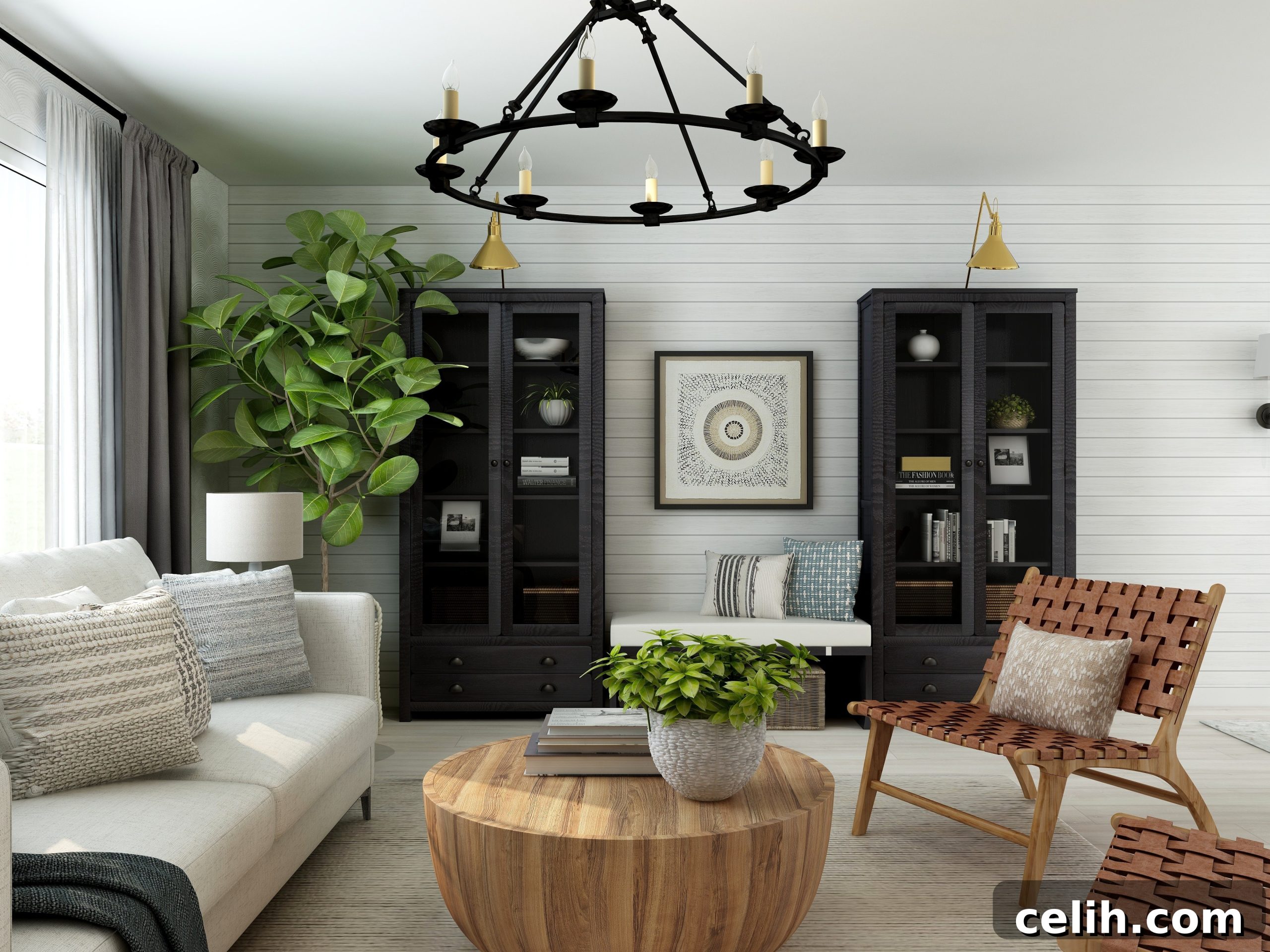
Are you looking to transform your living space from mundane to magnificent? Do you dream of a home where every room tells a story, immediately drawing the eye and captivating guests? If your current interior design feels like it’s missing that special spark, it’s time to discover the secret power of furniture.
Imagine stepping into a room, and instantly, your gaze is captured by a stunning piece of furniture. It’s not just a functional item; it’s a work of art, a statement piece that anchors the entire space and defines its character. This isn’t just about choosing stylish pieces; it’s about strategically using furniture to create powerful visual anchors – known as focal points – that elevate your home’s aesthetic and invite admiration.
Furniture possesses an incredible ability to become the shining star of any space. It can dictate the mood, guide the eye, and even spark conversation. But how exactly do you harness this potential in your own home to create a truly unforgettable interior? Keep reading as we unveil expert strategies to make your furniture the undeniable focal point of your design masterpiece.
Crafting Captivating Interiors: How to Use Furniture as a Focal Point
A focal point is the central element in a room that instantly draws attention, serving as a visual anchor around which the rest of your design can revolve. It creates hierarchy, adds interest, and helps define the purpose and style of a space. When it comes to interior design, furniture often presents the most natural and impactful opportunity to establish such a focal point. By intentionally selecting and arranging your furnishings, you can guide the eye, evoke emotion, and craft a room that feels both cohesive and compelling. Let’s explore the various dimensions of furniture that allow it to command attention and elevate your design.
Strategic Furniture Size: Commanding Attention Through Scale
When aiming to make a statement, often the simplest approach is to think big. Oversized furniture pieces are inherently attention-grabbing, naturally becoming the centerpiece of your room. This isn’t just about filling space; it’s about making a deliberate design choice that communicates grandeur, comfort, and luxury.
Here’s why considering furniture size is paramount for creating a powerful focal point:
- Establishing Scale and Proportion: A large sofa, an expansive dining table, or an imposing armoire immediately sets the scale for the entire room. It dictates how other elements relate to it, creating a sense of balance and proportion. Oversized furniture creates a feeling of luxury and generosity, making your space feel grand and inviting.
- Maximizing Visual Impact: The sheer presence of a generously sized piece ensures it will be noticed. When you enter a room featuring an oversized velvet sectional or a massive, intricately carved dining table, your eyes are instinctively drawn to it. It’s a bold design move that speaks volumes, eliminating the need for excessive ornamentation. The furniture itself becomes the primary visual interest.
- Enhanced Functionality and Comfort: Beyond its aesthetic appeal, oversized furniture often offers superior practicality. A deep, plush sofa provides ample room for lounging, napping, or accommodating multiple guests. A large dining table invites extended gatherings and feasts. This enhanced functionality adds to its appeal as a central piece, making it not only beautiful but also eminently usable. It’s the ultimate combination of form and function.
- Effortless Conversation Starter: A distinctive, large piece of furniture naturally becomes a talking point. Guests will be drawn to its unique presence, sparking discussions about its style, comfort, or story. It transforms a room into a dynamic environment where the furniture itself contributes to the social atmosphere.
Remember, while “go big” is the mantra, it’s crucial to ensure the piece fits comfortably within your room’s dimensions, allowing for proper flow and not overwhelming the space entirely. A well-chosen oversized piece enhances the room without making it feel cramped.
Bold Furniture Colour: Injecting Vibrancy and Drama
Colour is one of the most powerful tools in a designer’s arsenal, capable of evoking mood, defining style, and, most importantly, creating an immediate focal point. Upon entering a room, your attention will instinctively gravitate towards furniture rendered in bold, vibrant shades like fiery red, cheerful yellow, or energetic orange. These hues command immediate notice and can transform an ordinary space into an extraordinary one.
Here’s how to strategically use eye-catching furniture colours to establish a striking focal point:
- Making a Daring Statement: Embrace the power of vivid colours by choosing a vibrant red sofa, a sunny yellow armchair, or a deep sapphire blue credenza. These pieces don’t just add colour; they make a definitive design statement, anchoring the room with their brilliance. Such bold furniture can often replace the need for extensive decorative accessories, letting the colour itself be the star.
- Mastering the Art of Contrast: For those seeking a more refined yet impactful approach, contrast is your key. Pair neutral-toned walls and flooring with a single furniture piece in a dynamic colour. Imagine a luxurious emerald green accent chair against a backdrop of soft grey walls, or a rich terracotta console table in a minimalist white room. This sharp contrast ensures the colourful piece pops, drawing the eye without overwhelming the overall serenity of the space. It’s like adding a vibrant splash of paint to a classic canvas.
- Highlighting Architectural Features: Use colour accents on furniture to draw attention to existing architectural elements or stunning views. A custom-built window bench upholstered in a lively teal can frame an expansive garden view, making the natural scenery even more captivating. Similarly, a brightly painted bookshelf against a muted wall can highlight an architectural recess, transforming it into a vibrant display area.
- Creating Dramatic Visual Play: For an added layer of sophistication and drama, experiment with contrasting light and dark elements. Surround a dark-coloured, perhaps ebony or charcoal, coffee table with a light-coloured sofa and armchairs. This stark difference in value creates an intriguing visual tension, making the coffee table stand out as a sophisticated focal point.
Remember to consider the existing colour palette of your room. While a bold piece creates a focal point, ensuring it harmonizes with other elements—even through contrast—is vital for a cohesive and pleasing design.
Intelligent Furniture Layout: Guiding the Eye and Defining Space
The arrangement of your furniture is far more than just filling a room; it’s about strategically planning your space to create visual hierarchy and guide the eye. A thoughtfully conceived furniture layout can dramatically enhance a room’s functionality, flow, and, crucially, establish a clear focal point. Don’t simply push furniture against the walls; instead, think creatively about how each piece interacts with the space and with each other.
Consider how you want people to move through the space and what elements you want them to notice first. Perhaps you want to position a uniquely patterned armchair in a cozy corner, drawing attention as a sculptural piece. Or, you might arrange sofas and accent chairs around a striking coffee table, creating an intimate conversation area that naturally draws people in and highlights the central table.
Even in smaller spaces, creating a focal point through layout is entirely achievable. The key is to be ingenious. Try placing a bold, colourful area rug in the centre of the room and arrange your furniture to define a gathering zone around it. This instantly draws the eye to the rug, making it the star of the show and providing a visual anchor without cluttering the compact area. Another trick for small spaces is to float a key furniture piece, such as a compact sofa or an elegant console, slightly away from the wall. This creates visual breathing room and elevates the piece to a more prominent position.
In larger or open-concept rooms, effective furniture layout can define distinct zones, each with its own focal point. For instance, a dining area might be centered around a dramatic chandelier and a grand dining table, while an adjacent living area focuses on a comfortable sectional and a stylish media console. The strategic placement of furniture acts as invisible walls, organizing the space and preventing it from feeling vast and undefined.
Distinctive Furniture Design: The Art of the Statement Piece
Furniture design is like the protagonist of your room – it possesses the power to rescue your space from blandness and imbue it with personality and flair. Why settle for generic, mass-produced items when you can choose a piece that exudes uniqueness and character, proudly declaring its fabulousness?
Think about the profound impact a beautifully crafted piece of furniture can have. It can become the undisputed star of your room, the immediate conversation starter at any gathering, the object of admiration for your guests, and a clear reflection of your discerning taste. Whether it’s a sculptural armchair with an avant-garde silhouette, a sleek, minimalist sofa with clean lines, or a rustic console table with reclaimed wood, the inherent design of a piece of furniture design can make all the difference in creating a focal point.
Consider the stylistic elements that contribute to a piece’s standout quality:
- Unique Silhouettes: Furniture with unusual shapes, curves, or angles naturally attracts attention.
- Intricate Details: Hand-carved accents, unique upholstery patterns, or decorative hardware can elevate a piece.
- Material Innovation: Furniture made from unexpected materials or combinations—like concrete and glass, or leather and metal—creates visual intrigue.
- Period Styles: A genuine mid-century modern credenza, an ornate Baroque armchair, or a streamlined Art Deco cabinet can serve as a powerful anchor, telling a story through its historical context.
By selecting furniture with distinctive design attributes, you’re not just furnishing a room; you’re curating an artful environment where each piece contributes to a cohesive yet captivating aesthetic.
Curated Furniture Collection: Weaving a Personal Narrative
Imagine the profound impact you can create by assembling a meticulously chosen collection of furniture pieces. A furniture collection is akin to a carefully crafted playlist for your living space – each piece, though distinct, contributes to a harmonious and engaging whole, telling a rich story about who you are and what you love.
The beauty of a curated collection lies in its ability to blend diverse elements into a unified vision. Think about the intriguing dialogue created when a plush, vintage velvet armchair is paired with a sleek, minimalist coffee table, or when a vibrant, funky patterned couch sits harmoniously beside a modern, industrial bookshelf. This thoughtful juxtaposition of styles, eras, and textures creates visual depth and interest, ensuring that several pieces within the collection collectively form an overarching focal point.
A well-curated furniture collection goes beyond individual statement pieces; it’s about the synergistic effect of multiple items working together. It transforms a mere room into a deeply personal sanctuary, a space that not only looks incredibly stylish but also resonates with your unique personality and aesthetic journey. This approach allows for multiple points of visual interest, all contributing to a rich, layered environment that feels genuinely unique to you.
Varying Furniture Height: Adding Dynamic Visual Interest
One often-overlooked yet incredibly effective method for enhancing the visual appeal and creating a captivating focal point in your living space is by strategically considering the height of the furniture you select. Playing with varying heights introduces dynamic visual interest, preventing a room from appearing flat or monotonous and drawing the eye across different levels.
Here are some ingenious suggestions on how to leverage furniture height to craft a focal point that will undoubtedly intrigue your guests:
- Embrace Taller Furniture: Incorporate striking, tall pieces that naturally draw the eye upwards and emphasize verticality. Floor-to-ceiling bookcases, grand armoires, or tall, slender display cabinets can make a room feel expansive and sophisticated, almost like a library from a classic novel. These towering elements command attention and provide impressive backdrops.
- Cultivate Contrast in Height: Juxtaposition is a powerful design principle. Mix and match furniture of different heights to create engaging visual rhythms. Pair a low-profile, sleek sofa with a towering, multi-tiered bookshelf, or complement a minimalist coffee table that barely reaches your knees with a dramatic, high-backed accent chair. This interplay of heights creates a lively and intriguing visual dialogue, akin to a perfectly balanced composition.
- Utilize Elevated Furniture for Airiness: Opt for furniture pieces that appear to float, often achieved with slim, elevated legs or a hidden base. This creates a sense of openness and lightness beneath the furniture, giving the illusion of more space and making the piece itself feel more deliberate and significant. It’s like a magic trick that adds an ethereal quality to your furnishings.
- Master the Art of Layering Heights: Create visual depth by layering objects and furniture at various elevations. Position a tall floor lamp beside a shorter, sculptural accent chair, or arrange a collection of decorative items on a multi-level shelf. This technique is similar to building a beautiful tiered cake – each layer adds to the overall spectacle and draws the eye through a harmonious progression of forms and heights. This thoughtful layering ensures continuous visual engagement around your chosen focal point.
Texture and Material: Adding Depth and Sensory Appeal
Beyond size, colour, design, and height, the texture and material of your furniture can play a crucial role in establishing a focal point. A piece of furniture crafted from a unique material or featuring a distinctive texture naturally stands out, inviting both visual and tactile engagement. Consider a plush velvet sofa that catches the light differently from a linen one, or a rugged reclaimed wood dining table contrasting with sleek metal chairs.
Here’s how texture and material can define a focal point:
- Tactile Allure: Materials like bouclé, shearling, or deep-buttoned leather instantly draw the eye and encourage interaction. A luxurious velvet chaise lounge or a rustic live-edge coffee table made from a striking piece of wood becomes a central attraction simply because of its compelling surface.
- Visual Contrast: Introduce materials that contrast sharply with the surrounding elements. In a room dominated by smooth, polished surfaces, a chunky knit pouf or a woven rattan chair will immediately pop. Conversely, a highly polished marble console table will stand out in a space filled with soft fabrics.
- Statement-Making Materials: Select furniture crafted from materials known for their inherent beauty or dramatic presence. A gleaming brass bar cart, a translucent acrylic dining chair, or an artisanal ceramic-topped side table can become an unexpected and captivating focal point, adding a layer of sophistication and interest to your interior design.
By consciously integrating diverse textures and materials, you add layers of sophistication and sensory richness to your space, ensuring your chosen focal point is not only visually dominant but also deeply engaging.
Frequently Asked Questions (FAQs) About Furniture as a Focal Point
What is a focal point in home design?
A focal point in home design is the primary element or area within a room that immediately captures attention upon entry. It serves as a visual anchor, guiding the eye and establishing a hierarchy of interest. While it may not always be the physical center of the room, it is the area that naturally draws focus due to its unique arrangement, size, colour, or design. The focal point is crucial for adding visual interest, defining the room’s purpose, and ensuring the overall design feels balanced and intentional, rather than chaotic or undefined.
Can furniture be used as a focal point in outdoor designs as well?
Absolutely! Outdoor furniture can certainly steal the show and become a captivating focal point in your garden, patio, or balcony. Imagine a luxurious modular patio set adorned with vibrant, weather-resistant cushions that instantly transform your backyard into a tropical oasis. Or consider a chic outdoor lounge area centered around a sleek fire pit table, perfect for evening gatherings, marshmallow roasting, and creating a warm, inviting ambiance. A striking garden bench, an elegant outdoor dining table, or even a pair of distinctive sun loungers can serve as powerful visual anchors, making your outdoor space as stylish and inviting as your interiors. Furniture isn’t just for indoors – it can truly jazz up your outdoor living areas and be the undisputed star of the show!
Can I use multiple furniture pieces as focal points in one room?
Yes, you can absolutely use multiple furniture pieces as focal points in a single room, but it requires careful planning to ensure they complement rather than compete. Think of it like a well-orchestrated ensemble rather than a chaotic crowd. The key is to establish a primary focal point and then introduce secondary points of interest that support or enhance the main one, without overpowering the space. For example, a grand fireplace might be your primary focal point, with a vibrant accent armchair positioned nearby as a secondary point, drawing attention to a cozy reading nook. Ensure the pieces share a cohesive style, colour palette, or material to maintain harmony. You don’t want your room to resemble a furniture showroom; instead, aim for a balanced composition where each element contributes to an overall sense of beauty and purpose.
What are some tips for creating a cohesive look when using furniture as a focal point in an open-concept space?
Creating a cohesive look in an open-concept space, especially when highlighting furniture as focal points, is about defining distinct areas while maintaining overall harmony. Here are some essential tips:
- Choose a Unified Colour Palette: Select a core colour palette (ideally 2-3 primary colours with supporting neutrals and accents) that flows seamlessly across all zones. While focal points can introduce bold colours, ensure they harmonize with this overarching scheme. This creates a visual thread that connects different areas.
- Utilize Area Rugs Strategically: Area rugs are powerful tools for defining specific zones within an open space, acting like soft, visual boundaries. Place a distinct rug under your living room furniture to anchor it, and another under your dining table. While the rugs can vary in pattern or texture, ensure their colours or styles are complementary to maintain cohesion.
- Coordinate Furniture Styles and Materials: Aim for a consistent aesthetic or theme. If your living area features contemporary furniture, carry that modern sensibility into the dining space. While you can mix materials for interest, ensure they share common attributes (e.g., warm woods, sleek metals, or natural fibers) to create a sophisticated and coordinated look.
- Ensure Visual Flow and Clear Pathways: The arrangement of furniture should not impede natural movement. Create clear pathways between different functional zones. Ensure that your focal points are positioned to draw the eye without disrupting the natural progression through the space, fostering an effortless sense of navigation.
- Incorporate Cohesive Accents and Decor: Use decorative elements like wall art, throw pillows, plants, or decorative items to tie the different areas together. Repeating certain motifs, colours, or materials in accessories across the entire open space will reinforce the cohesive design and add a polished, finished feel.
Conclusion: Your Home, Your Masterpiece
As we’ve explored, furniture transcends its basic function of providing comfort or storage; it is, in fact, a foundational element in defining the very essence of your room’s design. By understanding and applying the principles of size, colour, layout, design, curated collections, height, and texture, you gain the power to transform ordinary spaces into extraordinary showcases.
These pieces are not merely objects; they are expressive tools that allow you to sculpt specific moods, cultivate distinct atmospheres, and precisely articulate your room’s function and style. With this newfound knowledge, you are now equipped to thoughtfully select and arrange your furnishings, turning your interior design dreams into tangible realities.
You have the vision, and now you have the strategies. Go forth and create your design masterpiece, where every piece of furniture is a deliberate choice, and every room tells your unique, captivating story.