
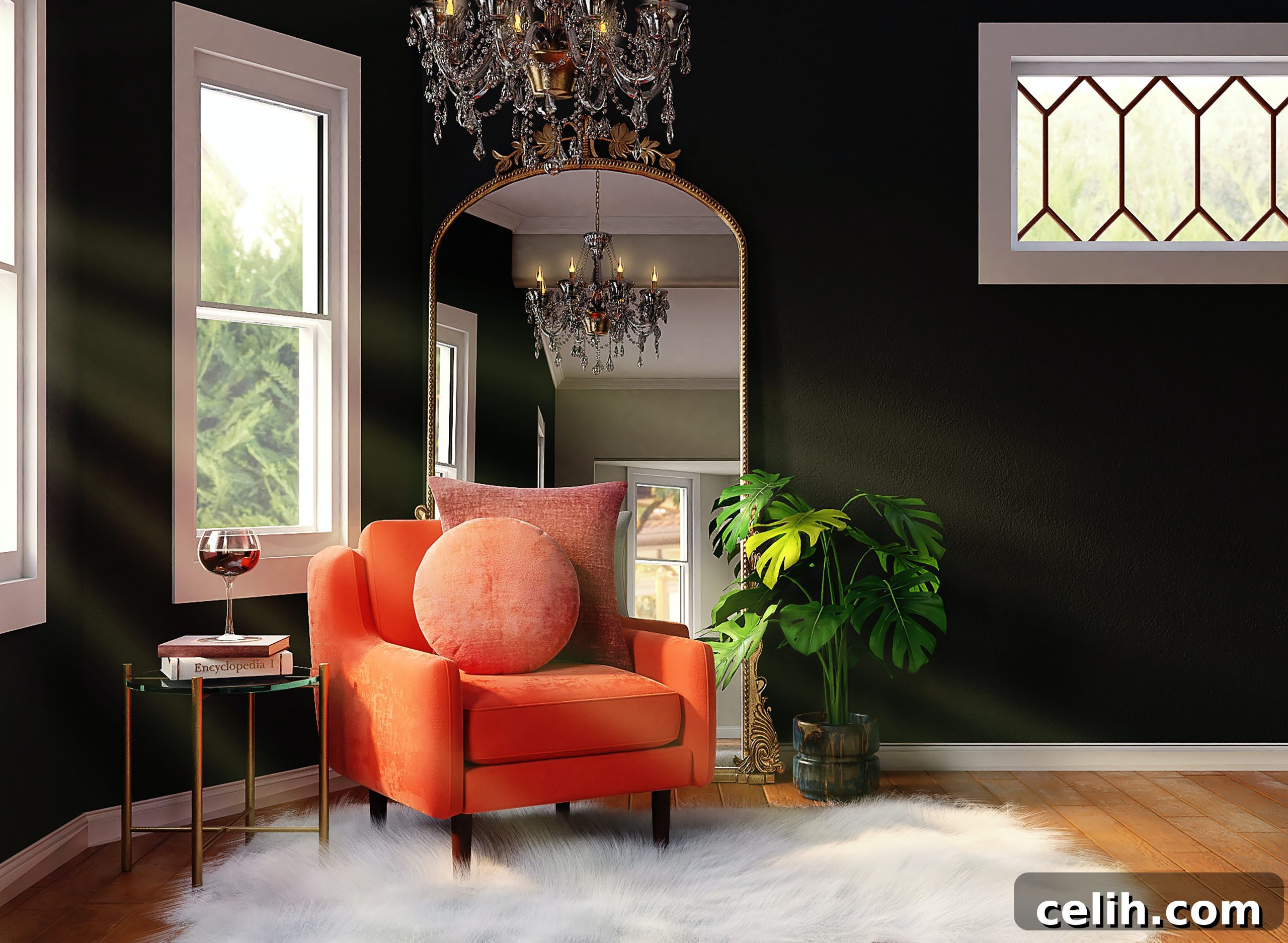
Transforming your living space doesn’t always require an extensive renovation. Sometimes, the most impactful change comes from something as simple yet powerful as a fresh coat of paint. Interior house painting offers an incredible opportunity to revitalize your home, infuse it with personality, and create environments that resonate with your individual style and comfort needs. From crafting a serene sanctuary to designing a vibrant hub for creativity, the possibilities are virtually limitless when you embrace the world of interior paint. This comprehensive guide will explore innovative ideas and practical tips for painting the interiors of your house, helping you navigate the exciting journey of turning your current residence into the dream haven you’ve always envisioned.
Selecting the Perfect Paint Colors to Define Your Style
One of the most critical decisions in any home painting project is the selection of colors. The hues you choose are far more than just surface decorations; they are the foundation upon which your home’s atmosphere is built. Expert house painters in North Shore Auckland consistently emphasize that colors profoundly impact the mood and perceived size of a space. To make informed choices, consider various elements such as existing furniture, the amount of natural and artificial lighting, and, most importantly, your personal aesthetic and the emotional response you want to evoke.
Neutral tones, including classic whites, warm beiges, and versatile greys, remain a popular choice for good reason. These shades create a tranquil, sophisticated, and timeless backdrop, allowing your furnishings, artwork, and decorative accessories to truly pop without competition. They offer flexibility, making it easy to change up your decor seasonally or as your tastes evolve. On the other hand, embracing bolder, more saturated colors can inject tremendous character and make a powerful, unforgettable statement. Imagine the invigorating energy of a rich blue in a study, the cheerful warmth of a sunny yellow in a kitchen, or the sophisticated drama of a deep red in a dining room. These vibrant choices can transform an ordinary room into an extraordinary focal point, reflecting a confident and dynamic personality.
Beyond individual color choices, understanding color schemes is essential. Monochromatic schemes use different shades and tints of a single color for a harmonious look. Analogous schemes use colors adjacent on the color wheel, creating a calm and comfortable feel. Complementary schemes, using colors opposite each other, offer high contrast and vibrancy. Always test paint samples on your walls in various lighting conditions throughout the day before committing to a final decision. This crucial step helps ensure the color you envision is the color you get.
Adding Dynamic Interest with Accent Walls
Accent walls have surged in popularity, offering an ingenious way to introduce color and flair without overwhelming an entire room. This design technique allows homeowners to experiment with bolder shades, unique textures, or intricate patterns on a single wall or specific architectural features, creating an instant focal point and adding significant depth and visual intrigue to a space.
Consider strategically painting one wall a different, complementary shade to highlight key elements such as a stunning fireplace, a bespoke built-in shelving unit, or the wall behind your bed to create a luxurious headboard effect. An accent wall can also serve to define different zones within an open-plan living area, subtly separating a dining space from a lounge without the need for physical barriers. To ensure a cohesive and harmonious look, select accent wall colors that either complement or provide a striking but balanced contrast to the existing color scheme of the room. This thoughtful approach ensures the accent wall enhances, rather than detracts from, the overall aesthetic of your home, turning an ordinary wall into a captivating design feature.
Incorporating Textures for Enhanced Depth and Character
While color alone can dramatically alter the perception of dimension and mood within a room, incorporating texture directly onto your walls can elevate the aesthetic to an entirely new level. This approach is particularly effective in interiors where smooth, conventional surfaces dominate, adding a tactile quality that engages the senses and creates a more dynamic environment. Textured walls can introduce a sense of age, warmth, or rustic charm, or conversely, sophisticated modernity, depending on the technique chosen.
To achieve stunning textured effects, you can experiment with a variety of specialized painting techniques. Stucco finishes, for instance, create a rough, earthy appeal reminiscent of Mediterranean villas. Simulated plastering techniques can mimic the appearance of aged, handcrafted walls, lending a timeless elegance. Other popular methods include sponging for a soft, mottled look, rag rolling for a fabric-like texture, or dragging for vertical or horizontal lines that add movement. For those seeking an impactful yet easily changeable solution, wallpapers with textured patterns offer a vast array of effects, from subtle grasscloth to dramatic brick or concrete illusions. These options provide visual depth and hide minor wall imperfections, enhancing the overall character and uniqueness of your interior spaces. The way light plays across a textured surface throughout the day can also create fascinating, ever-changing visual interest, adding another layer of sophistication to your home’s design.
Mastering Visual Appeal with Two-Tone Walls
A burgeoning trend in interior house painting, acclaimed by seasoned house painters in North Shore Auckland, involves the artful application of two-tone walls. This technique, which typically involves dividing a wall horizontally into two distinct color sections, creates a visually captivating space that can dramatically redefine a room’s proportions and ambiance. It’s an especially effective strategy for rooms with high ceilings, as it can make the space feel more intimate and grounded, or for adding architectural intrigue to otherwise plain hallways and living areas.
To successfully execute this design, the key lies in selecting two colors that not only complement each other but also serve a specific design purpose. A classic and highly effective approach is to combine a lighter shade on the upper portion of the wall with a darker hue on the lower section. This arrangement creates a sense of stability and warmth, visually anchoring the room and making the ceiling appear higher. Conversely, using a darker color on top can create a cozier, more enveloped feeling, perfect for bedrooms or reading nooks. The dividing line can be a crisp, clean edge, or it can be softened with a decorative trim or moulding, mimicking a wainscoting effect. Experiment with different ratios – a 2/3 to 1/3 split is common – or consider a subtle stripe to further enhance the visual interest. This versatile technique allows for endless creativity, enabling you to infuse your space with personality while playing with perceived dimensions.
Revitalizing Spaces with Vibrant Doors and Trim
Doors and trim, often overlooked and relegated to standard white or wood finishes, possess immense potential to become captivating focal points within your home’s interior design. Far from being merely functional components, these architectural elements can be transformed with bold, vibrant colors, breathing new life into your surroundings and adding an unexpected layer of character and visual appeal.
Opting for vividly colored doors, both for entrances and interior passages, can dramatically alter the atmosphere of a room or hallway. A sunny yellow door, for example, can exude warmth and cheerfulness, creating an inviting transition between spaces. Conversely, a sophisticated deep blue door can evoke a sense of tranquility and calm, ideal for a bedroom or a cozy reading nook. The choice of color should not be arbitrary; it’s crucial to consider how the door’s hue complements the surrounding wall colors, the existing furniture, and the overall thematic scheme of the room. A brightly painted door can serve as an artistic punctuation mark, guiding the eye and adding a playful or elegant touch. Similarly, painting trim (baseboards, crown molding, window frames) in a contrasting or complementary color can define the room’s edges, highlight architectural details, and add a polished, custom finish that elevates the entire aesthetic. This simple yet effective painting strategy allows for creative expression, turning often-ignored elements into deliberate design statements that enhance your home’s unique charm.
Exploring the Impact of Ceiling Colors
For centuries, the ceiling has been dubbed the “fifth wall,” yet it often receives the least attention, typically painted in a safe, uninspired white. However, bold interior painting strategies encourage stepping beyond this tradition and exploring a spectrum of hues for your ceilings. This daring approach can profoundly impact the perception of height, space, and intimacy within a room, transforming it into a cohesive and thoughtfully designed environment.
Painting your ceiling in a lighter shade than your walls can make a room feel more expansive and airy, reflecting light and visually lifting the ceiling. This is particularly effective in smaller rooms or spaces with limited natural light. Conversely, embracing a darker tone for the ceiling can create a dramatically different effect. A rich, deep color on the ceiling, especially when paired with slightly lighter walls, can make a room feel incredibly cozy, intimate, and enveloped, effectively reducing the perceived height and fostering a sense of warmth and security. For a truly immersive experience, consider painting the ceiling the exact same color as the walls; this “cocooning” effect can blur the lines of the room, creating a seamless, contemporary feel that works exceptionally well in bedrooms or creative studios. Experiment with different finishes too: a matte finish on the ceiling will absorb light, contributing to a softer ambiance, while a subtle satin can add a touch of understated elegance. By thoughtfully choosing your ceiling color, you unlock a powerful design tool that can drastically alter the mood and character of any space.
Understanding Paint Finishes and Their Applications
The choice of paint finish is as crucial as the color itself, as it significantly affects a wall’s durability, washability, and overall aesthetic. Each finish has unique properties that make it suitable for different areas and purposes within your home.
- Matte (Flat) Finish: This finish offers a non-reflective, velvety appearance, which is excellent for hiding surface imperfections. It creates a soft, sophisticated look, making it ideal for low-traffic areas like dining rooms, master bedrooms, and ceilings. However, it’s the least durable and washable, so it’s not recommended for high-traffic zones or moisture-prone environments.
- Eggshell Finish: Offering a subtle sheen resembling an eggshell, this finish provides more durability and washability than matte while still helping to conceal minor flaws. It’s a popular choice for living rooms, family rooms, and hallways, balancing aesthetics with practicality.
- Satin Finish: With a smooth, pearl-like luster, satin paint is highly durable and easy to clean, making it perfect for moderate to high-traffic areas. It’s often used in children’s bedrooms, kitchens, bathrooms, and even on trim, where its resilience against moisture and scuffs is a significant advantage.
- Semi-Gloss Finish: Delivering a distinct, reflective sheen, semi-gloss paint is exceptionally tough and washable. It’s the go-to choice for trim, doors, cabinets, and areas exposed to high moisture and wear, such as kitchens and bathrooms. Its high durability allows for frequent cleaning without damaging the finish.
- High-Gloss Finish: This finish offers the highest level of sheen, creating a mirror-like, extremely durable surface. While less common for entire walls due to its tendency to highlight every imperfection, high-gloss is stunning on specific architectural details, furniture, or accent pieces, adding a dramatic, luxurious touch.
Considering the function of each room and the desired level of maintenance will guide you in selecting the most appropriate paint finish for a lasting and beautiful result.
Essential Preparation for a Flawless Finish
Even the most exquisite paint color and finish can be undermined by poor preparation. A truly professional and long-lasting interior paint job hinges on meticulous groundwork. Neglecting these crucial steps can lead to uneven coverage, peeling paint, or a finish that simply doesn’t meet expectations.
The first step is always to thoroughly clean your walls. Dust, grime, and grease can prevent paint from adhering properly. Use a mild detergent solution and a sponge, then rinse with clean water and allow the walls to dry completely. Next, inspect the walls for any imperfections. Fill holes and cracks with spackle or joint compound, sanding them smooth once dry. For glossy surfaces or areas with previous oil-based paint, a light sanding will help the new paint adhere better. Priming is another non-negotiable step, especially when changing a dark color to a light one, painting over stains, or working with new drywall. Primer creates a uniform surface for the paint, enhances adhesion, and ensures truer color rendition. Finally, meticulously tape off all trim, baseboards, window frames, and ceilings with painter’s tape. Cover furniture and flooring with drop cloths to protect them from splatters. Investing time in these preparatory stages will not only save you headaches later but will guarantee a smooth, professional, and durable finish that truly showcases your chosen colors.
Conclusion: Unleashing Your Home’s Potential with Interior Paint
Interior house painting transcends the mere application of a fresh coat; it is a profound opportunity for personal expression and a powerful tool for transforming your home. By thoughtfully selecting curated color palettes, intelligently incorporating accent walls, experimenting with enriching textures, and even daring to explore the “fifth wall” with ceiling colors, you possess the creative potential to reshape your living spaces into extraordinary havens that genuinely reflect who you are. Every brushstroke becomes a statement, every hue a whisper of your style and aspirations.
As you embark on your home’s makeover journey, remember to consider not only your personal style but also the existing elements within each room, from furniture to natural light, and the emotional response you wish to cultivate. Keep these diverse and inspiring ideas in mind as you plan your transformation. Whether you choose to tackle the project yourself or enlist the expertise of skilled professionals like house painters in North Shore Auckland, prepare to experience the truly remarkable and often underestimated transformation that interior house painting can bring. It’s more than just paint on walls; it’s the art of creating a home that breathes with life, comfort, and character, a space you’ll love coming back to, day after day.