

Owning a home is a significant achievement and a source of great comfort, offering a personal sanctuary and a cornerstone for family life. However, this cherished asset also comes with the inherent responsibility of upkeep and maintenance. Like any valuable investment, a home requires continuous care to preserve its integrity and value. Over time, wear and tear are inevitable, leading to various issues. What many homeowners often overlook is that minor issues, if left unaddressed, can rapidly escalate into major, expensive, and sometimes dangerous problems. The key to successful homeownership lies in proactive vigilance, identifying and resolving small concerns before they snowball into critical repairs.
While some home repairs are truly unexpected, a vast majority can be anticipated and even prevented through regular maintenance and keen observation. Early detection is your most powerful tool against significant property losses and exorbitant repair bills. By developing a habit of routine inspections and understanding the common warning signs, you can avoid spending thousands of dollars, ensure your family’s safety, and maintain the comfort and value of your home. This comprehensive guide will explore eight common and often pricey home repairs, providing insights into their causes, early detection methods, and actionable preventive strategies to safeguard your finances and your peace of mind.
1. Foundation Cracks: Protecting Your Home’s Core Structure
The foundation is literally the bedrock of your home, providing critical structural support that keeps the entire building stable and secure. Any compromise to its integrity can have far-reaching and severe consequences for your entire property. One of the most common foundation problems is settling, a natural process where the soil beneath the foundation compacts over many years. While gradual settling is normal, abrupt or significant changes in soil moisture levels – often due to poor drainage, expansive clay soils, or even large tree roots – can exert immense pressure on the foundation, leading to the development of cracks.
Recognizing the early signs of foundation problems is crucial. Common indicators include visible cracks on both interior and exterior walls, often appearing as hairline fractures initially but expanding in length and width over time. Beyond cracks, watch for sticky doors or windows that are difficult to open or close, uneven or sloping floors, and gaps appearing around window and door frames. If these symptoms are ignored, the structural integrity of your home can be severely compromised, potentially endangering occupants and leading to a drastic reduction in property value.
Addressing minor foundation cracks early can be surprisingly affordable, often costing around $500 for non-structural repairs. This proactive approach can save you from a major foundation repair bill, which averages around $4,500, or a complete foundation replacement that could easily exceed $10,000. For any suspected foundation issues, it is always recommended to consult with a qualified homebuilder or a structural engineer for a professional assessment. Implementing good drainage practices around your home, ensuring proper landscaping, and maintaining consistent soil moisture levels can significantly reduce the risk of future foundation problems.
2. Heating and Cooling System (HVAC) Replacements: Ensuring Year-Round Comfort
Your HVAC system is vital for maintaining a comfortable indoor environment throughout the year, regardless of external weather conditions. Designed for a typical lifespan of 15 to 20 years, its longevity can be significantly extended with diligent and regular maintenance. Neglecting this crucial system can lead to breakdowns, discomfort, and ultimately, one of the most expensive repairs or replacements a homeowner can face.
A common culprit behind HVAC failures is the AC compressor, which is responsible for circulating refrigerant and facilitating the heat exchange process. A faulty compressor means your unit won’t produce cold air, a dire situation during peak summer months. Being aware of the warning signs that your AC compressor is failing is paramount. These include your system failing to heat or cool your home effectively, emitting strange or musty smells, producing rattling or grinding noises upon startup, and visible water leaks around the unit.
Proactive maintenance and early detection can help you avoid major repair costs, which can average up to $7,000 for complex issues, and often over $10,000 for a full system replacement. To extend the life of your HVAC system, start by regularly cleaning or changing air filters every 1 to 3 months, ensuring your unit operates at optimal efficiency. Periodically check your thermostat for correct functionality; if your unit cycles frequently or struggles to maintain a set temperature, it’s a sign that servicing might be needed.
Beyond these routine checks, scheduling annual professional maintenance for your HVAC system is a wise investment. A certified technician can identify potential issues before they escalate, clean components, and ensure all parts are working efficiently. This not only prevents expensive emergency repairs but also significantly reduces your monthly utility bills by improving energy efficiency.
3. Damaged Roof: Your Home’s Primary Shield
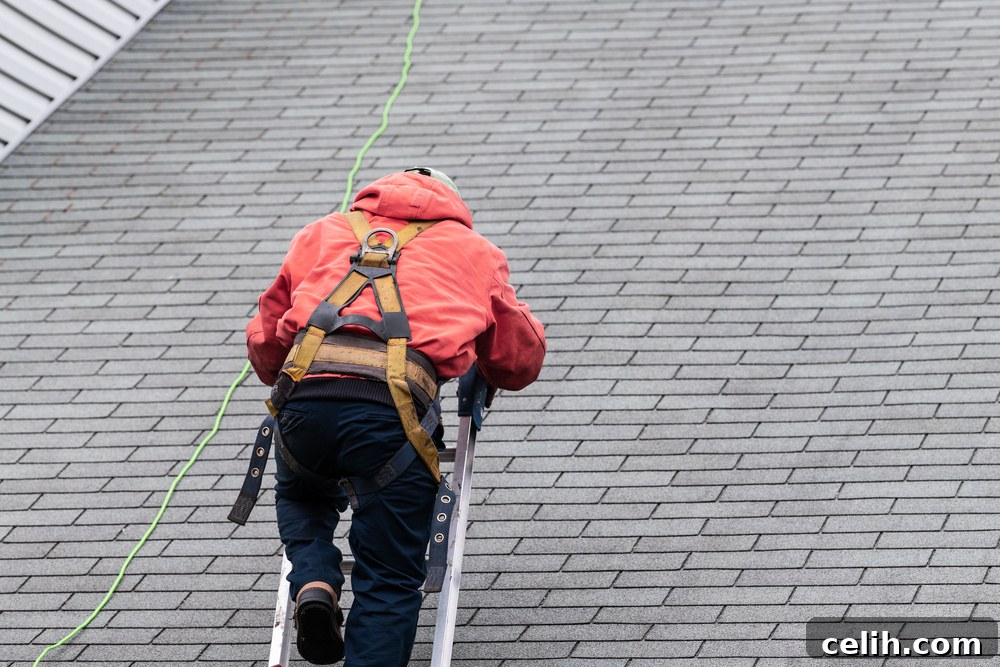
After the foundation, your roof serves as the most critical protective barrier for your home, safeguarding it from the harsh elements of wind, rain, snow, and heat. Despite its robust appearance, the roof is constantly exposed to environmental stressors, making it one of the most vulnerable parts of your home and demanding regular attention. Standard asphalt shingle roofs are typically designed to last over 30 years, but their lifespan can be shortened by severe weather, poor installation, or a lack of maintenance.
Key indicators of roof damage include torn, curling, or missing shingles, which compromise the roof’s waterproofing capabilities. Inside your home, look for water stains on ceilings or walls, especially at wall intersections, or any signs of leaks or moisture in the attic space. A sagging roofline can also indicate structural issues. Ignoring these signs can lead to extensive water damage within your home, mold growth, compromised insulation, and even structural deterioration.
Repairing a damaged roof can range from a few hundred dollars for minor fixes to around $700 for more significant localized repairs. However, if the damage is widespread, a full roof replacement can cost upwards of $6,000, and often much more depending on the size and materials. Beyond the financial strain, replacing a roof is a disruptive process, potentially requiring temporary relocation for your family. Regular professional inspections, cleaning gutters, and promptly addressing minor issues like loose shingles can significantly extend your roof’s life and help you avoid these major inconveniences and costs.
4. Water Damage Home Repairs: A Costly and Common Threat
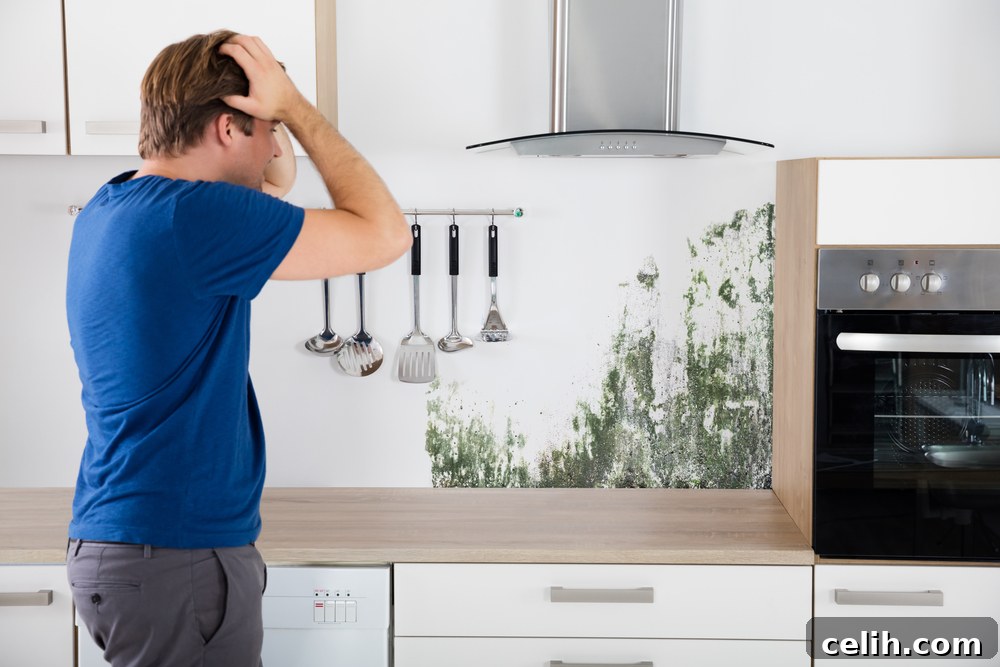
Water damage is among the most prevalent and expensive issues homeowners face, yet it is often highly preventable. If allowed to persist, even small water leaks can inflict extensive harm, leading to damaged drywall, rapid mold growth, and eventually weakening critical structural elements like joists and beams. The insidious nature of water means it can penetrate hidden areas, causing silent destruction before visible signs emerge.
Sources of water damage are varied, ranging from burst pipes, blocked drains, and malfunctioning fixtures like leaky basins or bathtubs, to external issues like roof leaks or foundation cracks. Beyond visible puddles or damaged flooring, watch for subtle signs such as bubbling or peeling wallpaper, water stains or discoloration on walls and wooden furniture, unusual plumbing sounds (like dripping behind walls), and an inexplicable spike in your water utility bills. Hardwood floors that appear uneven or warped can also signal underlying moisture problems.
Furthermore, regularly inspect exposed pipes for leaks, calcium buildup, or mold growth. Excessive moisture and damp areas, particularly around windows and doors, are breeding grounds for mold, especially during colder months. Once you detect any sign of water intrusion, immediate action is paramount to prevent it from escalating into a major problem that could cost $5,000 or more for remediation and repairs.
Proactive steps to prevent water damage include avoiding pouring oils or grease down kitchen sinks, periodically checking drain pipes for leaks, promptly repairing damaged exterior siding, and ensuring proper grading around your foundation to direct water away from your home. For homes in areas prone to basement flooding, installing a sump pump is highly recommended. Sump pumps actively sense rising water levels in basements or crawl spaces and automatically pump the water away through a discharge pipe, effectively preventing widespread flooding and the devastating damage it causes.
5. Termite Infestation: The Silent Destroyers
Termites are often referred to as “silent destroyers” because they can cause extensive damage to wooden structures in your home without immediate visible signs. These wood-infesting pests thrive in hidden areas, relentlessly consuming wood and compromising the structural integrity of floors, walls, and furniture. If a termite infestation goes undetected and untreated, the cost to mitigate the problem and repair the damage can average around $3,000, and often significantly more for severe cases.
Recognizing the common signs of termite activity is critical for early intervention. Look for the presence of discarded wings, particularly near windows and doors, often an indication of a recent swarm. Mud tubes forming along your home’s foundation or in crawl spaces are clear evidence of subterranean termites, as they use these tubes for protection and moisture as they travel between their nest and your home. A distinct musty odor, crumbling wood, or wood that sounds hollow when tapped can also signal termite activity.
While some signs are visible, detecting a termite infestation often requires a trained eye, which is why it is essential to call in professional pest control experts for regular inspections and treatment if necessary. However, homeowners can take several preventive measures to deter termites. Eliminate sources of moisture accumulation near your foundation, repair any water leaks from pipes, drains, or HVAC units to reduce attractive damp conditions. Ensure proper ventilation in crawl spaces and basements, and install vapor barriers to control humidity. Crucially, avoid storing firewood or any wood debris directly against your house or within crawl spaces, as this provides a direct bridge and food source for termites.
6. Faulty Electrical Wires: A Hidden Fire Hazard
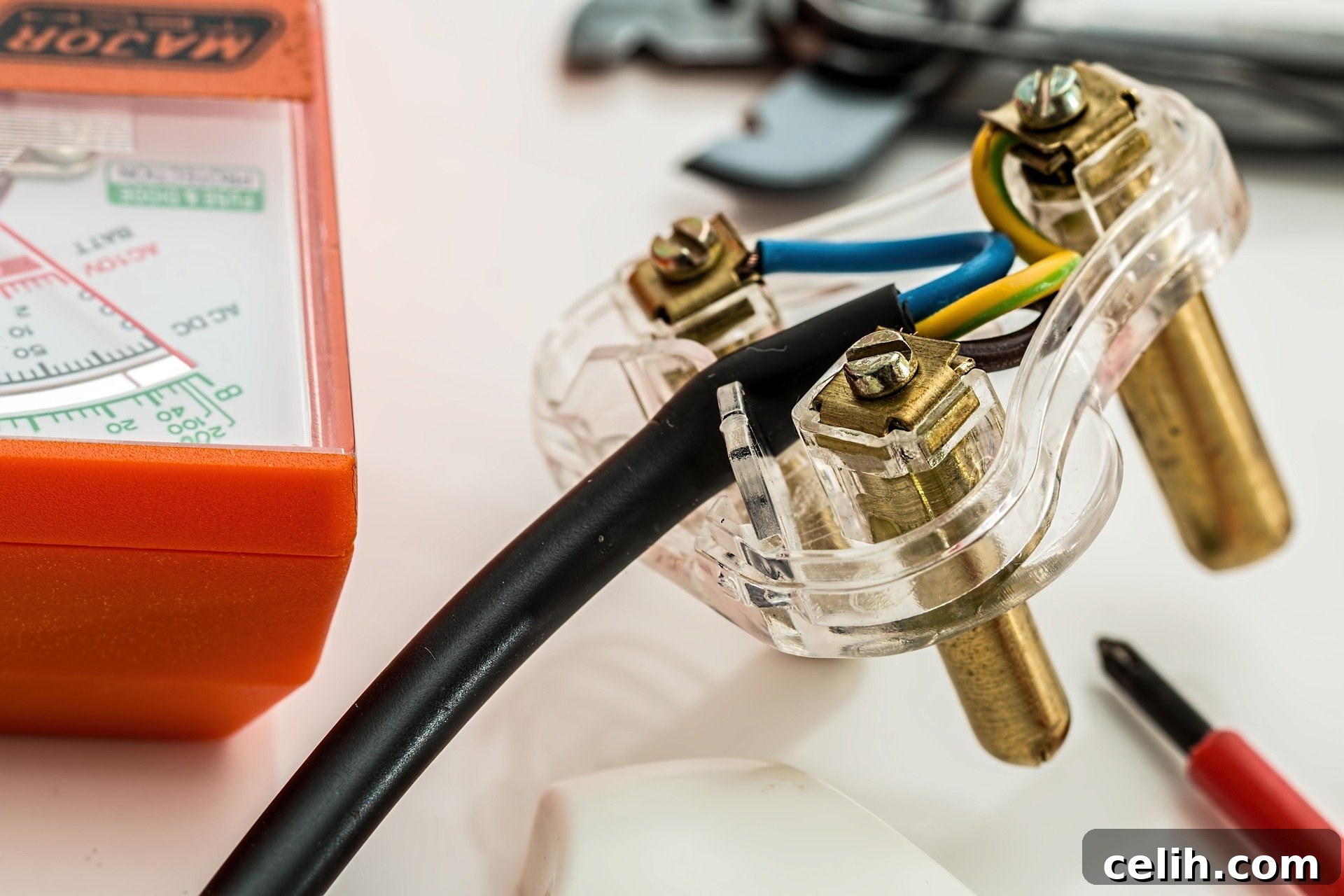
Faulty electrical wiring represents one of the most dangerous and potentially catastrophic issues a homeowner can face. Left unaddressed, it can lead to devastating house fires, making it a leading cause of residential fire incidents. Many of these fires are entirely preventable with proper vigilance and timely professional intervention. While the electrical system is largely concealed within your walls, there are clear warning signs that homeowners can learn to recognize, although professional assessment is always recommended.
Regular professional electrical inspections, especially for older properties or homes that have undergone renovations, are crucial. However, you can also spot signs of faulty and dangerous old wiring yourself. Frequent tripping of circuit breakers, even without apparent overload, is a red flag. Experiencing minor shocks when touching appliances or light fixtures, or noticing a persistent burning smell (often described as plastic or sulfur) emanating from outlets or walls, are serious indicators. Sparks when plugging in or unplugging devices, flickering lights, or outlets that feel warm to the touch should also trigger immediate concern.
Given the inherent dangers of electricity, attempting to inspect or repair internal electrical wiring yourself is extremely unsafe and should never be undertaken by homeowners. If you observe any of these warning signs, your immediate action should be to contact a licensed and qualified electrician. They possess the expertise and specialized tools to safely diagnose and repair electrical issues, ensuring the safety of your home and its occupants.
7. Electrical Gadget Issues: Small Problems, Big Risks
Beyond the major wiring, the myriad of electrical gadgets and appliances in our homes also require attention. Whether it’s a minor issue like a tea kettle failing to turn on, a broken oven timer, or a more complex problem with your refrigerator, oven, or washing machine, ignoring these malfunctions can lead to greater hazards and unnecessary replacement costs. It’s not just about the convenience; it’s about safety and efficiency.
Do not continue to use faulty gadgets or attempt makeshift repairs. Even seemingly minor issues can indicate underlying electrical problems that pose risks of electrical shock or fire. For complex and essential appliances, professional services such as Best Solutions Appliance Repair can accurately diagnose and fix issues, preventing them from escalating into more expensive breakdowns or complete appliance failures. Investing in timely repairs is often more cost-effective and environmentally friendly than opting for premature replacement.
Ensure all your electrical devices are in proper working order. While some smaller items might not be expensive to replace, using unrepaired faulty gadgets can harm you, those around you, and ultimately create an unsafe environment in your home. Prioritize the repair of electrical gadgets immediately upon noticing any malfunction. Simple prevention tips include using surge protectors for sensitive electronics, cleaning appliances regularly, and ensuring cords are not frayed or damaged.
8. Septic System Home Repairs: Essential Waste Management
For homes not connected to a municipal sewer system, a properly functioning septic system is an indispensable component for managing household waste. This system efficiently transfers solid and liquid waste from your home’s sewer lines to a buried septic tank, where solids settle, and liquids are dispersed into a drain field. The solids in the septic tank require professional pumping every 3 to 6 years, with the frequency depending on the tank’s capacity and the household’s usage.
A damaged or neglected septic system can quickly become a messy, unsanitary, and extremely costly problem, both inside and outside your home. Clear indicators of septic system failure include toilets that won’t flush properly, drains that are noticeably slow, and foul odors emanating from your yard, particularly near the septic tank or drain field. You might also observe standing water or unusually lush, green patches of grass over the drain field, signaling that effluent is rising to the surface.
The only reliable way to prevent catastrophic septic system failure is through diligent, professional maintenance. Schedule inspections and pumping every three years or as recommended by a professional, based on your system’s specifics. Additionally, homeowners can contribute to septic health by avoiding flushing non-biodegradable items (like wet wipes, paper towels, and harsh chemicals), conserving water to reduce strain on the system, directing rainwater runoff away from the drain field, and ensuring no heavy vehicles or structures are placed over the septic area, which can damage pipes and tanks.
Final Thoughts: Cultivating a Proactive Home Maintenance Mindset
Embracing homeownership is a rewarding journey, but it comes with a vital responsibility to protect your investment. Just like a cherished pet or a valuable car, your home requires consistent care and attention. By adopting a proactive approach to home maintenance, you can tackle small issues such as minor cracks, worn wiring, leaky pipes, or malfunctioning gadgets before they metastasize into significant, bank-breaking repairs. Learning to recognize the tell-tale signs of your house “crying out for help” is an invaluable skill for any homeowner.
A wise strategy is to allocate a separate budget for routine home maintenance and potential minor repairs, ensuring you don’t have to dip into your emergency savings for preventable issues. Remember, consistent vigilance and preventative actions are always superior and more cost-effective than reactive, expensive emergency repairs. Regularly inspecting your property, understanding the common vulnerabilities, and investing in professional assessments for critical systems will not only save you thousands of dollars but also significantly enhance your home’s safety, comfort, and long-term value. Make routine home maintenance a habit, and enjoy the lasting peace of mind that comes with a well-cared-for home.
Featured image credit: Photo by Megan Andrews on Unsplash