
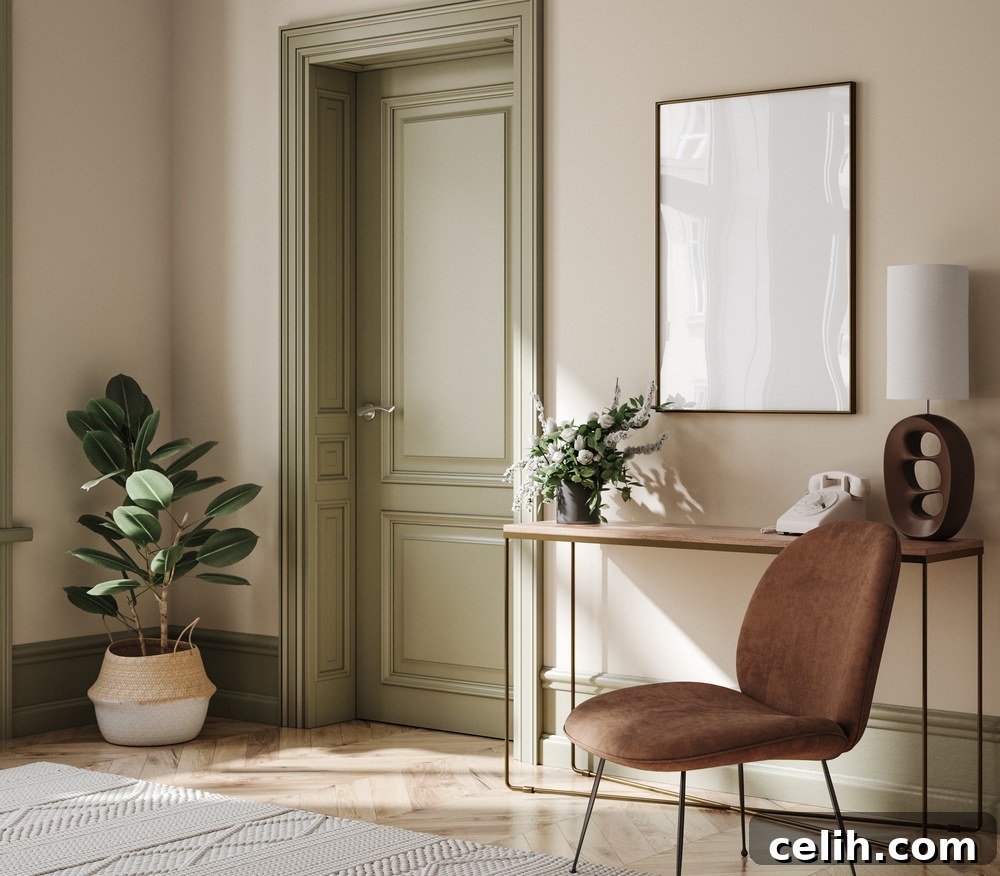
The interior paint of your home is far more than just a decorative layer; it’s a powerful tool that defines the very essence, mood, and perceived spaciousness of your living environment. A carefully chosen color palette can transform a compact room into an airy, expansive sanctuary or imbue a vast area with cozy intimacy. However, even the highest quality interior paint isn’t immune to the relentless march of time and daily wear. Eventually, a fresh coat becomes necessary – not just to rejuvenate the aesthetics but also to protect your walls and elevate the overall quality and ambiance of your home. Recognizing the opportune moment for this transformative update is key to maintaining a beautiful and inviting space.
Embarking on an interior repainting project can seem daunting, whether you opt for a hands-on DIY approach or entrust the task to seasoned professional painters. Professional expertise can seamlessly translate your vision into reality, ensuring a flawless finish and lasting durability. Regardless of your chosen path, being attuned to the subtle (and sometimes not-so-subtle) indicators that your home is craving a fresh coat of paint will empower you to make timely decisions. To guide you through this process, we’ve compiled a list of definitive signs that signal it’s time to refresh your home’s interior paint.
1. Your Walls Show Clear Signs of Peeling, Cracking, or Flaking
Among the most unequivocal indicators that your interior walls require attention is the appearance of peeling, cracking, or flaking paint. This isn’t merely a cosmetic flaw; it’s a clear signal that the paint’s adhesion to the wall surface has been compromised. Peeling often begins as a small crack or blister that gradually expands, detaching larger sections of paint from the substrate. This natural reaction is commonly attributed to a combination of factors, including regular wear and tear, moisture intrusion, inadequate surface preparation before the previous paint job, or even applying paint too thickly.
While peeling paint may not immediately cause structural damage to your walls, it certainly detracts from your home’s aesthetic appeal, making a space look neglected and unkempt. Ignoring these early signs can lead to more extensive damage over time, as the exposed wall material becomes vulnerable to moisture and further deterioration. Addressing peeling paint promptly involves thorough scraping, sanding, and proper priming before applying new coats. This essential preparation ensures that your fresh paint adheres correctly and provides a long-lasting, smooth finish. When you observe your paint starting to peel, consider it a critical call to action to repaint and restore the integrity and beauty of your walls.
2. Noticeable Fading and Discoloration Diminish Your Walls’ Vibrancy
Just as textiles fade when exposed to prolonged sunlight, interior paint, especially in rooms with ample natural light, can suffer from noticeable fading and discoloration over time. This phenomenon occurs as ultraviolet (UV) rays break down the pigments in the paint, leading to a dull, washed-out appearance. Darker paint colors often show fading more prominently, as their initial depth and vibrancy make the loss of color more apparent compared to lighter hues. While high exposure to direct sunlight is a primary culprit, using lower-quality paints with less durable pigments can also accelerate this process.
Fading might initially seem like a minor issue, something easily overlooked in the hustle of daily life. However, discolored walls can significantly impact a room’s overall vibe, making it feel tired, outdated, or less inviting. The uneven appearance created by areas that have faded more than others can disrupt the harmony of your interior design. A fresh coat of paint instantly rejuvenates your space, restoring its original vibrance and brilliance. Opting for high-quality, fade-resistant paints or considering lighter, UV-stable colors in sun-drenched rooms can also extend the life and beauty of your new paint job, ensuring your home looks cleaner, brighter, and more appealing for years to come.
3. You Desire to Update Your Interior’s Theme and Aesthetic
Beyond wear and tear, one of the most exciting and personal reasons to repaint your home’s interior is to dramatically transform its theme and aesthetic. The color of your walls is a foundational element of interior design, wielding immense power over how a room looks and feels. For instance, a palette of crisp white or soft pastels can imbue a space with a bright, airy, and expansive quality, perfect for minimalist or Scandinavian designs. Conversely, rich jewel tones like emerald green, deep navy blue, or sophisticated maroon can evoke a sense of luxury, drama, and coziness, ideal for creating a regal or opulent atmosphere.
Perhaps your personal style has evolved, or current design trends have inspired you to create a fresh, contemporary look. Repainting is a remarkably effective and budget-friendly way to achieve a significant home makeover without undertaking extensive renovations. It allows you to redefine the ambiance of each room, align your living spaces with your current tastes, and even complement new furniture or decor. This simple yet impactful change can refresh your home’s interior on a budget, often making a greater visual impact than new decorations or furniture alone. Embrace the power of color to express your individuality and cultivate the perfect environment for your lifestyle.
4. Your Walls Are Marred by Excessive Scuff Marks and Stains
In the bustling life of any home, walls inevitably become canvases for various marks and blemishes. Scuff marks, often caused by furniture rubbing against the wall, shoes, or children’s toys, are particularly common in high-traffic areas like hallways, entryways, and kids’ rooms. Beyond scuffs, everyday living can leave behind an array of stains – from cooking splatters in the kitchen and accidental drink spills to artistic endeavors by little ones or persistent smudges from pet interactions. While some superficial marks might respond to vigorous cleaning, deep scuff marks and stubborn stains often penetrate the paint layers, making them impossible to remove without damaging the existing finish.
These accumulated imperfections, while sometimes easy to overlook individually, collectively contribute to a messy and unappealing environment. They can make your home feel less inviting, less clean, and even older than it is. Constantly trying to clean these indelible marks can be tiring and ultimately fruitless, often leading to uneven patches or faded areas on the wall. When your walls have become a mosaic of scuffs and stains, repainting offers the most effective solution. A fresh coat not only erases these unsightly blemishes but also restores a uniform, pristine appearance to your living spaces, immediately enhancing the cleanliness and visual harmony of your home. Consider using durable, washable paints in the future for easier maintenance in busy areas.
5. Paint Bubbles (Blistering) Are Affecting Your Walls
Paint bubbles, also known as blistering, are a frustrating and unsightly problem that indicates an underlying issue with the paint application or the wall itself. These raised pockets typically form when there’s a loss of adhesion between the paint film and the surface it’s applied to. Common causes include moisture trapped beneath the paint (perhaps from a leak, high humidity, or insufficient drying time after cleaning), heat exposure, applying a new coat over a dirty or greasy surface, or using an incompatible primer or paint. The temptation to pop these bubbles to flatten them is strong, but doing so often results in wrinkles, chips, and further peeling, exacerbating the problem rather than solving it.
Blistering paint isn’t just a cosmetic defect; it’s a sign that the protective barrier of your paint is compromised, potentially exposing the wall material to further damage. When you observe paint bubbles on your walls, it’s crucial to address the root cause, particularly if moisture is involved, to prevent future recurrence. The most effective remedy is to carefully scrape away the blistered areas, prepare the surface meticulously (ensuring it’s clean, dry, and properly primed), and then repaint. For a flawless and durable outcome that addresses the underlying issues, hiring a licensed and experienced painter is highly recommended. Professionals can accurately diagnose the cause of blistering and ensure proper preparation and application techniques for a long-lasting, smooth finish.
6. You Are Preparing Your Home for Sale
Selling a home is a competitive endeavor, and first impressions are paramount. Even if your property boasts an ideal location, generous lot size, or desirable architectural features, prospective buyers are often swayed by the immediate feel and readiness of the interior. Many buyers prefer a home they can move into quickly without the added expense and inconvenience of immediate repairs or renovations, including repainting. A dated, dull, or blemished interior can create an immediate negative impression, signaling to buyers that the home may require significant work and added costs post-purchase, which can deter potential offers or lead to lower bids.
To attract a wider pool of buyers and sell your house faster and potentially for a higher price, a fresh coat of paint is one of the most cost-effective and impactful updates you can make. It instantly brightens and modernizes rooms, making them feel cleaner, more spacious, and well-maintained. When selecting colors for selling, it’s generally advisable to choose neutral palettes, such as soft grays, warm whites, or subtle beiges. These universally appealing hues allow prospective buyers to easily envision their own furniture and decor in the space, fostering a sense of personalization rather than being distracted by bold or specific color choices that cater to a limited audience. Investing in a professional repaint before listing your home can offer a significant return on investment by enhancing its market appeal.
7. You Are Moving Into a New Home or Experiencing a Lifestyle Change
The act of moving into a new home, whether it’s your first or simply a new chapter, presents an unparalleled opportunity for a fresh start. If the previous occupants neglected the walls or if their color choices don’t align with your personal aesthetic, giving the interior a complete repaint can truly make the space your own. This isn’t just about covering up imperfections; it’s about imprinting your identity onto your new environment, creating a sense of belonging and comfort from day one. A fresh coat of paint can magically transform a house into a home, making it feel brand new and tailored specifically to your tastes, as if you’re the very first person to inhabit it.
Beyond moving, significant lifestyle changes also serve as ideal moments for an interior refresh. Welcoming a new baby often prompts parents to create calming nurseries or vibrant playrooms. Children growing older might desire updated spaces that reflect their evolving personalities. A shift to working from home might necessitate transforming a spare bedroom into a productive, inspiring office environment. Even a simple desire for a change in personal style or a need to brighten up a perpetually dim room can be enough motivation. Repainting allows you to adapt your home to your current needs and desires, creating a functional, aesthetically pleasing, and deeply personal sanctuary that supports your new life stage and enhances your daily well-being.
Takeaway: The Enduring Value of Timely Interior Repainting
Understanding when to repaint your interior walls is crucial for maintaining your home’s beauty, value, and structural integrity. From obvious signs like peeling and fading to personal decisions like updating your style or preparing for a sale, each indicator signals an opportunity for revitalization. Taking timely action not only restores a fresh, vibrant look but also protects your walls from further damage and can significantly extend the lifespan of your paint job.
Whether you choose to tackle the project yourself or hire skilled professionals, remember the importance of proper surface preparation and selecting quality materials. Ensuring your walls are clean, dry, and well-primed before applying paint is the secret to a long-lasting, impeccable finish. While repainting might seem like an added task, the transformative results – a cleaner, more appealing, and personalized living space that you can enjoy for years to come – are undoubtedly worth the effort and investment. Embrace these signs as opportunities to enhance your home and create an environment that truly reflects your best self.