
In an era grappling with an unprecedented global energy crisis, largely fueled by our unsustainable dependence on finite fossil fuels like oil and gas, there’s a more pressing need than ever for consumers to actively seek innovative ways to mitigate rising living costs for themselves and their families. Simultaneously, the urgency to address climate change and reduce our collective environmental footprint has reached a critical juncture. One of the most impactful and practical solutions emerging from this dual challenge is the widespread adoption of eco-friendly building materials. Embracing sustainable construction isn’t just a fleeting trend; it’s a fundamental shift towards resilience, efficiency, and responsible resource management that promises significant returns.
Whether you’re undertaking minor home improvements, embarking on a major renovation, or planning a large-scale construction project, integrating sustainable materials can unlock substantial financial savings in both the short and long term. Beyond the economic incentives, green building practices contribute significantly to a healthier living environment, enhance structural durability, and play a crucial role in safeguarding our planet for future generations. This comprehensive guide delves into the best eco-friendly building materials available today, highlighting their unique benefits and why they are becoming the cornerstone of modern, responsible construction.
The Undeniable Benefits of Sustainable Building Materials
Before exploring individual materials, it’s essential to understand the overarching advantages that make eco-friendly construction an intelligent investment for everyone involved, from homeowners to developers:
- Economic Savings: Perhaps the most immediate benefit for many is the potential for significant cost reductions. Sustainable materials often lead to highly energy-efficient buildings, dramatically lowering utility bills over the structure’s lifespan. Reduced maintenance and increased durability also translate to fewer repair costs.
- Environmental Protection: Green building minimizes the environmental impact of construction by reducing waste, conserving natural resources, decreasing carbon emissions, and lessening pollution. Many materials are sourced from renewable resources, incorporate recycled content, or are designed for end-of-life recyclability.
- Improved Indoor Air Quality and Health: Traditional building materials can release volatile organic compounds (VOCs) and other toxins into the air. Eco-friendly alternatives are often non-toxic, natural, and promote better air circulation, leading to healthier indoor environments for occupants and improved well-being.
- Enhanced Durability and Resilience: Sustainable materials are frequently chosen for their inherent strength, longevity, and resistance to environmental stressors like pests, moisture, and extreme weather. This results in buildings that last longer, require less frequent replacement, and offer greater resilience in a changing climate.
- Increased Property Value: Homes and commercial buildings constructed with green materials often command higher market values. Buyers are increasingly seeking properties that offer lower operating costs, improved comfort, and a smaller environmental footprint.
- Resource Efficiency: Sustainable materials either require less energy to produce, are made from rapidly renewable resources, or utilize waste products, thereby reducing the strain on virgin raw materials and promoting a circular economy.
Top Eco-Friendly Building Materials for Modern Construction
Bamboo
Often overlooked in traditional Western construction, bamboo has rapidly gained prominence as an exceptionally versatile and sustainable building material. Far more common globally than many realize, this fast-growing grass offers remarkable characteristics that challenge conventional timber. Unlike trees that can take decades or even centuries to mature, bamboo can be harvested in just 3-5 years without harming the parent plant, allowing for continuous regrowth and rapid reforestation. Its impressive tensile strength, often comparable to or even exceeding that of steel, makes it an excellent choice for structural elements, flooring, wall panels, and even scaffolding. Beyond its strength, bamboo is lightweight, flexible, and naturally resistant to pests when properly treated. Its natural aesthetic appeals to contemporary design, offering a unique blend of elegance and organic warmth. The primary reason for its less widespread adoption, it seems, is merely a matter of breaking away from traditional, deeply ingrained building practices rather than any inherent limitation of the material itself. With modern processing techniques, bamboo products like engineered bamboo flooring and lumber offer superior stability and performance.
Natural Insulation Boards
Effective insulation is paramount for reducing a home’s energy consumption, preventing heat loss in colder months, and maintaining coolness during heatwaves. While many conventional insulation panels rely on plastic or other synthetic materials, a growing array of natural insulation boards offers equally, if not more, effective and environmentally friendly alternatives. Materials such as sheep’s wool, straw bales, hempcrete, cellulose (often from recycled paper), and cork provide excellent thermal performance. These sustainable options boast numerous advantages: they are typically renewable, biodegradable, non-toxic, and often possess superior breathability, which helps regulate indoor humidity and improves air quality. Natural insulation can also offer excellent sound dampening properties, contributing to a quieter indoor environment. They are generally easier to handle and install, often requiring less protective gear, and are simpler to maintain or replace at the end of their lifecycle. Investing in insulation derived from nature is not just good for your energy bills; it’s a profound commitment to the planet.
Recycled Steel
Steel remains an indispensable material for maintaining the structural integrity of modern buildings, renowned for its unparalleled strength, ductility, and resistance. What elevates steel into the realm of eco-friendly materials is its incredible recyclability – it is, in fact, the world’s most recycled material. The process of recycling steel is remarkably efficient, saving an impressive 75% of the energy required to produce it from virgin raw materials. This significantly reduces carbon emissions, conserves natural resources, and lessens the demand for mining. When steel is recycled, it retains all its original properties, meaning there is no degradation in quality or performance. This makes recycled steel an ideal choice for a vast range of construction applications, from foundational rebar and structural frameworks to roofing and siding. By opting for recycled steel in your construction project, you contribute directly to a circular economy, minimizing waste and maximizing resource efficiency without compromising on safety or durability.
Glass
Often perceived merely for its aesthetic appeal and transparency, glass is a surprisingly eco-friendly material derived from abundant natural resources like sand, soda ash, and limestone. While its fragile appearance might suggest otherwise, modern glass technology has yielded products with superior strength and remarkable durability when properly engineered, making it a cornerstone of contemporary architecture. Its primary ecological advantage lies in its ability to be endlessly recycled without any loss of quality or purity, significantly reducing the demand for new raw materials and cutting energy consumption in manufacturing. Furthermore, glass offers exceptional thermal performance, particularly with advancements like double and triple glazing, low-emissivity (Low-E) coatings, and inert gas fills (argon or krypton). These innovations transform windows into highly effective insulators, dramatically reducing heat transfer and contributing to significant energy savings for both heating and cooling. By maximizing natural daylight, glass also reduces the need for artificial lighting, enhancing occupant comfort and well-being. Its versatility extends beyond windows to structural glass, facades, and interior elements, making it a critical component in sustainable design.
Wood
Wood has been humanity’s most fundamental building material for millennia, cherished for its inherent strength, impressive durability, and natural insulation properties. While we’ve highlighted the distinct advantages of bamboo, traditional wood sourced from sustainably managed forests remains an excellent eco-friendly choice. The key to its sustainability lies in responsible forestry practices, certified by organizations like the Forest Stewardship Council (FSC) or the Programme for the Endorsement of Forest Certification (PEFC), which ensure that timber is harvested responsibly and balanced with adequate reforestation. Wood’s most significant environmental benefit is its ability to sequester carbon dioxide from the atmosphere, effectively locking it away for the lifetime of the building. This makes timber construction a powerful tool in mitigating climate change. Beyond new wood, reclaimed timber (salvaged from old structures) and engineered wood products (such as Cross-Laminated Timber or Glued Laminated Timber) offer further sustainable avenues, optimizing resource use and providing robust, predictable performance. Wood also provides a warm, natural aesthetic, excellent thermal mass, and can be recycled or biodegraded at the end of its long service life, completing a virtuous cycle.
Concrete
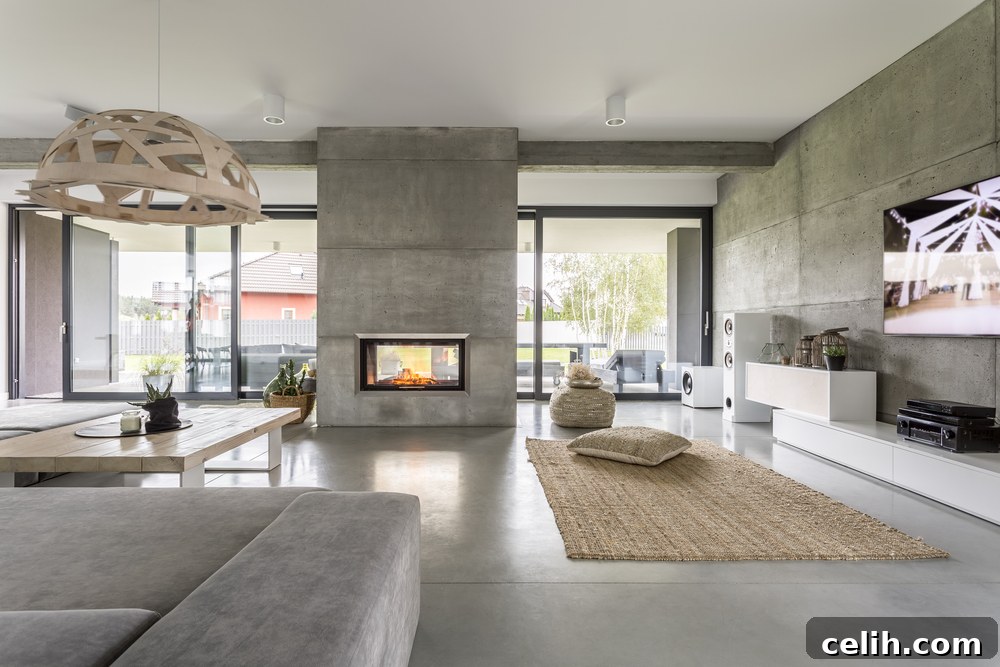
Often considered the ‘bread and butter’ of construction, concrete, in conjunction with cement, forms the backbone of countless structures worldwide. Its unparalleled durability, compressive strength, and fire resistance have made it a go-to material for centuries. While the production of cement, a key component of concrete, has a significant carbon footprint, modern innovations are increasingly transforming concrete into a more sustainable material. One major advantage is its recyclability; old concrete can be crushed and used as recycled concrete aggregate (RCA) for new concrete mixes or as base material for roads, reducing landfill waste. Furthermore, advancements include the incorporation of industrial by-products like fly ash and blast furnace slag, which can replace a portion of the cement, thereby reducing embodied carbon emissions. Concrete’s high thermal mass allows it to absorb and store heat, contributing to passive heating and cooling strategies that reduce energy consumption. Its remarkable longevity and low maintenance requirements also contribute to its sustainability profile, as structures built with concrete stand the test of time, needing less frequent repairs or replacement. Even its ‘weathered’ appearance over time is often considered a desirable part of its character, enhancing its authentic aesthetic.
Recycled Plastic
While plastic has often been stigmatized as the poster child for unsustainable, anti-ecological materials due to its persistence in the environment, its inherent durability and ubiquitous presence in our waste streams present a unique opportunity for circular economy solutions. Instead of creating more virgin plastic, leveraging the vast quantities of plastic waste we already have is an incredibly effective approach. This is where recycled plastic shines as an eco-friendly building material. Thanks to its incredibly durable, water-resistant, and rot-proof nature, recycled plastic can be transformed into a variety of valuable construction products. Applications include plastic lumber for decking, fencing, and playground equipment; roofing tiles; insulation; drainage pipes; and even composite materials used in structural components. By diverting plastic waste from landfills and oceans, recycled plastic in construction significantly reduces pollution and conserves natural resources. It offers a lightweight, low-maintenance, and long-lasting alternative to traditional materials, proving that what was once considered waste can be ingeniously repurposed into resilient and environmentally beneficial building solutions.
Final Thoughts on Sustainable Construction
Embracing eco-friendly building materials is a powerful step towards creating more sustainable, energy-efficient, and healthier living and working environments. The options discussed above represent just a fraction of the innovative materials available, each offering unique benefits to builders, homeowners, and the planet. As you embark on your building projects with these sustainable choices, remember that responsible waste management is an equally critical component of green construction. For any scraps, off-cuts, or general waste left behind, consider utilizing professional skip hire services. Reputable waste management companies often boast impressive recycling rates, typically diverting between 90% and 100% of the waste they receive from landfills. This approach is significantly more eco-friendly than simply disposing of waste at a local tip, as it ensures materials are properly sorted, processed, and given a new life wherever possible.
Ultimately, creating an eco-paradise and achieving truly sustainable living extends beyond material selection to include efficient design, renewable energy integration, and mindful consumption. However, by consciously choosing eco-friendly building materials, you lay a robust foundation for a greener future. Regardless of your environmental mindfulness level, this guide hopefully illustrates the profound, universal benefits awaiting anyone who chooses to embrace sustainable building practices for a better home and a better world.