
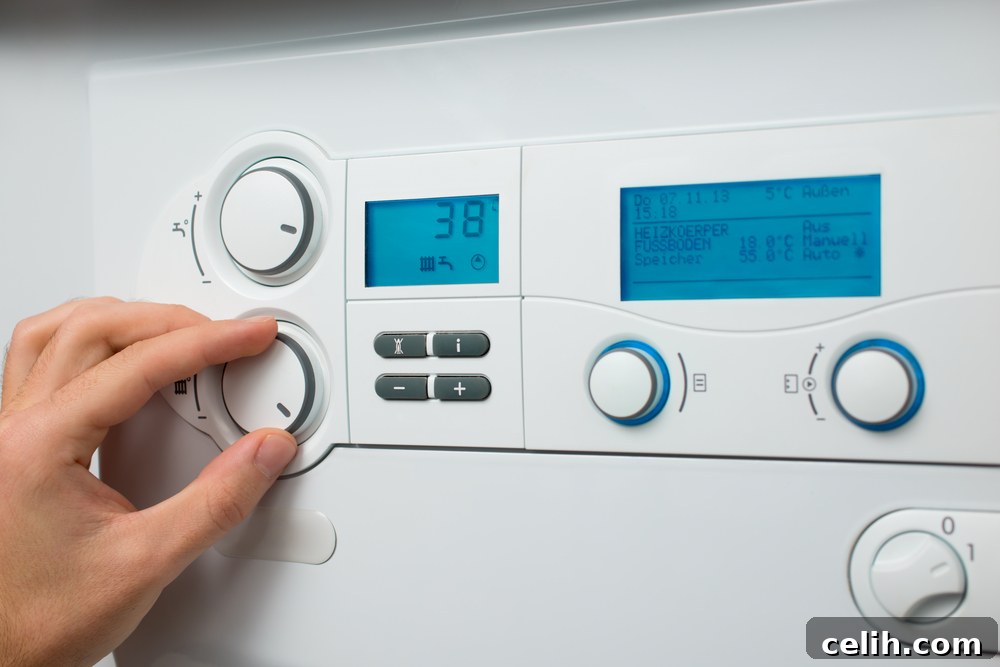
The landscape of home heating in the UK is undergoing a significant transformation, driven by ambitious environmental targets and a global push towards sustainability. The government has clearly signalled the phasing out of traditional gas boilers, making way for greener, more efficient alternatives. With a pioneering gas boiler ban set to commence for new build properties from 2025, the UK aims to accelerate its journey towards achieving net-zero carbon emissions by 2050. This pivotal shift encourages homeowners nationwide to consider their heating choices and proactively explore sustainable solutions. Understanding the implications of this ban and the array of eco-friendly heating options available is crucial for future-proofing your home and contributing to a healthier planet.
Why the UK Gas Boiler Ban is Crucial for a Sustainable Future
The urgency for a gas boiler ban stems directly from the UK’s commitment to combat climate change. Historically, the nation has heavily relied on fossil fuels – primarily natural gas – for the vast majority of its domestic heating needs, alongside transport and electricity generation. This reliance contributes significantly to greenhouse gas emissions, particularly carbon dioxide (CO2), which is a major driver of global warming. The 2050 net-zero target is not merely an aspiration but a legal requirement, enshrined in law, mandating a drastic reduction in carbon output across all sectors, with domestic heating being a prime candidate for decarbonisation.
By transitioning away from gas and oil-fired boilers, the UK can make substantial progress in reducing its collective carbon footprint. Embracing alternatives such as electric heating systems, including modern storage heaters and highly efficient heat pumps, directly supports the nation’s sustainability goals. This move aligns with broader efforts to electrify energy demand, which, when coupled with a rapidly decarbonising electricity grid powered by renewables like wind and solar, promises a truly low-carbon future for home heating. The ban serves as a catalyst, propelling innovation and widespread adoption of technologies that will ensure warmer homes with a cleaner conscience.
The UK Gas Boiler Ban: Key Implications for Homeowners
As per current governmental plans, the UK gas boiler ban will initially apply to all new build properties from 2025. This strategic starting point allows for the seamless integration of low-carbon heating systems into new homes from their conception, avoiding retrofit complexities and costs. Considering the approximately 160,000 new homes constructed annually in the UK, this policy will have a profound and cumulative impact on the nation’s greenhouse gas emissions over the coming decades. While there are no immediate plans for a blanket ban on gas boilers in existing homes, the direction of travel is clear: homeowners are strongly encouraged to consider greener alternatives when their current boiler reaches the end of its life.
The government’s approach for existing properties focuses on support and incentives rather than mandatory replacements. A cornerstone of this strategy is the provision of grants and financial schemes designed to reduce the upfront cost barrier of switching to renewable heating solutions. The Boiler Upgrade Scheme (BUS), for instance, offers substantial grants towards the installation of air source heat pumps, ground source heat pumps, and biomass boilers. This scheme succeeded the earlier Renewable Heat Incentive (RHI), demonstrating a continuous commitment to assisting homeowners in making sustainable choices. Beyond individual homes, the government also supports initiatives like Heat Networks (also known as district heating), which supply heat from a central source (often low-carbon) to multiple buildings through underground pipes, providing an efficient and environmentally friendly heating solution for urban areas. These financial incentives are critical in making advanced heating technologies accessible and appealing to a wider segment of the population, thereby accelerating the nationwide transition to a low-carbon heating infrastructure.
Exploring Eco-Friendly Alternatives to Traditional Gas Boilers
With the inevitable shift away from fossil fuel heating, homeowners have an increasing array of innovative and sustainable options to consider. Investing in these greener technologies not only contributes to reducing national carbon emissions but can also lead to significant long-term savings on energy bills and even add tangible value to your property. Buyers are increasingly seeking eco-conscious homes, making a renewable heating system a desirable asset. The primary alternatives typically fall into categories such as electric heating (including various types of heaters and heat pumps), biomass boilers, and sophisticated solar power systems.

Electric Heating Solutions: Heaters and Heat Pumps
Electric heating encompasses a broad spectrum of products, from simple plug-in devices to integrated whole-house systems. These solutions generate heat directly using electricity. Common types of electric heaters include fan heaters, electric fires, panel heaters, and modern electric storage heaters, which are designed to absorb electricity during off-peak hours (when tariffs are lower) and release heat throughout the day. Electric boilers also fall into this category, providing hot water and heating similarly to gas boilers but using electricity. Direct electric underfloor heating systems offer invisible warmth and comfort. While electric heaters offer 100% efficiency at the point of use (all electricity consumed is converted into heat), their running costs can be higher than gas if electricity prices are high and the electricity grid is not fully decarbonised. However, they are zero-emission at the point of use, making them a cleaner choice for indoor air quality and contributing to lower carbon emissions if powered by renewable electricity sources.
Heat pumps, on the other hand, operate on a fundamentally different and far more energy-efficient principle. Instead of generating heat, they ingeniously move existing heat from one place to another. They extract latent heat from the external environment (either the air or the ground) and transfer it into your home’s heating and hot water systems. Air source heat pumps draw heat from the ambient air, even in cold temperatures, while ground source heat pumps extract heat from pipes buried underground. Both systems use a refrigerant cycle, similar to a refrigerator operating in reverse, to concentrate this low-grade heat to a higher temperature suitable for heating your home and water. Heat pumps are exceptionally efficient, typically converting one unit of electricity into three or four units of heat, giving them a Coefficient of Performance (CoP) of 300-400%. This makes them significantly more efficient than direct electric heaters and a leading contender for low-carbon heating, particularly when combined with good home insulation.
Biomass Boilers: Harnessing Organic Energy
Biomass boilers offer another renewable heating alternative, utilising organic materials as fuel. These materials, known as biomass, can include sustainably sourced wood pellets, logs, or wood chips. Modern biomass boilers are highly efficient, burning these organic fuels to produce heat for your central heating system and hot water. While they do produce some emissions at the point of combustion, biomass is generally considered carbon-neutral if the rate of new growth replacing harvested biomass equals the rate of combustion, as the carbon released during burning is reabsorbed by new plants. Biomass boilers were historically eligible for government incentives like the Renewable Heat Incentive and can still qualify for the Boiler Upgrade Scheme under specific conditions.
They are particularly practical for properties in rural or off-gas grid locations where access to natural gas is limited. However, biomass boilers do require dedicated space for fuel storage (e.g., a pellet store or log shed) and periodic maintenance to ensure optimal performance. The fuel delivery and handling aspects are also considerations, as is local air quality, which can be impacted by particulate matter emissions if not properly managed or if older, less efficient systems are used.
Solar Power: The Ultimate Renewable Resource
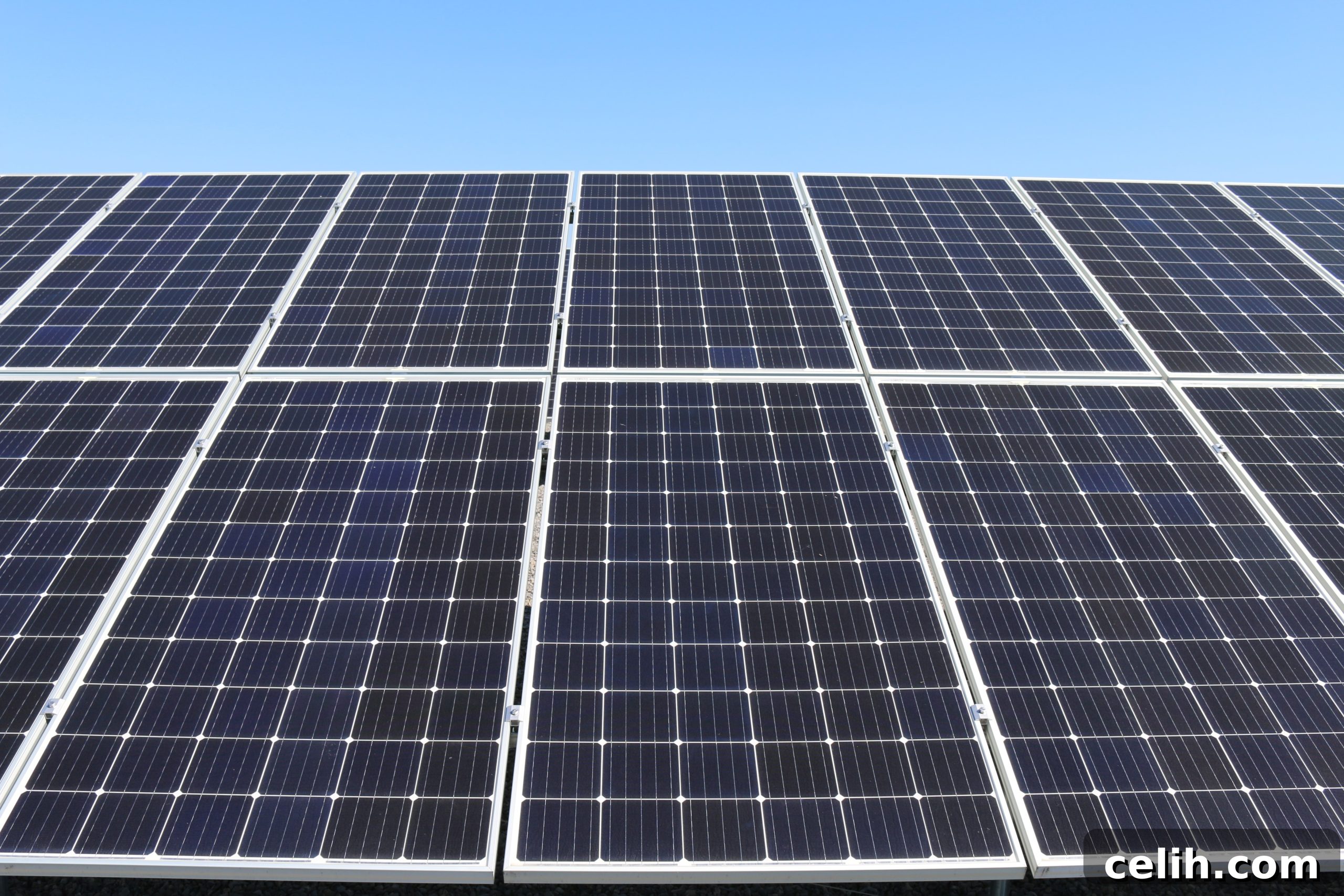
Solar power offers two main avenues for sustainable home heating: solar photovoltaic (PV) and solar thermal. Solar PV panels convert sunlight directly into electricity. This electricity can then be used to power electric heating systems, such as an electric combi boiler, heat pump, or immersion heater for hot water. By generating your own clean electricity, you can significantly reduce your reliance on grid electricity, lower your heating costs, and shrink your carbon footprint. Any excess electricity generated can often be stored in a home battery system for later use or exported back to the grid, potentially earning you money.
Solar thermal systems, on the other hand, are specifically designed to heat water directly. They consist of collector panels, typically installed on a roof, which absorb energy from the sun to heat a fluid circulating within them. This heated fluid then passes through a coil in your hot water cylinder, transferring its heat to the water inside. Solar thermal systems can effectively meet a substantial portion of a household’s hot water needs – up to 90% in the summer months and around 25% in winter. They work seamlessly alongside an existing boiler or immersion heater, acting as a pre-heater to reduce the load on your primary heating system. With virtually no carbon emissions during operation and minimal running costs once installed, solar thermal systems are a highly efficient and environmentally friendly way to provide hot water.
Preparing Your Home for a Sustainable Heating Transition
While the initial purchase and installation costs for low-carbon heating systems can sometimes be higher than a traditional gas boiler, the long-term benefits are substantial. Beyond the reduced carbon footprint and contribution to national climate goals, homeowners can enjoy lower running costs, particularly with highly efficient heat pumps and solar solutions that harness free, renewable energy. The availability of government grants, such as the Boiler Upgrade Scheme, also helps to offset these upfront investments, making the transition more accessible.
Crucially, considering the energy efficiency of your property before upgrading your heating system is vital. Good insulation, double glazing, and draught proofing will maximise the performance and cost-effectiveness of any new heating solution. An energy audit can help identify areas for improvement. As the UK moves towards its net-zero target, eco-friendly properties with established renewable heating systems are becoming increasingly attractive to potential buyers, adding significant value and marketability to your home. Making the switch isn’t just about complying with future regulations; it’s about creating a more comfortable, economical, and environmentally responsible living space for years to come.