Transform Your Bathroom: The Enduring Beauty and Practicality of Travertine Tiles
Travertine tiles stand as a testament to timeless elegance and robust functionality, making them an exceptional choice for enhancing both the floors and walls of any bathroom. Renowned for their unique range of earth-tone colors and captivating beige hues, these natural stone tiles bring an unparalleled sense of warmth and sophistication to interior design. In this comprehensive guide, we delve into the myriad benefits of travertine, explore its diverse applications, and uncover why this distinctive natural stone, with its inherent rustic finish, continues to be a top pick for creating luxurious and inviting bathroom spaces.
Understanding Travertine: A Natural Stone Marvel
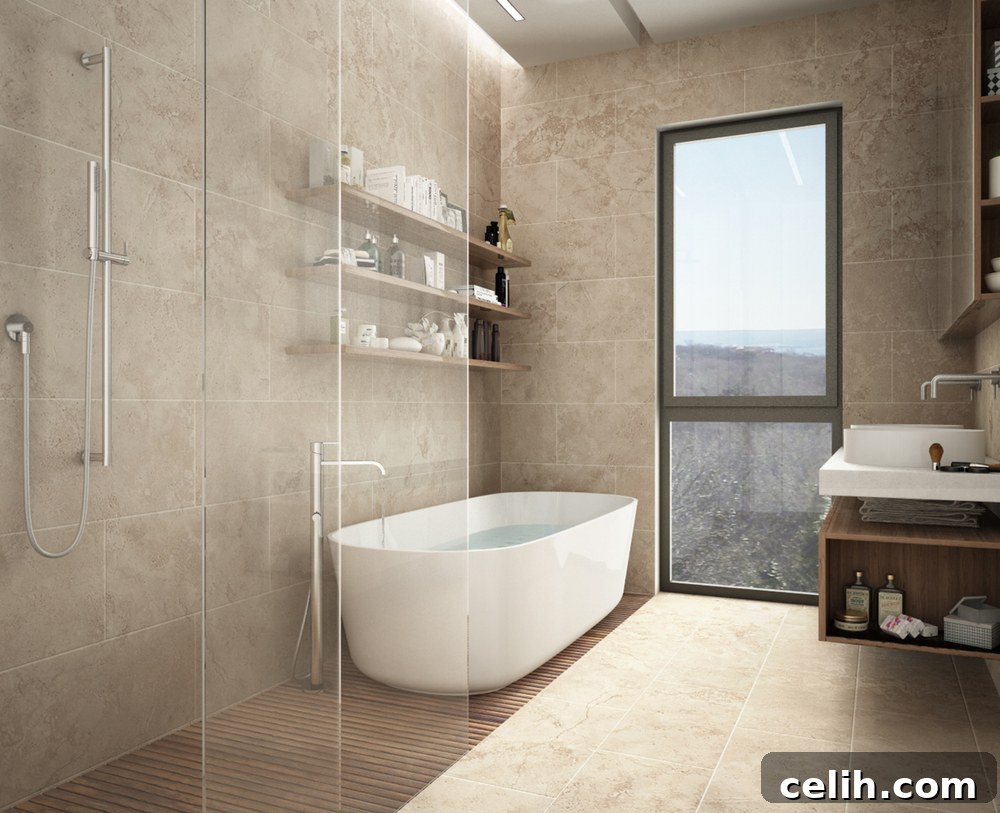
Travertine is a fascinating form of natural limestone, a sedimentary rock characterized by its fibrous, concentric appearance, formed by the rapid precipitation of calcium carbonate at the mouth of hot springs or in limestone caves. This unique geological origin imbues each travertine tile with a distinct character, featuring varied patterns and a rich palette of natural earthy colors. These hues can range from serene pale creams and warm beige tones to deeper, more pronounced rusty tans and even silvery grays, offering a spectrum that complements virtually any design aesthetic. What truly sets travertine apart is its natural variation; no two travertine tiles are ever identical. Their distinctive grain patterns and marble-like finish create a sense of bespoke luxury, particularly when used to cover expansive surfaces like bathroom floors and walls.
The beauty of travertine is often heightened when wet, as the myriad of colors and intricate patterns within the tiles become more vibrant and pronounced. This characteristic makes travertine especially appealing for bathroom environments, where water is an integral element. While its natural variations are a significant part of its charm, those who prefer a perfectly uniform look might find travertine’s organic imperfections less suitable for their design vision. However, for those seeking a material that offers depth, texture, and a connection to nature, travertine presents an unrivaled option, bringing an authentic and grounded feel to the bathroom.
Is Travertine an Ideal Choice for Bathrooms? Addressing Porosity Concerns
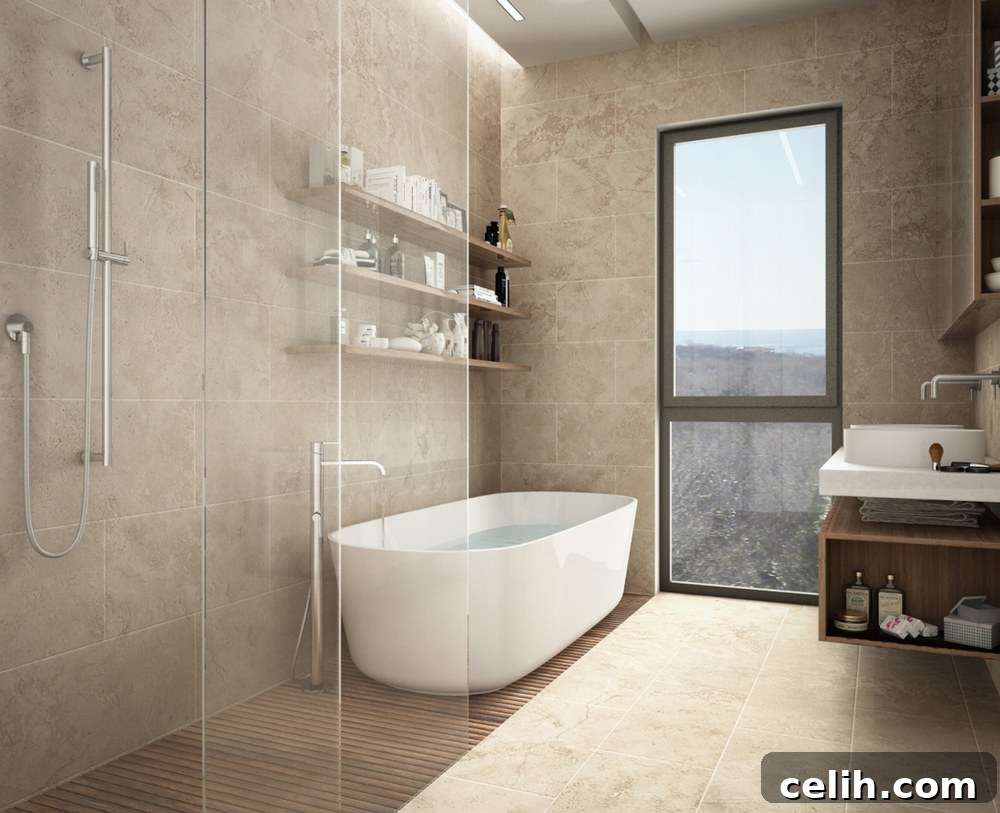
A common question among homeowners is whether travertine tiles are truly suitable for use in a bathroom, given that natural stone materials, including travertine, are inherently porous. The initial thought that a porous material might be problematic in consistently wet areas like bathrooms, especially showers, is understandable. However, this concern is largely mitigated by proper installation and sealing techniques.
Far from being a recipe for disaster, travertine can be used with great success on bathroom floors, walls, and within shower enclosures, making it a highly stylish and practical material for bathroom decor. The critical factor in ensuring travertine tiles perform optimally in a bathroom environment is meticulous sealing after installation. Applying a high-quality sealant effectively creates a protective barrier, preventing water absorption and safeguarding against potential leaks, staining, and mold growth.
The sealing process is straightforward but essential: begin by thoroughly cleaning the travertine tiles to ensure a pristine surface. Then, apply the sealant using a brush or roller, ensuring even coverage. Allow the first coat to set according to the manufacturer’s instructions, typically for a few hours, before applying a second coat. For areas exposed to consistent moisture, such as showers and bath surrounds, it is crucial to allow the sealant to cure completely for at least 24 hours (or as recommended by the product manufacturer) before the area is used. This diligent sealing process transforms travertine from a potentially vulnerable material into a durable and water-resistant surface, perfect for any bathroom setting.
Furthermore, travertine stone tiles do not need to dominate your entire bathroom. Their versatility allows them to be successfully mixed and matched with other materials, such as ceramic, porcelain, or mosaic tiles. For instance, combining travertine with natural stone border tiles or vibrant mosaic accents can create a truly distinctive and personalized look, adding layers of texture and visual interest to your bathroom design.
Maintaining the Elegance: Caring for Travertine Tiles
One of the appealing aspects of travertine tiles is their relatively low maintenance requirements. With a few simple daily practices and periodic care, these natural stone surfaces can retain their beauty and integrity for many years. For daily upkeep, particularly in shower and bath areas, a quick wipe-down of the tiles after each use helps to prevent water spots, soap scum buildup, and keeps travertine wall tiles in pristine condition.
For travertine floor tiles, routine cleaning involves using a wet mop to address spills and a vacuum cleaner to remove dust and loose debris. It is crucial to use cleaning products specifically formulated for natural stone, or pH-neutral cleaners, as harsh chemicals or acidic solutions can damage the stone and strip away the sealant. If you opt for a specialized cleaning product, always perform a patch test in an inconspicuous area first to ensure it does not adversely affect the tile or its finish.
Beyond daily cleaning, long-term care for travertine tiles involves reapplying sealant periodically. As a general guideline, resealing every two to three years is recommended for floors and walls. However, in high-moisture areas like shower stalls, it is wise to reapply sealant more frequently, perhaps annually, to ensure continuous protection against water penetration and staining. Regular resealing is the most effective way to protect your investment and preserve the stunning appearance of your travertine bathroom.
The Enduring Appeal of Travertine Floor Tiles
Travertine tiles offer a compelling list of benefits when chosen for bathroom flooring, blending exceptional durability with aesthetic versatility. Unlike some ceramic tiles, travertine is incredibly tough and resistant to chipping, making it a reliable choice for high-traffic areas like busy family bathrooms. Classified as a high-traffic material, properly installed travertine natural stone tile flooring is designed to withstand significant wear and tear, ensuring it won’t easily break, chip, or wear out over time. For bathroom floors, honed travertine is often the preferred finish due to its matte appearance and enhanced slip resistance. It’s important to note, however, that polished travertine, while stunning, can become quite slippery when wet, so caution is advised if considering this finish for flooring.
Beyond its robustness, many homeowners are drawn to travertine for its ability to beautifully weather with age. Over time, travertine develops a unique patina, a soft sheen that deepens its character and adds a rich, rustic charm to the floors. This natural aging process enhances the stone’s inherent beauty, giving the bathroom a sense of established elegance and history. For smaller bathrooms, opting for large format travertine floor tiles can be a clever design strategy, as fewer grout lines create a more seamless and expansive visual, helping the room appear larger and more open.
Additionally, travertine possesses natural insulating properties, meaning it tends to be warmer underfoot than ceramic or porcelain tiles, offering a more comfortable experience, especially in cooler climates. It is also compatible with underfloor heating systems, further enhancing bathroom comfort. However, due to the significant weight of travertine floor tiles, it is crucial to ensure that the underlying floor structure is robust enough to support them. If there is any uncertainty regarding structural capacity, always consult with a qualified building expert or structural engineer for professional advice to ensure safety and proper installation.
Designing with Travertine: Walls, Showers, and Accents
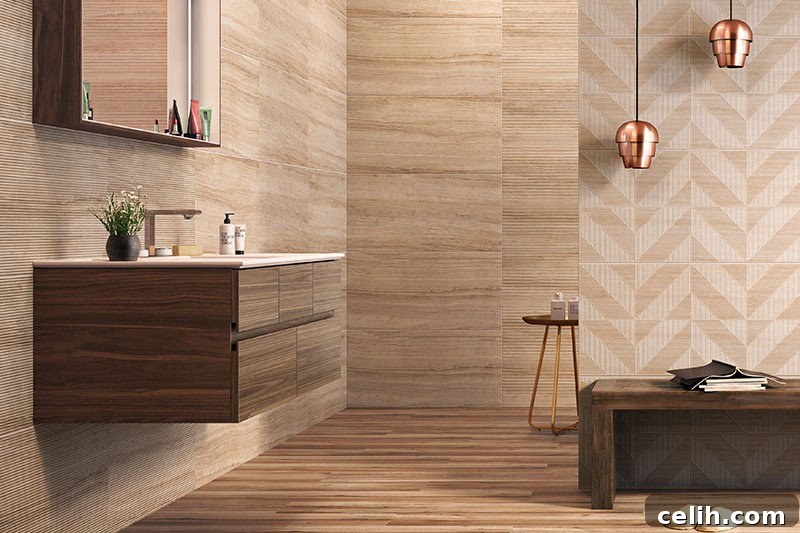
Travertine tiles are not limited to flooring; they are equally suitable for adorning bathroom walls, splashbacks, and entirely tiling shower areas, extending their natural beauty throughout the space. Their neutral color palette, which encompasses a wide spectrum of natural hues, combined with ease of installation, makes them a perfect fit for diverse bathroom design schemes. Whether you aim to create a calming oasis, a rustic retreat, or a modern minimalist space, travertine walls provide a versatile backdrop.
When selecting travertine for wet areas like showers, it is paramount to choose “filled” travertine tiles. Filled travertine undergoes a process where the natural pits and voids on its surface are filled with resin or cement, creating a smoother, less porous surface. This minimizes the natural holes where water could potentially soak in, enhancing its water resistance and making it a more practical choice for shower walls and surrounds.
Travertine wall tiles are available in an extensive variety of shapes, sizes, and finishes, offering immense creative freedom. Large format wall tiles, similar to their floor counterparts, can contribute to an illusion of greater space in smaller bathrooms by reducing visible grout lines. Alternatively, smaller mosaic travertine tiles, often featuring a subtle natural color palette, can be used to create stunning feature walls, decorative borders, or intricate patterns, adding depth and visual interest without overwhelming the space. This allows for personalized design statements, preventing the entire bathroom interior from appearing monolithic in color.
Regardless of how you incorporate travertine into your bathroom design, with proper care and regular sealing, these beautiful natural stone tiles will continue to look exquisite and perform flawlessly, maintaining their timeless appeal for as long as your bathroom serves its purpose.
Exploring Travertine Types: Finishes and Applications
When venturing into the world of natural travertine stone tiles, you’ll encounter several distinct types, each offering unique aesthetic qualities and practical applications. Understanding these differences is key to selecting the perfect travertine for your bathroom project. Here’s a detailed breakdown of the main types you should be aware of:
Honed Travertine
Honed travertine tiles are arguably the most popular choice for bathroom floors. This finish involves filling the stone’s natural pores and then grinding and lightly polishing the surface to achieve a smooth, low-sheen matte finish. The honing process results in a sophisticated, understated look that provides better grip compared to polished surfaces, making it safer for wet areas. Honed travertine perfectly balances elegance with functionality, making it ideal for floors and walls where a subtle luster is desired.
Polished Travertine
As its name suggests, polished travertine tiles undergo an extensive polishing process that results in a highly glossy, mirror-like finish. The stone’s natural pits are filled, and the surface is buffed to a brilliant shine, enhancing the depth of its colors and patterns. Polished travertine is highly prized for its luxurious appearance and is renowned for its excellent stain resistance due to its sealed, impermeable surface. However, its exceptionally smooth surface makes it very slippery when wet, rendering it generally unsuitable for bathroom floors, especially in areas with bare feet. Polished travertine is best reserved for accent walls, vanity tops, or decorative elements in low-traffic, dry areas.
Brushed Travertine
Brushed travertine tiles are created by wire brushing the stone’s surface, which gently removes the softer parts of the travertine and leaves a textured, matte finish. This process highlights the natural variations and creates a slightly aged, more rustic appearance without being rough. Brushed travertine offers good slip resistance and is a popular choice for flooring and wall applications where a tactile, earthy feel and an informal elegance are desired. It brings a unique character that can complement various design styles, from traditional to modern farmhouse.
Tumbled Travertine
Tumbled travertine tiles are processed by tumbling the cut stone pieces in a drum with small stones and water, intentionally creating softened, rounded edges and corners, and a distinctly antique, worn-in look. This rustic finish evokes the charm of ancient architecture and is perfect for achieving a traditional, Mediterranean, or Old World aesthetic. Tumbled travertine’s naturally textured surface provides good traction, making it suitable for bathroom floors and walls where a cozy, time-worn appeal is paramount. The open pores are typically left unfilled, enhancing its natural character, but if used in wet areas, it may benefit from filling or very thorough sealing.
Unfilled Travertine
Unfilled travertine represents the most natural form of travertine, where the stone has not undergone any treatment to fill its surface pits and holes. It retains its raw, organic texture and appearance, showcasing the stone’s natural porosity. While incredibly authentic and often chosen for outdoor applications or very specific rustic interiors, unfilled travertine is generally not the best choice for bathrooms. Its open pores can easily trap moisture, dirt, and soap scum, making it prone to staining and more challenging to maintain in a wet environment. If unfilled travertine is desired for a bathroom, extensive sealing and diligent maintenance would be absolutely critical, and even then, it carries higher risks of moisture-related issues.
Precision Cutting: How to Work with Travertine Tiles
For DIY enthusiasts planning to incorporate travertine tiles into their home projects, such as for flooring, shower surrounds, or a striking backsplash, understanding the correct cutting techniques is essential. Travertine is classified as moderately hard, typically ranking around 3.5 on the Mohs scale of hardness, and is notably durable. As a form of limestone or sedimentary stone, travertine can sometimes have a rough or slightly uneven surface, requiring careful handling during cutting to minimize the risk of chipping or breaking.
The most effective and recommended method for cutting travertine tile is to use a wet saw, which is a specialized tile cutter equipped with a water reservoir. The water continuously lubricates the blade and cools the cutting surface, significantly reducing dust, preventing overheating of the blade, and resulting in cleaner, more precise cuts. Before making any cuts, it’s a good practice to meticulously measure and mark your travertine tiles. Use a pencil and a ruler to draw precise lines on the tile’s surface, ensuring accuracy. Then, carefully align the tile with the wet saw’s blade and slowly guide it through the stone. The goal is to achieve a clean, smooth cut with minimal chipping. If any cut edges do end up with minor imperfections or sharp points, a sander with a fine-grit pad can be used to smooth them down. Once all cuts are complete, use a damp cloth to wipe away any pencil marks or stone dust, preparing the tiles for installation.
Considering Alternatives: Travertine-Effect Tiles and Beyond
While the authentic beauty and timeless appeal of natural travertine stone are undeniable, some homeowners may seek alternatives due to factors like cost, weight, maintenance concerns, or a desire for a more uniform aesthetic. For those who admire the distinct look of travertine but prefer the practical benefits of other materials, “travertine-effect tiles” present an excellent solution.
These engineered tiles, typically made from high-quality porcelain or ceramic, are designed to meticulously replicate the authentic patterns, colors, and textures of natural travertine. They offer a convincing imitation of the stone’s rustic charm and earth-tone palette while providing the robust benefits inherent to ceramic or porcelain, such as lower cost, lighter weight, minimal porosity (often making them impervious to water), and simplified maintenance. Travertine-effect tiles are highly durable, resistant to staining, and generally require no sealing, making them a low-maintenance, budget-friendly option for achieving a sophisticated natural stone look in the bathroom without the specific care requirements of genuine travertine.
Beyond travertine-effect options, the market offers a vast array of other natural stone and engineered materials that can create stunning bathroom aesthetics, from the luxurious veining of marble-look porcelain to the rugged texture of slate-effect tiles. Each offers unique advantages, allowing homeowners to select a material that perfectly aligns with their design preferences, lifestyle, and budget. However, for those captivated by true natural elegance, the authentic and enduring charm of real travertine remains a compelling and rewarding choice.
For more tiling inspirations and guides, explore our collection of articles.
Pin it for Later!