
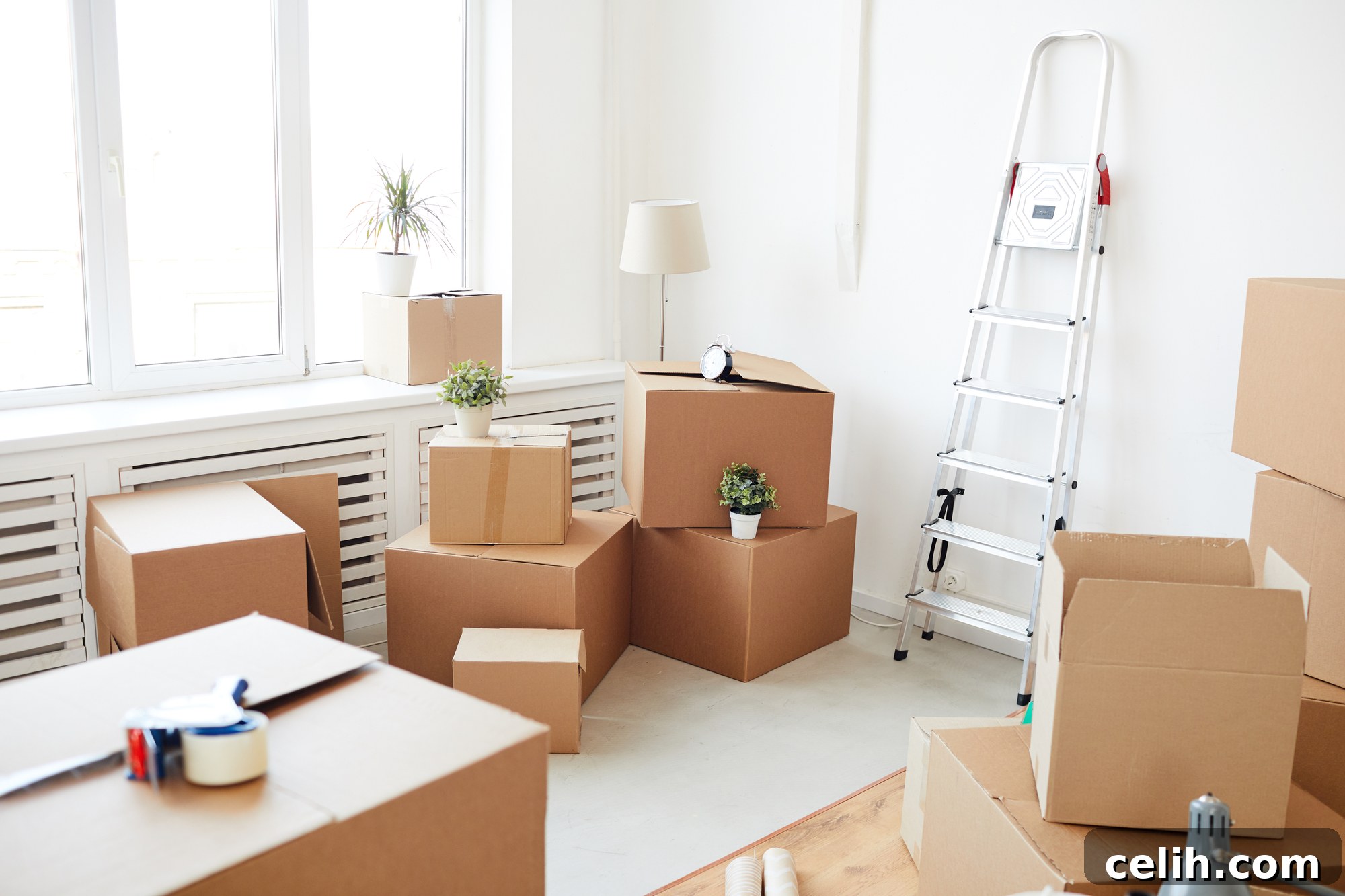
Mastering Your Move: A Comprehensive Guide to Stress-Free Relocation
Embarking on a journey to a new home is an experience often painted with both excitement and trepidation. The prospect of a fresh start, new surroundings, and uncharted adventures is exhilarating, yet the logistical maze of moving can feel overwhelmingly daunting. To transform this significant life event into a smooth, efficient, and even enjoyable process, strategic preparation is paramount. From meticulously sorting through years of accumulated belongings to ensuring your most cherished and fragile possessions arrive safely, every decision and action contributes to the overall success of your relocation. One of the most effective ways to streamline this intricate process, especially for those in specific regions like Worksop, is to consider professional assistance. Services like van hire from reputable providers such as hirefleet can offer invaluable support, providing the right vehicle and expertise to navigate your move with confidence and ease.
1. Begin Early to Conquer Last-Minute Panic and Stress
In the complex world of relocation, time is undeniably your most precious ally. The single most impactful step you can take to alleviate moving-day stress is to initiate the packing and preparation process well in advance. Procrastination, while tempting, almost invariably leads to a cascade of last-minute panic, hasty decisions, and potential damage to belongings. By granting yourself ample time – ideally several weeks or even months before your move date – you unlock the opportunity to methodically declutter, organize, and pack each item with care and consideration. This early start allows you to sift through your possessions without pressure, making deliberate choices about what truly deserves a place in your new home. It provides a buffer against unexpected challenges and ensures that your moving journey unfolds with calm efficiency, rather than chaotic urgency.
2. Assemble Your Comprehensive Packing Supplies Arsenal
Before a single item is placed into a box, ensure your packing station is fully equipped with all the necessary tools and materials. This proactive step prevents frustrating interruptions and ensures a seamless packing flow. Your essential companions for this phase include a variety of sturdy moving boxes in different sizes – small for heavy items, medium for general goods, and large for light, bulky objects. Beyond boxes, invest in high-quality packing tape and a dispenser, an abundance of bubble wrap for cushioning, sheets of packing paper (newsprint or clean white paper) for wrapping and void filling, and thick markers for clear labeling. Consider specialty boxes for items like wardrobes, dishes, or TVs to offer enhanced protection. To manage expenses, explore options for acquiring free boxes from local grocery stores, liquor stores, or online marketplaces. Additionally, dedicated moving supply stores and online retailers offer a wide selection of durable and purpose-built packing materials designed to safeguard your belongings during transit. Having these supplies readily available ensures you can tackle any packing challenge efficiently.
3. Strategically Categorize and Label Every Box
One of the most powerful strategies for a smooth unpacking experience is meticulous categorization and labeling during the packing phase. As you pack, group similar items together: all kitchen utensils in one box, books in another, and bedroom linens in a third. The real magic happens with the labeling. Use a bold marker to clearly write the contents of each box on at least two sides, along with its designated room in your new home (e.g., “Kitchen – Pots & Pans,” “Master Bedroom – Bedding”). For added utility, consider adding a number to each box and maintaining a master inventory list that details the contents corresponding to each number. This seemingly simple step provides significant benefits: it dramatically speeds up the unpacking process, allows you to locate specific items quickly, and empowers professional movers to efficiently place boxes in their correct locations, saving you valuable time and effort in your new space. Don’t forget to mark boxes containing essential items with “Open First” or “Essentials” for immediate access.
4. Meticulously Wrap and Protect Fragile Possessions
The safety of your fragile items is paramount. Delicate glassware, ceramic dishes, cherished heirlooms, and sensitive electronics demand extra care and attention during the packing process. Each fragile item should be individually wrapped in generous layers of bubble wrap, packing paper, or even soft towels. For plates and flat items, wrap them individually and then stack them vertically in sturdy boxes, rather than horizontally, to distribute pressure more effectively. For glasses, stuff the insides with paper and then wrap the exterior. Once wrapped, place these well-protected items into sturdy, appropriately sized boxes. Fill any remaining empty spaces within the box with additional packing paper, bubble wrap, or crumpled newspaper to prevent movement during transit. Clearly label these boxes with “Fragile,” “Handle with Care,” and an arrow indicating “This Way Up.” This detailed approach to packing will significantly reduce the risk of breakage and ensure your precious belongings arrive at your new destination intact and safe.
5. Smartly Utilize Soft Items for Economical Padding
Beyond specialized packing materials, you already possess a valuable resource for protecting delicate items: your soft household goods. Maximize both your packing efficiency and your budget by creatively using blankets, towels, linens, and clothing as effective padding. These items can serve as excellent cushioning layers around fragile items, filling voids in boxes, and providing a protective barrier against impacts. For instance, wrap delicate figurines in sweaters, cushion picture frames with bath towels, or line the bottom and top of boxes with blankets to provide an extra layer of shock absorption. This not only safeguards your more fragile belongings but also optimizes space in your moving boxes by packing two categories of items together. It’s an environmentally friendly and cost-effective way to ensure everything arrives safely at your new abode.
6. Safeguard Important Documents and Essential Items Separately
In the whirlwind of moving, crucial documents and immediate necessities can easily become misplaced or buried. To avoid frantic searching and unnecessary stress, designate a dedicated “essentials” bag or box that you will personally transport. This kit should contain all vital documents: identification (passports, driver’s licenses), birth certificates, financial records, insurance policies, and any critical medical information. Beyond documents, include prescription medications, a change of clothes for each family member, basic toiletries, phone chargers, valuable jewelry, and any small, irreplaceable sentimental items. Having these necessities immediately accessible ensures peace of mind and provides a ready resource for the first 24-48 hours in your new home, especially if your main belongings are delayed or take time to unpack. This “survival kit” is an indispensable component of any well-organized move.
7. Conquer Your Home Room by Room for Organized Packing
The thought of packing an entire home can feel overwhelming. Break down this monumental task into manageable segments by tackling one room at a time. This systematic approach allows you to maintain focus, track progress, and avoid scattering items from different areas, which can lead to disorganization. Start with rooms you use least frequently, such as guest bedrooms, storage areas, or a formal dining room, and save high-traffic areas like the kitchen and master bedroom for last. As you complete each room, ensure all boxes are labeled according to the guidelines in Tip 3. This method not only makes the packing process feel less daunting but also simplifies the unpacking phase significantly. When you arrive at your new residence, you’ll find it much easier to direct boxes to their respective rooms, allowing for a more efficient and less chaotic setup of your new living space.
8. Optimize Box Usage: Small for Heavy, Large for Light
A common mistake in packing is overfilling large boxes with heavy items, making them impossible to lift and prone to breaking. To ensure both the safety of your belongings and the well-being of those doing the lifting, adhere to a simple rule: use small boxes for heavy items and larger boxes for lighter, bulkier goods. Books, dishes, tools, and canned goods should always go into smaller, sturdy boxes. This prevents the boxes from becoming overly cumbersome, maintains their structural integrity, and reduces the risk of injury when lifting. Conversely, items like linens, pillows, towels, and lightweight decorative objects are perfectly suited for larger boxes. Following this principle will make your boxes manageable for movers, whether professional or friends, and prevent frustrating accidents or damaged goods.
9. Consider Hiring Professionals for a Seamless Moving Experience
While DIY moving can save costs, for a truly stress-free and efficient relocation, enlisting the services of professional movers is an investment that often pays dividends in peace of mind. Experienced moving companies bring a wealth of expertise, specialized equipment, and trained personnel to handle all aspects of your move. They are adept at heavy lifting, navigating challenging spaces, safely transporting fragile items, and efficiently loading/unloading your possessions. Professionals can significantly reduce the physical exertion and logistical headaches associated with moving, freeing you to focus on other critical aspects like utilities, change of address, and settling into your new environment. Many reputable moving companies also offer various service levels, from basic transportation to full-service packing and unpacking, providing flexible options to suit your budget and needs. Research and choose a licensed, insured, and well-reviewed company to ensure a smooth transition to your new home.
10. Prepare a Moving Day Survival Kit for Immediate Needs
No matter how meticulously you plan, moving day itself can be a whirlwind of activity. To navigate the inevitable chaos and ensure comfort during your first moments in the new place, assemble a dedicated moving day survival kit. This essential kit should be easily accessible and contain items you’ll need immediately upon arrival, before you start unpacking main boxes. Include toiletries (toothbrush, toothpaste, soap, shampoo), a clean change of clothes for each family member, essential medications, basic cleaning supplies (paper towels, all-purpose cleaner), snacks, bottled water, pet food if applicable, a small toolbox (screwdriver, hammer), phone chargers, and perhaps a roll of toilet paper and hand soap for the new bathrooms. Having these necessities readily available means you won’t be scrambling through boxes late at night for a toothbrush or a snack, making your first night in your new home much more comfortable and less stressful, especially if your move extends over multiple days or involves unforeseen delays.
In conclusion, relocating to a new place doesn’t have to be a source of chaos or overwhelming anxiety. By adopting a proactive mindset and implementing these comprehensive strategies – starting early, organizing thoroughly, packing with precision, and wisely leveraging professional assistance – you can transform the daunting task of moving into a well-managed and remarkably smooth endeavor. Remember, successful moving is less about brute force and more about intelligent planning and meticulous organization. Each thoughtful step you take, from decluttering to carefully labeling, brings you closer to a comfortable and joyful transition into your new home. With these tips in hand, you’re not just moving possessions; you’re orchestrating a seamless beginning to your next chapter. Happy moving!