
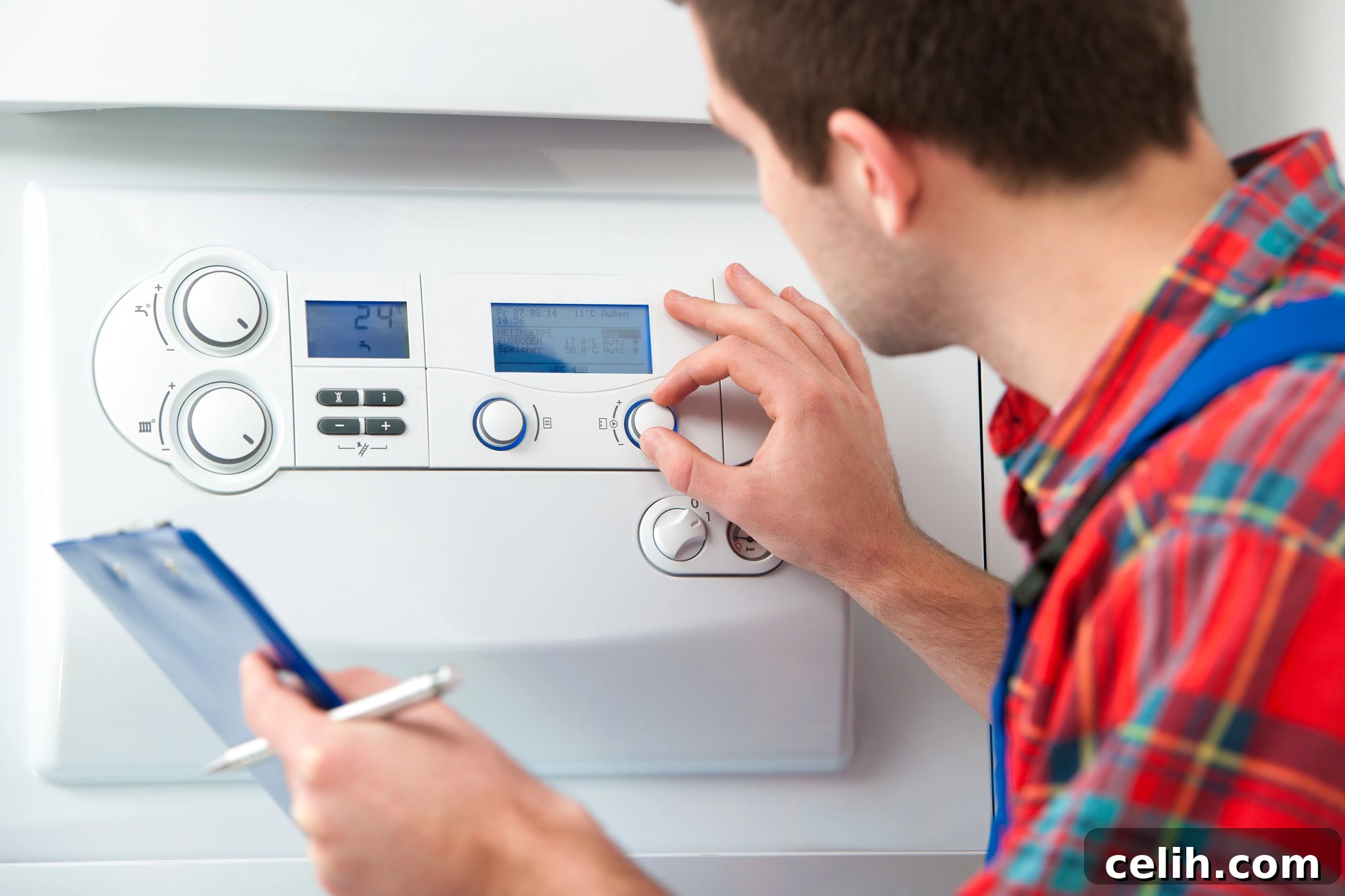
As the colder months descend, a reliable and efficient heating system becomes the unsung hero of any comfortable home. A well-functioning furnace not only keeps the chill at bay but also contributes significantly to your indoor air quality and overall well-being. However, like all mechanical systems, furnaces have a finite lifespan. Understanding when it’s time to consider a replacement rather than continuous repairs can save homeowners significant stress, discomfort, and financial strain in the long run. This comprehensive guide will explore the critical signs indicating that your furnace may be nearing its end, delve into the myriad benefits of upgrading to a new system, and provide crucial advice on navigating the financial and technical aspects of choosing the perfect new furnace for your home.
Decoding the Warning Signs: Is It Time for a New Furnace?
Recognizing the subtle, and sometimes not-so-subtle, indicators that your furnace is struggling is the first step toward making an informed decision about its future. Ignoring these signs can lead to unexpected breakdowns, escalating costs, and a significant drop in your home’s comfort levels. Being proactive can ensure a smooth transition and maintain warmth throughout the winter season.
The Age Factor: How Old Is Too Old?
One of the most straightforward indicators of a furnace’s impending retirement is its age. Most modern furnaces are designed to last between 15 and 20 years. If your heating system falls within or exceeds this age range, it’s prudent to start monitoring its performance closely. As furnaces age, their components naturally wear down, leading to a noticeable decline in efficiency. This decreased efficiency translates directly into higher energy bills as the unit works harder to achieve the desired temperature. Homeowners in regions like Cincinnati & Northern Kentucky, where winter temperatures can be severe, should pay particular attention to the age of their system, as timely furnace replacement in Cincinnati & Northern Kentucky can significantly improve comfort and reduce long-term operating expenses.
Frequent Breakdowns and Soaring Repair Costs
If you find yourself calling an HVAC technician more frequently than usual, or if your repair bills are starting to accumulate, it’s a clear signal that your furnace might be a money pit. Continual patching up of an old system often proves to be a false economy, with the cumulative cost of repairs quickly approaching or even exceeding the cost of a brand-new unit. A new furnace offers not only a fresh start but also the assurance of fewer breakdowns and lower maintenance demands, providing much-needed peace of mind during the coldest months.
Unusual Noises: A Symphony of Problems
Your furnace should generally operate quietly, with a gentle hum as it cycles. Any new or unusual noises emanating from the unit should be a cause for concern. Banging, rattling, grinding, squealing, or whining sounds often indicate underlying mechanical problems. These could range from loose components, failing motors, or issues with the blower fan. Ignoring these auditory warnings can lead to more severe damage and potentially a complete system failure. A professional inspection can diagnose the source of these noises, but often, they are symptoms of an aging system that is nearing its operational limits.
Inconsistent Heating and Uneven Temperatures
An older furnace often struggles to maintain a consistent temperature throughout your home. If you notice certain rooms are significantly warmer or colder than others, or if your thermostat settings no longer provide the uniform comfort they once did, your furnace’s ability to distribute heat effectively is compromised. This uneven heating can be a sign of a failing heat exchanger, ductwork issues exacerbated by an underperforming unit, or simply a system that can no longer keep up with your home’s heating demands. Such inconsistencies not only impact comfort but also lead to residents cranking up the thermostat, further increasing energy consumption.
Rising Energy Bills Without Increased Usage
Perhaps one of the most tangible signs of a failing furnace is a sudden and unexplained spike in your energy bills, even if your heating habits haven’t changed. This indicates a significant drop in your furnace’s efficiency. As internal components degrade, the furnace has to work harder and longer to produce the same amount of heat, consuming more fuel in the process. This inefficiency is not only costly but also environmentally impactful. Tracking your energy consumption and comparing it year-over-year can provide valuable insight into your furnace’s declining performance and highlight the potential savings offered by a more efficient new system.
Visible Wear and Tear or Yellow Pilot Light
Beyond performance issues, a visual inspection can also reveal signs of trouble. Look for rust, cracks in the furnace’s exterior, or any signs of corrosion. For gas furnaces, pay attention to the pilot light; it should burn a steady blue flame. A yellow or flickering pilot light can indicate incomplete combustion, which could produce dangerous carbon monoxide – a colorless, odorless gas that poses serious health risks. If you observe any of these physical warning signs, it’s crucial to contact an HVAC professional immediately.
The Compelling Advantages of a New Furnace Installation
While the initial investment in a new furnace might seem substantial, the long-term benefits far outweigh the costs of maintaining an inefficient, unreliable, and aging system. Upgrading your heating system is an investment in your home’s comfort, efficiency, safety, and even its market value.
Superior Energy Efficiency and Significant Cost Savings
One of the most compelling reasons to upgrade is the dramatic improvement in energy efficiency offered by modern furnaces. Newer models boast significantly higher Annual Fuel Utilization Efficiency (AFUE) ratings, meaning they convert a greater percentage of their fuel into usable heat. This enhanced efficiency directly translates into lower utility bills, often saving homeowners hundreds of dollars annually. For example, replacing a 60% efficient furnace with a 95% efficient model can cut your heating costs by nearly 37%. These savings accumulate over the lifespan of the unit, effectively offsetting a significant portion of the initial purchase price. Moreover, reduced energy consumption contributes to a smaller carbon footprint, making it a win-win for both your wallet and the environment.
Enhanced Indoor Air Quality for a Healthier Home
Modern furnaces are designed with more advanced filtration and ventilation capabilities than their older counterparts. They can be equipped with high-efficiency air filters (rated by MERV, or Minimum Efficiency Reporting Value) that effectively capture a significantly higher volume of dust, pollen, pet dander, mold spores, and other allergens from your indoor air. Some systems even integrate features like UV lights or whole-house humidifiers/dehumidifiers to further purify and balance the air. This improved indoor air quality is particularly beneficial for households with allergy sufferers, individuals with asthma, or anyone sensitive to airborne particulates, contributing to a healthier living environment.
Unmatched Reliability and Greater Peace of Mind
A brand-new furnace offers unparalleled reliability. Free from the wear and tear of years of operation, new systems are far less prone to breakdowns, especially during the peak of winter when a functional heating system is critical. This newfound reliability provides immense peace of mind, knowing your home will remain warm and comfortable without unexpected interruptions. New furnaces also come with comprehensive warranties, covering parts and labor, which further protects your investment against unforeseen issues for years to come.
Advanced Features and Smart Home Integration
Today’s furnaces are often equipped with cutting-edge technology that enhances comfort and convenience. Many models integrate seamlessly with smart thermostats, allowing you to control your home’s heating remotely via a smartphone app. This enables you to adjust temperatures, create energy-saving schedules, and monitor system performance from anywhere. Features like multi-stage heating, variable-speed blowers, and zone control offer more precise temperature management, greater comfort, and even quieter operation, making your heating system more responsive to your needs and lifestyle.
Increased Home Value and Market Appeal
Installing a new, energy-efficient furnace is a significant upgrade that can genuinely increase your home’s market value. Potential buyers are increasingly looking for homes with updated and efficient mechanical systems, as these translate into lower operating costs and fewer immediate expenses for them. A modern HVAC system is a major selling point that can make your property more attractive and competitive in the real estate market.
Navigating the Financial Landscape of Furnace Replacement
While the upfront cost of a new furnace can be a significant investment, it’s essential to consider the long-term financial benefits. Several avenues can help make the purchase more manageable and demonstrate a positive return on investment.
Rebates, Tax Credits, and Incentives
Many energy-efficient furnace models qualify for government incentives, local utility rebates, or manufacturer promotions. These programs are designed to encourage homeowners to adopt greener technologies and can significantly reduce the net cost of your installation. It’s wise to research available programs in your area before making a purchase. A qualified HVAC professional can often guide you through eligible rebates and tax credits, helping you maximize your savings.
Financing Options and Return on Investment (ROI)
To ease the immediate financial burden, many HVAC companies offer flexible financing options. These can include deferred interest plans, low-interest loans, or payment plans tailored to your budget. Additionally, consider the return on investment (ROI) from reduced energy bills. Over the lifespan of the furnace, the accumulated savings on utility costs often surpass the initial investment, making it a financially sound decision in the long run. Obtaining quotes from multiple reputable contractors can also help ensure you get the best value for your investment.
Selecting the Ideal Furnace for Your Home
Choosing the right furnace is a critical decision that impacts your home’s comfort and energy efficiency for years to come. It involves more than just picking a popular brand; it requires careful consideration of various factors tailored to your specific needs.
Proper Sizing: The Foundation of Efficiency
One of the most crucial aspects of furnace selection is proper sizing. An undersized furnace will struggle to heat your home effectively, running constantly and leading to discomfort and increased wear. Conversely, an oversized furnace will “short-cycle,” turning on and off too frequently. This wastes energy, creates inconsistent temperatures, and puts unnecessary strain on components, shortening the unit’s lifespan. A professional HVAC technician will perform a Manual J load calculation, which considers factors like your home’s square footage, insulation levels, window efficiency, ceiling height, and local climate to determine the precise heating capacity (measured in BTUs) your home requires.
Understanding Efficiency Ratings: AFUE and ENERGY STAR
The Annual Fuel Utilization Efficiency (AFUE) rating measures how efficiently your furnace converts fuel into usable heat over a typical heating season. The higher the AFUE percentage, the more efficient the furnace. For instance, a furnace with an 80% AFUE rating means 80% of the fuel is converted into heat, while the remaining 20% is lost through the flue. Modern high-efficiency furnaces boast AFUE ratings of 90% or higher. Look for models with the ENERGY STAR label, which signifies that the furnace meets strict energy efficiency guidelines set by the U.S. Environmental Protection Agency, guaranteeing significant savings on utility bills.
Fuel Type: Natural Gas, Electric, Oil, or Propane
The type of fuel your furnace uses is another significant consideration, often dictated by availability and cost in your region. Natural gas is typically the most popular and cost-effective option where available, offering consistent heat. Electric furnaces are cleaner but can be more expensive to operate unless paired with a heat pump in milder climates. Oil furnaces are less common today but are an option where natural gas isn’t available, requiring fuel storage. Propane furnaces offer versatility, especially in rural areas, but also require on-site storage and can be pricier than natural gas. A local professional can provide tailored recommendations based on fuel availability, current pricing, and your specific heating needs.
Furnace Type: Single-Stage, Two-Stage, or Variable-Speed
Modern furnaces come in different operational types, each offering varying levels of comfort and efficiency:
- Single-Stage Furnaces: These operate at full capacity whenever they’re on, regardless of how much heat is actually needed. They are less expensive but offer less consistent temperatures and can be less efficient.
- Two-Stage Furnaces: These have two heat output settings (usually high and low). They operate on the lower setting for most of the time, providing more consistent temperatures and better efficiency. They only kick into high gear during very cold conditions.
- Variable-Speed Furnaces: These are the most advanced and efficient. Their blower motor can adjust its speed to precisely match the heating demand, offering the most consistent temperatures, optimal humidity control, quiet operation, and the highest energy savings.
Brand Reputation, Warranty, and Professional Installation
Research reputable brands known for their quality, durability, and customer service. Always check the warranty offered on both parts and labor. Crucially, even the best furnace will underperform if not installed correctly. Choose a certified, experienced HVAC contractor who can properly size the unit, ensure correct installation, and provide ongoing maintenance services. Professional installation is often a requirement for warranty validity and ensures your new system operates at peak efficiency and safety.
Prolonging Your Investment: The Importance of Regular Maintenance
Once you’ve invested in a new furnace, regular maintenance is paramount to ensure it operates efficiently, reliably, and safely for its full intended lifespan. Think of it as preventative care for your home’s most important comfort system.
Annual Professional Tune-Ups
Schedule an annual tune-up with a qualified HVAC technician, ideally before the heating season begins. During this service, the technician will clean components, check for wear and tear, lubricate moving parts, inspect electrical connections, and verify proper airflow and safety controls. This proactive approach can identify potential issues before they escalate into costly breakdowns, optimize efficiency, and help extend the life of your furnace.
DIY Maintenance: Filter Changes
Between professional tune-ups, one of the most critical maintenance tasks you can perform is regularly changing or cleaning your furnace filter. A clogged filter restricts airflow, forcing your furnace to work harder, which decreases efficiency, increases energy consumption, and can lead to premature system wear. Depending on the filter type and household conditions (pets, allergies, etc.), filters typically need to be replaced every one to three months. Regularly checking and changing your filter ensures healthy indoor air quality and helps maintain your furnace’s efficiency.
Conclusion: A Smart Investment in Home Comfort and Efficiency
Furnace replacement is a significant decision that should be made after carefully weighing the long-term benefits against the escalating costs and inconvenience of frequent repairs. The ability to recognize the warning signs of a failing system early on can alleviate considerable discomfort and expense. A new, high-efficiency furnace offers a multitude of advantages, including dramatically improved energy efficiency, leading to substantial savings on utility bills, superior indoor air quality for a healthier home environment, and far greater reliability and peace of mind during the coldest months. It is an investment that truly pays dividends in comfort, safety, and financial returns.
By carefully considering parameters such as proper sizing, efficiency ratings (like AFUE), fuel type, and advanced features, homeowners can select a heating system that perfectly meets their specific requirements and budget. With professional installation and diligent, ongoing maintenance, a new furnace is capable of keeping your home warm, comfortable, and efficient for many seasons after installation, making it one of the most valuable upgrades you can make to your property.