
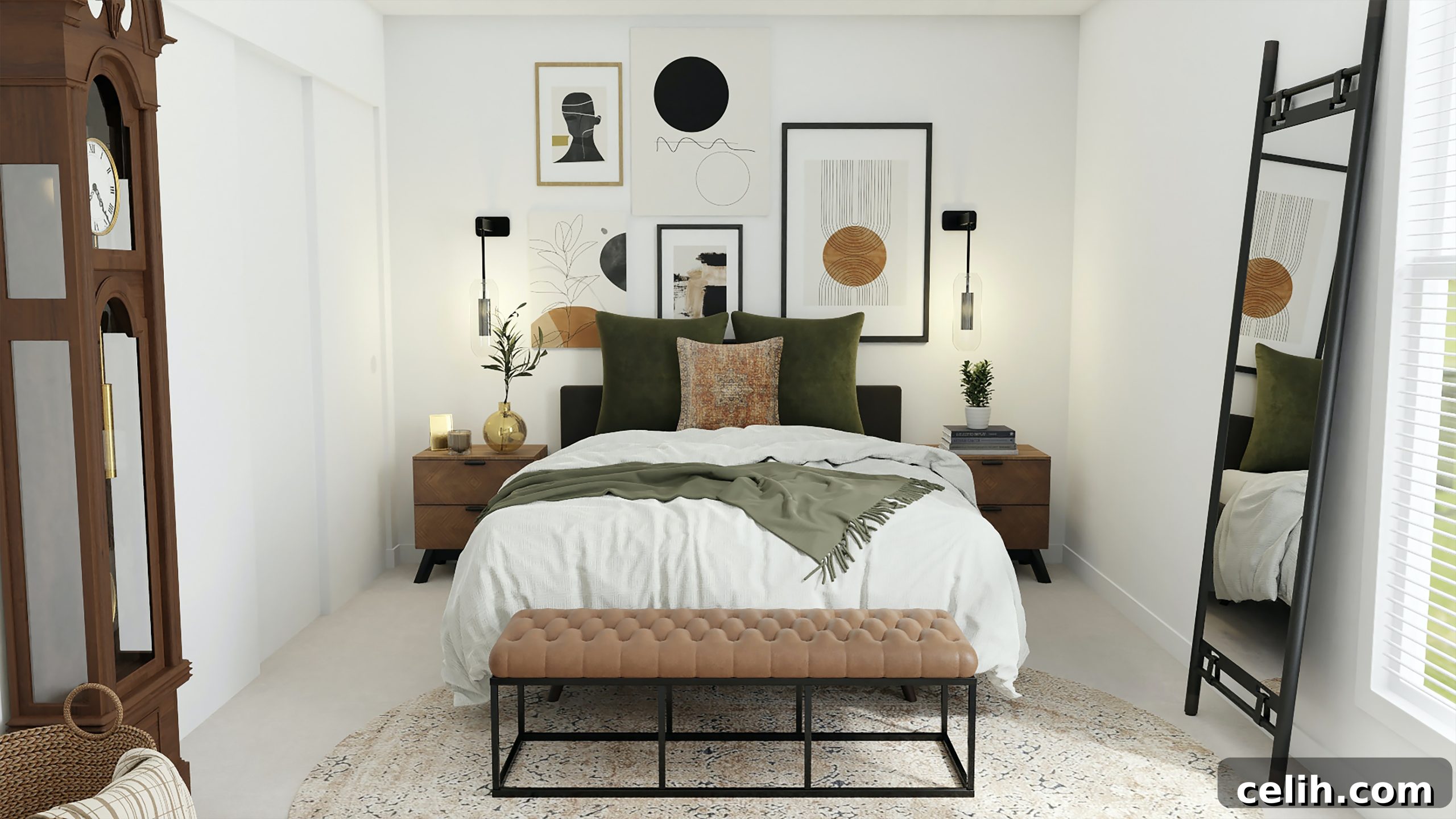
Our bedrooms often serve as more than just a place to sleep; they are personal sanctuaries, a retreat from the world, and a canvas for self-expression. Yet, it’s remarkably easy to overlook their design potential, allowing them to become merely functional rather than truly inspiring spaces. If you’ve started to feel a sense of stagnation or discomfort in your home, focusing on your bedroom is an excellent starting point for revitalisation. A well-designed bedroom can profoundly impact your mood, productivity, and overall well-being, transforming your nights and influencing your days.
But how do you approach one of the most significant design decisions in your home? This article will guide you through the process, exploring key considerations for adult bedrooms, children’s rooms, and versatile spare bedrooms, ensuring your renovation journey is both rewarding and reflects your unique vision. From finding your initial spark to perfecting the smallest details, we’ll uncover strategies to create a space that truly feels like home.
Discovering Your Bedroom Design Inspiration
Recognising the need for a change is often simpler than pinpointing the exact direction you want to take. Fortunately, you don’t need to conjure groundbreaking ideas from thin air. The world is brimming with design inspiration, readily available across various platforms. Social media, in particular, has revolutionised how we discover and share interior design concepts. Platforms like Pinterest and TikTok have had a profound impact on the field, serving as visual treasure troves where millions curate and share stunning bedroom aesthetics.
Beyond these digital realms, immerse yourself in design magazines, blogs, and local furniture showrooms. Observe the layouts, colour schemes, and material choices that captivate you. Even travel experiences, art exhibitions, or elements from nature can spark unique ideas for your personal retreat. As you gather inspiration, pay close attention to patterns, textures, and palettes that resonate deeply with you. Manufacturers and retailers are becoming increasingly adept at identifying and replicating popular trends, making it easier than ever to bring your online discoveries into your physical space.
The bedroom is arguably the most intimate room in your home, demanding an environment where you feel utterly comfortable and at ease. Therefore, it’s crucial to trust your instincts. If a particular colour, pattern, or piece of furniture speaks to you, embrace it. You are crafting a space for your own peace and enjoyment, so personal preference should always take precedence over fleeting trends. However, if you are looking to incorporate contemporary styles, consider exploring the appeal of muted pastel colours, which evoke a sense of calm and sophistication, or nostalgic, retro wallpaper designs that add personality and a touch of vintage charm. These trends offer a beautiful blend of modern sensibility and timeless comfort, making them excellent choices if they align with your personal taste.
To effectively harness your inspiration, consider creating a mood board. This can be a physical collage of images, fabric swatches, and paint chips, or a digital board using tools like Pinterest. A mood board helps you visualise how different elements will harmonise, ensuring a cohesive design before you make any significant purchases. Furthermore, understanding your personal design style—whether it’s minimalist, bohemian, Scandinavian, traditional, or contemporary—will help filter the vast ocean of inspiration into a focused vision. Explore colour psychology: cool tones like blues and greens often promote relaxation, while warm neutrals can create a cozy, inviting atmosphere. Don’t forget the power of materials – natural wood, luxurious fabrics, sleek metals, and subtle glass accents can all contribute to the overall mood and texture of your sanctuary. Thoughtful lighting, from natural light maximisation to ambient and task lighting, is also paramount in shaping the room’s atmosphere.
Designing a Child’s Dream Bedroom
When it comes to redesigning a child’s bedroom, the approach shifts slightly. While adult spaces prioritise serenity, a child’s room needs to be a dynamic hub for sleep, play, learning, and growth. Here, it’s essential to set aside rigid style trends and instead focus intently on the child’s specific interests, personality, and developmental needs. The most successful children’s rooms are those that reflect their young inhabitant’s world, fostering a sense of ownership and joy.
Make your child an active participant in the design conversation. Involve them in choosing colours, themes, and even certain furniture pieces. This collaboration not only makes the process fun but also empowers them, ensuring they feel truly at home in their newly designed space. However, as the adult, you’ll need to balance their creative input with practical considerations. Children might not think about longevity, safety, or how to segment a room effectively for different activities. Therefore, it’s crucial to plan for clearly defined zones for both sleep and play, study, and storage. Using area rugs, strategic furniture placement, or even subtle changes in wall colour can help delineate these separate functions within a single room.
Safety is paramount in any child’s room. Opt for non-toxic paints and finishes, ensure furniture is securely anchored to walls to prevent tipping, and choose items with rounded edges where possible. Durability is another key factor; children’s rooms endure a lot of wear and tear, so investing in robust, easy-to-clean materials is a wise choice. Smart storage solutions, such as built-in shelving, under-bed drawers, and toy chests, are vital for keeping clutter at bay and promoting tidiness.
You can still introduce a touch of refinement without dampening the youthful spirit. For instance, if your child adores posters of a favourite sports player like Mohamed Salah, a beloved band, or cherished photos with friends, consider framing them instead of simply pinning them to the wall. This instantly elevates their personal treasures, turning them into curated art pieces. Incorporate modular furniture that can adapt as your child grows, ensuring the room remains functional and appealing through different stages of their childhood. Themes can be integrated subtly, perhaps through bedding, accessories, or a feature wall, rather than overwhelming the entire space, allowing for easier updates as interests evolve. Ultimately, a child’s bedroom should be a stimulating, safe, and comforting environment that encourages both imagination and rest.
Crafting a Versatile Spare Bedroom
The concept of rooms serving multiple purposes has gained considerable traction in modern home design, and few spaces benefit from this trend more than the spare bedroom. No longer just a dusty repository for forgotten items, a spare room can be ingeniously transformed into a highly functional area that seamlessly doubles as a guest suite, home office, hobby room, or even a compact home gym. The key lies in smart, adaptable design choices that allow the room to pivot between its various roles with ease.
To achieve this versatility, consider incorporating furniture that serves dual functions or can be discreetly stored away. A prime example is a wall-mounted or a desk that can fold away into the wall when not in use, instantly freeing up floor space for a yoga mat or a child’s play area. Murphy beds or sofa beds are excellent solutions for accommodating overnight guests without dedicating the entire room to sleeping. These pieces allow the room to function as a comfortable living area or office during the day and a welcoming bedroom at night.
When designing a bedroom, the specific demands certainly vary depending on who will be using it and how frequently. However, a universal rule of thumb for any space intended for rest, especially a guest room, is to cultivate a comforting and calming vibe. This feeling is essential for both your guests and yourself, providing a tranquil escape.
How do you create this inviting atmosphere? Start with a neutral and soothing colour palette for the walls and large furniture items. Introduce warmth and texture through soft furnishings like high-quality bed linens, plush throw blankets, and decorative pillows. Layered lighting is critical: combine overhead ambient light with bedside lamps for reading and accent lighting to highlight artwork or create a mood. Ensure ample storage for guests’ belongings, even if it’s just a clear drawer in a dresser or a closet with a few empty hangers. Thoughtful amenities, such as a carafe of water, a small selection of books, or Wi-Fi login information, can make guests feel truly welcome and cared for. If the room doubles as an office, ensure the workspace is well-organised and easy to put away, maintaining the calming aesthetic when not in use. Decluttering is key to making any multi-functional room feel spacious and serene.
Essential Design Principles for Every Bedroom
Regardless of the specific user or purpose, certain fundamental design principles apply to every bedroom renovation project, ensuring comfort, functionality, and aesthetic appeal. Adhering to these guidelines will help you create a cohesive and harmonious space.
Optimise Layout and Functionality
Before moving any furniture, consider the room’s flow and traffic patterns. The layout should prioritise ease of movement and access to key areas. For instance, ensure there’s enough space around the bed, and that closet doors can open fully. Think about the primary function of the room – sleep. All other elements should support this. If it’s a small room, consider built-in storage or multi-functional furniture like a storage ottoman to maximise space without sacrificing style or comfort.
Layered Lighting is Key
Effective lighting can transform a bedroom’s ambiance. Start by maximising natural light with light-filtering blinds or curtains that still offer privacy. Supplement this with layered artificial lighting: ambient lighting (overhead fixtures or recessed lights) provides general illumination, task lighting (bedside lamps or reading sconces) supports specific activities, and accent lighting (dimmable lamps or picture lights) highlights features and creates a mood. Dimmers are a valuable addition, allowing you to adjust the intensity and mood of the room throughout the day and evening.
Embrace Smart Storage Solutions
A clutter-free bedroom is a calm bedroom. Integrate clever storage solutions to keep the space tidy and organised. Built-in wardrobes, chests of drawers, under-bed storage, and even decorative baskets can help contain belongings. Vertical storage, like tall bookshelves or wall-mounted shelving, can be particularly effective in smaller rooms, drawing the eye upwards and making the room feel larger. Custom cabinetry can make the most of awkward corners or alcoves, providing bespoke storage that blends seamlessly with the room’s design.
The Power of Textiles and Soft Furnishings
Textiles play a crucial role in adding warmth, texture, and colour to a bedroom. Invest in high-quality bedding, including sheets, duvets, and pillows, as these directly impact comfort. Beyond the bed, consider curtains or drapes that complement your colour scheme and provide insulation and light control. A plush area rug can anchor the room, define zones, and add a soft surface underfoot. Throws and decorative cushions are perfect for introducing pops of colour, experimenting with different textures, and making the space feel more inviting and layered.
Infuse Personal Touches
Your bedroom should tell your story. Personal touches make a space feel truly yours. Display cherished photographs in elegant frames, showcase beloved artwork, or incorporate plants that bring life and freshness into the room. A curated collection of books, travel souvenirs, or meaningful decor items can add character and a sense of identity. These elements transform a merely decorated room into a cherished personal sanctuary.
Plan Your Budget and Timeline
Before embarking on any redesign, establish a realistic budget. This will guide your choices in furniture, materials, and accessories. Prioritise what’s most important to you – whether it’s a high-quality mattress, bespoke cabinetry, or designer lighting. Similarly, set a timeline for your project to help keep you on track and manage expectations. Even a small refresh can have a significant impact without requiring a massive budget, focusing on paint, textiles, and decluttering.
Redesigning your bedroom is an opportunity to create a space that not only looks beautiful but also profoundly enhances your daily life. By thoughtfully considering inspiration, functionality, and personal style, you can transform your bedroom into the ultimate retreat, tailored perfectly to your needs and desires. Whether it’s a tranquil haven for yourself, a vibrant space for your child, or a versatile guest room, the journey of thoughtful design promises a rewarding outcome.