
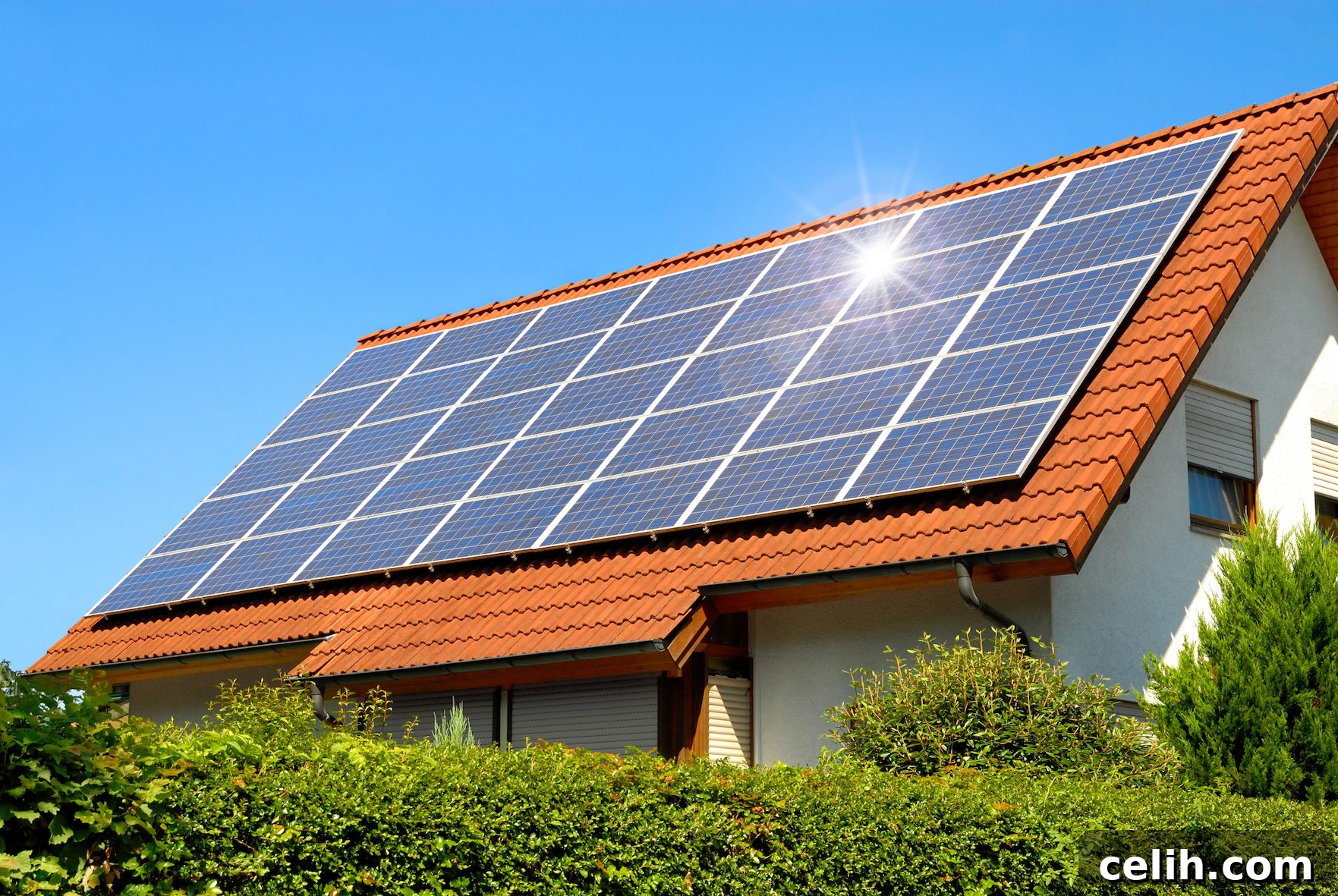
The transition to solar energy marks a pivotal moment for many homeowners, offering a powerful blend of financial savings, environmental stewardship, and enhanced control over household power consumption. Among the various pathways to embracing solar, the Solar Power Purchase Agreement (PPA) stands out as a distinctive and increasingly popular option. For those contemplating this significant shift, a thorough understanding of solar PPAs is absolutely essential to making an informed and confident decision about their home’s energy future.
Understanding Solar PPAs: What Every Homeowner Needs to Know About Power Purchase Agreements
Embarking on the journey to solar can seem daunting, especially when faced with initial investment costs. Solar Power Purchase Agreements (PPAs) were specifically designed to demystify this process and remove financial barriers, making renewable energy accessible to a broader audience. This comprehensive guide will delve into the intricacies of solar PPAs, exploring their mechanisms, benefits, potential drawbacks, and crucial considerations to help you determine if this model aligns with your energy goals.
Defining a Solar Power Purchase Agreement (PPA)
At its core, a solar Power Purchase Agreement (PPA) is a contractual arrangement between a homeowner and a third-party solar provider. Under this agreement, the solar provider designs, finances, installs, owns, and maintains a solar energy system on the homeowner’s property. In return, the homeowner agrees to purchase the electricity generated by that system at a predetermined rate per kilowatt-hour (kWh) for the duration of the contract, typically ranging from 15 to 25 years.
The fundamental distinction of a solar PPA is that the homeowner pays for the electricity produced by the solar panels, not for the solar panel system itself. This means you gain access to clean, solar-generated electricity without the burden of ownership. The third-party provider, often a solar development company or an investor, assumes all responsibilities related to the system, from its performance and upkeep to any necessary repairs. The PPA rate is usually set at or below the prevailing utility electricity price, offering immediate savings and a degree of predictability against fluctuating grid prices.
This model is particularly attractive because it allows households to leverage the benefits of solar energy—such as reduced electricity bills and a smaller carbon footprint—without the substantial upfront capital expenditure typically associated with purchasing and installing a solar array. Understanding solar PPAs begins with grasping this core concept: you are essentially leasing the *output* of the solar system, not the hardware itself.
The Rationale Behind Solar PPAs: Increasing Accessibility
Solar PPAs emerged as an innovative solution to address the primary barriers preventing widespread solar adoption. Traditionally, homeowners interested in solar energy faced two main options: purchasing a system outright or securing a loan to finance its acquisition. Both paths require a significant financial commitment, which can be a deterrent for many households, regardless of their desire for clean energy.
By shifting the ownership and financial responsibility to a third party, solar PPAs dramatically lower the barrier to entry. This contractual model caters specifically to homeowners who:
- Lack the immediate capital or prefer not to use their savings for a solar installation.
- Are hesitant to take on long-term debt or financing for a solar system.
- Wish to avoid the complexities and potential costs associated with system maintenance, repairs, and performance monitoring.
- Are simply not interested in the administrative or technical aspects of owning and managing a solar array.
In essence, solar PPAs democratize access to solar power, allowing a broader spectrum of the population to participate in the renewable energy transition. They act as a vital bridge, connecting homeowners with the benefits of solar energy while mitigating the traditional financial and operational hurdles. Understanding solar PPAs means recognizing their strategic role in making sustainable living more attainable for diverse households across the globe.
Key Advantages of Solar Power Purchase Agreements
Solar PPAs offer a compelling proposition for many homeowners, presenting a range of benefits that make them an attractive entry point into renewable energy. These advantages primarily revolve around financial accessibility, operational simplicity, and environmental contribution.
1. Minimal or No Upfront Cost
One of the most significant draws of a solar PPA is the elimination of substantial upfront costs. Unlike purchasing a solar system, which can involve tens of thousands of dollars in initial investment, a PPA requires little to no money down. This feature removes a major financial obstacle, making solar energy immediately accessible to homeowners who might not have the cash readily available or prefer to allocate their capital elsewhere. By removing this barrier, PPAs allow households to start saving on electricity bills from day one without impacting their savings or taking on new debt.
2. Predictable and Potentially Lower Energy Costs
With a solar PPA, the rate you pay for solar-generated electricity is often locked in at a fixed price per kWh, or it may include pre-defined annual escalation rates that are transparently outlined in the contract. This rate is typically lower than what your local utility company charges, leading to immediate monthly savings on your electricity bill. More importantly, this predictability offers a significant hedge against the volatile and often rising prices of traditional grid electricity. Over the long term, this can translate into substantial savings and greater financial stability, protecting homeowners from unexpected spikes in energy costs.
3. No Maintenance or Performance Responsibilities
Since the solar system is owned and operated by the third-party provider, all aspects of maintenance, repairs, and performance monitoring fall under their purview. This includes everything from routine cleaning and system checks to troubleshooting technical issues and handling warranty claims. For homeowners, this means complete peace of mind; you don’t have to worry about the technical complexities or the unexpected costs of potential breakdowns. The provider has a vested interest in ensuring the system operates optimally, as their revenue is directly tied to the electricity generated, guaranteeing a high level of service and responsiveness.
4. Support for Renewable Energy and Environmental Goals
Beyond the financial benefits, solar PPAs enable homeowners to actively contribute to environmental sustainability. By sourcing electricity directly from solar panels installed on their property, households significantly reduce their reliance on fossil fuels and lower their carbon footprint. This aligns with global efforts to combat climate change and promotes a cleaner, greener energy future. For environmentally conscious individuals, a solar PPA offers a straightforward way to support renewable energy adoption without the commitment of system ownership, making a tangible positive impact on the planet.
Drawbacks and Key Considerations for Solar PPAs
While solar PPAs offer numerous advantages, it’s crucial for homeowners to be aware of their potential limitations and trade-offs. A balanced understanding necessitates a thorough review of the less appealing aspects, ensuring that the decision aligns with long-term financial and lifestyle goals.
1. Lack of System Ownership and Related Incentives
The primary drawback of a solar PPA is that the homeowner never takes ownership of the solar panels. This means you do not qualify for significant financial incentives available to system owners. For instance, the federal Investment Tax Credit (ITC) allows owners of solar systems to claim a substantial tax credit—currently 30%—on the cost of their installation. Similarly, many states and local municipalities offer their own rebates, grants, or performance-based incentives (like Solar Renewable Energy Credits, or SRECs) to solar system owners. By choosing a PPA, you forfeit these valuable financial benefits, which can significantly offset the initial cost of ownership and enhance long-term returns. While the PPA provider benefits from these incentives, those savings are typically factored into the lower electricity rate offered to the homeowner, rather than directly passed on as a tax credit.
2. Long-Term Commitment and Potential Inflexibility
Solar PPA contracts are typically long-term agreements, often spanning 15 to 25 years. While this duration ensures stable electricity rates, it can also introduce a degree of inflexibility. Homeowners are bound by the terms of the agreement for its entire duration, which might become problematic if personal circumstances change, such as a decision to move or a desire to switch energy providers. Breaking a PPA contract prematurely can incur significant penalties, which are usually outlined in the agreement. It’s vital to carefully review these clauses and consider your long-term plans before committing to such an extensive agreement.
3. Complications During Home Sale
Selling a home with an existing solar PPA can add a layer of complexity to the transaction. The PPA contract is tied to the property, not just the individual homeowner. Therefore, when you sell your home, the agreement must be transferred to the new owner, or a buyout option (if available) must be exercised. While many buyers are open to inheriting a PPA, others may be hesitant or unfamiliar with the concept, potentially complicating or delaying the sale. The new owner must qualify and agree to the PPA terms, which can involve a credit check by the solar provider. Ensuring a smooth transfer requires proactive communication and clear understanding of the PPA’s terms regarding property sales.
4. Variable Savings and System Performance
While PPAs often guarantee a lower electricity rate, the actual savings realized can vary. Your energy bill savings are directly dependent on the amount of electricity the solar system generates. Factors like your roof’s orientation, shading from trees or neighboring buildings, local weather patterns, and even the natural degradation of solar panels over time can affect the system’s output. While many PPA contracts include performance guarantees, these guarantees often specify a minimum production level, and if the system underperforms, the homeowner may only receive a credit rather than a full refund of lost savings. It’s important to scrutinize these performance clauses and understand how underproduction is handled.
Crucial Questions to Ask Before Signing a Solar PPA
Making an informed decision about a solar PPA requires more than just understanding the basic benefits and drawbacks. It demands proactive inquiry and a detailed review of the contract’s specifics. Before committing to a long-term solar PPA, arm yourself with these critical questions to ensure full clarity and confidence in your choice.
- How is the solar energy rate calculated, and how might it change over time?
Understand the initial per-kWh rate, any annual escalation rates (e.g., 2-3% per year), and how they compare to historical utility rate increases. Ask for a clear breakdown of the cost structure over the entire contract term to project your potential savings accurately.
- What happens if the solar system underperforms its projected output?
Inquire about performance guarantees. Does the contract specify a minimum annual production? What remedies are in place if the system fails to meet this guarantee (e.g., credit on your bill, maintenance service)? Understand the reporting and monitoring mechanisms to track performance.
- Who is responsible for repairs, insurance, and maintenance of the system?
While typically the provider’s responsibility, confirm the exact scope. Does it cover all repairs, parts, labor, and routine maintenance? Is there a rapid response time for outages? What about property damage related to the installation or operation of the system?
- How will the PPA affect the resale value of my home, and what are the transfer procedures?
Discuss the process for transferring the PPA to a new homeowner. What are the requirements for the new buyer (e.g., credit check)? Are there options for buying out the system at a fair market value if a buyer is unwilling to assume the PPA? Understanding this can mitigate future home sale complications.
- Are there performance guarantees and monitoring systems in place?
Clarify how system performance is monitored and how you can access this data. Will you receive regular performance reports? What are the protocols for reporting and addressing underperformance or system malfunctions?
- What are the terms for early termination of the PPA?
Understand the penalties or fees associated with early termination, such as if you decide to move and the new owner doesn’t want to assume the PPA, or if you wish to buy out the system before the contract ends.
- What happens at the end of the contract term?
Inquire about your options once the PPA expires. Can you renew the agreement, purchase the system at a depreciated value, or have the system removed? Understand any costs associated with removal.
By diligently seeking clear and comprehensive answers to these questions, you can gain a complete picture of the PPA’s implications and confidently assess whether it aligns with your financial and lifestyle objectives. Always review the entire contract with legal counsel if possible before signing.
Is a Solar PPA Right for Your Home?
Deciding whether a solar PPA is the optimal choice involves weighing your personal circumstances, financial priorities, and long-term goals. There’s no one-size-fits-all answer in the realm of solar energy, and PPAs represent just one of several viable pathways to sustainable power generation.
A solar PPA can be an exceptionally strong choice for homeowners who:
- Prioritize immediate savings with minimal financial outlay: If avoiding upfront costs and ensuring predictable monthly energy expenses are your top priorities, a PPA offers an attractive solution.
- Prefer hands-off solar management: For those who appreciate not having to worry about maintenance, repairs, or technical issues, the PPA’s full-service model provides unparalleled convenience.
- Are renters, or have limited access to financing: PPAs can make solar accessible to individuals who might otherwise be excluded due to credit limitations or property ownership structures.
- Have a stable long-term residence: Homeowners planning to stay in their home for the duration of the PPA contract (15-25 years) will benefit most from the consistent energy rates and avoid transfer complexities.
- Are environmentally conscious but budget-focused: PPAs allow you to contribute to renewable energy adoption without a significant personal investment.
Conversely, other solar options, such as purchasing a system outright or financing it with a loan, might be more appealing for homeowners who:
- Seek maximum long-term financial returns: System owners can leverage valuable tax credits, rebates, and potentially sell excess energy back to the grid, leading to greater overall savings and a quicker return on investment.
- Desire complete ownership and control: Owning your system provides full autonomy, allowing you to make upgrades, choose your maintenance provider, and avoid any contractual obligations related to future home sales.
- Have access to capital or favorable financing: If you have the funds or can secure a low-interest loan, the long-term financial benefits of ownership often outweigh those of a PPA.
- Are planning to sell their home in the near future: While a PPA can be transferred, owning a solar system outright can sometimes add more clear value to a property without the contractual baggage.
Ultimately, your personal goals, current financial situation, and anticipated long-term plans will dictate which solar pathway makes the most sense. Taking the time to evaluate these factors against the specific terms of a PPA is paramount to making a decision that truly fits your needs.
Final Thoughts on Solar PPAs: Making an Informed Decision
Solar energy is undeniably transforming the residential power landscape, offering a beacon of sustainability and economic relief. Within this evolving narrative, solar Power Purchase Agreements play an increasingly important role, acting as a crucial enabler for broader adoption. By meticulously removing the significant financial and operational hurdles of solar ownership, PPAs empower a wider spectrum of homeowners to actively participate in the clean energy revolution, reducing their carbon footprint and enjoying predictable electricity costs without the complexities of direct system management.
However, like any long-term financial commitment, PPAs are not without their trade-offs. The decision to enter into a solar PPA demands a thoughtful and comprehensive evaluation—one that transcends the immediate allure of zero upfront costs and extends to a diligent consideration of the contract’s lengthy duration, its implications for home resale, and the forfeiture of valuable ownership incentives. Understanding solar PPAs means meticulously examining the fine print, asking probing questions, and comparing the offerings against alternative solar financing models.
Your journey toward a solar-powered home is a significant one. Whether you ultimately choose the path of a PPA, opt for outright purchase, or explore a leasing agreement, clarity and careful deliberation will be your most valuable tools. By arming yourself with knowledge about the mechanics, advantages, and limitations of solar PPAs, you are empowered to make a decision that not only aligns seamlessly with your values but also perfectly suits your unique lifestyle and financial aspirations, securing a brighter, more sustainable energy future for your home.