
Choosing the right radiator for your home might seem like a straightforward task, but it’s an intricate decision that balances aesthetic appeal with crucial functional requirements. Beyond simply providing warmth, modern radiators have evolved into significant design elements that can enhance or detract from your interior space. The sheer variety of options available – from the practical to the highly decorative – can make the selection process feel overwhelming, especially if you’re unfamiliar with the nuances of heat output, sizing, and style. Selecting a radiator that clashes with your existing décor or fails to adequately heat a room can lead to frustration and costly reconsiderations.
This comprehensive guide delves into the diverse world of radiator shapes and styles, exploring both classic and contemporary designs. We’ll examine the unique characteristics of each type, discuss their optimal applications, and highlight key considerations to help you make an informed choice that perfectly complements your home’s aesthetic and heating needs. Understanding the distinct advantages of each shape will empower you to select a heating solution that is not only efficient but also a stylish addition to your living environment.
Convector Radiators: The Functional Foundation
Convector radiators represent the most ubiquitous and historically popular style, largely due to their manufacturing simplicity, cost-effectiveness, and efficient heat distribution. These workhorses of home heating are designed to primarily generate heat through convection, drawing in cool air, warming it over internal fins, and releasing it back into the room. They typically come in two main configurations: single panel and double panel.
A single panel radiator features one flat panel, providing a decent level of heat for smaller rooms or areas with less demand. A double panel radiator, on the other hand, incorporates two panels with a set of ‘zig-zag’ fins (also known as convector fins) sandwiched between them. These fins significantly increase the surface area available for heat exchange, thereby boosting the radiator’s heat output considerably. The more robust heat output of double panel variants makes them suitable for larger rooms or spaces requiring more substantial warmth.
Manufacturers often produce convector radiators with or without a decorative casing. Standard convector radiators might expose the corrugated back and sides, while ‘compact’ versions feature a sleek, factory-fitted casing that covers these elements, giving the unit a more streamlined, boxed appearance. This encased design can be particularly appealing for those seeking a neater, more integrated look without sacrificing efficiency.
Ideal Application: Convector radiators excel when functionality and simplicity are paramount. They are an excellent choice for bedrooms, living rooms, kitchens, and hallways where you desire reliable, unobtrusive heating. Their straightforward design allows them to blend seamlessly into almost any interior, making them a versatile and practical heating solution for most households.
Column Radiators: A Blend of Tradition and Timeless Style
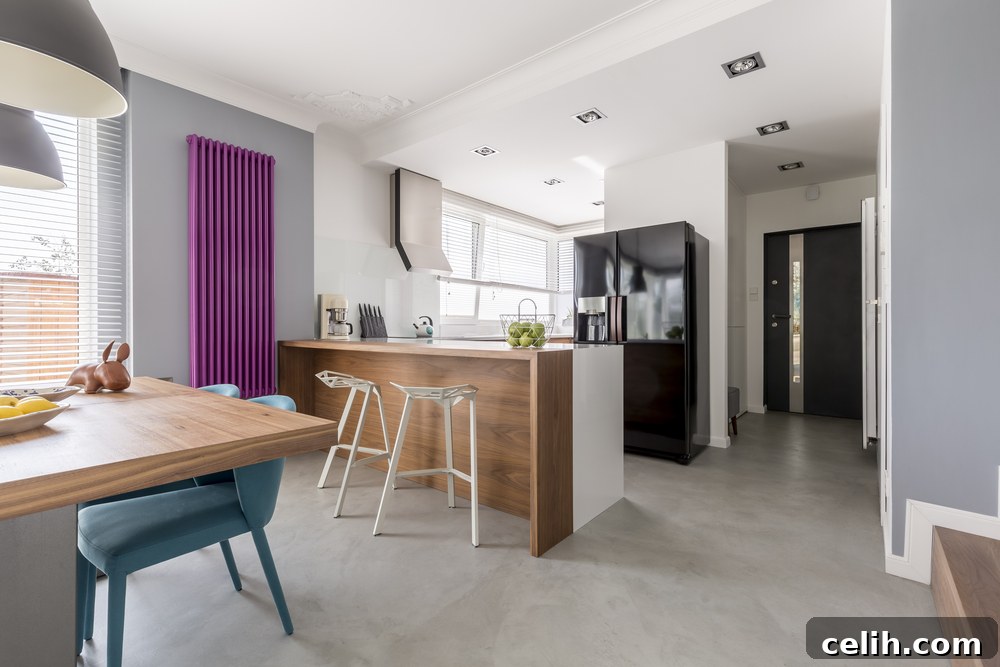
Column radiators are often a source of confusion, primarily regarding the definition of “column” in their name. Unlike vertical radiators, which refer to orientation, the “column” in column radiators refers to the series of vertical tubes or sections that form the radiator’s body. These elegant radiators harken back to classic Victorian designs but have been expertly reimagined to suit contemporary interiors, offering a charming blend of heritage and modern appeal.
Typically crafted from steel or cast iron, column radiators are characterized by their distinctive vertical tubular sections, which can be arranged in multiple rows or ‘columns’ to create varying depths. A ‘double-column’ radiator, for instance, would feature two rows of vertical tubes. The more columns a radiator possesses (e.g., triple or quadruple), the greater its surface area, which directly translates to a higher heat output. This makes them highly adaptable to rooms of different sizes and heating requirements.
Column radiators are available in both horizontal and vertical orientations, providing significant flexibility in placement. Horizontal column radiators are ideal for positioning under windows or along longer walls, while vertical column radiators are perfect for narrow wall spaces, adding a striking visual element without consuming valuable floor area. They come in an impressive array of finishes, from classic white and anthracite to vibrant colours and polished metallics, allowing them to serve as a subtle backdrop or a bold design statement.
Ideal Application: Column radiators are best suited for those who appreciate a radiator with character and a strong aesthetic presence. They can beautifully complement both period properties and modern homes seeking a touch of classic sophistication. Their versatility makes them perfect for living rooms, dining rooms, spacious hallways, and kitchens, where they can become a focal point rather than just a functional appliance. While they offer excellent heat output, their slightly bulkier profile compared to flat panels means careful consideration of size and location is important to ensure they integrate harmoniously into the room.
Towel Rails: Practicality Meets Luxury
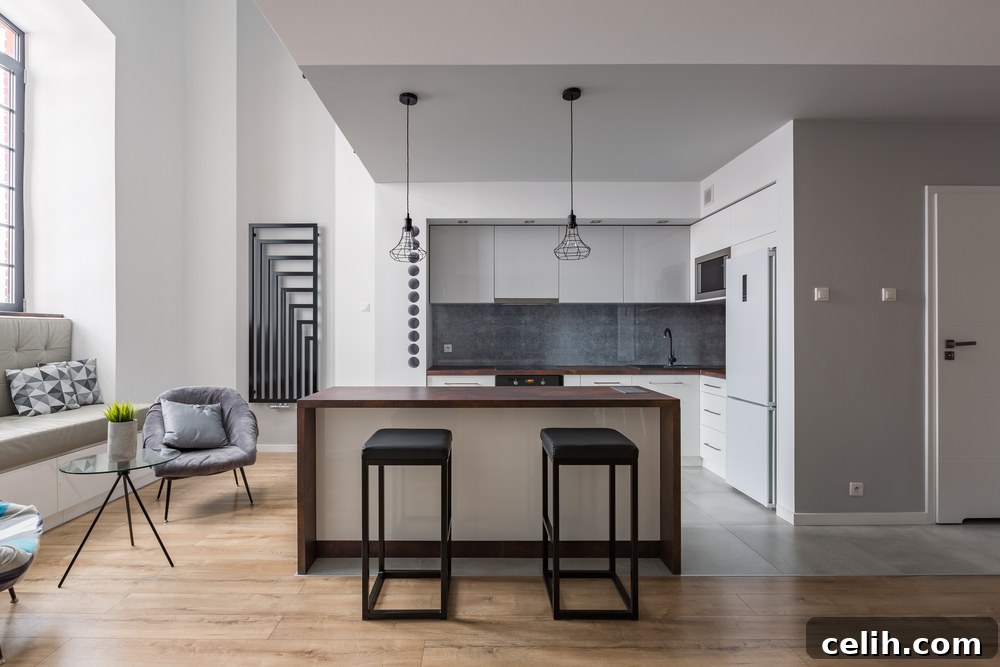
Towel rails are distinct from general vertical radiators, serving a unique dual purpose that makes them indispensable in specific areas of the home. Essentially, they are radiators designed with horizontal bars or ‘rungs’ that resemble a ladder, specifically engineered for hanging, warming, and drying towels. This distinctive “ladder rail” design ensures that towels are not only kept toasty warm but also dry quickly, preventing dampness and mildew in moisture-prone environments.
Unlike standard radiators, towel rails actively encourage interaction, inviting you to place items on them. They are primarily installed in bathrooms, en-suites, and utility rooms where their warming and drying capabilities are most beneficial. Beyond their practical function, modern towel rails are available in an extensive range of styles, from simple chrome ladder designs to sophisticated, sculptural pieces in matte black, brushed steel, or bespoke colours. Some designer towel rails feature wider gaps, allowing for thicker towels or multiple items, while others have cleverly integrated hooks or shelves.
When selecting a towel rail, it’s crucial to consider not just its aesthetic appeal but also its heat output (BTU). While many are powerful enough to heat a bathroom, some might primarily focus on towel warming. Ensure the chosen model can adequately warm your space, especially in larger bathrooms or those with poor insulation. They are often installed slightly higher on walls to accommodate towels and leave ample wall space visible, contributing to an open, airy feel.
Ideal Application: Towel rails are best suited for bathrooms, shower rooms, en-suites, and utility rooms where maximizing space and functionality is key. They provide an elegant solution for keeping towels warm and dry, enhancing comfort and hygiene. They work particularly well when you have sufficient wall space above eye level and wish to maintain a visible wall colour, allowing the rail to integrate seamlessly or act as a subtle feature.
Flat Panel Radiators: The Epitome of Modern Minimalism
The term “flat panel radiator” might seem contradictory since all radiators are essentially panels. However, this designation specifically refers to radiators characterized by their exceptionally smooth, unblemished front surface. Unlike convector radiators that often reveal internal fins or indentations, flat panel radiators boast a completely flat, sleek façade, creating a clean and contemporary aesthetic that perfectly aligns with minimalist interior design principles.
While the front may be entirely flat, most flat panel radiators still incorporate convector fins on their rear side, hidden against the wall. These fins are crucial for facilitating airflow and maximizing heat output through convection, ensuring efficient warming despite the minimalist exterior. High-end flat panel radiators, however, may be designed to be completely flat front and back, relying more on radiant heat and potentially advanced internal designs to achieve desired BTU outputs. For these truly flat variants, it is particularly important to carefully calculate the required BTU output to ensure they can adequately heat your chosen room.
Flat panel radiators are available in a vast array of sizes, orientations (horizontal and vertical), and finishes, including polished chrome, brushed stainless steel, matte black, pristine white, and even glass-fronted options. Their understated elegance makes them a favourite for modern homes, seamlessly blending into the background or becoming a subtle feature. Some designers opt for dark flat panel radiators against lighter walls to create a sophisticated contrast and add a touch of character to a room.
Ideal Application: This shape is ideal for contemporary and minimalist interiors where clean lines and an uncluttered aesthetic are highly valued. Flat panel radiators are superb for living rooms, dining rooms, hallways, and offices where you want a heating solution that is both highly efficient and visually discreet. They offer a refined elegance that elevates the overall design of a space without drawing excessive attention to themselves.
Offset Radiators: Dynamic Design and Innovative Plumbing
Offset radiators represent a distinctive and increasingly popular design choice, often bridging the gap between designer radiators and more functional towel rails. The fundamental innovation behind offset radiators lies in their plumbing connections. Instead of having valves positioned at opposing ends to meet pipework, offset radiators feature their inlet and outlet connections situated adjacent to one another, typically on one side or at the bottom of the unit.
This ingenious arrangement allows for an asymmetrical or ‘offset’ design, where the radiator’s heating elements can extend beyond the plumbing connections, creating a unique visual dynamic. The shape of the radiator can then be “offset” in various intriguing ways, leading to designs that are visually striking and often appear to float or have an unconventional balance. This innovative structure can produce fascinating geometric forms, making the radiator a prominent sculptural feature in any room.
However, the unique plumbing configuration of offset radiators requires careful planning during installation. To maintain their sleek aesthetic, it is highly recommended that the pipework be concealed behind the wall where possible. If pipework needs to run visibly to the floor, it could detract significantly from the radiator’s clean lines, potentially appearing obtrusive and undermining the intended design impact. Expert installation is often crucial to maximize the visual appeal of an offset radiator.
Ideal Application: Offset radiators are perfectly suited for modern, avant-garde interiors where homeowners are looking to make a bold design statement. They are excellent choices for feature walls in living rooms, dining areas, or even spacious hallways where their unique form can be appreciated. They work best in new builds or renovation projects where plumbing can be specifically routed to accommodate their distinctive connections and ensure a flawless, integrated look.
Contemporary & Designer Radiators: Form Meets Function as Art
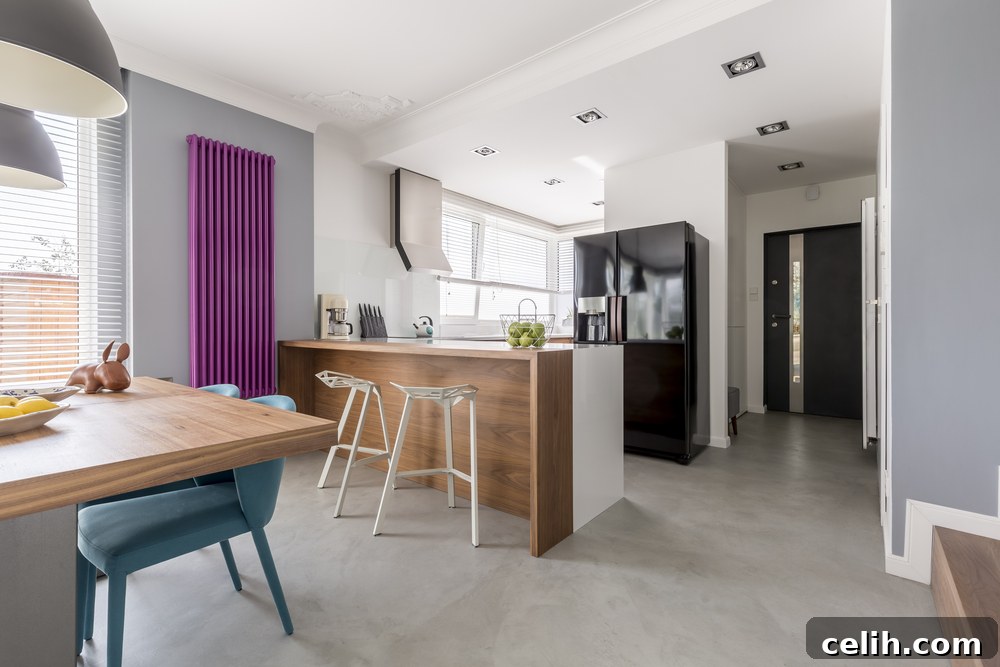
The term “contemporary radiator” is indeed broad, encompassing a vast and exciting category where heating appliances transcend mere utility to become genuine works of art. This category primarily applies to radiators designed by leading brands and artists who push the boundaries of conventional heating solutions, creating pieces that stand out for their innovative shapes, unique materials, and exceptional finishes. Essentially, if a radiator doesn’t neatly fit into the established categories of convector, column, flat panel, or towel rail, and exhibits a distinctive, art-inspired design, it likely falls under the contemporary umbrella.
Contemporary and designer radiators explore a spectrum of forms, from abstract sculptural pieces and sleek vertical monoliths to radiators integrated into furniture or disguised as decorative panels. Materials can range from standard steel and aluminium to glass, stone, and even wood composites, each offering different thermal properties and aesthetic qualities. Finishes are equally diverse, including custom paint colours, metallic patinas, and textured surfaces, allowing for unparalleled personalization.
These radiators are not just about looks; they are engineered to provide efficient heat output while serving as a focal point in a room. Many incorporate advanced heating technology and sustainable design principles, demonstrating that beauty and performance can coexist. Their unique profiles can transform a wall into a gallery space, making a bold statement about the homeowner’s style and appreciation for innovative design. They can be found in various configurations, including vertical designer radiators that stretch elegantly up a wall, horizontal designer radiators with unusual profiles, or bespoke pieces tailored to specific architectural challenges.
Ideal Application: Contemporary radiators are perfect for discerning homeowners and interior designers looking for something truly unique and out-of-the-box. They are ideal for high-end residential projects, boutique commercial spaces, or any setting where the heating system is intended to be a significant part of the interior design narrative. They offer a solution for those who want their radiator to function flawlessly while also acting as a key aesthetic feature or even a conversation starter.
Beyond Standard Shapes: Niche Radiator Designs
While the primary categories cover most options, the world of radiators offers even more specialized designs tailored to specific architectural needs or aesthetic preferences:
- Bay Window Radiators: These custom-made radiators are specifically designed to follow the curve of a bay window. They offer an elegant solution for heating spaces that would otherwise be difficult to fit with standard straight radiators, ensuring continuous warmth and maintaining the architectural integrity of the bay.
- Skirting Board Radiators: Designed for ultimate discretion, these radiators integrate seamlessly into the skirting board around the perimeter of a room. They offer an incredibly subtle heating solution, freeing up wall space and blending almost invisibly into the decor, making them perfect for minimalist designs or rooms with limited wall space.
- Cast Iron Radiators: While often falling into the ‘column’ category, heritage cast iron radiators deserve a special mention. Revered for their impressive heat retention properties – they continue to emit warmth long after the heating system is turned off – these robust radiators bring a touch of timeless grandeur. Available in intricate designs and a wide range of finishes, they are perfect for period properties or homes seeking a classic, enduring aesthetic with superior thermal performance.
Key Considerations for Radiator Selection
Choosing the perfect radiator involves more than just picking a shape; it requires a holistic approach that considers several practical and aesthetic factors:
- Heat Output (BTU Calculation): This is arguably the most critical factor. The British Thermal Unit (BTU) rating indicates how much heat a radiator can emit. An accurate BTU calculation, based on room size, window type, insulation levels, and exposure, is essential to ensure your chosen radiator can adequately warm the space without being oversized or undersized. Many online calculators and professionals can assist with this.
- Space & Placement: Assess the available wall space. Vertical radiators and towel rails save horizontal space, while horizontal radiators fit well under windows. Consider existing plumbing, furniture arrangement, and potential traffic paths to ensure the radiator is optimally positioned for both efficiency and comfort.
- Aesthetics & Style: Your radiator should complement your home’s overall interior design. Whether you prefer a radiator that blends in seamlessly or stands out as a focal point, the chosen shape, material, and finish should align with your decorative vision.
- Budget: Radiator prices vary significantly across types, materials, and brands. Convector radiators are generally the most affordable, while designer and custom-made options can be a substantial investment. Set a realistic budget before you begin your search.
- Installation: Consider the complexity of installation. Swapping a like-for-like radiator might be straightforward, but changing from a horizontal to a vertical unit, or installing an offset radiator, may require significant plumbing alterations. Factor in potential installation costs and consider professional help.
Want to Find the Right Radiator Shape?
Exploring the vast array of radiator styles in person or through detailed online galleries can significantly aid your decision-making process. Websites like https://www.traderadiators.com offer extensive collections of these radiator styles and many more. They showcase not only the popular options but also lesser-known yet equally effective designs, such as specialized bay window radiators and authentic heritage cast iron radiators, allowing you to visualize how different shapes and finishes might look in your home.
Are You Having Problems with Radiators?
Even the most perfectly chosen radiator can encounter issues. Common problems include radiators that remain cold at the top or bottom when the heating is on, or those that don’t seem to allow water to circulate properly. These often indicate trapped air within the system, a problem that can usually be resolved by bleeding the radiator. Learning how to perform this simple maintenance task can save you from unnecessary service calls. For a clear, step-by-step guide on resolving this common issue, consult this helpful post on How To Bleed A Radiator.
Give Your Home That Personal Touch
Beyond radiators, creating a truly inviting home involves thoughtful attention to every detail. Infuse your living spaces with personality and warmth by exploring the latest trends and timeless ideas in home accessories. Discover inspiration for everything from vintage decor making a comeback to sustainable design solutions that enhance both your home and the environment. Find expert tips and creative ideas to transform any house into a cherished home by reading the latest home accessories posts here.
Image credits: Shutterstock