
Embrace Organic Modern: A Comprehensive Guide to Crafting a Serene and Stylish Home
Modern interior design has long been celebrated for its sleek lines, minimalist aesthetic, and sophisticated simplicity. Yet, for all its undeniable allure, many find that its characteristic hard materials and rigid geometric forms can sometimes create spaces that feel cold, impersonal, and even sterile. If you find yourself drawn to the elegance of modernism but yearn for warmth, comfort, and a deeper connection to nature, then the organic modern design style is your perfect solution.
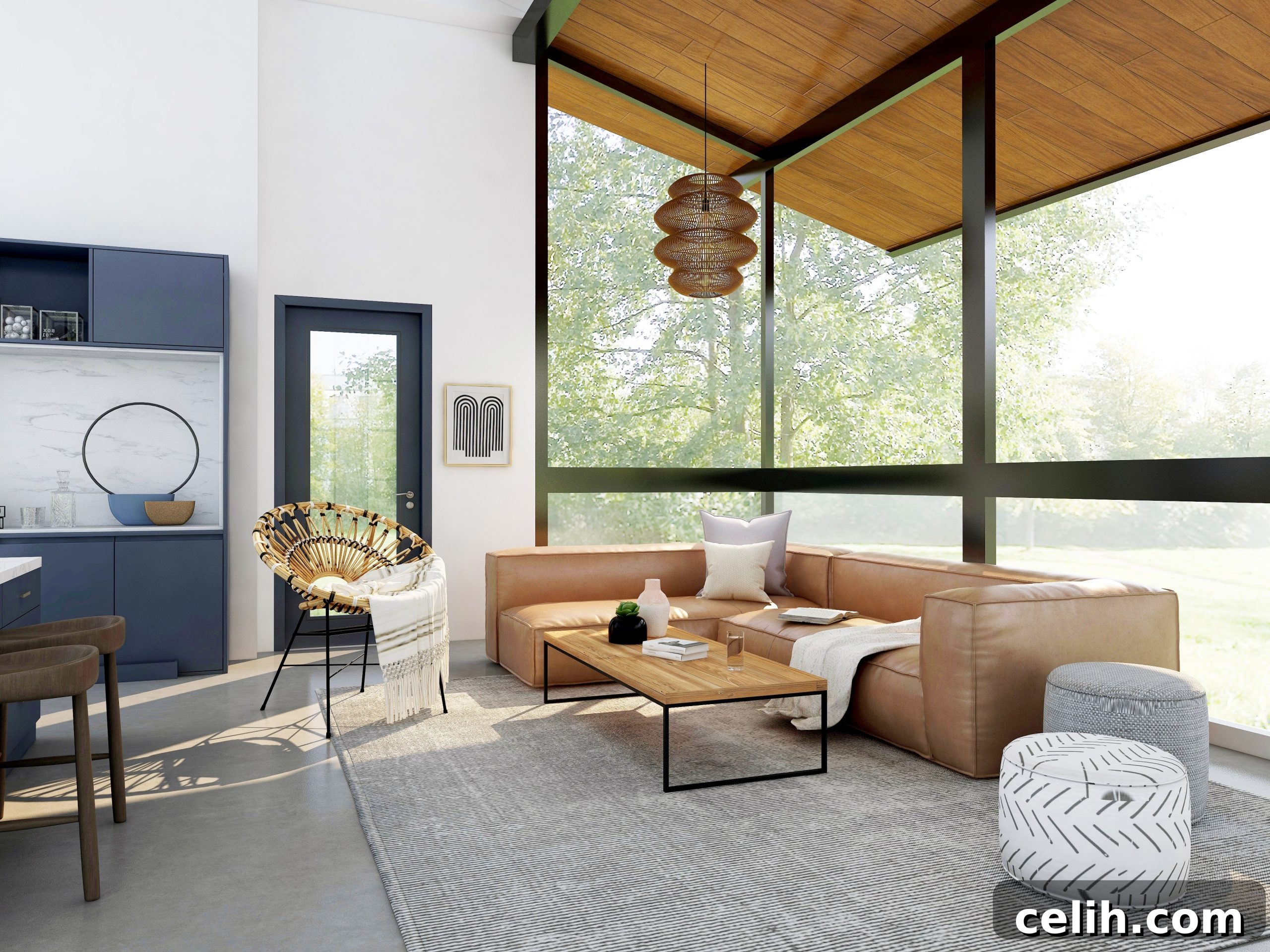
Organic modern interior design offers a harmonious blend of contemporary sophistication and natural serenity. It artfully incorporates warmer color palettes, an abundance of natural materials, and softer, more inviting textures, all while maintaining the clean, uncluttered ethos of modernism. This style masterfully strikes a balance, creating spaces that feel both refined and incredibly welcoming, making it an ideal choice for those looking to decorate sustainably and uniquely while promoting well-being in their living environment.
However, achieving the organic modern look requires a discerning eye. It’s easy to inadvertently drift into other design territories, such as rustic farmhouse or bohemian, if the core principles aren’t carefully applied. This comprehensive, step-by-step guide will walk you through the essential elements of organic modern design, helping you transform your home into a tranquil and aesthetically pleasing sanctuary.
Cultivate Serenity with a Neutral Color Palette
The foundation of any organic modern space lies in its color scheme. To achieve the desired subdued and airy ambiance, the dominant colors in your rooms should lean heavily towards a sophisticated neutral palette. Think beyond just stark white; envision a spectrum of calming hues that serve as a clean canvas, allowing natural textures and organic forms to truly shine. These colors inherently reflect light, making spaces feel larger, brighter, and more inviting, contributing significantly to the style’s core feeling of lightness and openness.
While bright and bold tones can be overbearing in large doses within this aesthetic, a judicious use of white, cream, soft ivory, light beige, and pale gray forms the backbone of the organic modern palette. These foundational colors promote a sense of calm and clarity, providing the perfect backdrop for the natural elements to come. For larger pieces like walls, expansive rugs, or significant furniture items, adhering to these understated tones helps maintain visual tranquility and prevents the space from feeling chaotic or cluttered. You can introduce occasional, subtle nods to color through accent pieces such as carefully chosen artwork, throw pillows in muted earth tones, or ceramic vases, ensuring they complement rather than overpower the overarching serenity.
Immerse Your Home in Natural Materials and Rich Textures
The “organic” element in organic modern truly comes alive through the thoughtful incorporation of natural materials and varied textures. These elements are not just decorative; they bring the undeniable beauty and comforting essence of the natural world directly into your home, engaging the senses and fostering a deeper connection to nature. The diverse textures and inherent warmth of these materials create a layered, inviting environment that stands in stark contrast to the often-cold feel of purely minimalist modern spaces.
For furniture, prioritize materials known for both their aesthetic appeal and durability. Solid timber, with its rich grain and robust character, forms the bedrock of many organic modern pieces. Rattan and bamboo, celebrated for their lightness, intricate weaves, and sustainability, add an exotic yet grounded touch, perfect for chairs, screens, or decorative elements. Beyond these, consider elements like natural stone (travertine, marble, slate) for countertops, fireplaces, or decorative accents, bringing an earthy grounding. Soft furnishings are where you can truly layer comfort: luxurious wool rugs, textured linen drapes, cozy cotton throws, and even faux fur accents add tactile richness and visual depth. Jute and sisal are excellent choices for rugs, offering durable, natural fibers that introduce an appealing coarse texture underfoot.
An added, invaluable benefit to embracing natural materials is the significant improvement in the safety and health of your home environment. Many synthetic or processed materials can off-gas toxic substances, such as Volatile Organic Compounds (VOCs), which have been linked to various negative health effects, from respiratory issues to headaches. By opting for products made from natural, non-toxic alternatives, you’re not just making an aesthetic choice but a lifestyle one. For instance, upgrading an old mattress to an organic mattress made of safe, natural materials can drastically improve your indoor air quality and promote healthier sleep, aligning perfectly with the holistic well-being promoted by the organic modern philosophy.
Embrace Organic Shapes and Soft Lines
One of the most defining characteristics that sets organic modern apart from conventional modern design is its deliberate departure from rigid, geometric shapes. While classic modernism often celebrates sharp angles and straight lines, organic modern looks to nature for inspiration, preferring softer, more fluid contours. Nature, in its essence, rarely presents perfect straight lines or harsh edges; instead, it offers an abundance of curves, gentle undulations, and irregular forms.
Incorporating these natural shapes into your home prevents spaces from feeling cold, stark, or overly formal. While you can’t literally bring rolling hills or fluffy clouds indoors, you can evoke their calming presence through your choice of furniture and decor. Opt for pieces that feature graceful curves, rounded edges, and asymmetrical forms. Consider a sofa with a subtle arch, a round or oval dining table, a freeform coffee table crafted from a natural wood slab, or art pieces with organic, abstract shapes. Even smaller elements like pottery, vases, and mirrors can introduce these softer lines, creating a sense of flow and visual harmony. These gentle forms feel inherently more welcoming and soothing, contributing to a truly comfortable and approachable aesthetic.
Prioritize Uncompromising Comfort and Practicality
Beyond aesthetics, the organic modern philosophy places paramount importance on creating a home that is profoundly comfortable and functional. A beautiful space loses much of its appeal if it doesn’t also serve as a comfortable refuge. If the organic modern interior style had a mission statement, it would undoubtedly be to create absolute comfort within a space distinguished by aesthetic beauty and natural softness. This means every design decision should ultimately contribute to a more livable and enjoyable environment.
When selecting functional items for your home, such as sofas, chairs, and beds, always prioritize comfort. Look for plush upholstery in natural, breathable fabrics like linen or cotton, deeply cushioned seating, and ergonomic designs that invite relaxation. Comfort extends beyond just physical ease; it encompasses the overall feeling a room evokes. Soft lighting, warm ambient hues, and pleasant textures underfoot contribute to a sensory experience of well-being. By choosing the most comfortable options, you ensure your space is not only visually appealing but also a true haven, making it more inviting for both residents and guests, and significantly enhancing your daily enjoyment of your home.
Integrate Living Plants: The Ultimate Biophilic Touch
Plants are arguably the most essential organic accent, embodying the very essence of the organic modern style. As living organisms, they are the epitome of organic, instantly injecting life, vibrancy, and natural movement into any space. Beyond their unparalleled aesthetic appeal, plants serve as the backbone of biophilic design, a concept central to organic modernism that emphasizes human connection to nature within built environments.
Integrating fresh greenery effortlessly provides the natural movement and dynamic textures that complement the style’s natural material palette. More importantly, plants actively improve your indoor environment. They purify the air by absorbing toxins and releasing fresh oxygen, making your spaces demonstrably cleaner, healthier, and more invigorating. From large, dramatic floor plants that anchor a room to smaller tabletop varieties that add delicate touches, you can find plants of virtually any size and shape to suit your specific needs. When selecting plants, particularly if you have pets or small children, always opt for non-toxic varieties to ensure safety. For those who lack a green thumb or the time for extensive plant care, modern alternatives are incredibly convincing; you can find high-quality, lifelike artificial plants online that offer the visual benefits without the maintenance.
Cultivate a Mindful, Clutter-Free Space
Just as nature is not cluttered with superfluous objects, your organic modern home should embody a sense of spaciousness and clarity. Clutter of any kind, whether physical or visual, actively detracts from the feeling of light airiness and tranquility that organic modernism strives to achieve. This principle echoes minimalist philosophies but is rooted in creating a serene backdrop where carefully chosen natural elements can truly be appreciated.
To cultivate such an environment, you should strive to minimize your belongings. Begin by decluttering, getting rid of old furniture, decorative pieces, and anything that doesn’t align with your new aesthetic or serve a genuine purpose. The method you choose for decluttering is less important than the outcome: whether you follow the KonMari method, adopt a “one in, one out” rule, or simply embrace a mindful approach to purchasing, the goal is a noticeable lack of clutter and an invigorating lightness of space. Going forward, resist the temptation to fill every empty surface or wall. Instead, appreciate negative space as a design element itself. If new decorative elements are truly needed, prioritize quality over quantity, opting for unique, hand-crafted art pieces purchased directly from artists, which often carry a story and an authentic, natural charm that complements the organic modern ethos beautifully.
Embrace the Harmony of Organic Modern
Organic modern design offers a refreshing and enduring approach to home interiors, successfully merging the sleek, sophisticated sensibility of modern design with the warmth, comfort, and restorative power of nature. By meticulously applying these core principles – embracing a neutral palette, investing in natural materials, favoring organic shapes, prioritizing comfort, integrating living plants, and maintaining a clutter-free environment – you can transform your home into a truly exceptional space.
This style is more than just an aesthetic; it’s an invitation to create a healthier, more sustainable, and profoundly comfortable living environment. The result is a home that not only looks incredibly stylish and cute but also feels like a serene sanctuary, promoting well-being and a deeper connection to the natural world. Embark on your organic modern design journey and discover the transformative power of this harmonious blend.