
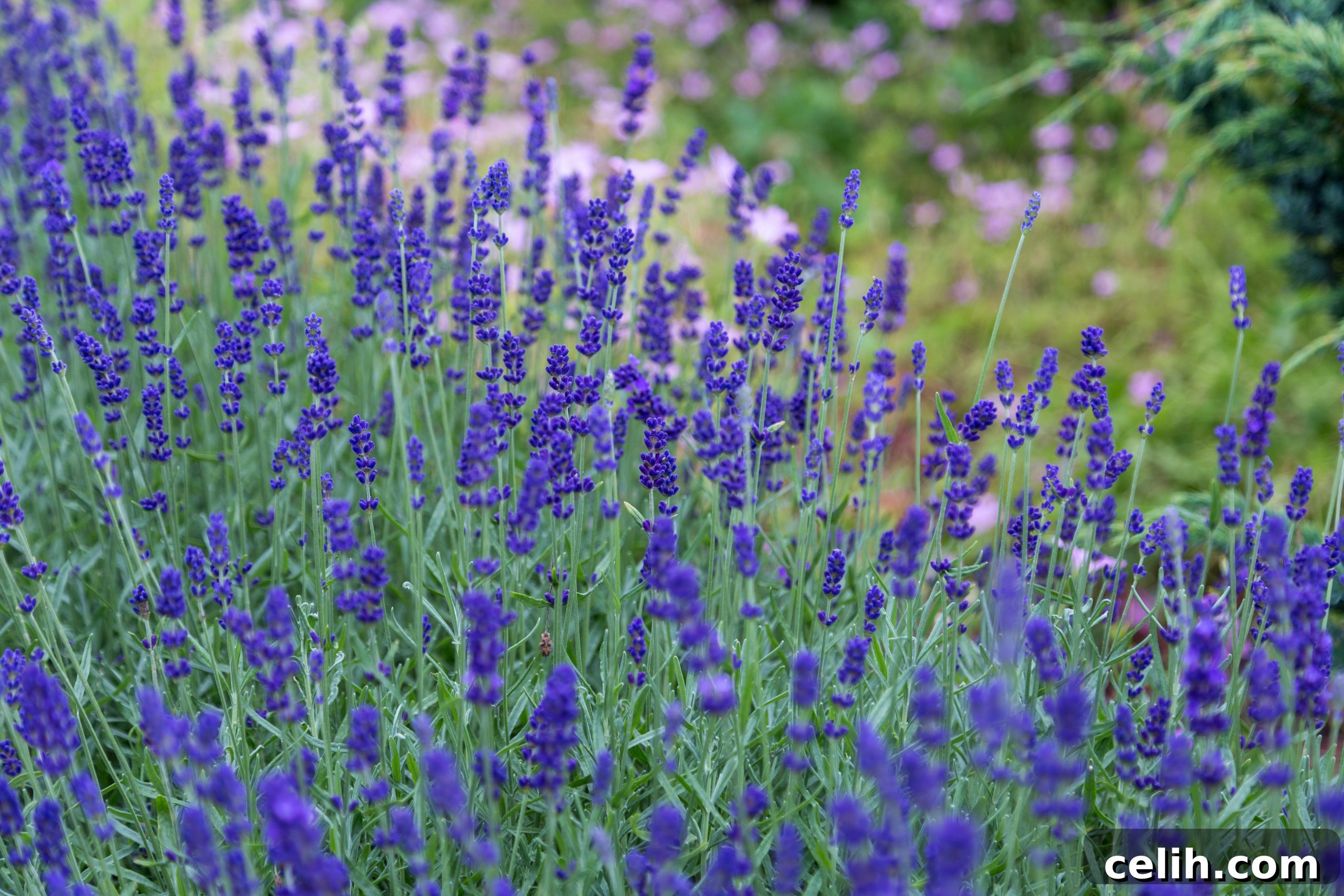
Creating and maintaining a vibrant flower garden is a deeply rewarding experience, transforming outdoor spaces into havens of beauty and tranquility. However, the joy of watching your blooms flourish can often be overshadowed by one of the most persistent challenges gardeners face: the relentless invasion of unwanted plants, commonly known as weeds. These tenacious intruders compete with your beloved flowers for vital resources like sunlight, water, and nutrients, stifling their growth and diminishing the aesthetic appeal of your carefully cultivated sanctuary. Effectively managing and preventing these unwelcome guests is paramount to ensuring your flower garden thrives year after year.
Fortunately, a diverse array of strategies and techniques can be employed to protect your flower garden from the encroachment of unwanted plants. From advanced horticultural methods to time-tested manual approaches, understanding and implementing the right tactics will empower you to cultivate a healthy, flourishing garden free from competitive vegetation. This comprehensive guide will explore various effective methods, emphasizing both their benefits and potential considerations, to help you maintain a picture-perfect floral display.
Understanding the Challenge: Why Weeds are a Problem
Before delving into specific control methods, it’s helpful to understand why weeds pose such a significant threat. Weeds are often hardy, fast-growing plants that have evolved to quickly colonize disturbed soil. They produce copious amounts of seeds, spread aggressively through root systems, and can adapt to a wide range of environmental conditions. In your flower garden, they aren’t just an eyesore; they are direct competitors that can:
- Deprive Desired Plants of Resources: They hog water, nutrients, and sunlight, leaving less for your flowers.
- Harbor Pests and Diseases: Some weeds can act as hosts for common garden pests or diseases, which can then spread to your ornamental plants.
- Obstruct Growth: Dense weed growth can physically crowd out smaller, more delicate flowers, preventing them from developing properly.
- Diminish Aesthetics: A weed-choked garden simply doesn’t look as beautiful or cared for.
- Interfere with Maintenance: Weeds can make tasks like watering, fertilizing, and pruning more difficult and less effective.
By adopting a multi-pronged approach that combines preventive measures with timely intervention, you can effectively minimize their impact and ensure your flower garden remains a source of pride and beauty.
Strategic Weed Control Methods for Your Flower Garden
Protecting your garden involves a combination of proactive prevention and reactive removal. Here are some of the most effective strategies:
Herbicides: A Tool for Targeted Control (Use with Caution)
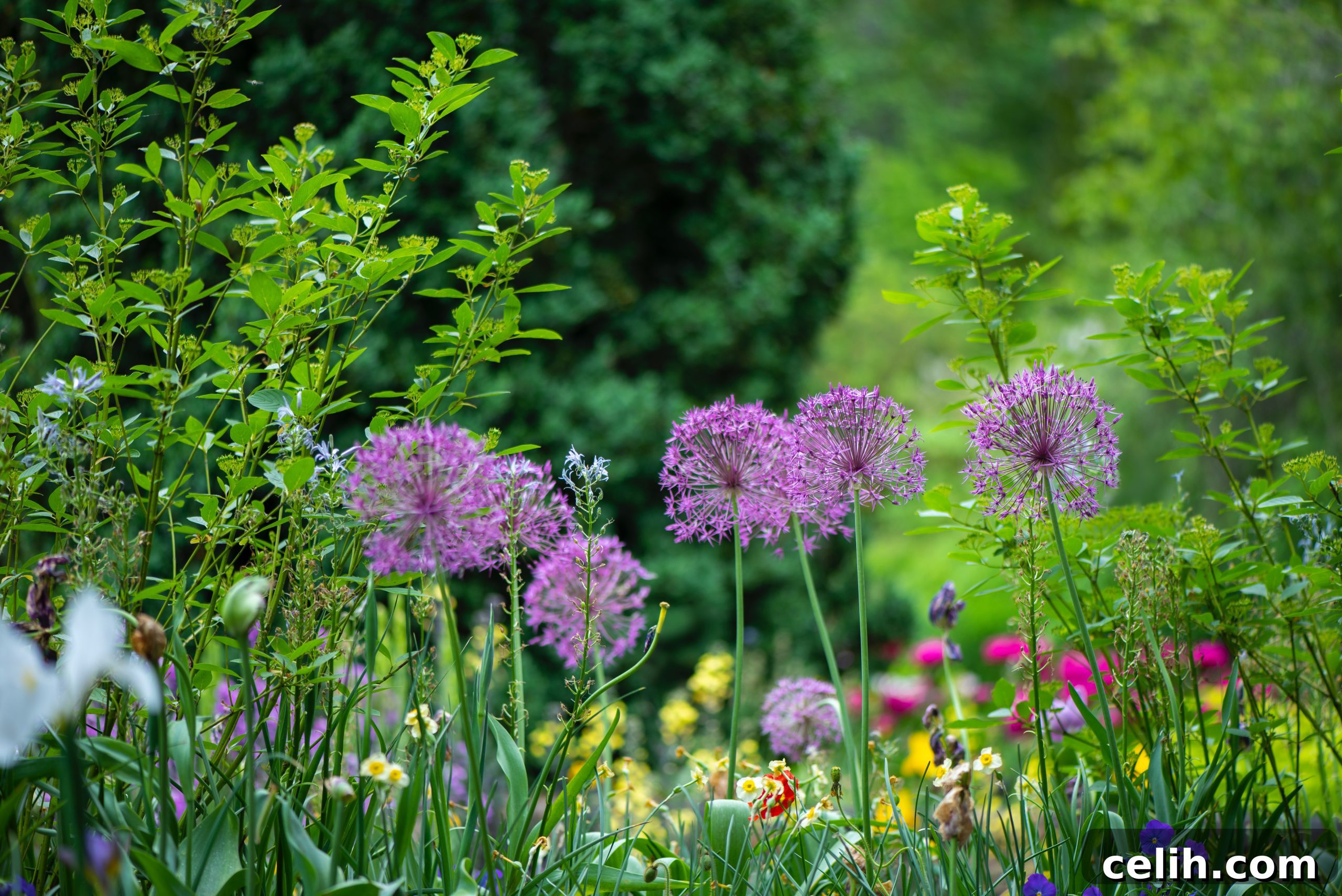
Herbicides are chemical substances designed to kill or inhibit the growth of plants. While they can be highly effective in controlling unwanted vegetation, their use in a flower garden requires extreme caution and selective application. Herbicides come in various types, including selective herbicides that target specific weed types without harming desirable plants, and non-selective herbicides that kill almost any plant they contact. It is crucial to understand which type you are using and apply it strictly according to the manufacturer’s instructions.
When considering herbicides, it’s paramount to be aware of recent research highlighting potential health risks associated with exposure to these chemicals. Numerous studies have linked certain herbicides to a range of health issues in humans, including various forms of cancer, reproductive problems, neurological damage, and other chronic conditions. The case of Paraquat serves as a stark reminder of these potential dangers.
Paraquat, a potent non-selective herbicide, has been widely used in agricultural settings for decades. However, growing scientific evidence suggests a troubling link between exposure to Paraquat and an increased risk of developing Parkinson’s disease. This revelation has led to a surge of lawsuits filed against the manufacturers of the herbicide, with plaintiffs alleging that these companies failed to adequately warn consumers about the serious health risks associated with its use. Many countries have already banned or severely restricted Paraquat due to these concerns. For more detailed information regarding the potential dangers associated with Paraquat exposure and the ongoing legal actions against its manufacturers, please click here.
Given these serious health implications, gardeners should prioritize non-chemical weed control methods whenever possible. If herbicides are deemed absolutely necessary, always:
- Choose the Least Toxic Option: Opt for organic or less harmful formulations if available and effective for your specific weeds.
- Apply with Precision: Use spot treatments to target only the unwanted plants, avoiding overspray onto your flowers.
- Wear Protective Gear: Always use gloves, eye protection, and appropriate clothing.
- Check Weather Conditions: Apply on calm, non-windy days to prevent drift and avoid rainy forecasts that could wash chemicals into unintended areas.
- Understand the Product: Read and follow all label instructions carefully regarding dilution, application rate, and safety precautions.
Mulch: Nature’s Weed Suppressor and Soil Enhancer
One of the most effective, environmentally friendly, and beneficial alternatives to herbicides is the generous use of mulch. Mulch is a protective layer of material spread over the soil surface, providing a multitude of benefits beyond just weed suppression. By blocking sunlight, mulch creates an unfavorable environment for weed seeds to germinate and sprout, significantly reducing the number of unwanted plants in your garden.
The advantages of mulching extend far beyond weed control:
- Moisture Retention: Mulch acts as a blanket, reducing water evaporation from the soil. This means you’ll need to water less frequently, saving time and water resources.
- Temperature Regulation: It insulates the soil, keeping it cooler in summer and warmer in winter, which protects plant roots from extreme temperature fluctuations.
- Soil Health Improvement: Organic mulches, such as wood chips, shredded bark, or compost, break down over time, enriching the soil with organic matter and essential nutrients. This fosters a healthy microbial ecosystem.
- Erosion Control: Mulch helps prevent soil erosion, especially on slopes, by cushioning the impact of rain.
- Aesthetic Appeal: A well-mulched garden bed looks tidy, uniform, and professionally maintained, enhancing the overall beauty of your flower displays.
When choosing mulch, you have several options:
- Organic Mulches: Wood chips, shredded bark, straw, pine needles, compost, and shredded leaves are popular choices. They decompose, adding nutrients to the soil, but need to be replenished periodically.
- Inorganic Mulches: Gravel, river rock, or landscape fabric are permanent options that don’t decompose. They are excellent for low-maintenance areas but don’t contribute to soil fertility.
For best results, apply a layer of mulch 2-4 inches deep around your flowers, ensuring it doesn’t touch the stems of your plants directly to prevent rot. Replenish organic mulches as they break down, typically once a year.
Physical Barriers: Creating an Impenetrable Defense
Another highly effective method for preventing unwanted plants from establishing themselves in your flower garden is the use of physical barriers. These barriers create a separation between your desirable plants and the potential weed seeds in the soil, making it extremely difficult for weeds to take root and compete for resources. This method is particularly useful in new garden beds or areas prone to heavy weed infestations.
Common physical barriers include:
- Landscape Fabric (Weed Barrier Fabric): This permeable material allows water and air to pass through to the soil and plant roots, but blocks sunlight, thus preventing weed seed germination. It’s laid over prepared soil, and then holes are cut where you intend to plant your flowers. A layer of mulch is often placed on top for aesthetic appeal and further suppression.
- Plastic Sheeting: While highly effective at blocking weeds and moisture, plastic sheeting is generally less favored in flower beds as it restricts air and water exchange, potentially creating an unhealthy environment for beneficial soil organisms and plant roots. It can also heat the soil excessively. If used, ensure proper irrigation systems are in place beneath it.
- Cardboard and Newspaper: These biodegradable materials can be an excellent temporary or semi-permanent barrier. Layered several sheets thick (e.g., 6-8 sheets of newspaper or one layer of cardboard), they suppress weeds by blocking light and physically hindering their growth. As they decompose, they also add organic matter to the soil. They are usually covered with mulch for appearance and to keep them in place.
When installing physical barriers, ensure the soil beneath is as weed-free as possible. Overlap edges of fabric or paper to prevent weeds from sneaking through gaps. While effective, it’s important to remember that some aggressive weeds may still find a way through tears or edges, so regular monitoring is still necessary.
Manual Weeding: Precision and Control with Hand Tools
For gardeners who prefer a hands-on approach and wish to avoid chemicals, manual weeding remains a cornerstone of effective garden maintenance. This method offers unparalleled precision, allowing you to target specific weeds without disturbing your cherished flowers. While it requires more effort and time, it’s a rewarding way to connect with your garden and ensures no harmful substances are introduced into your environment.
Using a Trowel for Effective Weed Removal
A trowel is an indispensable tool in any gardener’s arsenal, particularly well-suited for precise weed removal. This small, hand-held gardening tool features a pointed, scoop-shaped blade that is perfect for digging up individual weeds, especially those with taproots or deeper root systems.
To maximize the effectiveness of your trowel:
- Timing is Key: Weeding is easiest when the soil is moist, typically after rain or watering. Moist soil allows roots to be pulled out more cleanly and with less effort.
- Target the Base: Insert the trowel blade into the soil near the base of the weed, aiming to get beneath its root system.
- Loosen and Lift: Gently dig around the root system to loosen the soil. Once sufficiently loosened, use the trowel to carefully lift the entire weed out of the ground, taking care not to disturb the roots of nearby desirable plants.
- Remove All Roots: For perennial weeds, ensure you remove as much of the root as possible, as even small fragments can regenerate.
Hand-Pulling: The Simplest and Most Direct Method
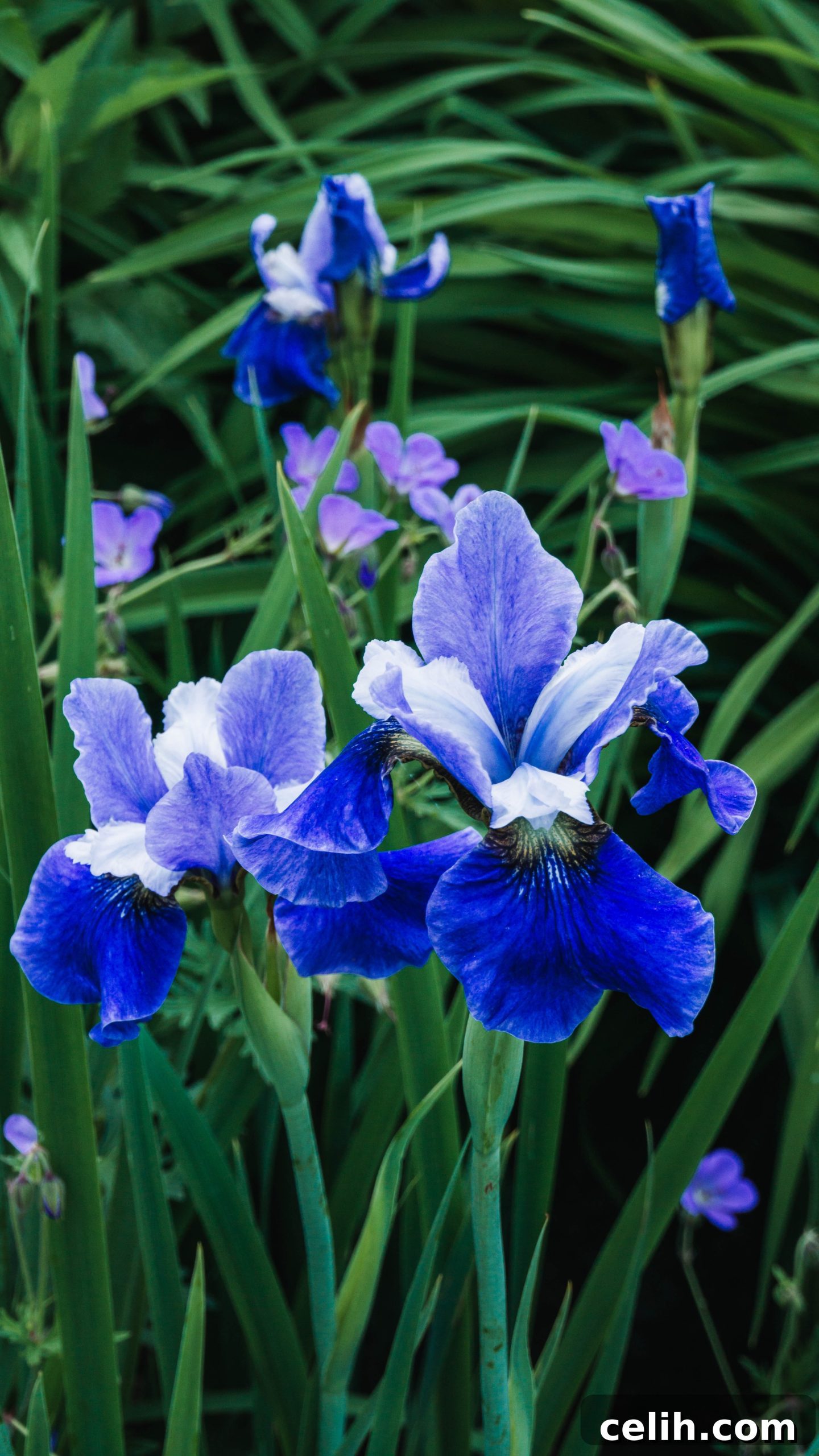
Hand-pulling is the most direct and often the first line of defense against unwanted plants, especially for young weeds or those with shallow root systems. It requires no special tools, just your hands and a keen eye.
For successful hand-pulling:
- Grip Firmly at the Base: Grasp the plant as close to the soil line as possible. This ensures you’re pulling the entire plant, including its roots.
- Pull Upwards Gently and Steadily: Apply a steady, upward pressure to loosen the roots from the soil. Avoid jerking motions, which can break the stem and leave roots behind.
- Moist Soil Advantage: Like with trowel weeding, hand-pulling is significantly easier and more effective when the soil is moist.
- Mind Nearby Plants: Be mindful of your desirable plants and their root systems. Pull weeds carefully to avoid accidental damage.
After removal, proper disposal of weeds is crucial. Do not leave pulled weeds on the ground, as many can re-root or continue to ripen seeds, leading to new infestations. Dispose of them in a compost bin (if they haven’t gone to seed and are not aggressive perennial weeds) or a trash bag. If the plants have already produced seeds, it is best to bag them and send them to the trash to prevent further spreading in your garden or compost pile.
Cultivating a Resilient Garden: Regular Monitoring and Cultural Practices
Beyond specific removal methods, maintaining a healthy and resilient flower garden through consistent care is perhaps the most effective long-term strategy against weeds. A strong, well-cared-for garden naturally outcompetes unwanted plants.
Check and Enhance Your Garden Regularly: Proactive Vigilance
Regular inspection and proactive intervention are essential for maintaining your garden’s beauty and health. By routinely strolling through your garden beds, you can spot and address potential issues before they become major problems. This includes identifying and removing any young unwanted plants that may be competing with your desired flowers for crucial resources like water, sunlight, and nutrients. Early detection and removal prevent weeds from establishing deep root systems or going to seed, which are key to controlling their spread.
Moreover, regular check-ups offer opportunities to:
- Prune and Trim Plants: Timely pruning helps your flowers grow stronger and healthier, preventing them from becoming overgrown and unruly. It also promotes air circulation, reduces disease risk, and can stimulate the growth of new flowers and fruit, enhancing the garden’s abundance and aesthetic appeal.
- Assess Plant Health: Look for signs of pests or diseases on your flowers. Addressing these issues promptly helps your desirable plants remain robust enough to naturally resist weed competition.
- Monitor Soil Conditions: Observe how well your soil is retaining moisture and draining. Healthy soil is the foundation of a healthy garden.
Optimizing Garden Health Through Cultural Practices
Integrating good cultural practices into your routine further strengthens your garden’s defenses against weeds:
- Proper Planting and Spacing: Plant your flowers at their recommended spacing. When plants grow close enough, their foliage can create a canopy that shades the soil, naturally suppressing weed growth by blocking sunlight. Avoid overcrowding, however, as this can lead to other problems like poor air circulation and disease.
- Effective Watering Techniques: Water deeply and infrequently rather than shallowly and often. Deep watering encourages your flowers to develop strong, deep root systems, making them more resilient. Shallow watering, on the other hand, encourages shallow-rooted weeds to germinate and thrive on the surface. Focus water directly on your desired plants, not on the areas between them where weeds might sprout.
- Enhance Soil Health: Healthy, nutrient-rich soil is critical for robust plant growth. Amend your soil regularly with compost and other organic matter. Healthy soil not only supports strong flowers but also encourages beneficial microbial activity, which can contribute to a more balanced garden ecosystem less prone to aggressive weed invasion.
- Consider Ground Cover Plants: In areas where weeds are persistent, consider planting dense ground cover plants. These low-growing plants spread quickly and effectively smother weeds by shading the soil. Choose ground covers that are suitable for your climate and don’t become invasive themselves.
By actively managing your garden through these integrated approaches, you’re not just fighting weeds; you’re building a thriving, resilient ecosystem where your beautiful flowers can truly shine.
Conclusion: Cultivating a Flourishing, Weed-Free Haven
Protecting your flower garden from unwanted plants is an ongoing, yet immensely rewarding, endeavor that combines vigilance with strategic action. As we’ve explored, a healthy, vibrant garden free from the competition of weeds is achievable through a comprehensive approach that integrates various methods.
From the careful and considered application of herbicides, with an acute awareness of their potential risks, to the preventative power of mulching and physical barriers, each technique plays a vital role. Complementing these are the hands-on satisfaction and precision of manual weeding methods like using a trowel and hand-pulling, which allow for targeted removal and a deeper connection to your garden space.
Ultimately, the most successful strategy lies in proactive garden management. Regular monitoring, combined with sound cultural practices such as proper planting, strategic watering, and continuous soil enrichment, creates an environment where your desired flowers are strong, healthy, and naturally resistant to weed encroachment. By adopting these multi-faceted approaches, you can transform your flower garden into a flourishing, aesthetically pleasing sanctuary, ensuring its beauty and vitality for seasons to come.