

As the crisp autumn air signals the approach of winter, many homeowners might feel that the season for DIY projects and essential home repairs is drawing to a close. However, this couldn’t be further from the truth. In fact, autumn is arguably the most critical time for proactive home maintenance. Taking the time now to perform some vital checks and preventative measures can ensure a safe, warm, and comfortable winter, helping you avoid unexpected expenses and emergency repairs when the weather truly bites. While you can’t predict every household emergency, a proactive approach significantly minimizes the likelihood of major problems, saving you both stress and money in the long run.
Boiler and Heating System Maintenance: Your Winter Lifeline
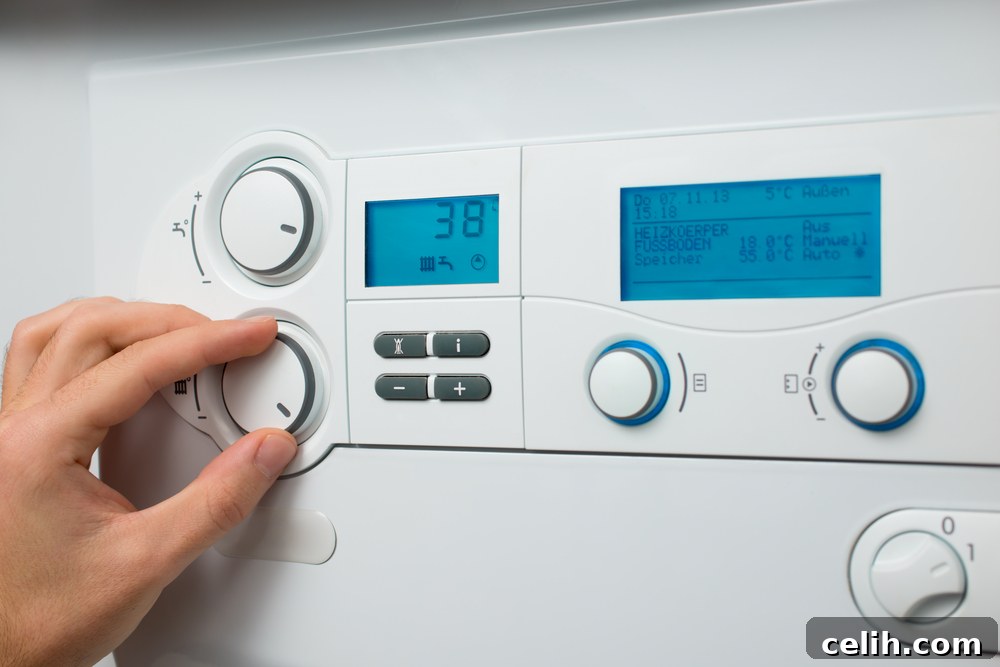
Your boiler is the heart of your home’s heating system, and its reliable operation is paramount for enduring the colder months. It’s not just good practice, but often a safety requirement, to have your boiler serviced annually. Scheduling this service at the end of summer or in early autumn is an astute move. This ensures that a qualified engineer can thoroughly inspect your boiler, identify any potential issues, and make necessary adjustments or repairs long before you’re heavily reliant on it. Proactive servicing helps prevent breakdowns during peak demand, which can lead to costly emergency call-outs and prolonged periods without heating and hot water. Early detection of a developing problem can also save you money by allowing for a planned repair or even a replacement, rather than a desperate, last-minute fix.
Beyond simply keeping your home warm, a well-maintained boiler operates more efficiently, reducing your energy bills and carbon footprint. A critical safety aspect of annual boiler servicing is the check for carbon monoxide leaks. This odorless, colorless gas is deadly, and a faulty boiler can be a source. Regular professional inspection by a Gas Safe registered engineer ensures your system is not only efficient but, more importantly, safe. If your boiler is old or frequently breaking down, it might be time to consider an upgrade. Modern boilers are significantly more energy-efficient and reliable. Researching new boiler options in advance allows you to choose the best model for your needs and budget, avoiding rushed decisions when an emergency strikes.
Furthermore, take a moment to understand your heating system. Learn how to program your thermostat for optimal energy usage, perhaps lowering the temperature when you’re out or asleep. Bleeding your radiators can also improve heating efficiency. If your radiators have cold spots at the top, it indicates trapped air, which prevents them from heating effectively. A quick bleed can release this air, allowing hot water to circulate properly and warm your rooms more efficiently.
Gutter and Downspout Cleaning: Protecting Your Home’s Foundation

Your guttering system, running along the eaves of your roof, plays a crucial role in protecting your home from water damage. Its primary function is to collect rainwater from the roof and channel it safely away from your home’s foundation through downspouts. As autumn progresses, the beautiful spectacle of falling leaves can pose a significant threat to this system. Leaves, twigs, and other debris can easily accumulate in gutters and downspouts, creating blockages that prevent water from flowing freely.
The consequences of clogged gutters can be severe and far-reaching. When water cannot drain properly, it can overflow, cascading down your home’s exterior walls. This excess moisture can lead to a host of problems:
- **Roof Damage:** Standing water in gutters can seep under shingles, causing rot and damage to the roof decking.
- **Fascia and Soffit Rot:** The wooden fascia boards behind your gutters are highly susceptible to rot when constantly exposed to overflowing water.
- **Foundation Issues:** Water pooling around the foundation can exert hydrostatic pressure, leading to cracks, leaks in basements, and even long-term structural damage.
- **Damp Walls and Mold:** Water seeping into external walls can cause internal dampness, peeling paint, and the growth of hazardous mold.
- **Ice Dams:** In freezing temperatures, trapped water in gutters can freeze, forming ice dams that push water back up under roof shingles, causing significant damage.
Cleaning your gutters during autumn is a simple yet vital preventative measure against such damage to your home. For DIY cleaning, ensure you use a sturdy ladder, wear appropriate safety gear like gloves and eye protection, and have someone spot you. You’ll need a scoop or trowel to remove debris, followed by flushing the gutters and downspouts with a hose to ensure clear passage. If your home has multiple stories, a steep roof, or if you’re uncomfortable working at heights, hiring a professional gutter cleaning service is a safer and often more effective option. To further minimize future blockages, consider installing gutter guards, which allow water to pass while keeping leaves and debris out, significantly reducing the frequency of cleaning needed.
Window and Door Checks: Sealing in Warmth, Locking in Security
As winter approaches, your windows and doors become critical barriers against the cold and elements. Now is the ideal time to conduct a thorough inspection of their security and thermal efficiency. Begin by checking all locks and closing mechanisms on your windows and doors to ensure they function correctly and provide adequate security against potential intruders. Loose hinges or frames can also compromise security and allow drafts.
One of the biggest culprits for heat loss in a home is drafts around windows and doors. You want to keep the cold out and the warmth in, so identifying and sealing these drafts is essential for energy efficiency. Common methods include applying caulk to seal gaps around window frames, installing weatherstripping around doors and operable windows, or using draft stoppers at the base of doors. These seemingly small measures can significantly impact your heating bills and overall home comfort. Beyond drafts, check the integrity of your window panes and seals. Cracked glass or failing seals in double-glazed units can reduce their insulating properties, leading to condensation between the panes and a colder interior.
Insulation is key to a warm winter home. If you don’t have double glazing, or if it’s old and inefficient, consider alternatives. Secondary glazing can be a more affordable option than full replacement, providing an additional layer of insulation. Heavy-set thermal curtains or blinds are also highly effective at trapping heat within the room, acting as an extra barrier against cold window panes. They can dramatically reduce heat loss through glass surfaces when drawn at night or on particularly cold days.
While insulating your home is important, maintaining proper ventilation remains crucial, even in winter. Stuffy, damp environments are breeding grounds for issues like black mold, particularly in high-moisture areas such as kitchens and bathrooms. Ensure you can still open your windows for short periods each day to allow for air circulation, or use extractor fans effectively. This balances the need for warmth with the necessity of healthy indoor air quality, preventing moisture buildup that can damage your home and impact your health.
Beyond the Basics: Essential Winter Home Preparations
While boiler, gutter, and window checks are paramount, a truly winter-ready home encompasses a few more critical areas:
Roof Inspection: Your Home’s First Line of Defense
Before winter storms arrive, it’s wise to inspect your roof, or hire a professional to do so. Look for any damaged, missing, or curling shingles that could allow water penetration. Check the flashing around chimneys, vents, and skylights for cracks or deterioration. Clear any accumulated moss, algae, or debris, as these can trap moisture and accelerate roof wear. Addressing minor roof issues now can prevent major leaks and expensive repairs later, especially when snow and ice become prevalent.
Attic and Wall Insulation: Boosting Energy Efficiency
Proper insulation is one of the most effective ways to keep your home warm and your energy bills down. Head into your attic (safely!) and check the insulation levels. The recommended depth for attic insulation varies by region, but often it should be substantial, resembling a thick blanket covering the entire floor of the attic. Ensure there are no significant gaps or compressed areas. Also, consider weather-stripping around your attic access hatch to prevent heat from escaping. While wall insulation is a more complex project, ensuring your existing wall cavities are insulated can make a dramatic difference to your home’s thermal performance.
Pipes and Plumbing: Preventing Frozen Bursts
One of winter’s most dreaded home emergencies is burst pipes. When water freezes, it expands, causing pipes to crack or burst, leading to extensive water damage. To prevent this, insulate any exposed pipes in unheated areas like basements, crawl spaces, and attics using foam pipe insulation. Crucially, disconnect and drain all outdoor hoses and faucets before the first frost. If you have an outdoor faucet with an interior shut-off valve, close the valve and open the exterior faucet to allow any residual water to drain. Finally, know the location of your main water shut-off valve. In an emergency, quickly cutting off the water supply can minimize damage.
Smoke and Carbon Monoxide Detectors: Life-Saving Devices
With more time spent indoors and heating systems working harder, the risk of fire and carbon monoxide poisoning increases during winter. Test your smoke and carbon monoxide detectors monthly and replace their batteries annually, even if they seem to be working. Ensure you have detectors strategically placed throughout your home, particularly near sleeping areas and on every level. These inexpensive devices are vital for the safety of your family.
Fireplace and Chimney Maintenance (if applicable)
If you use a fireplace or wood-burning stove, annual maintenance is non-negotiable. Have your chimney professionally inspected and cleaned by a certified chimney sweep. This removes creosote buildup, which is highly flammable and a common cause of chimney fires. They will also check for any blockages from birds’ nests or debris and ensure your damper opens and closes correctly, preventing heat loss when the fireplace is not in use.
Emergency Preparedness Kit
Winter storms can bring power outages and make travel difficult. Prepare an emergency kit stocked with essentials: flashlights, fresh batteries, a first-aid kit, blankets, non-perishable food, bottled water, and any necessary medications. A hand-crank radio or a power bank for charging phones can also be invaluable. Being prepared means you can weather unexpected interruptions with greater ease and comfort.
While the long, warm days of summer may now be behind us, embracing the changing seasons doesn’t mean sacrificing comfort or security. By taking these proactive steps to prepare your home for winter, you’re investing in its longevity, efficiency, and your family’s well-being. Aside from unforeseen circumstances, you shouldn’t have to fork out excessive money for emergency repairs. Instead, you can simply relax and enjoy the warmth, safety, and peace of mind that a well-maintained home provides throughout the colder months.