
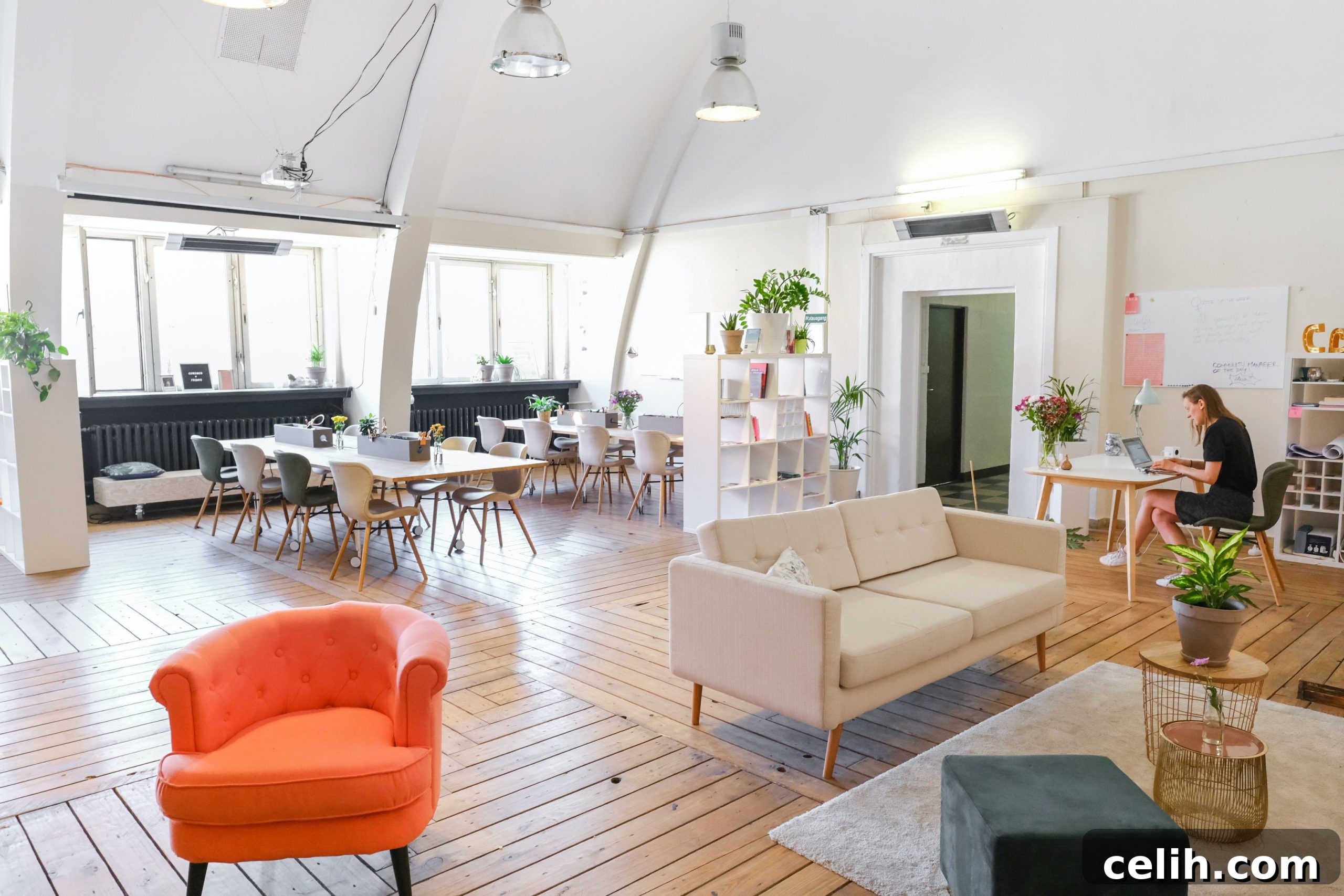
Designing the ideal interior of a new home is undoubtedly a profoundly rewarding endeavor, fostering comfort and inspiring daily life. In much the same vein, the strategic design of an office space holds immense power to shape productivity, creativity, and overall employee well-being. For a significant portion of their lives, individuals spend countless hours in their working environment, making it imperative that this space is not just functional but truly nurturing. A thoughtfully designed office transcends mere aesthetics; it becomes a catalyst for success, a sanctuary for focus, and a hub for collaborative innovation.
In today’s dynamic business landscape, where attracting and retaining top talent is paramount, the physical workspace plays a crucial role. Forward-thinking companies recognize that investing in a stimulating and comfortable office environment is not an expense but a strategic investment. It directly impacts employee morale, reduces stress, enhances communication, and ultimately drives better business outcomes. From the subtle nuances of color psychology to the grand architectural choices, every element contributes to the holistic experience of the modern workplace.
This comprehensive guide explores key considerations and expert tips for crafting an office space that is not only welcoming and aesthetically pleasing but also a powerhouse for productivity and employee satisfaction. Let’s delve into the elements that transform a generic workspace into an extraordinary one, helping you create an optimal and inspiring office environment.
The Psychology of Color in Modern Office Design
When envisioning an office interior, many might still default to images of dreary, monochrome cubicles lacking any discernible personality. This outdated perception of the workspace is rapidly being dismantled by pioneering companies like Google, whose innovative office interiors vividly demonstrate how design can profoundly impact employee experience and sever the traditional link between work and a dispiriting environment. The strategic use of color is a powerful tool in this transformation, capable of invigorating not just the physical walls but also the mood, focus, and mental state of your employees.
Understanding the psychology of colors is fundamental to creating a stimulating and productive office environment. Each shade carries distinct psychological associations that can be leveraged to achieve specific outcomes. For instance, blues are often associated with calmness, stability, and focus, making them ideal for areas requiring deep concentration or analytical tasks. Greens evoke feelings of nature, balance, and refreshment, excellent for reducing eye strain and promoting overall well-being. Yellows can spark creativity, optimism, and energy, suitable for collaborative zones or creative departments. Reds, while stimulating and attention-grabbing, should be used sparingly, perhaps as accents, as overuse can lead to increased anxiety and stress.
Beyond individual colors, the interplay between different shades and their saturation levels also matters significantly. A vibrant primary color might be too overwhelming for an entire wall but can serve as a fantastic accent in a breakout area or for specific branding elements. Similarly, softer, muted tones can create a sophisticated and calming backdrop throughout the main workspace, offering a sense of serenity. Taking the time to explore color charts, understand fundamental color theory, and perhaps even consult with interior design professionals can guide you toward a palette that aligns with your company culture, brand identity, and desired work atmosphere. Thoughtful color choice can be directly linked to enhanced productivity, improved employee morale, and greater job satisfaction, proving that a harmonious blend of practicality and beauty is not only possible but essential in the modern office.
Incorporating branding colors subtly can also reinforce company identity without overwhelming the space. Consider feature walls, soft furnishings, decorative elements, or even office supplies to introduce splashes of color that resonate with your brand. The ultimate goal is to create an office environment that feels inspiring, energetic, and visually appealing, yet also conducive to sustained focus and comfort, moving far beyond the drab stereotypes of the past to embrace a vibrant, modern office design.
Essential Facilities and Optimized Utilities for a Functional Office
Beyond aesthetics, the practical infrastructure of an office—its facilities and utilities—forms the bedrock of a truly functional, comfortable, and efficient workspace. Essential facilities such as well-maintained restrooms, diverse meeting rooms, and comfortable break areas are non-negotiable for a productive environment. Their accessibility and strategic placement within the overall office layout are paramount. For instance, centrally located restrooms ensure convenience for all employees, while meeting rooms of varying sizes and configurations (from small huddle rooms for quick discussions to larger conference spaces for formal presentations) cater to different collaborative needs. These spaces should be equipped with modern technology, including reliable Wi-Fi, high-resolution presentation screens, and seamless video conferencing capabilities, to facilitate fluid communication and productivity across the organization and with external partners.
Breakout areas and kitchenettes are equally crucial, providing employees with dedicated spaces to relax, recharge, and socialize away from their primary workstations. Thoughtful design in these zones, perhaps with comfortable, lounge-style seating, ample natural light, and even healthy snack options, can significantly boost morale, foster informal connections, and prevent burnout. Quiet zones or individual focus booths can also be invaluable, offering a sanctuary for deep work, private phone calls, or moments of solitary reflection, addressing the critical need for both collaborative opportunities and individual concentration within a dynamic office layout.
Utilities are the fundamental lifeblood of any modern office. Uninterrupted access to a stable power supply, high-speed internet, and clean water is not just a convenience but a fundamental requirement for a functioning business in the 21st century. When designing or renovating an office, meticulous planning for power outlets, data ports, and robust network infrastructure is essential. Consider the density of workstations and the power demands of modern equipment to prevent overloads and ensure seamless operation. Reliable and fast internet connectivity is paramount for virtually all businesses today, requiring robust network solutions and potentially backup options (like redundant internet lines) to avoid costly downtime that can severely impact business continuity.
Furthermore, efficient heating, ventilation, and air conditioning (HVAC) systems are vital for maintaining a comfortable and healthy indoor environment. Good air quality, regulated temperature, and adequate airflow directly impact employee comfort, concentration, and overall health, helping to reduce sick days and enhance overall well-being. Incorporating smart thermostats, energy-efficient HVAC units, and advanced air filtration systems can also contribute to sustainability efforts and significantly reduce operational costs in the long run. Beyond the practicalities, the choice of utility providers can significantly impact budget calculations. Partnering with a reliable business water supplier, for example, can offer tailored plans and long-term cost savings, freeing up resources that can be reinvested into other aspects of office improvement or employee benefits. Similarly, exploring energy suppliers that offer green or renewable energy options can further enhance your company’s commitment to environmental responsibility, aligning your office design with corporate sustainability goals.
Optimizing Layout: The Dynamic Balance of Open-Plan and Private Spaces
The open-plan office has become an undeniable hallmark of the modern workspace, celebrated for its potential to foster an environment of transparency, collaboration, and a diminished sense of isolation. When executed effectively, an open layout can indeed work wonders, breaking down hierarchical barriers and encouraging spontaneous interactions that spark creativity and problem-solving. It allows for natural light to penetrate deeper into the space and offers unparalleled flexibility for reconfiguring teams or departments as business needs evolve, making it a cornerstone of contemporary office design strategies.
However, the widespread adoption of open-plan offices has also highlighted their inherent challenges, particularly regarding increased noise levels, frequent distractions, and the critical need for individual privacy. An optimal office design generally recognizes that a “one-size-fits-all” approach is rarely effective and instead masterfully integrates a combination of both open-plan and private areas. It is paramount to remember that privacy is not a luxury but a vital component of a truly productive workday. Employees need diverse spaces where they can concentrate without interruption, make private phone calls, engage in sensitive discussions, or simply find quiet contemplation to process information and recharge their mental batteries.
To mitigate the downsides of a purely open-plan environment, innovative design solutions are essential. This includes the strategic placement of acoustic panels, the incorporation of sound-absorbing materials in flooring, ceilings, and wall treatments, and the implementation of white noise systems to reduce auditory distractions. Creating distinct “zones” within the open space – such as collaborative hubs, quiet focus areas, and semi-private workstations – allows employees to choose an environment best suited for their current task. Individual phone booths, small huddle rooms, or dedicated quiet libraries serve as invaluable retreats from the general buzz of an open office. These varied settings cater to a host of different needs, supporting diverse working styles and ensuring that every employee can find a space where they feel comfortable, focused, and effective.
Furthermore, the accelerating rise of hybrid work models underscores the need for even more adaptable and flexible office layouts. Offices are increasingly becoming hubs for collaboration, social connection, and specific team projects, while deep individual work may often be done remotely. This shift necessitates flexible furniture arrangements, robust technology integration that supports both in-office and remote participants, and a careful balance of open and closed spaces to support both vibrant in-person team interactions and periods of intense individual focus. Ultimately, functionality and practicality must prevail over fleeting design trends. The most successful office designs find an intelligent balance between aesthetic appeal, fostering a strong sense of community, and providing the necessary quietude and resources for individual productivity, ensuring the workspace serves its purpose optimally and evolves with the business.
The Indispensable Role of Ergonomic and High-Quality Office Furniture
The selection of office furniture extends far beyond mere aesthetics; it is a critical investment in employee health, comfort, productivity, and the long-term financial viability of the workspace. High-quality, ergonomic furniture is not merely a desirable feature but an absolute must-have in a modern office environment. Poorly designed or low-quality furniture will inevitably suffer from rapid wear and tear over time, leading to frequent replacements that ultimately negate any initial cost savings. What might seem like a cheaper upfront price can quickly escalate into considerable expenses due to ongoing maintenance, repairs, and the continuous need for new purchases, creating a false economy and diverting resources from more impactful investments.
Investing slightly more in durable, well-constructed, and ergonomically sound furniture offers extensive benefits in the long run. Ergonomic chairs, for example, are specifically designed to support the natural curvature of the spine, reducing the risk of back pain, neck strain, and other musculoskeletal disorders that are common among office workers who spend long hours seated. Adjustable standing desks provide the invaluable flexibility to alternate between sitting and standing throughout the day, which improves circulation, boosts energy levels, and mitigates the numerous health risks associated with prolonged sitting. Features like adjustable monitor arms, footrests, and keyboard trays further contribute to a customized, comfortable, and healthy workstation for each employee, enhancing overall well-being and reducing fatigue.
Beyond individual workstations, the selection of furniture for collaborative spaces, meeting rooms, and breakout zones also warrants careful consideration. Flexible, modular furniture allows for easy reconfiguration of spaces to adapt to different team sizes and activity types, promoting dynamic and agile work environments. Comfortable lounges and seating arrangements in communal areas encourage informal interactions, foster a sense of community, and provide valuable spaces for employees to decompress and recharge. The materials chosen for furniture also play a significant role in both durability and the overall office aesthetic. Opting for sustainable, high-quality materials can also align with a company’s environmental values and contribute to a healthier indoor air quality, free from harmful off-gassing.
Ultimately, office furniture is a tangible representation of a company’s commitment to its employees’ well-being. Providing a comfortable, supportive, and aesthetically pleasing workspace through thoughtful furniture choices not only enhances productivity and reduces health-related absences but also fosters a strong sense of value and appreciation among the workforce. It’s an investment that pays dividends in both tangible (reduced healthcare costs, increased output) and intangible ways (improved morale, stronger company culture), contributing to a positive work environment and a thriving, efficient business.
Lighting and Ambiance: Illuminating Productivity and Well-being
Often overlooked, the strategic design of office lighting plays a pivotal role in creating a productive, comfortable, and healthy work environment. Natural light is the gold standard; maximizing its presence within the office can significantly boost employee mood, reduce eye strain, and improve overall cognitive function. Positioning workstations near windows, using sheer blinds or intelligent glass instead of heavy curtains, and employing open layouts all contribute to harnessing daylight effectively. Studies consistently show that exposure to natural light throughout the day helps regulate circadian rhythms, leading to better sleep quality and increased alertness during working hours, thereby enhancing overall employee well-being.
However, natural light alone is rarely sufficient, necessitating thoughtful integration of artificial lighting. A balanced lighting scheme typically involves three layers: ambient, task, and accent lighting. Ambient lighting provides general, uniform illumination for the entire space, ensuring there are no dark spots or excessive shadows. Task lighting, such as adjustable desk lamps, empowers employees to control the illumination directly over their workspace, reducing glare and preventing eye fatigue specific to their tasks like reading or working on a computer. Accent lighting can be used to highlight architectural features, artwork, or biophilic elements like plants, adding depth, visual interest, and a unique personality to the office aesthetic.
Beyond these layers, the quality and color temperature of artificial light are crucial considerations. Cooler, brighter light (around 5000K-6500K) can promote alertness and focus, making it suitable for active work areas or spaces requiring high concentration. Warmer, softer light (around 2700K-3000K) creates a more relaxed and inviting atmosphere, ideal for breakrooms, lounges, or quiet zones where employees can decompress. Implementing smart lighting systems that can adjust intensity and color temperature throughout the day to mimic natural light cycles (often referred to as circadian lighting) offers advanced benefits for employee well-being, energy efficiency, and overall comfort. Well-designed lighting not only enhances visual comfort but also profoundly influences mood, energy levels, and the overall ambiance, transforming a mundane space into an invigorating and inspiring one, significantly contributing to an optimal office environment.
Integrating Nature: The Power of Biophilic Office Design
Biophilic design, the concept of connecting building occupants more closely to nature, is rapidly gaining traction in modern office design due to its proven benefits for human health, happiness, and well-being. Integrating natural elements into the workspace goes far beyond simply adding a few potted plants; it involves thoughtfully incorporating natural light, providing views of nature, utilizing natural materials, and designing spaces with patterns and forms that mimic natural environments. The impact of biophilic design on employees is profound: it has been shown to reduce stress levels, improve cognitive function and creativity, enhance mood, and even accelerate healing, making it a powerful tool for modern office design.
Practical applications of biophilic design in an office include maximizing access to outdoor views, ideally of green spaces, whenever possible. If direct outdoor views are limited, consider large-scale photographic murals of calming natural scenes, strategically placed mirrors to reflect outdoor light, or even virtual windows displaying dynamic natural landscapes. Living walls or vertical gardens not only introduce vibrant greenery but also improve indoor air quality by filtering pollutants and adding beneficial humidity to the environment. Individual desk plants can offer a personal touch of nature, fostering a sense of ownership, responsibility, and promoting well-being at a micro-level, allowing employees to curate their immediate surroundings.
Choosing natural materials such as sustainably sourced wood, stone, cork, and natural fibers for furniture, flooring, or wall finishes also significantly contributes to a biophilic environment, bringing organic textures, warmth, and authenticity into the space. Even patterns and shapes that evoke nature, like organic curves, gentle undulations, or fractal designs, can subconsciously connect occupants to the natural world, fostering a sense of calm and wonder. By consciously weaving nature into the very fabric of the office, companies can create a more serene, inspiring, and health-promoting environment that supports both mental and physical wellness, ultimately leading to a more engaged, creative, and productive workforce and a more sustainable office design.
Seamless Technology Integration for the Modern Productive Office
In today’s fast-paced digital era, the effectiveness of an office space is increasingly tied to its technological infrastructure. Seamless technology integration is no longer a luxury but a fundamental requirement for enhancing productivity, collaboration, and operational efficiency across all business functions. A truly modern office must be designed with connectivity, smart solutions, and future-proofing at its core, ensuring the workspace can adapt to rapid technological advancements and evolving work practices.
Key aspects of technology integration include robust, high-speed wireless connectivity accessible throughout the entire office, eliminating dead zones and ensuring uninterrupted workflow for all employees and devices. Meeting rooms should be equipped with intuitive, user-friendly video conferencing systems, large interactive displays, and wireless presentation capabilities that allow for instant setup and minimal technical glitches, facilitating seamless communication whether participants are in the room or joining remotely. Smart sensors can intelligently manage lighting, temperature, and ventilation, optimizing energy consumption, enhancing comfort, and automatically adjusting the environment based on occupancy. Digital signage can be strategically used for internal communications, wayfinding, displaying important metrics, or showcasing company achievements, keeping employees informed and engaged.
Furthermore, providing ample and easily accessible charging points – both traditional power outlets and USB ports – at every workstation and in communal areas is essential for employees using multiple devices throughout the day. Implementing unified communication platforms and cloud-based collaboration tools, supported by robust network infrastructure and cybersecurity measures, facilitates teamwork whether employees are physically in the office or working remotely. The goal is to create a ‘smart office’ where technology enhances, rather than hinders, daily operations, making tasks simpler, communication clearer, and work significantly more efficient. By embracing thoughtful technology integration, businesses can empower their workforce, streamline processes, and ensure their office remains relevant, competitive, and highly productive in the ever-evolving digital landscape.
Conclusion: Crafting a Holistic and Empowering Workspace
The journey of designing an exceptional office space is a multifaceted endeavor that goes far beyond mere interior decoration. It involves a deep understanding of human psychology, technological needs, environmental responsibility, and strategic business objectives. From the vibrant energy infused by a thoughtful color palette and the foundational support provided by robust facilities and optimized utilities, to the dynamic balance of open-plan and private areas, every decision contributes significantly to the overarching success of the workspace and the well-being of its occupants.
The imperative of ergonomic and durable furniture ensures the physical health and comfort of employees, preventing strain and fostering an environment that translates directly into sustained productivity and reduced absenteeism. Optimizing natural and artificial lighting creates an ambiance that supports focus, reduces fatigue, and positively influences mood, while the integration of biophilic design elements connects us to nature, reducing stress and stimulating creativity. Finally, seamless technology integration future-proofs the office, ensuring that communication, collaboration, and operational efficiency are always at the forefront, adapting to the demands of the modern work environment.
A truly empowering workspace is one that anticipates needs, inspires innovation, and supports the holistic well-being of its occupants. It is a place where employees feel valued, comfortable, and intrinsically motivated to perform at their best. By meticulously considering these interconnected elements, businesses can transcend the traditional concept of an office and create a dynamic, vibrant hub that not only attracts top talent and fosters employee retention but also cultivates a thriving culture of productivity, creativity, and collective success. Investing in a superior office design is, in essence, an investment in the most valuable asset a company possesses: its people and their potential.