
Transforming your living space to reflect your unique style doesn’t have to be an overwhelming or expensive endeavor. Many people dream of beautifully curated homes but often feel limited by budget constraints or a lack of time for extensive renovations. The good news is that creating a personalized and inviting atmosphere is entirely achievable through clever and affordable accessory choices. Small, thoughtful additions can make a monumental difference, elevating the ambiance and visual appeal of any room without requiring a significant investment.
This article unveils eight impactful and budget-friendly accessory ideas designed to refresh your living space with minimal effort and cost. From incorporating natural elements to playing with light and color, these suggestions are perfect for anyone looking to infuse personality and comfort into their home. Get ready to discover creative ways to enhance your surroundings, making your living areas more stylish, functional, and reflective of your personal taste.
Embracing Rustic Charm with Wood and Thoughtful Lighting
The rustic aesthetic remains a perennial favorite in interior design, celebrated for its natural warmth, timeless appeal, and comforting simplicity. This style beautifully connects our indoor spaces with the serene tranquility of the outdoors, making it incredibly popular in both fashion and home décor. Designers frequently integrate rustic elements into their projects due to their inherent charm and the effortless elegance they bring. For those new to interior design, achieving a rustic look is remarkably straightforward, offering an accessible entry point into creating a cozy and inviting home.
To begin, consider sprinkling various wooden accents throughout your space. This could range from key furniture pieces like a sturdy coffee table or a vintage console to smaller, decorative accessories. Wooden shelving, for instance, provides an excellent foundation for displaying other decorative objects, such as vibrant fresh plants, artisanal ceramics, or cherished keepsakes. Beyond freestanding items, you can adorn walls with natural wood panels, either by painting them to match your desired color scheme or by installing pre-made, easy-to-assemble panels available from many home improvement stores. These panels instantly add texture and a sense of natural depth to any room.
Further enhance the rustic vibe by selecting a few key pieces of furniture that embody this style. Think about side tables with distressed finishes, solid wood coffee tables, or chairs crafted from natural timbers. Complement these with a variety of natural textures in your home décor. Incorporate items made from genuine leather, soft linen, rough-hewn jute, or chunky wool to create an earthy, layered aesthetic that feels both authentic and comfortable. These materials not only add visual interest but also contribute to the tactile experience of your living space.
No rustic space is complete without a touch of greenery. Introducing plants is a simple yet effective way to bring life and freshness indoors. Choose varieties known to thrive in indoor environments, such as resilient succulents, elegant snake plants, or lush ferns. Small potted plants are particularly easy to manage, requiring minimal upkeep while still delivering significant visual impact. Place them on shelves, windowsills, or side tables to create pockets of natural beauty. Beyond their aesthetic appeal, indoor plants can also improve air quality and boost overall well-being, making them a wise and natural accessory choice.
The Strategic Impact of a Cohesive Accent Wall
An accent wall is a powerful design tool that can dramatically transform the feel of any room, creating a focal point that draws the eye and adds a layer of sophistication. By choosing one wall to highlight with a distinct color, pattern, or texture, you can instantly inject warmth, depth, and personality into your living space. This strategic design element can also create the illusion of expanded space by guiding the eye around the room’s décor, rather than allowing it to settle on a single, flat plane. The key to a truly impactful accent wall lies in its cohesiveness with the surrounding elements, ensuring it feels like an integral part of a unified masterpiece rather than an isolated feature.
When planning your accent wall, consider the overall color scheme and existing furnishings of your room. The chosen wallpaper or paint should complement the other colors on your walls, creating a harmonious and balanced look. Options for creating an accent wall are abundant and cater to various tastes and budgets. You could opt for a bold paint color that contrasts subtly with the other walls, or perhaps a patterned wallpaper that introduces intricate designs. For a more tactile approach, consider installing textured wall panels, shiplap, or even reclaimed wood for a rustic touch. Removable decals offer a temporary and flexible solution, perfect for renters or those who like to frequently change their décor.
The beauty of an accent wall extends beyond its aesthetic appeal; it’s also incredibly versatile in its application. While commonly used in living rooms to create an intimate gathering space or define a seating area, this design tip works equally well in other parts of your home. Imagine an accent wall in a home office to inspire creativity, in a bedroom to establish a calming sanctuary behind the bed, or even in a kitchen to highlight a specific area like a breakfast nook. Its ability to create visual interest and define zones within an open-plan layout makes it a practical and stylish upgrade that enhances both the look and the comfort of your home, making you feel more at ease in your personalized environment.
Invigorating Spaces with Colorful Light Fixtures
Colorful light fixtures are an instant and highly effective way to infuse personality and vibrancy into any room. They serve as both functional illumination and captivating decorative elements, coming in a vast array of styles, shapes, and hues. What makes them particularly appealing is their general affordability, offering a significant visual upgrade without straining your budget. While popular choices often lean towards warm and inviting shades like yellow, orange, pink, or purple, the market offers an expansive palette, allowing you to find the perfect color to complement your existing décor or introduce a striking contrast.
Beyond color, consider the type of fixture that best suits your space. Pendant lights can create a focal point over a dining table or kitchen island, while table lamps add ambient lighting and decorative flair to side tables. Sconces provide subtle accent lighting, perfect for highlighting artwork or creating a cozy corner. The design of the fixture itself—be it a modern geometric shape, a vintage-inspired piece, or a minimalist form—plays a crucial role in defining the room’s overall aesthetic. Experiment with different light temperatures as well; warm white light tends to create a cozy, inviting atmosphere, while cool white light can feel more energizing and modern.
For smaller spaces, such as apartments, maximizing natural light is paramount. If direct sunlight is limited due to weather conditions or your home’s orientation, thoughtful window treatments become essential. Instead of blocking out light entirely, opt for solutions that filter and diffuse it beautifully. Sheer curtains can soften harsh sunlight while maintaining brightness, while wooden Venetian blinds offer precise control over light and privacy. Blackout curtains, paired with a stylish valance or layered with lighter drapes, can be perfect for bedrooms, ensuring a good night’s sleep while still allowing natural light in during the day when partially open. These treatments are not just practical; they add texture and softness, enhancing the room’s overall design.
Incorporating colorful light fixtures, whether through a statement chandelier, playful table lamps, or even smart bulbs that allow you to change colors on demand, instantly makes a room feel more dynamic and lively. Paired with strategic window treatments, these lighting solutions work in harmony to control the mood and brightness of your space, transforming a dull room into one that feels vibrant, cheerful, and perfectly illuminated. This combination proves that effective lighting is not just about visibility but about crafting an atmosphere that truly resonates with you.
Harmonious Shelf Styling and Creative Book Displays
A cohesively styled shelf is much more than just a storage solution; it’s an opportunity to create a visually appealing display that showcases your personality and taste. Modern shelving allows for immense customization, letting you design units that perfectly fit your space and aesthetic preferences. The art of shelf styling involves a thoughtful arrangement of your favorite books, decorative objects, cherished photographs, and small plants. To achieve a balanced look, employ principles like the “rule of three,” grouping items in odd numbers, and varying heights and textures to create visual interest. Mix hard objects with soft ones, tall with short, and solid colors with patterned pieces.
Books, in particular, offer a unique decorative potential. Beyond simply lining them up, consider creative ways to display them. You can arrange books by color to create a rainbow effect, or for a more minimalist and cohesive look, turn their spines inward so only the pages are visible. For a truly customized touch, you could even create DIY book covers using kraft paper or fabric, allowing you to unify the color scheme of your book collection. Interspersed among your literary treasures, add small decorative objects like ceramic vases, abstract sculptures, or personal mementos that tell a story, making your shelf a reflection of your life’s journey.
Beyond shelves, the right rug can instantly make any room feel cozier and more defined. A colorful rug not only adds a warm touch underfoot but also serves as an excellent designated area for activities, whether it’s kids playing or adults stretching out while watching TV. When choosing a rug, consider its size in relation to your furniture arrangement; a rug that’s too small can make a room feel disjointed, while one that adequately grounds your seating area creates a more cohesive look. Explore various materials like wool for warmth, jute for natural texture, or synthetic blends for durability and easy cleaning.
Ensuring ample lighting throughout your home, especially during darker winter months, significantly impacts mood and productivity. Incorporate a few stylish table lamps or floor lamps that complement your color scheme. For an added touch of sophistication on your shelves, consider discreet LED strip lighting that illuminates your displays. If you have any spare wall space, don’t hesitate to hang artwork from local artists or print out high-quality digital art. These pieces bring life, color, and a unique narrative into your living space. Finally, never underestimate the power of candles. They are not just sources of soft, flickering light but also mood-setters. You can even explore candle-making supplies to create your own bespoke candles, allowing you to control scents and designs, ensuring your home always smells delightful and feels inviting.
The Modern Elegance of a Tilted Mirror
A tilted mirror is an elegant and highly effective piece of modern furniture that can instantly elevate the sophistication of your living space. Far from a simple reflective surface, these mirrors are designed with a specific angle or mounting mechanism to catch reflections from multiple perspectives, adding an intriguing visual dynamic to any room. Available in a myriad of shapes and sizes, from tall, slender designs that lean against a wall to smaller, artfully framed pieces that hang at an angle, a tilted mirror serves both a functional and an artistic purpose.
The versatility of a tilted mirror is one of its greatest assets. It can seamlessly integrate into various rooms, bringing a touch of contemporary flair wherever it’s placed. In a living room, it can create an illusion of greater depth and openness, making the space feel larger and more expansive. In an entryway, it offers a last-minute check of your outfit before heading out, while also reflecting light to brighten a potentially dim area. In a bedroom, particularly as a full-length piece, it becomes an essential dressing aid and a striking decorative element. Even in a restroom, a thoughtfully placed tilted mirror can add a unique design element that breaks from traditional wall-mounted options.
When selecting a tilted mirror, consider the overall aesthetic you wish to achieve. For a classic or traditional look, opt for an ornate frame with intricate detailing and perhaps tempered glass for a touch of timeless elegance. If your style leans towards the minimalist and contemporary, a sleek, frameless design or one with a simple, thin metal frame would be ideal. Beyond their reflective qualities, tilted mirrors act as powerful decorative accents, almost like pieces of art. They can reflect natural light, making a room brighter, or strategically reflect another appealing feature of your décor, amplifying its presence. This accessory is a clever way to add both functional utility and a significant style statement to your home without requiring extensive redecoration.
The Transformative Power of Painted Bricks
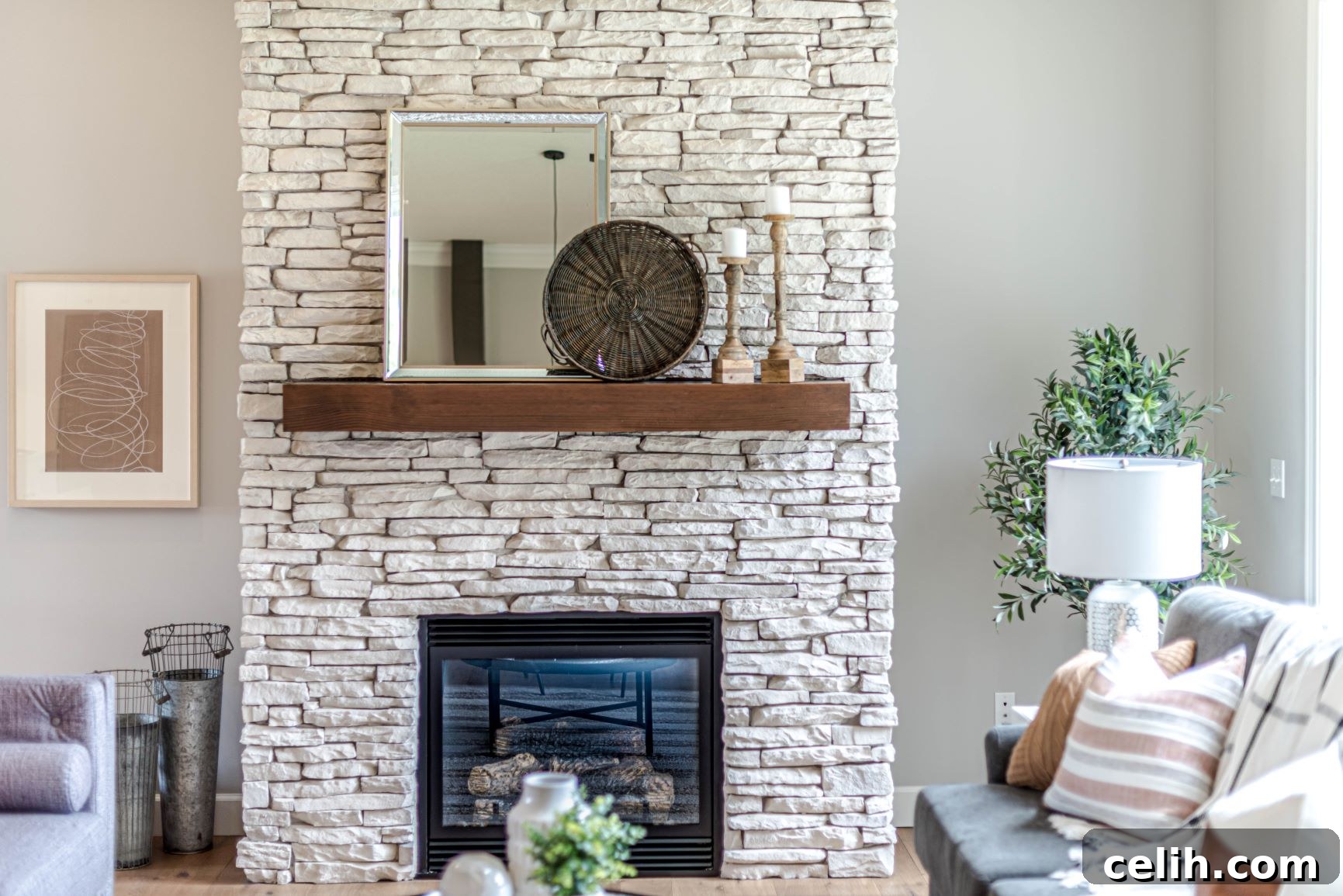
A fresh coat of paint holds the power to be an instant game-changer in any room, and painting existing brickwork, such as a fireplace or an exposed brick wall, offers a dramatic and highly impactful way to inject new life and style into your space. Bricks, renowned for their structural integrity and natural insulating properties, often serve as a significant architectural feature. While their raw, earthy texture has a distinct charm, painting them can completely transform their aesthetic, allowing them to integrate more seamlessly into a modern or minimalist design, or even become a vibrant focal point.
Choosing to paint your brick fireplace, often a central design element in a living room, can instantly refresh the entire space. For a subtle transformation, select a muted tone that complements your existing color palette. For an even more dramatic effect, apply a contrasting color that makes the fireplace truly pop, turning it into an undeniable statement piece. White paint is a popular choice for painted bricks, as it brightens a room, creates a clean, contemporary look, and can make the space feel larger. However, don’t shy away from bolder colors or even deep charcoals for a sophisticated, moody ambiance.
When undertaking this DIY project, consider the type of paint you use. Latex paint is generally suitable for interior bricks, but ensure the brick surface is thoroughly cleaned and primed for optimal adhesion and a long-lasting finish. For a softer, more permeable finish that allows the brick to breathe and offers a historical patina, limewash is an excellent alternative. While painting bricks doesn’t provide a completely seamless finish due to their inherent texture, this characteristic can actually add to the charm, creating a unique, textured wall. One budget-friendly tip for this project is to use leftover paint remnants from other projects, minimizing the need to buy full cans. The main downside might be the drying time and the slightly uneven finish that comes with the brick’s natural texture, but the visual impact is well worth the effort.
Beyond fireplaces, painting an exposed brick wall can transform an industrial or rustic element into a sophisticated backdrop. By adding some bright colors or patterns to your brick surface, you’ll be able to redefine the character of any room, making it feel fresh, exciting, and uniquely yours. If you’re hesitant about the permanence of painting actual bricks, consider faux brick panels as an alternative. These offer a similar aesthetic with less commitment and are easier to install and remove, providing flexibility for changing design preferences.
Cultivating Serenity with a Soothing Color Palette
The strategic use of a soothing color palette is fundamental to creating a tranquil and harmonious living space. Colors have a profound psychological impact, influencing our moods, energy levels, and overall sense of well-being. By selecting complementary colors that evoke calmness, you can transform any room into a sanctuary of relaxation. A classic example of this is pairing cool tones, such as serene blues for walls, with soft greens as accent colors on furnishings, decorative pillows, or throws. This combination not only fosters a feeling of peace but also subtly enhances the natural light filtering into the room, making it feel brighter and more open.
Lighter colors on walls are inherently effective in establishing a calming atmosphere. Consider incorporating pastels, muted blues, gentle greens, or soft grays into your mood board to set an airy and serene tone. These hues reflect light beautifully, contributing to a brighter and more expansive feel in any space. While blue and green are widely recognized for their calming and soothing properties, don’t shy away from experimenting with other gentle colors. For instance, a soft, buttery yellow can introduce a cheerful warmth without being overly stimulating, creating a different yet equally inviting ambiance.
Beyond wall colors, integrate your soothing palette through various elements in the room. Think about textiles like curtains, upholstery, and area rugs in complementary shades. Artwork, decorative accessories, and even books can contribute to the overall color scheme. The goal is to create a cohesive flow of color that feels restful to the eye, avoiding harsh contrasts that can disrupt the sense of calm. Consider the impact of natural light on your chosen colors; colors can appear differently under varying light conditions, so it’s always wise to test swatches on your walls before committing.
For spaces with high ceilings, an often-overlooked design trick is to paint the ceiling a lighter color than the walls. This creates an illusion of increased height, making the room feel even more expansive and airy. This technique is particularly beneficial for homes that lack abundant natural light, providing a visual lift and relief from potentially darker surroundings. However, it can also serve as an elegant accent in rooms already painted white, adding a subtle layer of sophistication. Alternatively, if your ceilings have architectural features like coffers or trays, painting the recessed areas a slightly darker shade can add depth and visual interest, turning the “fifth wall” into a design statement that complements your overall soothing palette.
The Art of Chic and Functional Storage Solutions
Storage is undeniably a cornerstone of effective interior design, particularly in any living space. It’s the delicate balance between form and function – the challenge of finding solutions that are not only practical and keep clutter at bay but also contribute positively to the room’s aesthetic. The market is brimming with diverse storage options, from charming baskets tucked neatly on shelves to expansive open shelving units showcasing curated collections, and cleverly hidden cabinets designed to keep daily necessities out of sight. The key is to select storage that complements your lifestyle and enhances your home’s overall design.
Broadly, storage can be categorized into two main styles: vertical and horizontal (or front-facing). Vertical storage solutions, such as tall shelving units, etageres, or wall-mounted cabinets, offer immense flexibility in organizing items. They provide ample room above and below objects, allowing for creative arrangements and easy accessibility. This style is excellent for making use of often-unused wall space and drawing the eye upward, which can make a room feel taller. However, vertical storage typically occupies more floor space than other options like compact sideboards or media units, especially when it comes to depth. Despite this, its capacity for organization and display makes it a highly valuable choice for many homes.
Horizontal storage, on the other hand, includes pieces like low-profile console tables, ottomans with hidden compartments, or built-in benches with drawers. These options tend to take up less physical floor space but offer discreet storage solutions, often keeping belongings out of sight behind doors or within drawers. The advantage here is a cleaner, less cluttered appearance. The trade-off is that since your belongings won’t be visible, efficient labeling or a strong memory of where everything is stored becomes essential. Both vertical and horizontal solutions have their merits, and often, the most effective approach involves a thoughtful combination of both to address different storage needs while maintaining a cohesive look.
To truly elevate your storage from mere functionality to chic design, consider the aesthetics of the storage pieces themselves. Opt for decorative baskets made from natural materials like wicker or sea grass, elegant floating shelves, or bespoke built-in units that blend seamlessly with your architecture. Before investing in new storage, a thorough decluttering is crucial; having fewer items makes organization much simpler. Utilize drawer dividers, aesthetically pleasing storage boxes, and thoughtful arrangements to keep everything in its place. An organized space not only looks better but also promotes a sense of calm and efficiency, making your home a more enjoyable and functional environment.
These ideas represent just a fraction of the countless ways you can elevate your living space. Remember, transforming your home doesn’t require a hefty budget or elaborate renovations. Sometimes, the most impactful changes come from adding simple touches of color, texture, and personality through inexpensive décor pieces. Whether it’s the lush vibrancy of a potted plant, the comforting glow of a candle, the softness of a decorative pillow, or the inspiring artistry of a well-placed print, these small details collectively contribute to a space that feels uniquely yours and genuinely inviting. Embrace creativity, mix and match styles, and let your home tell your story, one thoughtful accessory at a time.