
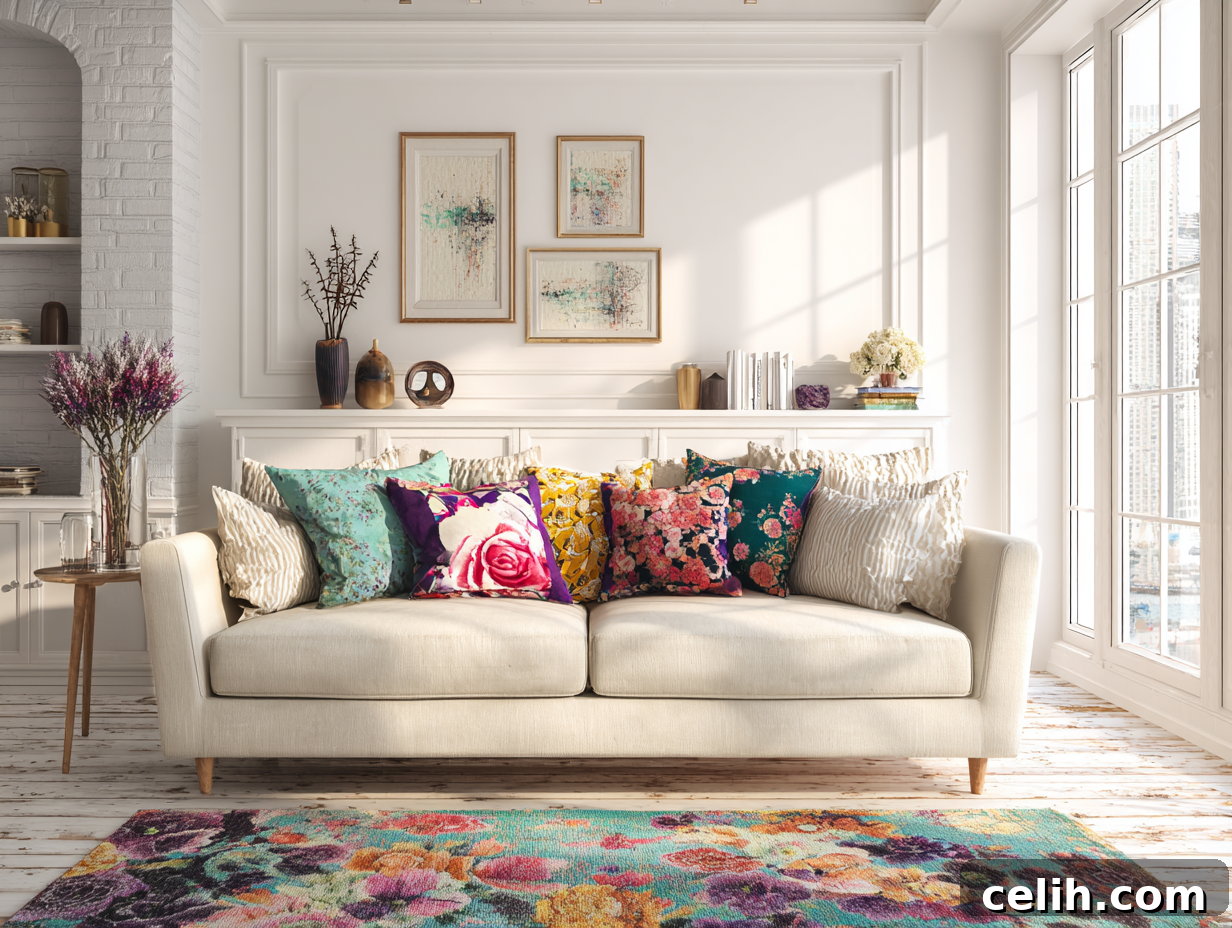
The journey of buying your first home is often described as a pivotal life moment, brimming with an intoxicating mix of excitement, anticipation, and dreams of creating your perfect sanctuary. However, this very enthusiasm can sometimes lead to impulsive decisions, particularly when it comes to furnishing and decorating. Whether you’re like me, having recently navigated the thrilling, yet sometimes overwhelming, process of settling into a new place, or you’re preparing to embark on your own homeownership adventure, there’s a common pitfall to avoid: the dreaded furniture overload. This article will guide you through strategic approaches to ensure your dream home remains a harmonious haven, not a cluttered nightmare, by focusing on thoughtful choices and smart design.
Embrace Your Space: Understanding Dimensions for Smart Furniture Choices
Upon moving into my own apartment, my imagination ran wild with grand visions of vibrant wall-to-wall decor and statement furniture pieces. However, the reality of finite square footage quickly set in, revealing that too much furniture could visually shrink my already limited space, making it feel cramped and uninviting. This experience underscored a crucial lesson for anyone decorating a new home: understanding and embracing your available space is paramount before making any purchase.
Before you even think about buying furniture for your first home, take the time to meticulously measure each room. Knowing the exact dimensions – length, width, and even ceiling height – is imperative. This detailed understanding will prevent you from investing in oversized pieces that overwhelm a room or items that simply won’t fit through doorways or into designated areas. Consider the flow of traffic within each room; you need enough space to move freely without bumping into furniture or feeling confined. This spatial awareness is a cornerstone of effective interior design for first-time buyers.
One strategy that proved incredibly effective for me was creating detailed floor plans. I sketched various layout options on graph paper, meticulously drawing each furniture piece to scale. Today, numerous online tools and apps offer similar capabilities, allowing you to drag and drop virtual furniture into your digital floor plan. This pre-visualization step is invaluable. It enables you to experiment with different configurations, test sightlines, and ensure clear pathways without the physical labor of rearranging heavy items. This clarity is essential for making smart furniture solutions that truly work for your living environment.
Embracing your new environment also means being open to redefining traditional room functions. What might have been conceived as a formal dining room in one home could, in a smaller or different layout, flawlessly double as a home office, a cozy reading nook, or even a dedicated craft area in another. By adopting this flexibility, you can maximize the utility of every square inch. Creating multifunctional zones tailored to your evolving needs, without adding unnecessary furnishings, is a hallmark of intelligent small space living. A bit of thoughtful planning can transform your home into a dynamic, adaptable space that perfectly complements your lifestyle, proving that innovative home organization can turn challenges into design opportunities.
Prioritize Functionality: Building a Foundation for Practical Living
In the early stages of decorating my new home, I found myself drawn to pieces purely for their aesthetic appeal. A chic, sculptural armchair or an intricately carved sideboard might seem like essential additions at first glance. However, I quickly learned to pivot my focus and put functionality first. The key question I began asking myself was: “Does this piece actually serve a practical purpose in my daily life?” My advice to you, therefore, is to begin by making a comprehensive list of absolute essentials – fundamental items like a comfortable bed, a functional sofa, and a practical dining table – before allowing yourself to be swayed by stylistic trends or luxury purchases.
Defining the true purpose of each room was instrumental in honing in on functionality. For example, recognizing that my living room needed to function both as a relaxation hub for unwinding and a part-time office space for productivity led me to invest in a versatile sectional sofa. This wasn’t just cozy seating; its design allowed for comfortable lounging while also providing an accessible surface or a nearby ottoman that could serve as a temporary computer nook. This pragmatic approach ensured that every piece I brought into my home was not only aesthetically pleasing but also robustly practical and intentionally chosen. This focus on functional furniture ideas prevents accumulating items that look good but contribute to clutter.
During this meticulous process of prioritizing functionality, I also gained a deeper appreciation for the principles of sustainable living. Instead of simply discarding old furniture that no longer fit my space or needs, I began to explore responsible alternatives. Services that offer old furniture removal often prioritize recycling or repurposing items, minimizing waste and contributing to a circular economy. This extends beyond disposal; it also encourages considering the longevity and environmental impact of new purchases, favoring quality pieces that are built to last rather than disposable trends. Embracing sustainable home decor means making conscious choices that benefit both your home and the planet, truly making your home a sanctuary.
Think Multipurpose: Maximizing Small Spaces with Smart Furniture Solutions
The adage “less truly is more” finds its most profound application when considering multipurpose furniture for your first home. In the quest to create an efficient and uncluttered living environment, I discovered that smart, flexible pieces are absolute lifesavers, especially in smaller homes. For instance, investing in a high-quality sofa bed was a revelation; it not only saved precious floor space during the day but also seamlessly transformed into a comfortable sleeping solution for overnight guests, eliminating the need for a dedicated guest room.
The market for space-saving furniture has exploded, offering ingenious solutions for modern living. When you’re decorating a new home, actively seek out items that offer dual or even triple functionality. Think beyond the basic sofa bed: explore modular shelving systems that can be reconfigured to serve as a media stand, a bookshelf, or even a room divider. Consider console tables that cleverly incorporate hidden storage drawers, making them perfect for entryways or narrow hallways where every inch counts. Ottomans with lift-top storage are ideal for stashing away blankets, magazines, or remote controls, helping to maintain a clutter-free aesthetic in your living room.
Other brilliant examples of multipurpose furniture include nesting tables, which can be tucked away when not in use and pulled out as needed for drinks or snacks. Extendable dining tables are perfect for those who host occasionally but don’t have space for a large table daily. Wall-mounted desks or fold-down tables offer dedicated workspace that disappears when work is done. Even a well-chosen bench can provide extra seating, a surface for books, and often hidden storage. These innovative solutions maximize your usable space without physically crowding it, contributing significantly to a minimalist home design while enhancing convenience and versatility. Embracing smart furniture solutions is key to successful decluttering home tips and maintaining an organized, breathable environment.
Avoid Emotional Spending: Thoughtful Choices for Lasting Satisfaction
The sheer excitement surrounding the process of decorating a new home can be incredibly powerful, often leading to impulse purchases that, in retrospect, you might deeply regret. I vividly recall falling head over heels for an intricate, ornate coffee table in a showroom, only to realize much later that its elaborate design clashed dramatically with my developing minimalist style and functional needs. This experience taught me a valuable lesson: emotional spending is a significant pitfall when furnishing your first home.
To counteract this, cultivate patience and intentionality. Resist the urge to buy everything at once. Instead, take your time. If a piece truly catches your eye, give yourself a cooling-off period – sleep on major purchases for at least a few days, or even a week. Use this time to critically evaluate its utility and how it will integrate into your day-to-day life. Ask yourself: Is this an essential item, or merely a fleeting desire? Does it align with the overall vision and functionality you’re trying to create for your home? Will it truly enhance your living experience or just occupy space?
Creating a mood board, either physical or digital, before you start shopping can be incredibly beneficial. Collect images of rooms, furniture, and decor that resonate with you. This visual guide helps solidify your personal style and acts as a filter against impulse buys that don’t fit your aesthetic or functional criteria. Comparing options, reading reviews, and considering the long-term durability and maintenance of a piece are also vital steps. By removing the emotion from the purchasing decision and focusing on practicality and thoughtful alignment with your home’s design, you can make choices that bring lasting satisfaction, avoid costly mistakes, and prevent furniture overload. This mindful decorating approach ensures every item serves a purpose and contributes positively to your personalized home.
Practice Restraint: Curating Your Home with Purpose
The urge to fill every empty corner of your new home with charming bookshelves, whimsical decor, or an abundance of artsy objects can be incredibly hard to resist. There’s a natural inclination to make a space feel “finished” immediately. However, one of the most powerful principles in creating a beautiful and serene environment is to practice restraint. It’s crucial to allow each carefully chosen piece of furniture and decor to breathe, to have its own moment, and to stand out without competing for attention.
I confess, I too fell into the trap of over-accessorizing. My living room quickly became a sea of throw pillows, decorative trinkets, and framed art, creating a visual cacophony rather than a harmonious space. The result was a feeling of clutter and overwhelm, making the room feel smaller and less inviting. I learned that true elegance often lies in simplicity and thoughtful curation.
Now, my approach to home decor is significantly more deliberate. Instead of accumulating items, I consciously curate decor items, selecting only those that truly resonate with my aesthetic, evoke positive feelings, or serve a specific purpose. This often means rotating items in and out seasonally or when I feel a need for a refresh. By doing so, each piece gets its moment to shine, preventing any single area from becoming visually overwhelming. This strategy helps maintain a fresh look without the need for constant new purchases, embodying principles of sustainable and mindful decorating.
Consider the concept of “negative space” – the empty areas around and between objects. These are just as important as the objects themselves. Negative space allows the eye to rest, making a room feel more spacious, calm, and sophisticated. Instead of filling every shelf or tabletop, leave some surfaces clear. Opt for fewer, but more impactful, statement pieces rather than a multitude of smaller items. This practice of restraint is a cornerstone of minimalist home design and effective decluttering home tips, ensuring your first home feels like a carefully designed sanctuary, not a storage unit, and truly reflects your personalized home aesthetic.
Be Patient: Cultivating a Home That Grows with You
One of the most important lessons I learned on my journey to furnishing my first home is that the process doesn’t, and shouldn’t, happen overnight. There’s a powerful temptation to buy multiple pieces within the first month, driven by the desire for instant gratification and a “finished” look. However, I eventually realized that patience is an invaluable virtue in home furnishing. It allows you the time and perspective to find pieces that truly resonate with your evolving style, meet your specific needs, and fit perfectly within your budget. Rushing often leads to compromises and purchases you might later regret, contributing to furniture overload.
By adopting a gradual approach, you can thoughtfully layer your space over time. This process allows for a more personalized and cohesive environment to emerge organically. You have the opportunity to live in your space, understand its natural light, observe how you use each room, and identify what genuine needs arise. This lived-in understanding is far more effective than a preconceived shopping list. For instance, you might discover a need for better lighting in a specific corner or realize that a different type of storage would be more practical for your daily routine.
An unexpected and delightful benefit of exercising patience was the discovery of unique secondhand treasures. By not rushing, I had the leisure to browse local thrift stores, antique shops, flea markets, and online marketplaces. These venues often yield incredible finds – vintage furniture, one-of-a-kind decor, or art pieces with character and history. Integrating these pre-loved items not only adds a distinctive charm and story to your home, making it truly unique and personalized, but it also aligns with sustainable living practices by giving items a second life. These unique finds often become conversation pieces, adding depth and personality that mass-produced items simply cannot replicate.
Patience also grants you the financial flexibility to save for quality pieces that will stand the test of time, rather than settling for cheaper, less durable alternatives. It allows your personal style to evolve and solidify, ensuring that each investment is a true reflection of who you are and what you love. Furnishing a home is a journey, not a sprint. Embrace the process, allow your space to unfold naturally, and you will create a home that feels authentic, cherished, and uniquely yours, making every piece of furniture a meaningful addition rather than just another item.
Conclusion: Crafting Your Harmonious Home Sanctuary
Overloading your home with furniture isn’t merely an aesthetic misstep; it profoundly affects how you feel, function, and find peace within your own space. Your first home should be a reflection of your personal style and aspirations, a sanctuary that promotes well-being, efficiency, and comfort, all while remaining functional and gloriously uncluttered. Achieving this ideal is entirely possible with thoughtful planning, strategic decision-making, and a healthy dose of restraint.
Remember, the goal is not to fill every empty corner but to curate a collection of pieces that serve a purpose, spark joy, and enhance your daily life. By embracing your space, prioritizing functionality over fleeting aesthetics, investing in versatile multipurpose furniture, guarding against emotional spending, and practicing mindful restraint, you lay the foundation for a truly harmonious home. Cultivating patience throughout this journey will allow you to discover unique treasures and ensure that every item brought into your home is a deliberate and cherished addition, rather than a hastily acquired burden.
In the world of home furnishing and interior design, think quality over quantity. Invest in well-made pieces that you love and that will stand the test of time, reducing waste and contributing to a more sustainable lifestyle. Your living space is more than just walls and furniture; it’s a backdrop for your life, a place where memories are made, and where you should feel most at ease. By following these principles, your space, and indeed your sanity, will undoubtedly thank you, transforming your new house into a personalized home that is both beautiful and efficiently designed for comfortable living.