
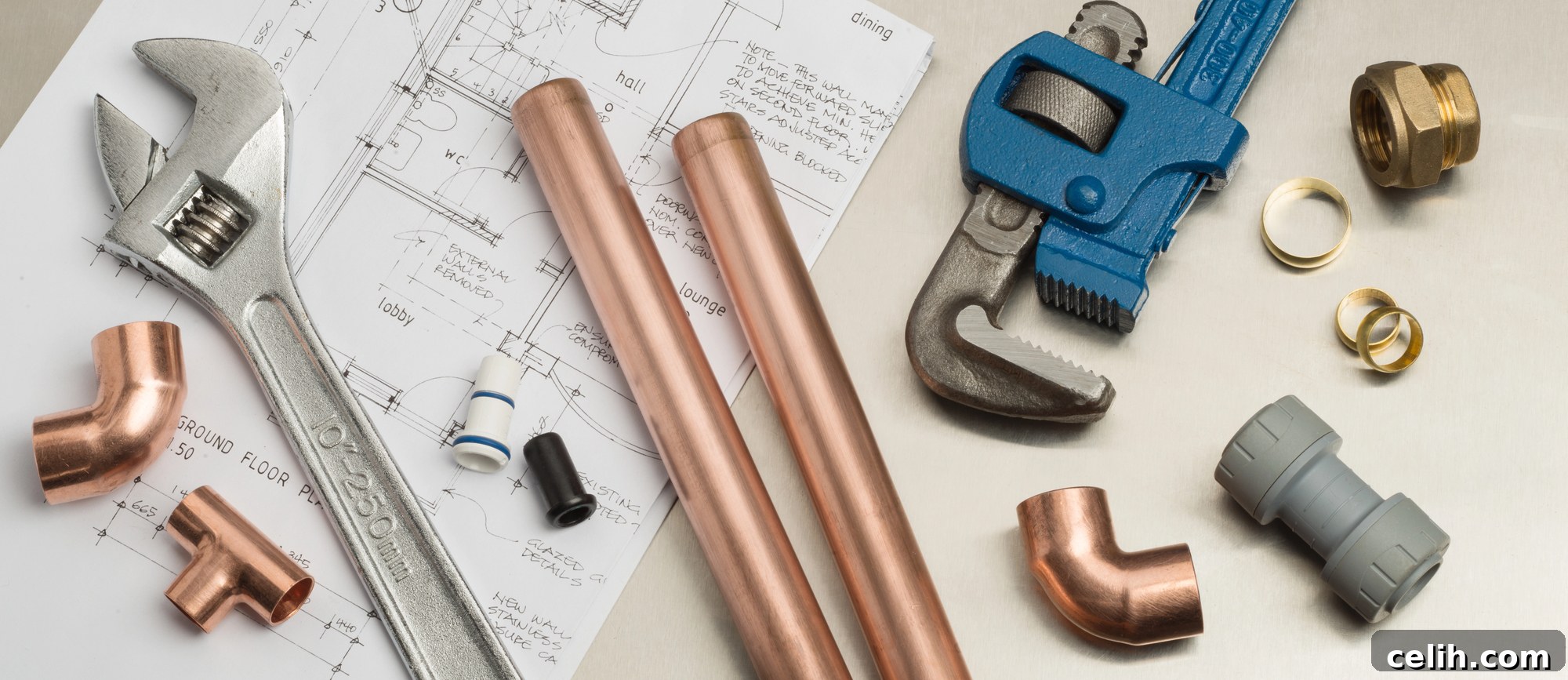
In the intricate network that constitutes your home’s plumbing system, pipes serve as the vital arteries, silently working to deliver fresh, clean water to every faucet and efficiently whisk away waste. They are the true unsung heroes, fundamental to the comfort, hygiene, and overall functionality of any modern dwelling. However, the world of plumbing pipes is far from monolithic; it’s a diverse landscape of materials, each engineered with distinct properties to meet specific demands. Understanding these different types of plumbing pipes is paramount for homeowners, builders, and renovators alike, as the choice of material directly impacts performance, longevity, and cost. This comprehensive guide delves into the most common types of pipes used in residential and commercial plumbing, exploring their unique advantages, potential drawbacks, and ideal applications to help you make informed decisions for a robust and reliable plumbing infrastructure.
Copper Pipes: The Enduring Standard
For many decades, copper pipes have stood as the gold standard in plumbing, revered for their exceptional durability and unwavering reliability. Found in countless homes across generations, copper remains a premium choice for both hot and cold water supply lines, as well as radiant heating systems, thanks to its superior thermal conductivity and inherent strength.
Advantages of Copper Pipes:
- Unmatched Durability and Longevity: Copper is renowned for its incredible lifespan, often performing reliably for 50 years or even more. This makes it a significant long-term investment that minimizes the need for frequent replacements and costly repairs over the life of your home. Its robust nature means it can withstand normal wear and tear with remarkable resilience.
- Superior Heat Tolerance: Copper’s ability to handle high temperatures without degradation or compromise makes it the ideal material for hot water supply lines, including those connected to water heaters, boilers, and circulating hot water systems. It expands and contracts minimally with temperature changes, maintaining its structural integrity.
- Exceptional Corrosion Resistance: Unlike some metallic pipes that are prone to rust, copper naturally resists corrosion and bacterial growth, ensuring that the water delivered to your faucets remains clean and free from metallic contamination. This resistance contributes significantly to water quality and taste.
- Safety and Health Standards: Copper pipes do not release harmful chemicals or volatile organic compounds (VOCs) into the water supply. They are considered safe for potable water and meet stringent health standards, providing peace of mind for homeowners regarding their drinking water.
- Recyclability: Copper is a highly recyclable material, making it an environmentally conscious choice. At the end of its long service life, copper piping can be recycled without losing its quality, reducing waste and supporting sustainable practices.
Disadvantages of Copper Pipes:
- Higher Initial Cost: The primary drawback of copper is its expense. Copper pipes are significantly more costly than most other pipe materials, both in terms of raw material price and the specialized tools required for installation. This higher upfront investment can be a deterrent for budget-conscious projects.
- Complex and Skill-Intensive Installation: Installing copper piping requires specialized skills, particularly soldering techniques, to create secure and leak-free joints. This often necessitates professional installation, adding to the overall labor cost. DIY installation without proper expertise can lead to costly leaks and system failures.
- Susceptibility to Pinhole Leaks: While generally durable, copper can be susceptible to pinhole leaks over time, especially in areas with aggressive water chemistry or high acidity. These tiny leaks can be difficult to detect and repair, potentially leading to water damage.
- Noise Potential: Copper pipes can sometimes be prone to “water hammer” noise if not properly secured or if water pressure is inconsistent, which can be an annoyance in residential settings.
PEX Pipes: The Flexible Future of Plumbing
PEX, or cross-linked polyethylene, pipes have rapidly emerged as a frontrunner in modern plumbing, gaining immense popularity among homeowners and Calgary plumbing services alike due to their remarkable flexibility, ease of installation, and cost-effectiveness. PEX is primarily used for residential water supply lines, and its innovative design has revolutionized plumbing system layouts.
Advantages of PEX Pipes:
- Exceptional Flexibility and Adaptability: PEX pipes are incredibly flexible, allowing them to be easily snaked around obstacles, through walls, and across joists without the need for numerous joints or fittings. This reduces potential leak points, simplifies complex layouts, and speeds up installation significantly.
- Streamlined and Cost-Effective Installation: PEX is lightweight, easy to cut, and doesn’t require soldering, which eliminates the need for open flames during installation. Connections are typically made with crimp rings, expansion fittings, or push-fit connectors, making the process much faster, safer, and less labor-intensive than traditional copper piping. This directly translates to reduced labor costs.
- Outstanding Freeze Resistance: Unlike rigid pipes that can burst when water freezes inside them, PEX has a natural ability to expand and contract, making it highly resistant to damage from freezing temperatures. While it’s not entirely freeze-proof, it significantly reduces the risk of burst pipes in cold climates.
- Resistance to Scale and Chlorine: PEX is highly resistant to mineral buildup (scaling) and degradation from chlorine, common in municipal water supplies. This resistance helps maintain consistent water flow and ensures a long, reliable lifespan for the piping system.
- Reduced Water Noise: The flexible nature of PEX, combined with its ability to absorb pressure fluctuations, often results in quieter plumbing systems compared to rigid materials like copper, minimizing irritating water hammer sounds.
- Cost-Effectiveness: PEX is generally less expensive than copper, both in material costs and installation labor, making it an attractive option for new constructions and renovations on a budget.
Disadvantages of PEX Pipes:
- UV Sensitivity: PEX pipes are sensitive to ultraviolet (UV) light, which can cause them to degrade and become brittle over time. This makes PEX unsuitable for outdoor applications or direct exposure to sunlight. Proper storage and protection are crucial.
- Temperature Limitations: While PEX handles hot water well for standard residential use, it has lower temperature limits than copper. It may not be suitable for extremely high-temperature environments, such as very close proximity to specific types of boilers or commercial high-heat applications, without special considerations.
- Potential for Leaching (Historical Concern): Early generations of PEX pipes raised some concerns about the potential for trace amounts of chemicals (like MTBE, t-Butyl alcohol, or toluene) to leach into drinking water, particularly when the pipes were new. However, most modern PEX products undergo rigorous testing and meet strict safety standards (e.g., NSF/ANSI 61 and ASTM F876) to ensure they are safe for potable water. Consumers should always choose PEX from reputable manufacturers that are certified by recognized safety organizations.
- Rodent Damage: PEX can be more vulnerable to chewing by rodents than metal pipes, which could lead to leaks if not adequately protected in areas prone to pests.
- Less Rigid for Support: Its flexibility means PEX requires more frequent support and strapping to prevent sagging, especially in long runs, which can sometimes add to installation complexity.
PVC Pipes: The Workhorse of Drainage
PVC, or polyvinyl chloride, pipes are ubiquitous in modern construction, primarily known for their widespread use in drain, waste, and vent (DWV) systems. They are also commonly employed for cold water supply lines, irrigation systems, and various non-potable applications due to their exceptional affordability and user-friendly characteristics.
Advantages of PVC Pipes:
- Unbeatable Cost-Effectiveness: PVC is one of the most affordable pipe materials available on the market, making it an incredibly popular choice for large-scale projects and budget-conscious renovations. This low material cost significantly impacts overall project expenses.
- Effortless Installation: PVC pipes are remarkably lightweight and easy to cut with simple hand tools. Connections are made using solvent cement, which creates strong, reliable, and watertight bonds quickly. This ease of handling and installation reduces labor time and complexity, making it a favorite for DIY enthusiasts and professionals alike.
- Excellent Corrosion and Chemical Resistance: PVC does not rust, corrode, or degrade when exposed to most chemicals found in typical plumbing systems. This inherent resistance ensures a very long lifespan, especially in DWV applications where it handles various waste products without issue.
- Versatility in Applications: PVC pipes come in a wide range of sizes, thicknesses (schedules like Schedule 40 and Schedule 80), and fittings, making them highly versatile for a multitude of applications beyond just DWV, including underground irrigation, pool circulation systems, and conduit for electrical wiring.
- Smooth Interior Walls: The smooth interior surface of PVC pipes reduces friction and prevents the buildup of scale or debris, ensuring efficient flow in drainage systems and minimizing blockages over time.
Disadvantages of PVC Pipes:
- Significant Temperature Limitations: This is PVC’s most critical drawback. PVC pipes are strictly unsuitable for hot water lines, as they can warp, soften, or degrade at high temperatures (typically above 140°F or 60°C). Exposure to hot water can compromise their structural integrity and lead to leaks or system failure.
- Brittleness in Certain Conditions: Over time, especially when exposed to direct UV light (sunlight) or freezing temperatures, PVC can become brittle and prone to cracking. This makes outdoor use challenging without proper protection and requires careful handling during installation in cold climates.
- Non-recyclable (in most municipal systems): While technically recyclable, the infrastructure for recycling PVC pipes isn’t as widespread as for other plastics, and often depends on local facilities. Improper disposal contributes to landfill waste.
- Lower Pressure Rating: While suitable for DWV (low pressure) and some cold water supply (moderate pressure), PVC generally has lower pressure ratings compared to materials like copper or even CPVC, limiting its use in high-pressure applications.
CPVC Pipes: The Hot Water Upgrade
CPVC, or chlorinated polyvinyl chloride, pipes represent an advancement over standard PVC, specifically engineered to withstand higher temperatures. This makes CPVC a viable and often more affordable alternative to copper for both hot and cold water supply lines, bridging the gap between traditional metal piping and basic PVC.
Advantages of CPVC Pipes:
- Enhanced Heat Resistance: The primary advantage of CPVC is its ability to handle significantly higher temperatures than standard PVC. This chlorination process increases its heat deformation threshold, making it suitable and safe for hot water supply lines in residential and even some light commercial applications, where PVC would fail.
- Excellent Corrosion and Chemical Resistance: Like PVC, CPVC is highly resistant to corrosion, scaling, and chemical degradation. This ensures a clean water supply and a long service life, even in environments where water chemistry might be aggressive to metallic pipes.
- Affordability Compared to Copper: CPVC offers a substantial cost advantage over copper pipes, making it a very attractive option for homeowners seeking a reliable and durable hot water solution without the premium price tag of copper.
- Relatively Easy Installation: Similar to PVC, CPVC pipes are lightweight and can be cut easily. They are joined using specialized solvent cement, which creates strong, permanent bonds. This ease of installation, requiring less specialized tools and skills than soldering copper, contributes to lower labor costs.
- Quiet Operation: CPVC, being a plastic material, naturally absorbs sound and reduces water noise, including the annoying effects of water hammer, contributing to a quieter home environment.
Disadvantages of CPVC Pipes:
- Brittleness Over Time and in Cold Climates: While more robust than PVC, CPVC can still become brittle with age, especially when exposed to very cold temperatures or certain environmental stressors. This brittleness makes it more susceptible to cracking or breaking if handled improperly during installation or if subjected to impacts.
- Vulnerability to Freezing and Cracking: Despite its overall durability, CPVC can crack if water inside it freezes solid. This potential for cracking can lead to leaks and significant water damage, particularly in unheated areas or during severe cold snaps, necessitating proper insulation.
- Chemical Sensitivity to Certain Solvents: CPVC can be negatively affected by contact with certain chemicals, such as those found in some thread sealants, pest control sprays, or fire retardants, which can weaken the pipe and lead to failure. Care must be taken to ensure compatibility with all adjacent materials.
- Limited UV Resistance: Like PVC, CPVC has limited resistance to UV light and should not be used in outdoor applications where it will be exposed to direct sunlight for extended periods.
Galvanized Steel Pipes: The Legacy of Old Plumbing
Galvanized steel pipes, characterized by their zinc coating, were once the prevailing standard for residential plumbing and remain common in many older homes. Historically, they were valued for their strength and perceived rust resistance, used extensively for water supply lines and gas lines before the advent of more advanced materials. While rarely installed in new construction today, understanding their properties is crucial for maintaining or upgrading older plumbing systems.
Advantages of Galvanized Steel Pipes:
- Exceptional Strength and Rigidity: Galvanized steel pipes are incredibly robust and durable, capable of withstanding high internal pressures and external impacts. This inherent strength made them suitable for structural applications and areas where pipe damage was a concern.
- Initial Rust Resistance: The zinc coating applied to steel pipes provides an initial layer of protection against rust and corrosion. This coating acts as a sacrificial anode, corroding before the underlying steel, thereby extending the pipe’s useful life in its early years.
- Suitable for Gas Lines: Due to their strength and rigidity, galvanized steel pipes are still sometimes used for gas supply lines, where integrity and resistance to mechanical damage are paramount.
Disadvantages of Galvanized Steel Pipes:
- Inherent Corrosion and Deterioration Over Time: The most significant drawback of galvanized steel is that its protective zinc coating inevitably wears off over time, often within 20-50 years, depending on water conditions. Once the zinc is gone, the underlying steel rusts from the inside out. This internal corrosion leads to several critical issues:
- Reduced Water Flow: Rust and mineral buildup (scale) accumulate on the interior walls of the pipe, significantly reducing the effective diameter and thus restricting water flow, leading to noticeable drops in water pressure throughout the home.
- Contaminated Water: As the pipes corrode, rust particles and other sediments can flake off and enter the water supply, causing discolored water (yellow, brown, or rusty), especially after periods of non-use.
- Potential for Leaks: Internal corrosion weakens the pipe walls, making them susceptible to pinhole leaks or catastrophic bursts, particularly at joints and elbows where corrosion often accelerates.
- Cumbersome Weight and Challenging Installation: Galvanized steel pipes are very heavy, making them difficult and labor-intensive to transport and install. They require threading tools and significant physical effort for assembly, typically necessitating professional plumbing expertise.
- Serious Health Concerns (Lead Leaching): Older galvanized steel pipes, especially those installed before the mid-20th century, were often connected with lead-based solder or may have accumulated lead particles from upstream lead service lines. As the pipes corrode, these lead deposits can leach into the drinking water, posing significant health risks, particularly to children and pregnant women. Even newer galvanized pipes can accumulate lead from connected lead service lines.
- Galvanic Corrosion: When galvanized steel is connected directly to copper piping (a common occurrence in older homes during repairs), it can accelerate galvanic corrosion. This electrochemical reaction causes the zinc coating to corrode even faster, leading to premature pipe failure at the connection point.
The Importance of Working with Plumbing Professionals
Choosing the right type of pipe for your plumbing system in Calgary or any location is a decision with long-term implications for your home’s functionality, water quality, and structural integrity. Each pipe material, from the traditional reliability of copper to the flexible innovation of PEX, and the versatile utility of PVC and CPVC, comes with its own set of advantages and disadvantages. These factors must be carefully weighed against your budget, local climate conditions (e.g., freezing temperatures or aggressive water chemistry), the specific application (hot water, cold water, drainage), and the expected lifespan.
Understanding these distinctions is crucial, whether you are embarking on a new home construction project, undertaking a major renovation, or simply replacing aging pipes. The choice impacts not only the initial installation cost but also future maintenance, water efficiency, and potential health risks. Given the complexity and critical nature of plumbing systems, consulting with a professional plumber is an indispensable step. Experienced plumbers possess the expertise to assess your specific needs, understand local building codes, recommend the most suitable materials, and ensure a flawless, code-compliant installation. Their guidance can help you avoid costly mistakes, secure the longevity of your plumbing system, and provide peace of mind that your home’s vital water network will run smoothly and efficiently for many years to come.