
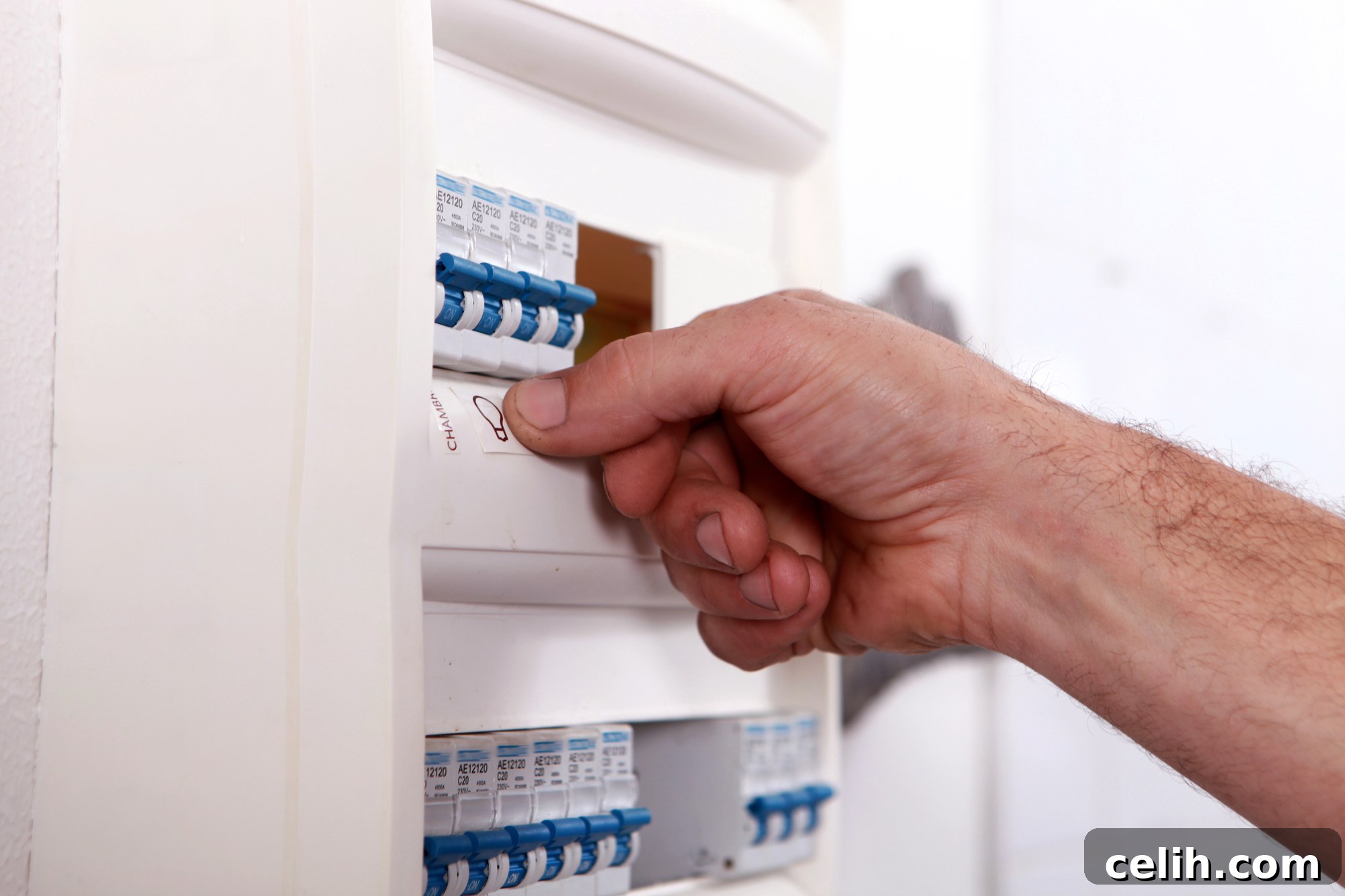
In today’s interconnected world, our homes are more reliant than ever on a robust, stable, and high-capacity electrical system. From powering essential kitchen appliances and advanced entertainment centers to supporting sophisticated smart home devices and electric vehicle chargers, modern living demands a significant and consistent flow of electricity. However, many older residences were constructed with electrical panels that simply weren’t designed to handle the contemporary energy landscape. Recognizing the crucial signs that your home requires an electrical panel upgrade is paramount, especially before introducing high-power additions like high-efficiency HVAC units, tankless water heaters, or dedicated charging stations for electric vehicles. Proactively addressing these indicators not only enhances safety but also future-proofs your home for evolving technological needs and increased power consumption.
Why Electrical Panel Capacity is Non-Negotiable for Modern Homes
The electrical panel, often referred to as the breaker box or service panel, serves as the heart of your home’s electrical system. It’s responsible for safely receiving electricity from the utility company and then distributing it across various circuits to power every light, appliance, and device in your home. For homes built prior to the 1990s, the standard electrical panel typically had a capacity ranging from 60 to 100 amps. This capacity was more than sufficient for the limited electrical demands of that era, which primarily included basic lighting, refrigerators, and perhaps a television. However, this is a stark contrast to the 150- to 200-amp standard now commonly required in new constructions and recommended for homes undergoing significant renovations. Attempting to power an array of modern appliances and sophisticated electronics with an outdated, undersized panel can lead to severe safety risks, diminished system efficiency, and even damage to your valuable electronics.
The Consequences of an Overloaded Electrical Panel
When your home’s electrical panel is unable to keep pace with the demands placed upon it, several hazardous and inconvenient issues can arise. The most common symptom is frequent circuit breaker trips, where the safety mechanism activates to prevent overheating in the circuit. Another indicator is the persistent blowing of fuses in older fuse box systems. However, the dangers extend far beyond mere inconvenience. A chronically overloaded panel generates excessive heat internally, which can lead to insulation around wires melting, connections becoming loose, and in worst-case scenarios, the ignition of an electrical fire. These failures are particularly prone to occurring when multiple high-demand appliances operate simultaneously, such as a clothes dryer, an electric oven, a central air conditioning unit, or a large water heater. Even seemingly less energy-intensive appliances, like microwaves, hair dryers, and multiple charging devices, can cumulatively compound the issue when combined with an aging electrical infrastructure. This constant strain accelerates the wear and tear on the entire electrical system, significantly weakening its ability to safely and reliably manage the electrical load, ultimately compromising your home’s safety and functionality.
Indisputable Signs Your Home Needs an Electrical Panel Upgrade
Ignoring the subtle or overt warning signs of an inadequate electrical panel can lead to not only frustrating power interruptions but also serious safety hazards and costly repairs. Adding new, powerful appliances without first addressing these critical indicators is akin to building a skyscraper on a weak foundation. Here are the key red flags to watch for:
1. Frequent Circuit Breaker Trips
This is arguably the most common and unmistakable sign of an overloaded electrical system. If your circuit breakers are tripping regularly, especially when you operate multiple appliances concurrently, it’s a clear indication that your current electrical system is overextended and cannot safely handle the electrical demand. While an occasional trip might point to a faulty appliance, consistent tripping signals that your panel lacks the necessary capacity for your household’s needs. Each trip is a warning, and ignoring it means the panel is repeatedly pushed to its limits, risking overheating and potential damage.
2. Lights Flickering or Dimming When Devices Activate
Do your lights dim or flicker noticeably when a large appliance, such as a refrigerator, oven, or air conditioning unit, kicks on? This power dip is a significant indicator of voltage instability and suggests that your electrical panel is struggling to distribute power effectively across your home. It means there isn’t enough power immediately available to satisfy the sudden demand, causing a momentary drop in voltage. This symptom is particularly prevalent in homes that rely on centralized HVAC systems, well pumps, or other motors that draw a significant surge of power upon startup. Beyond the annoyance, these voltage fluctuations can stress and shorten the lifespan of sensitive electronic devices.
3. Warm Outlets or the Electrical Panel Face
Any abnormal heat radiating from your electrical outlets, switch plates, or the actual face of your electrical panel is a serious danger sign that should prompt immediate professional attention. Excessive heat typically signifies poor connections, faulty wiring, or severely overloaded circuits that are drawing more current than they can safely handle. In some alarming instances, the plastic covers around outlets or switches may even become discolored, scorched, or emit a burning smell – these are critical early warnings that the electrical system is under significant and potentially dangerous stress, escalating the risk of an electrical fire.
4. Limited Circuit Availability
If you find yourself constantly running out of available breaker slots in your panel, it means you cannot safely add new circuits to support additional devices, dedicated appliance lines, or expanding living spaces. This limitation often forces homeowners into the dangerous practice of “daisy-chaining” power strips and extension cords to accommodate their power needs. Not only is this inconvenient, but it also creates a significant fire hazard, as extension cords are not designed for permanent use and can easily become overloaded or damaged.
5. Original Panel from the Home’s Construction (25+ Years Old)
If your home is more than 25 years old and still operates with its original electrical panel, an upgrade is almost certainly overdue, even if it appears to be functioning without immediate issues. Electrical codes and safety standards have evolved dramatically over the decades, introducing stricter requirements for safer and more robust systems. Older panels simply were not engineered to handle the sustained and higher electrical loads common in modern households. Furthermore, components within older panels, such as circuit breakers and wiring insulation, degrade over time, increasing the risk of failure and fire.
Understanding Appliance Load and Escalating Power Demand
The sheer number and power requirements of contemporary appliances contribute significantly to the strain on older electrical panels. High-powered devices such as double ovens, indoor hot tubs, high-efficiency HVAC systems, induction cooktops, and electric vehicle (EV) chargers each draw substantial amperage. Installing even one of these modern conveniences onto an outdated electrical system can immediately trigger an overload, leading to repeated breaker trips, appliance malfunctions, reduced efficiency, and creating potentially hazardous conditions. According to the U.S. Energy Information Administration, the average American household consumes nearly 11,000 kilowatt-hours (kWh) of electricity annually. This figure continues to climb steadily as families adopt more energy-hungry conveniences and technologies, making electrical panel upgrades an increasingly urgent and necessary home improvement.
The Impact of Smart Technology and Continuous Power Draw
Beyond major appliances, today’s homes are filled with dozens, if not hundreds, of “always-on” devices. From Wi-Fi routers, modems, and smart speakers to security cameras, media servers, and a multitude of charging stations, these devices create a constant “background load” that older electrical systems were never designed to accommodate. This continuous, albeit often small, draw adds up, creating a persistent base load that contributes significantly to overall panel strain. Add to this the seasonal spikes in demand from portable space heaters in winter or multiple cooling units in summer, and an outdated panel can quickly become overwhelmed. Moreover, many smart appliances and sophisticated electronics are highly sensitive to power irregularities, making reliable and consistent voltage regulation from a modern, stable electrical panel absolutely crucial for their proper function and longevity.
The Significant Risks of Delaying an Electrical Panel Upgrade
Ignoring the critical signs that your home needs an electrical panel upgrade extends far beyond mere inconvenience. Delaying this essential home improvement can lead to a cascade of negative consequences, including expensive repairs to damaged appliances, failed home inspections during resale, and critically, a heightened risk of electrical fires. Furthermore, many homeowner insurance companies may deny coverage for claims related to electrical faults or fires if it’s determined that your electrical panel was outdated, improperly maintained, or insufficient for your home’s needs. Fire departments nationwide frequently report numerous residential incidents directly linked to electrical faults, a significant portion of which stem from old, undersized, or malfunctioning electrical panels. In the worst-case scenarios, these incidents can result in tens of thousands of dollars in property damage, forced displacement, and severe personal injury or even loss of life.
Evaluating Tradeoffs: Temporary Fixes Versus Long-Term Solutions
While some homeowners might be tempted to seek temporary workarounds to avoid the perceived expense or disruption of a full electrical panel upgrade, these shortcuts often create more problems than they solve and fail to address the fundamental issue of an undersized system. Common temporary fixes include:
- Subpanels: While a subpanel can provide additional circuit breakers for new appliances or areas, it does not, crucially, increase the overall amperage capacity of your main electrical system. It merely distributes the existing limited capacity more widely, meaning the main panel remains the bottleneck and can still be overloaded.
- Surge Protectors: These devices are invaluable for defending sensitive electronics against sudden voltage spikes and power surges. However, they do absolutely nothing to improve your electrical panel’s ability to safely handle a continuous, high electrical load or to prevent overloads from insufficient amperage. They are a supplementary protection, not a primary capacity solution.
- Skipping Permits: A dangerous and illegal practice, some homeowners opt to install new appliances or make electrical modifications without obtaining the necessary electrical permits and inspections. This exposes them to severe legal repercussions, code violations, potential fines, and significantly increases insurance liability, as well as compromising safety. Professional upgrades always require permits and adhere to local and national electrical codes.
These short-term solutions may appear to reduce upfront costs, but they fundamentally fail to solve the systemic issues of low amperage capacity and outdated electrical components. In the long run, investing in a comprehensive electrical panel upgrade, carried out by a qualified and licensed electrician, proves to be a far more efficient, reliable, and critically, safer solution than a series of ineffective and potentially dangerous patchwork fixes.
The Enduring Benefits of a Professional Electrical Panel Upgrade
A comprehensive electrical panel upgrade offers a multitude of tangible benefits that extend beyond simply preventing breaker trips, impacting your home’s safety, efficiency, and future value:
- Enhanced Capacity and Compatibility: A modern panel provides ample capacity to effortlessly power all your current appliances, smart home technologies, and future additions without the risk of system failure or overloading. This means you can install EV chargers, new kitchen appliances, or advanced entertainment systems with complete confidence.
- Increased Home Resale Value: An updated electrical system is a significant selling point. It signals to potential buyers that the home is well-maintained, safe, and ready for modern demands, potentially increasing your home’s market appeal and resale value.
- Compliance with Modern Electrical Codes: A new panel ensures your home adheres to the latest National Electrical Code (NEC) standards and local building regulations, preventing issues during inspections and providing peace of mind regarding safety.
- Significantly Reduced Fire Risks: By eliminating overloaded circuits, faulty connections, and outdated components, a new panel drastically minimizes the risk of electrical fires, protecting your property and loved ones.
- Lower Insurance Premiums and Avoided Complications: Many insurance providers offer reduced premiums for homes with updated electrical systems due to the decreased risk. It also prevents potential policy nullification in the event of an electrical incident.
- Future-Proofing Your Home: An upgraded panel prepares your home for future technological advancements, such as the integration of solar panels, battery storage systems, or additional EV charging stations, ensuring your home remains adaptable and efficient for decades to come.
Beyond these foundational benefits, modern electrical panels come equipped with advanced safety features that were unavailable in older systems. These include Arc Fault Circuit Interrupters (AFCIs), which detect dangerous electrical arcs that can cause fires, and Ground Fault Circuit Interrupters (GFCIs), which protect against severe electrical shocks. These features add crucial layers of protection against common electrical hazards. For further insights into preventing breaker trips and managing system overloads, consider exploring comprehensive guides on panel upgrades from reputable HVAC and electrical service providers.
You can also learn more aboutavoiding breaker trips and system overloads through this Fuller HVAC guide on panel upgrades.
Valuable Resources and Industry Standards
For those seeking deeper knowledge on electrical load calculation methods, national safety practices, and inspection requirements, several authoritative resources and industry organizations offer invaluable guidance:
- NFPA National Electrical Code Handbook (NEC): The cornerstone for safe electrical installation and inspection, providing comprehensive standards adopted nationwide.
- U.S. Department of Energy (DOE): Offers information on energy efficiency, renewable energy, and electrical safety resources for homeowners.
- International Association of Electrical Inspectors (IAEI): A vital source for guidance on electrical inspection requirements, fostering uniformity in the application of electrical codes.
Conclusion: Invest in Your Home’s Electrical Future
Before embarking on any home improvement project that involves new appliances or significant electrical load additions, it is absolutely essential to thoroughly evaluate the current state and capacity of your home’s electrical panel. Persistent breaker trips, noticeable flickering or dimming lights, a limited number of available circuits, and an aging panel are all undeniable signs that your home is signaling an urgent need for an electrical panel upgrade. Delaying action on these critical warnings can lead to frustrating system overloads, premature damage to expensive appliances, and, most critically, severe safety hazards including the risk of electrical fires.
Upgrading your electrical panel is far more than just increasing amperage; it’s a fundamental investment in your home’s safety, efficiency, and long-term value. A modern, properly sized electrical system ensures robust performance, enhances overall household safety through advanced protection features, and guarantees seamless compatibility with both current technologies and future innovations. Don’t compromise on the heart of your home’s power system. Make the smart and proactive move today to secure a safe, efficient, and future-ready electrical infrastructure for your home and family.