
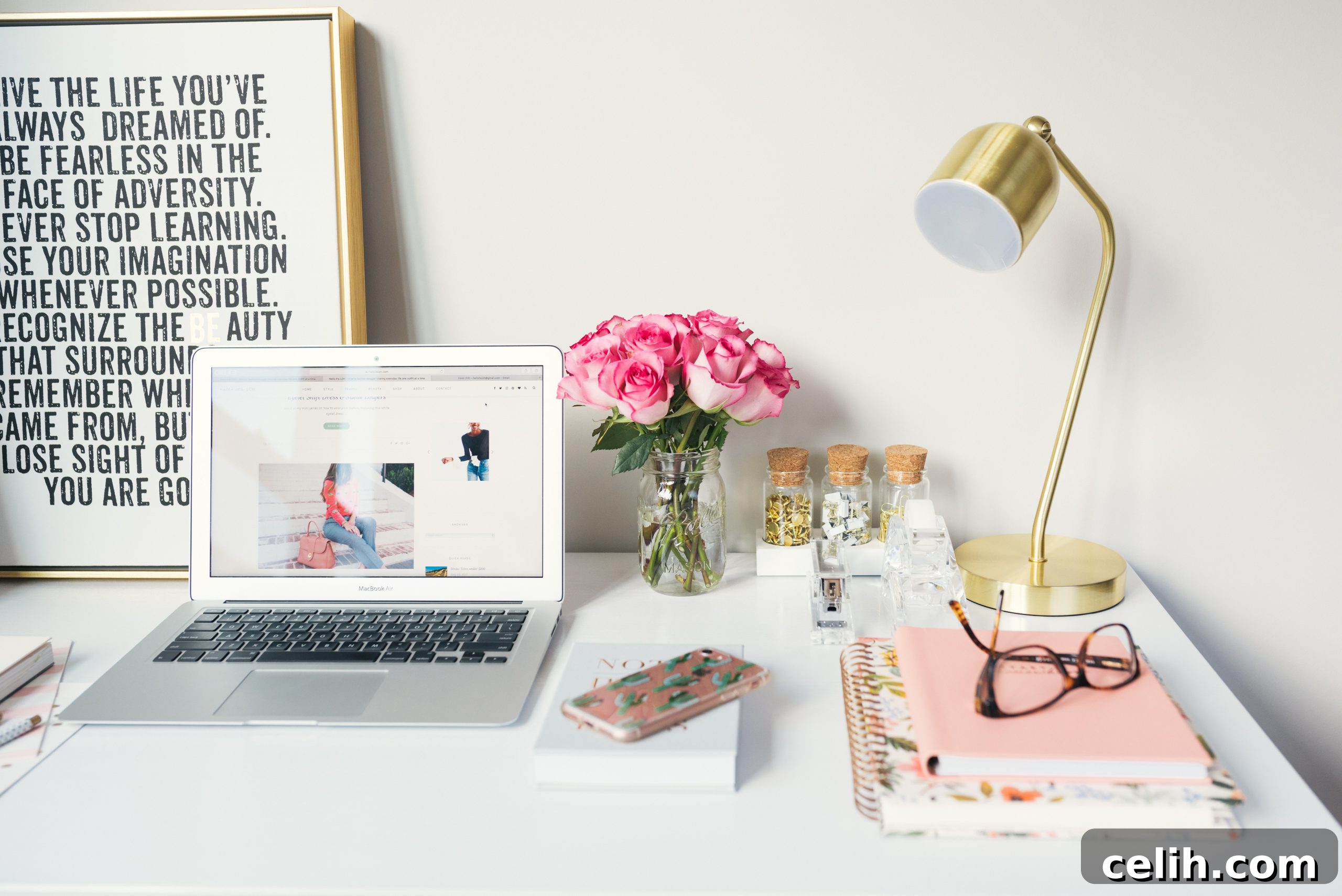
Have you ever closed your laptop at the end of a workday, only to find yourself wondering where all your precious hours went? You’re far from alone. A significant number of professionals report feeling less than productive during standard working hours, often citing a desire for fewer distractions or less workplace drama. While many dream of the flexibility offered by remote work, even those in home offices often grapple with maintaining high levels of focus. The core issue, it turns out, is that workers thrive in spaces meticulously designed to enhance concentration. Crafting an optimal office environment is not merely about aesthetics; it’s a strategic move to boost your efficiency and job satisfaction. This comprehensive guide will walk you through essential strategies for transforming your workspace into a productivity powerhouse, whether you’re in a corporate office or working from the comfort of your home.
Optimizing Your Workspace Temperature for Peak Performance
The stereotype of women in offices perpetually needing a cardigan, even in summer, holds a surprising amount of truth. While many modern office buildings are kept at cooler temperatures, scientific studies suggest that a slightly warmer environment can actually foster better concentration and reduce errors, especially among women. Research indicates that cognitive performance tends to improve when the ambient temperature is around 72-74 degrees Fahrenheit (22-23 degrees Celsius). When the workspace is too cold, the body expends energy trying to stay warm, diverting resources away from cognitive tasks and leading to discomfort and reduced focus.
If you have control over your thermostat in a home office, consider adjusting it to this optimal range. Experiment to find the temperature that feels most comfortable and conducive to your work. However, if you’re in a corporate office with a centralized climate control system, personal adjustment might not be an option. In such cases, you can introduce personal elements to create a more agreeable microclimate. Layered clothing is your first line of defense; a stylish cardigan or a warm scarf can make a big difference. Beyond attire, think about incorporating cozy accessories. A soft, personalized blanket draped over your chair can offer warmth during cooler moments, and the sentimental value of a picture blanket can add a touch of personal happiness and motivation. A small, personal space heater (used responsibly and according to office policy) can also be a game-changer for localized warmth. Remember, feeling physically comfortable is a foundational step towards achieving sustained mental focus.
Investing in Ergonomic Furniture for Enhanced Well-being and Productivity
The importance of proper office furniture cannot be overstated; it’s a direct investment in your long-term health, comfort, and productivity. Spending hours hunched over a poorly designed desk or in an unsupportive chair can lead to chronic pain, fatigue, and decreased cognitive function. For those in a company office, the choice of furniture might be limited. However, you can still advocate for better equipment. Pay attention to the fiscal year-end, as budgets for new equipment are often allocated around this time. Proactively inquire with your department administrator or manager about the possibility of acquiring an ergonomic desk chair, a standing desk converter, or even an ergonomic keyboard and mouse. These tools are designed to align your body in a neutral posture, reducing strain and promoting better circulation.
For home office workers, the freedom to choose your furniture is a significant advantage, but it comes with the responsibility of making informed decisions. Research ergonomic principles to select a desk and chair that perfectly fit your body dimensions. An ideal ergonomic chair should offer adjustable seat height, backrest tilt, lumbar support, and armrests. Your monitor should be positioned at eye level, approximately an arm’s length away, to prevent neck and eye strain. Furthermore, consider diversifying your workspace by incorporating multiple seating and table options. Designate a comfortable, cushioned armchair with a small side table as a dedicated “reading nook” or a space for brainstorming, journaling, or less formal tasks. This separation helps to mentally transition between different modes of work. Crucially, maintain a primary, well-equipped desk and chair setup for your core work, such as conducting virtual meetings, making important phone calls, or deep-diving into complex projects. This creates distinct zones for different activities, optimizing your focus for each task.
A standing desk, or a sit-stand converter, is another excellent addition. Alternating between sitting and standing throughout the day can significantly improve circulation, reduce back pain, and increase energy levels, combating the sedentary nature of office work. Ensure your keyboard and mouse are positioned to keep your wrists straight and relaxed. Investing in these ergonomic solutions isn’t just about comfort; it’s about creating a sustainable and healthy work environment that supports your productivity for years to come.
Leveraging Soundscapes for Enhanced Concentration
When it comes to boosting productivity, individual preferences for background sound vary greatly. Some individuals thrive with a constant sonic backdrop, while others require absolute silence. It’s crucial to understand what kind of auditory environment best supports your focus. Scientific studies have often highlighted the benefits of acoustic, classical, or instrumental music for enhancing concentration and minimizing distractions. The absence of lyrics prevents your brain from engaging in linguistic processing, allowing your full cognitive capacity to be dedicated to your work. However, personal preference is key. If you find yourself more energized and productive while listening to an upbeat 80s pop playlist or hard rock, embrace it! The goal is to discover what truly fuels your workflow, not to adhere strictly to generalized advice.
Beyond music, consider the role of ambient sound. White noise, characterized by its consistent frequency, can effectively mask distracting background noises, creating a more uniform auditory environment that promotes focus. Pink noise (lower frequencies than white noise) and brown noise (even deeper frequencies) are also options, often preferred by those who find white noise too harsh. Many apps and websites offer these different types of ambient sounds, along with nature soundscapes like rain, ocean waves, or forest sounds. These can be particularly effective in creating a sense of calm and reducing stress.
In terms of practical application, high-quality Bluetooth headphones are an invaluable tool. They offer the freedom to move around your workspace without being tethered to your computer, and many models feature excellent noise-canceling capabilities, allowing you to create your own personal sound oasis even in a bustling office. Nothing disrupts flow more than tugging on a headphone cord or having it pull your headphones out! If your company office has restrictions on headphone usage, or if you prefer not to wear them constantly, playing soft, instrumental background music at a low volume or using a small desk fan to generate white noise can provide a subtle, non-intrusive auditory buffer against distractions. The gentle hum of a fan can be surprisingly effective at masking peripheral conversations or office chatter, helping you maintain a deep state of concentration.
Harnessing the Power of Colors and Natural Elements
The visual environment of your workspace significantly impacts your mood, energy levels, and ultimately, your productivity. Different colors have a profound psychological effect, eliciting distinct emotions and influencing cognitive functions. Therefore, taking the time to research color psychology and identify which hues promote focus and positive energy for you is a worthwhile endeavor. For instance, blues are often associated with calmness and intellectual activity, making them suitable for tasks requiring deep thought. Greens evoke balance and harmony, reducing eye strain and promoting a sense of well-being. Yellows can spark creativity and optimism, though too much can be overstimulating. Reds, while energizing, should be used sparingly as they can also evoke urgency or aggression.
You don’t need to repaint your entire office to reap these benefits. Instead, strategically sprinkle these colors throughout your space using decor pieces and accessories. A vibrant blue mousepad, a calming green clock, or a couple of custom coffee mugs in your chosen motivational color can make a subtle yet impactful difference. In a corporate setting where major structural changes are impossible, these small, personalized touches are especially potent. They allow you to inject personality and productivity-boosting elements into an otherwise standardized cubicle or desk area, making the space feel more personal and conducive to your best work.
Another powerful way to elevate your workspace is by introducing greenery. Plants not only add a touch of natural beauty but also offer tangible benefits like improved air quality, reduced stress, and enhanced mood. If you’re working from a home office, positioning your desk near a window allows you to harness natural sunlight, which is beneficial for both you and your plant companions. Consider small, low-maintenance plants such as a vibrant orchid, a hardy succulent, or a small snake plant. These varieties require minimal care and thrive indoors. Remember to commit to their care; a thriving plant contributes to a thriving mind.
For those lacking a green thumb or working in an office cubicle without direct sunlight, faux plants are an excellent alternative. Modern artificial plants are incredibly realistic and offer all the aesthetic benefits without the maintenance. They can bring a touch of nature’s calm to any workspace, even those in windowless environments. Incorporating natural elements, whether living or artificial, helps to create a more serene and inspiring environment, contributing significantly to sustained focus and overall well-being throughout your workday.
Mastering Organization for Uninterrupted Productivity
An organized workspace is a cornerstone of sustained productivity. While some might claim to thrive amidst “organized chaos,” the reality is that visual clutter often translates into mental clutter, making it harder to focus and retrieve information. Implementing effective organizational strategies, whether through a robust to-do list system, a streamlined digital or physical filing method, or simply dedicating time to declutter, is paramount for maintaining a clear and efficient mind. When your workspace is neat, your brain doesn’t have to expend energy sifting through distractions, allowing you to channel all your focus into the task at hand.
Start with daily habits. Allocate at least 10-15 minutes at the beginning or end of each workday specifically for organization. This could involve tidying papers, clearing your desktop, or arranging your tools. Even if you have a stack of unfinished work, ensuring it’s neatly piled or filed away in a designated spot, rather than spread across your desk, makes a significant difference. Utilize desk organizers, drawer dividers, and clear containers to give every item a home. This not only makes things easier to find but also prevents accumulation of unnecessary items.
Beyond daily tidying, consider weekly and monthly organizational routines. For office environments, suggesting a monthly “Shred-It” day where employees dedicate an hour or two to securely disposing of old, unnecessary documents can dramatically improve overall office organization and security. This encourages proactive decluttering rather than letting paper accumulate. For those working from home, extend your organizational efforts beyond just your immediate desk area. A cluttered home can be just as distracting as a cluttered desk. If your home office is in a shared space, like a dining room, seeing a pile of dirty dishes in the kitchen can pull your focus away from your tasks. A clean and tidy home environment fosters a calm and focused mindset, reducing background stress and enabling deeper concentration.
Embrace digital organization as well. Use cloud storage for documents, digital calendars for scheduling, and project management tools to keep tasks in order. Reducing physical paper where possible not only declutters your desk but also streamlines your workflow. Regularly review your digital files and folders, deleting or archiving old information. By cultivating consistent habits of organization, both physical and digital, you create a supportive environment that minimizes distractions and maximizes your capacity for productive, high-quality work.
Staying consistently productive throughout your workday can be challenging, but making conscious efforts to optimize your environment can yield remarkable results. By fine-tuning your workspace’s temperature, investing in ergonomic furniture, curating a productive soundscape, thoughtfully incorporating colors and natural elements, and maintaining impeccable organization, you create a powerful ecosystem designed for peak performance. Your office, whether at home or in a corporate building, is more than just a place where you work; it’s a critical tool that, when properly designed, can significantly enhance your focus, creativity, and overall success in your professional endeavors.
Explore more of our insightful home office guides to make working from home an even more enjoyable and productive experience:
Styling Your Home Office: Tips for a Harmonious Workspace
Expert Design Tips for Crafting Your Ideal Work Space
The Latest Innovations in Desk Designs to Revolutionize Your Work Life
10 Colorful and Quirky Accessories to Brighten Your Home Office
Setting Up the Best Space: A Guide to Starting a Home Business
Stand or Sit with Comfort: A Review of the Pro Plus 36 Varidesk