
When embarking on the journey of designing or renovating an apartment, the roof stands as an exceptionally significant architectural element, extending far beyond its fundamental role of providing shelter. It is a critical component that dictates not only the structural integrity and longevity of the building but also profoundly influences its aesthetic appeal, energy efficiency, and overall livability. A well-conceived roof design harmonizes form and function, offering robust protection against the elements while contributing to the property’s visual charm and market value. Making an informed decision about your apartment’s roof requires a comprehensive understanding of various factors, from the specific environmental challenges of your location to the long-term cost implications and maintenance requirements. This detailed guide explores the essential considerations to help you select a roof design that is both functional and beautiful for your apartment.
1. Climate and Weather Resistance: Building for Durability
The local climate is arguably the most significant determinant in selecting the ideal roof design for an apartment building. A roof must be engineered to withstand the specific weather extremes prevalent in its geographical location, ensuring long-term durability and minimizing the need for frequent, costly repairs. For apartments situated in regions prone to heavy rainfall, a steeply pitched roof is highly advisable. This design facilitates rapid water runoff, effectively preventing water accumulation, potential leaks, and subsequent water damage to the building’s structure and interiors. Proper gutter systems and downspouts are equally crucial to channel water away from the foundation.
In contrast, areas characterized by strong winds, such as coastal regions or open plains, benefit significantly from hip roofs. With slopes on all four sides, a hip roof offers superior aerodynamic performance, resisting strong wind uplift forces more effectively than gable roofs, which present a larger flat surface for wind to catch. The reduced surface area facing directly into the wind enhances stability and structural integrity during severe weather events.
For climates experiencing heavy winters, the roof design must meticulously account for significant snow loads. The roof’s structure needs to be robust enough to support the weight of accumulated snow and ice without risk of collapse. Furthermore, the design should promote efficient snow shedding, preventing ice dams and ensuring that melting snow drains properly without causing leaks or damage to eaves and gutters. Adequate insulation in such climates is also vital to prevent heat loss and ensure interior comfort.
Conversely, apartments located in hot, sunny environments demand roofing solutions that minimize heat absorption. Reflective roofing materials, often referred to as “cool roofs,” are excellent choices as they reflect sunlight and absorb less heat than traditional dark-colored roofs. This dramatically reduces the heat transferred into the building, leading to lower air conditioning usage, reduced energy bills, and a more comfortable indoor environment. Ventilation systems, such as ridge vents and soffit vents, also play a crucial role in expelling trapped hot air from the attic space, further enhancing thermal performance.
Investing in a roof design and materials specifically tailored to resist local weather extremes not only prolongs the roof’s life but also significantly reduces maintenance costs, enhances the safety of residents, and contributes to the overall longevity and value of the apartment property.
2. Different Roof Types: Aesthetic and Functional Choices
Thorough research into various roof designs is paramount, as each type offers distinct aesthetic and functional advantages that cater to specific architectural styles and operational needs. Understanding the different types of apartment roofs will empower you to make an informed decision that aligns with your property’s requirements in terms of design, durability, and cost-effectiveness.
Flat Roofs: Commonly found on urban apartment buildings and commercial structures, flat roofs offer a sleek, modern aesthetic that complements contemporary architectural designs. Their primary advantage lies in the versatile extra space they provide, which can be transformed into highly sought-after amenities. This includes rooftop gardens, green spaces that enhance urban biodiversity and improve insulation, or vibrant social areas like terraces, decks, or communal gathering spaces. These features significantly boost a property’s appeal and value, especially in densely populated areas. However, flat roofs require meticulous attention to drainage to prevent water pooling, which can lead to leaks and structural damage. They often incorporate a slight slope and advanced waterproofing membranes to ensure effective water runoff. Regular inspection and maintenance are crucial for flat roofs to ensure their long-term performance.
Pitched Roofs: These are characterized by their slopes, offering both classic appeal and excellent weather resistance. The goal of a pitched roof often involves either a gable or hip design, both renowned for their ability to withstand diverse weather conditions and their timeless appearance.
- Gable Roofs: Easily identifiable by their triangular shape, gable roofs are perhaps the most common residential roof type. Their steep slopes are highly efficient at shedding water and snow, making them an excellent choice for regions with heavy precipitation. They are generally simpler and more cost-effective to construct compared to hip roofs, offering ample attic space for ventilation or storage. The clean lines of a gable roof can lend a traditional or modern farmhouse aesthetic to apartment complexes.
- Hip Roofs: Featuring slopes on all four sides that meet at a ridge, hip roofs offer superior stability and wind resistance, making them ideal for areas prone to high winds. While more complex and expensive to build than gable roofs due to their intricate framing, their robust design and elegant, symmetrical appearance add a sophisticated touch to apartment buildings. The continuous eaves around the perimeter also provide excellent shade and protection to the building’s walls.
Beyond these primary types, other pitched roof variations like mansard and gambrel roofs, though less common for large apartment blocks, offer unique architectural styles and can maximize usable attic space. The choice of roof type significantly impacts the building’s structural requirements, construction cost, maintenance needs, and overall aesthetic, making it a pivotal decision in the design process.
3. Material Selection: Longevity, Aesthetics, and Performance
The materials chosen for your roof are critical to its lifespan, performance, and maintenance requirements. Each roofing material presents a unique balance of cost, durability, weight, aesthetic appeal, and energy efficiency. Consulting with roofing professionals and architects is essential to select materials that best suit your property’s specific needs, budget, and local climate conditions.
- Asphalt Shingles: These are among the most popular roofing materials due to their cost-effectiveness, versatility in design and color, and relative ease of installation. Available in various styles, including traditional 3-tab and more durable architectural shingles, they can emulate the look of other materials like wood shakes or slate. While generally having a shorter lifespan (15-30 years) compared to other options, their affordability makes them a common choice for many apartment buildings. They are, however, less ideal for extreme climates and may require more frequent maintenance.
- Metal Roofs: Renowned for their exceptional durability and longevity (50+ years), metal roofs are an increasingly favored option for apartments. They are virtually maintenance-free, resistant to fire, rot, insects, and extreme weather conditions like strong winds and hail. Metal roofs are also highly energy-efficient, often made from recycled materials, and can be coated with reflective finishes to reduce heat absorption. While their initial installation cost is higher, their extended lifespan and minimal upkeep offer significant long-term savings. Options include standing seam, corrugated, and metal tile panels, available in a wide array of colors and finishes.
- Clay and Concrete Tiles: These materials offer unparalleled aesthetic appeal, reminiscent of Mediterranean or Spanish architecture, and provide excellent energy efficiency due to their thermal mass properties. Clay and concrete tiles are incredibly durable and long-lasting (50-100 years) and are highly resistant to fire, rot, and insects. However, they are significantly heavier than other options, requiring a stronger, more robust structural base for support, which can increase construction costs. Their initial cost is also higher, and installation can be more labor-intensive.
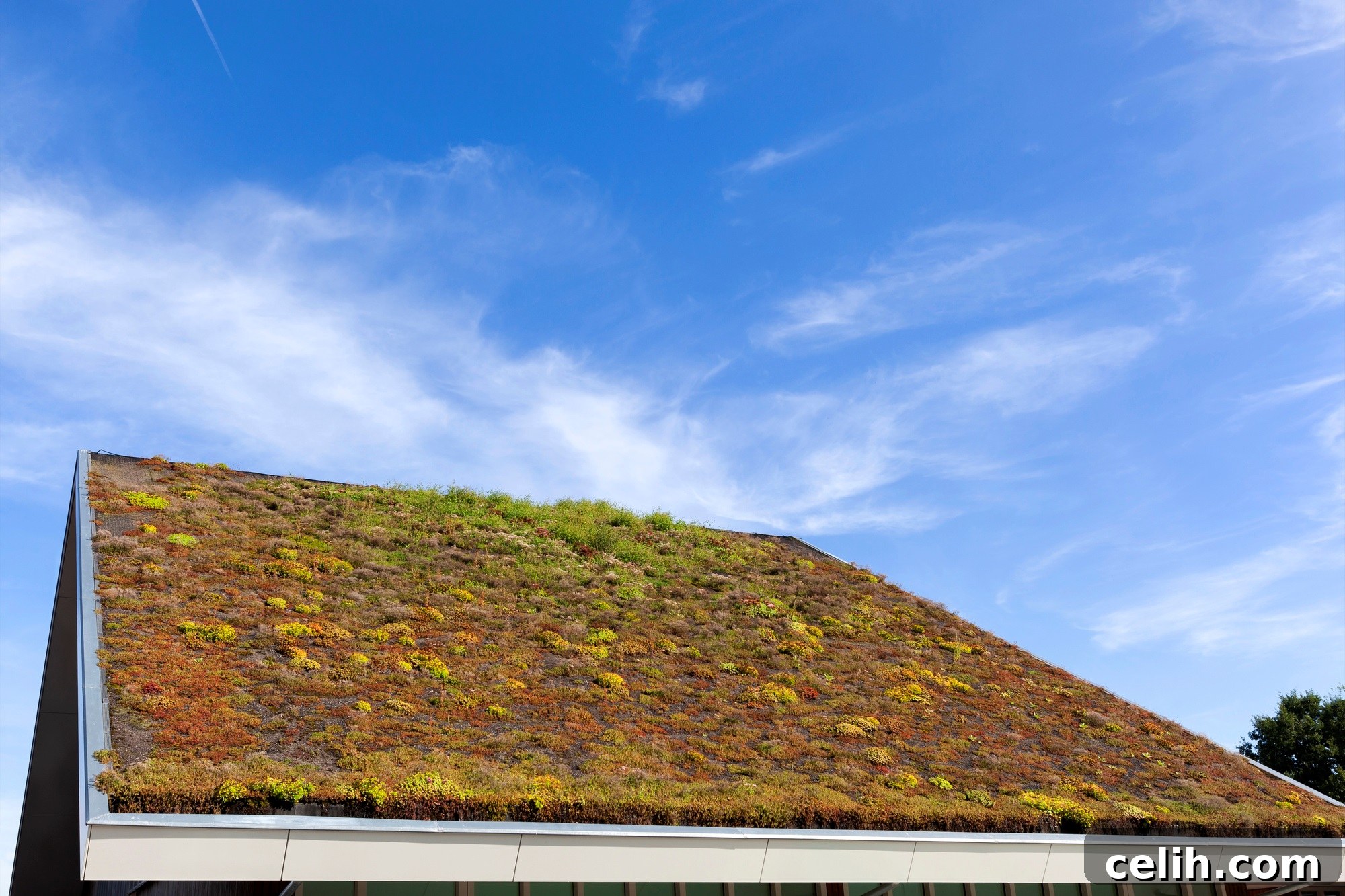
- Green Roofs: An innovative and sustainable option, green roofs involve planting vegetation over a waterproof membrane. They offer numerous environmental benefits, including superior insulation (reducing energy costs), stormwater management, improved air quality, and the creation of urban habitats. Green roofs contribute to the reduction of the urban heat island effect and provide valuable aesthetic and recreational spaces for residents. They come in extensive (shallow soil, low maintenance plants) and intensive (deeper soil, diverse plantings) types. The main considerations are their weight, the complexity of waterproofing, and higher initial installation and ongoing maintenance costs.
- TPO and EPDM (for Flat Roofs): These single-ply membrane systems are popular for low-slope or flat roofs. TPO (Thermoplastic Polyolefin) is known for its reflective properties, making it an excellent cool roof option, while EPDM (Ethylene Propylene Diene Monomer) is a durable synthetic rubber membrane highly resistant to UV radiation and weathering. Both offer excellent waterproofing and relatively easy installation, providing a cost-effective and reliable solution for modern apartment buildings.
The choice of material will influence not only the roof’s performance but also its contribution to the overall architectural character and sustainability profile of the apartment building. Considering factors like material lifespan, warranty, environmental impact, and local availability is crucial for making a comprehensive decision.
4. Energy Efficiency: Reducing Costs and Environmental Footprint
In today’s eco-conscious world, energy efficiency has become a paramount consideration in apartment design and construction. The roof plays a pivotal role in a building’s thermal performance, directly impacting energy consumption and utility bills. Investing in an energy-efficient roof is a dual-purpose strategy: it significantly lowers operational costs for residents and contributes positively to environmental sustainability.
Reflective Materials and Cool Roofs: One of the most effective ways to enhance energy efficiency, particularly in warmer climates, is through the use of reflective roofing materials and colors. Often referred to as “cool roofs,” these systems are designed to reflect a high percentage of solar radiation and emit absorbed heat efficiently. By minimizing the amount of heat absorbed into the apartment building, they substantially reduce the load on air conditioning systems, leading to lower cooling costs during hot summer months. Materials like white or light-colored TPO, metal roofs with specialized coatings, and certain types of asphalt shingles with reflective granules are excellent choices for achieving this.
Insulation: Well-insulated roofs are fundamental for effective temperature control, especially in large apartment complexes where thermal consistency across multiple units is desired. Proper insulation prevents heat gain in the summer and heat loss in the winter, ensuring indoor comfort year-round and significantly cutting heating and cooling expenses. Different types of insulation, such as rigid foam boards, spray foam, or batt insulation, offer varying R-values (a measure of thermal resistance) and should be chosen based on climate, roof type, and local building codes. Insulation also contributes to soundproofing, creating a quieter living environment for residents.
Ventilation: Adequate roof ventilation is crucial for managing temperature and moisture within the attic or roof assembly. Proper airflow helps to expel superheated air from the attic in summer, preventing it from radiating into the living spaces below. In winter, it helps prevent moisture buildup, which can lead to condensation, mold growth, and premature deterioration of roofing materials and structural components. A balanced ventilation system, often comprising soffit (intake) and ridge (exhaust) vents, is key to maintaining a healthy and energy-efficient roof.
Solar Panels: Flat roofs, in particular, offer an excellent opportunity to integrate solar panels, harnessing renewable energy to offset electricity costs. The unobstructed surface of flat roofs provides ideal conditions for maximizing solar energy capture. The initial investment in solar panel installation can yield substantial returns over time through reduced utility bills and potential energy credits or incentives. Many modern apartment designs are now incorporating solar readiness into their roofing plans.
Green Roofs: As discussed earlier, green roofs provide excellent natural insulation. The soil and vegetation layer acts as a thermal buffer, significantly reducing heat transfer between the interior and exterior. This dual benefit of insulation and stormwater management makes green roofs a highly sustainable and energy-efficient option.
By investing in energy-efficient roofing materials and technologies, apartment owners can achieve significant savings on utility bills, enhance the comfort of residents, and make a tangible contribution to environmental conservation. This strategic choice adds substantial long-term value to the property and appeals to environmentally conscious tenants.
5. Aesthetic Appeal and Value: Enhancing Curb Appeal and Property Worth
Beyond its functional imperatives, the roof serves as a prominent architectural feature that significantly contributes to the overall aesthetic appeal and perceived value of an apartment building. Whether opting for the sleek, minimalist lines of a flat roof for that contemporary look or the classic charm of a pitched design, a thoughtfully chosen roof can seamlessly complement and enhance the building’s architectural style, creating a lasting first impression.
An aesthetically pleasing roof design does more than just look good; it actively adds tangible value to your property. It can significantly boost curb appeal, making the apartment complex more attractive to prospective tenants or buyers and potentially justifying higher rental rates or sale prices. The roof’s color, texture, and profile all play a role in defining the building’s character, from traditional and timeless to modern and avant-garde.
When selecting a roof, it is also crucial to consider the broader neighborhood context. A roof design that harmonizes with the surrounding architectural styles or respectfully stands out can contribute positively to the area’s overall character and desirability. Conversely, a discordant roof choice might detract from the property’s appeal. The goal is to achieve a well-coordinated and attractive exterior that makes an outstanding impression and reflects the quality and care invested in the property.
For flat roofs, the aesthetic contribution often extends to the creation of rooftop amenities. Lush green roofs, stylish patios, or vibrant communal terraces transform what would otherwise be unused space into valuable, attractive features that enhance the lifestyle offerings for residents. These elements not only add visual interest from above and surrounding buildings but also provide practical spaces for relaxation, socializing, and enjoying city views, further boosting the property’s marketability and value.
Ultimately, balancing practical needs with an appealing visual design ensures that the roof adds both functionality and ornamentation to your apartment. A beautiful, well-maintained roof signals quality and attention to detail, cementing its role as a key investment in the property’s long-term success and appeal.
Endnote: A Strategic Investment in Apartment Design
Selecting the ideal roof design for an apartment building is a multifaceted decision that extends far beyond merely choosing a style that looks appealing. It demands a holistic approach, carefully weighing numerous interconnected factors to ensure a long-lasting, efficient, and attractive outcome. By meticulously considering the local climate and its specific weather challenges, exploring the diverse types of roof designs and their inherent advantages, making informed choices about roofing materials based on durability and performance, prioritizing energy efficiency to reduce operational costs, and recognizing the profound impact on aesthetic appeal and property value, you can make a truly well-rounded decision.
A thoughtfully chosen roof is more than just a protective covering; it is a strategic long-term investment that safeguards your apartment building, significantly enhances its energy efficiency, minimizes maintenance burdens, and adds undeniable lasting value. Such an investment not only ensures the comfort and safety of its residents but also elevates the property’s standing in the market, making it a sustainable and attractive asset for years to come. Ultimately, the roof you select will stand as a testament to the quality and foresight embedded in your apartment’s design.