
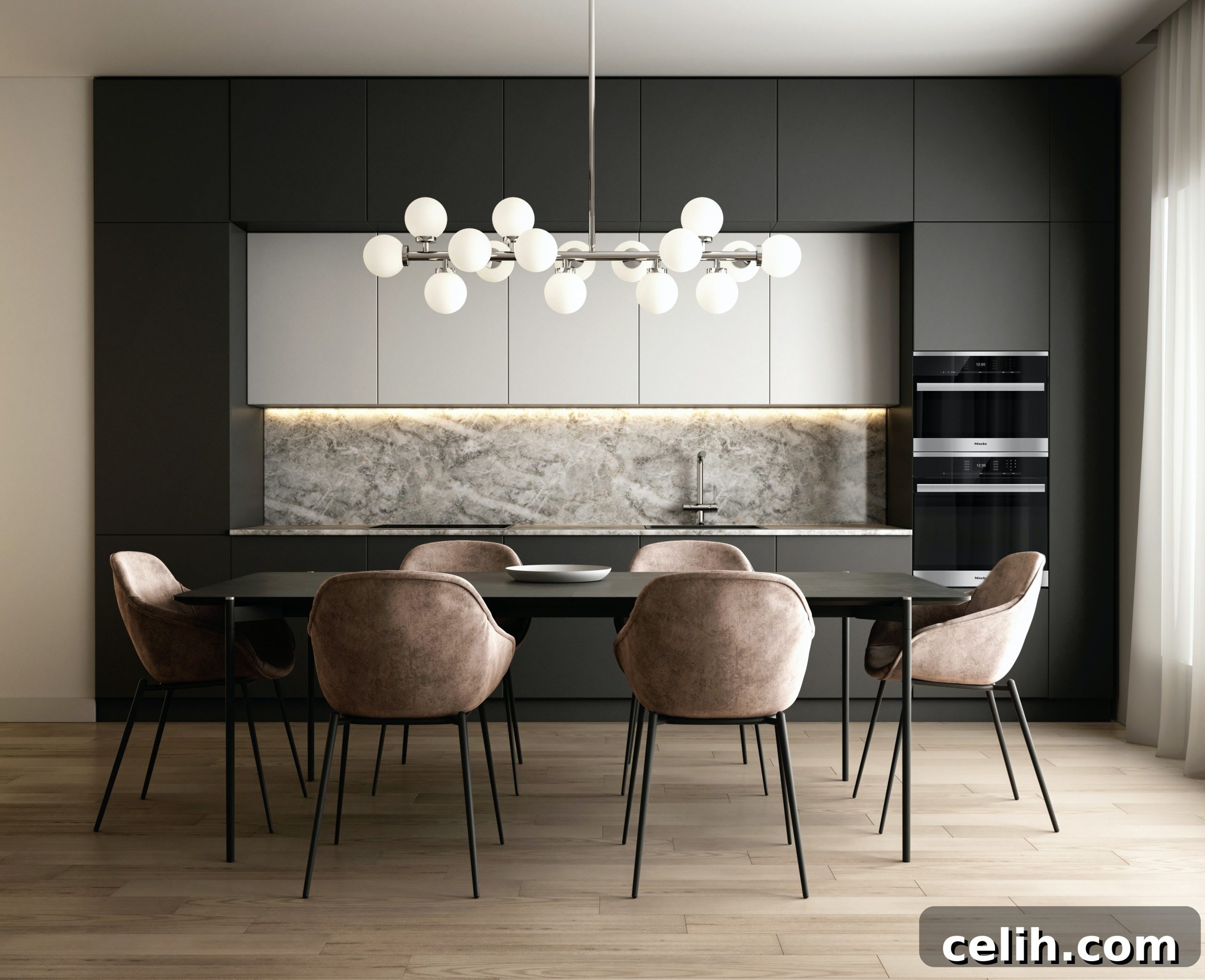
Welcome to the dynamic world of interior design, where styles are constantly evolving, yet some timeless themes continue to capture our hearts. As we navigate through the design landscape, certain aesthetics prove their enduring appeal, promising to remain at the forefront of home decor trends well into 2023 and beyond. This article delves into the most captivating and lasting styles that blend comfort, elegance, and practicality, helping you transform your living space into a haven that reflects your unique taste while staying perfectly in vogue. Discover the enduring allure of these top interior design trends that are set to define modern homes.
Enduring Home Decor Trends: Styles That Will Captivate Your Space in 2023
1. Coastal Living: Bringing Serenity Home
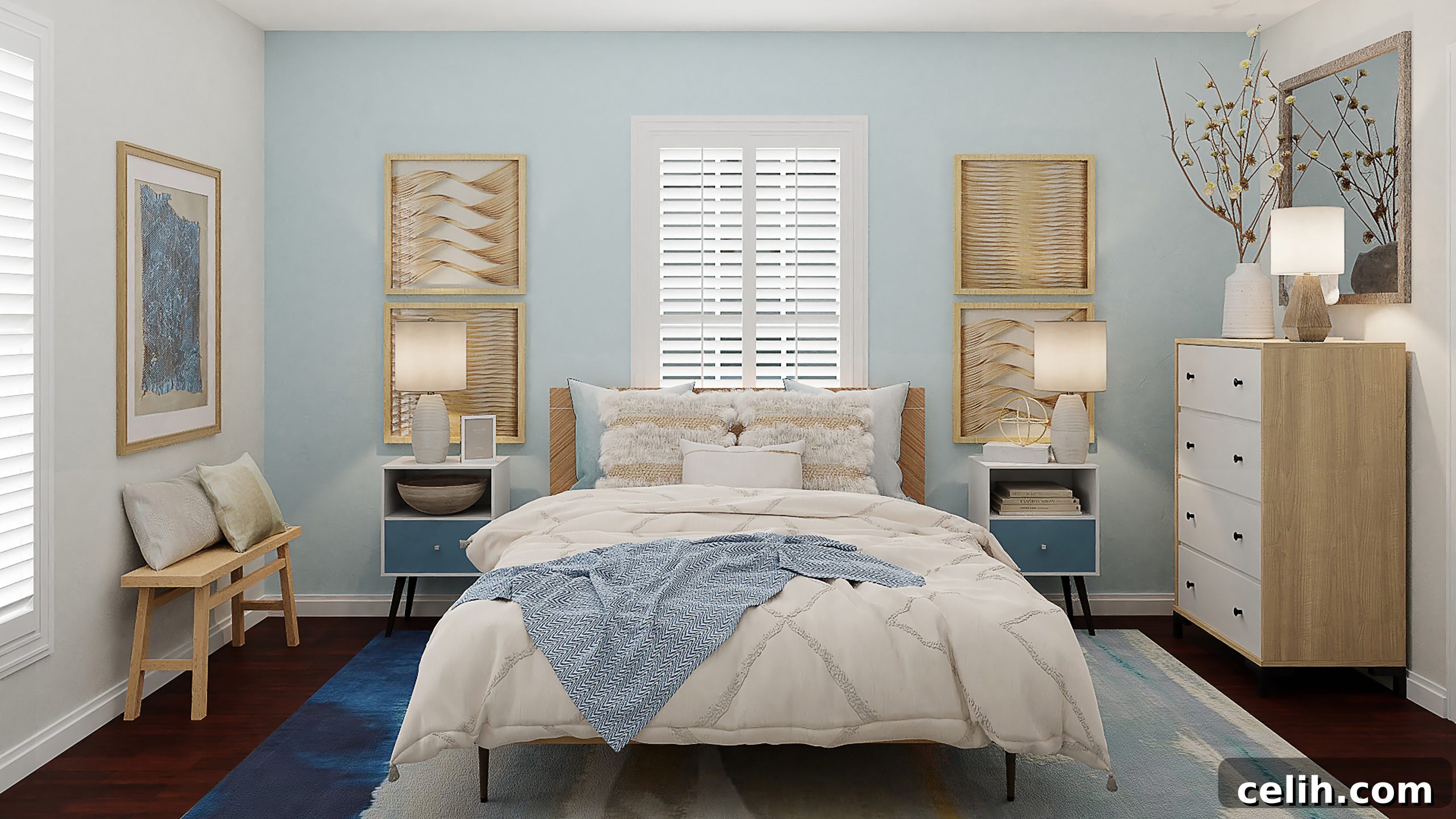
The timeless appeal of the beach extends far beyond vacation destinations, finding its way into the heart of modern home decor. Coastal living style is all about creating a tranquil, airy, and effortlessly relaxed atmosphere, reminiscent of seaside retreats. It’s a design philosophy that champions simplicity, natural light, and a soothing color palette, making it a perennially popular choice for homeowners seeking a serene sanctuary.
To infuse your space with a coastal vibe, start with a foundation of light and bright colors, primarily whites, creams, and various shades of blue and aqua. These hues evoke the expansive sky and shimmering ocean, instantly broadening your space and promoting a sense of calm. Incorporate natural textures through furniture and decor: think rattan chairs, jute rugs, linen slipcovers, and light-colored wood finishes that mimic sun-bleached driftwood. Decor elements should be subtle and evocative rather than overtly themed. Instead of literal shells everywhere, opt for a thoughtfully curated collection of interesting corals or a few pieces of art that capture the essence of ocean waves or a serene beach scene. Consider textiles with subtle patterns, such as stripes or abstract prints that hint at water movement. A sectional sofa in a crisp white or light blue, accented with throw pillows featuring delicate palm tree prints or subtle nautical motifs, can anchor the living room. Delicate glass vases, strategically placed, can reflect light beautifully, echoing the sparkle of water. The key is to create a peaceful, uncluttered environment that feels like a gentle sea breeze has swept through it, offering a perpetual escape from the everyday hustle.
2. Industrial Style: Raw Elegance and Urban Edge
Minimalist industrial style continues to gain traction, transforming living spaces into urban-chic havens that exude a raw, authentic charm. This trend draws inspiration from old factories and warehouses, repurposing their inherent architectural elements and materials to create uniquely sophisticated interiors. It’s a look that celebrates functionality, exposed elements, and a no-fuss aesthetic, making it ideal for those who appreciate understated elegance with a touch of grittiness.
Achieving the industrial look involves embracing materials typically found in workshops or urban infrastructure. Think exposed brick walls, concrete floors, and visible ductwork or piping. When it comes to furniture and decor, lean towards robust materials like metal, unfinished wood, and leather. Wrought-iron light fixtures, with their exposed bulbs and strong lines, are quintessential to this style, providing both illumination and a strong visual statement. Furniture pieces often feature metallic frames combined with rich, distressed wood surfaces. For example, a sturdy, reclaimed wood dining table with metal legs, or a leather sofa with a strong, minimalist silhouette, perfectly embodies the industrial aesthetic. The color palette typically revolves around muted tones such as grays, blacks, whites, and browns, often accented with deep greens or blues to add depth. Incorporate vintage-inspired pieces, such as antique factory clocks or repurposed machinery parts as decorative accents, to enhance the authentic factory-to-loft feel. This style thrives on open-plan layouts and a sense of spaciousness, allowing each carefully chosen piece to stand out. It’s about celebrating the beauty in imperfection and the history embedded in utilitarian design.
3. Eclectic Style: The Art of Harmonious Mismatch
Eclectic style is a testament to individuality and creative freedom, offering a vibrant alternative to rigid design rules. It’s a bold and expressive approach that encourages the combination of diverse home decor themes and ideas, periods, and origins into one cohesive space. Far from being a chaotic jumble, successful eclectic design is about thoughtful curation and finding harmony amidst contrasting elements. The only true requirement is that the space reflects the homeowner’s personality, creating a rich tapestry of textures, colors, and forms.
The beauty of eclectic decor lies in its boundless possibilities. It allows you to showcase cherished items from different eras, travel souvenirs, and various artistic styles without feeling confined. Many designers love to blend industrial pieces, like a metal-framed bookshelf or a raw concrete side table, with more modern decor such as sleek, minimalist seating or contemporary abstract art. A Moroccan rug might comfortably coexist with a Scandinavian sideboard, and a vintage armchair could be paired with a futuristic lamp. The key to making it work is finding common threads—perhaps a recurring color that unifies disparate objects, a consistent level of formality, or a shared texture. Play with scale and proportion, ensuring there’s a balance between dominant pieces and smaller accents. Eclectic style empowers homeowners to create a highly personalized environment, whether they prefer a whimsical, maximalist look bursting with color and pattern, or a more restrained, minimalist eclecticism that emphasizes unique forms and textures. It’s the perfect choice for those who appreciate decorating but refuse to be limited by a single style or conventional color scheme, offering endless opportunities for creative expression.
4. Shades of Grey: The Reign of the Versatile Neutral
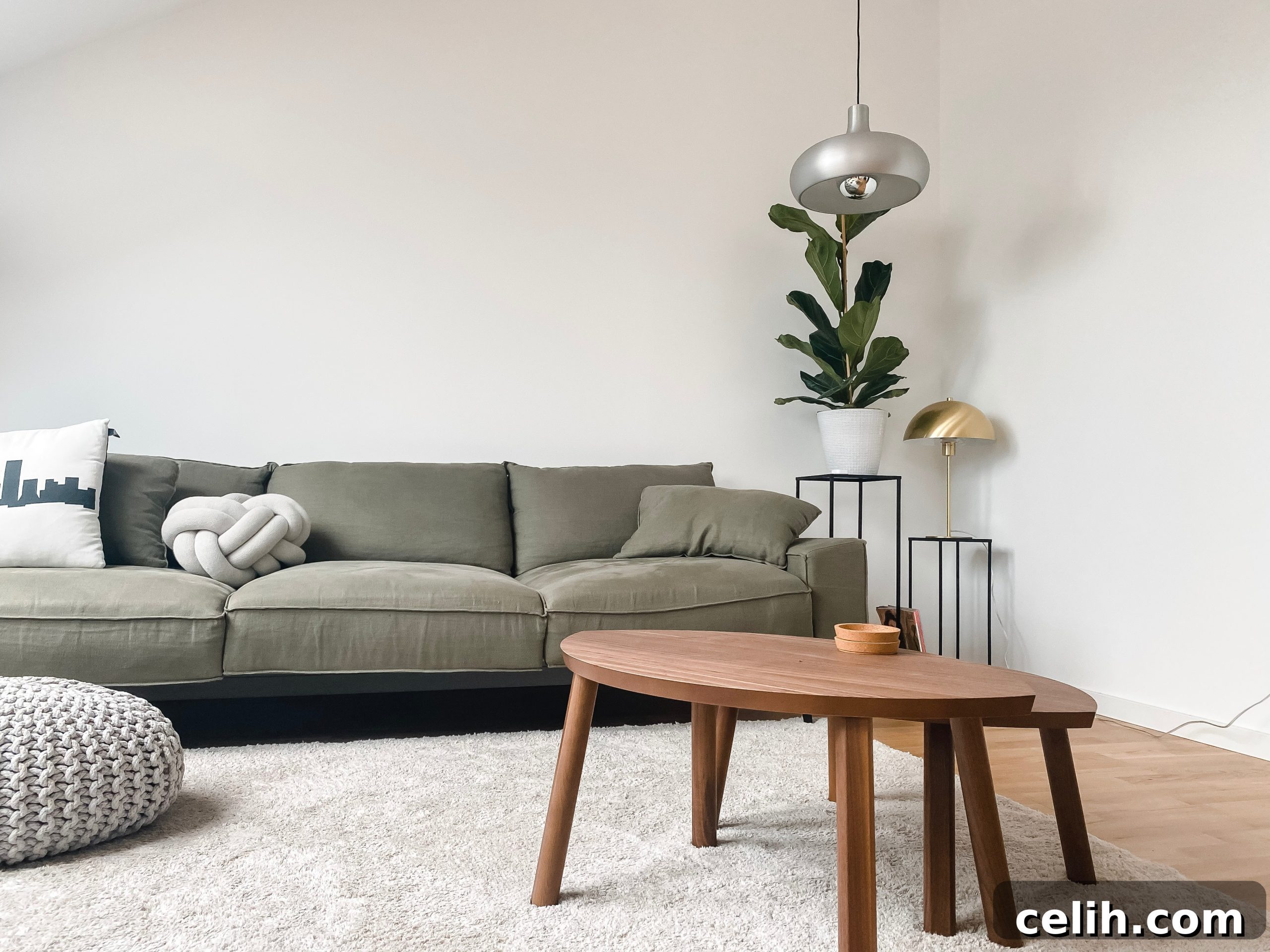
Grey, once considered a mundane shade, has firmly established itself as a cornerstone of modern interior design, proving its longevity and unparalleled versatility. Its broad spectrum of tones, from cool charcoals to warm greiges, makes it a sophisticated choice that seamlessly adapts to virtually any style, from contemporary to classic. Grey acts as a perfect canvas, allowing other colors and textures to truly pop, while maintaining an air of understated elegance.
Experimenting with grey in your home offers endless creative possibilities. It can serve as a powerful accent color, grounding a vibrant palette, or it can envelop an entire room, creating a serene and cohesive “grey wonderland.” Consider using a deep charcoal grey for an accent wall in a living room, providing a dramatic backdrop for vibrant artwork or lush green plants. Lighter shades of grey are ideal for larger furniture pieces like sofas or upholstered headboards, offering a sophisticated and timeless base. Grey can be beautifully layered with various textures—think plush wool rugs, smooth concrete surfaces, or linen drapes—to add depth and visual interest without introducing additional colors. For a unique look, blend grey with bold patterns, such as geometric prints or even animalistic motifs, to create a dynamic yet balanced aesthetic. Pair it with metallic accents for a touch of glamour, or warm wood tones for a cozy, earthy feel. The beauty of grey lies in its chameleon-like ability to shift its mood depending on its companions, making it an indispensable tool for crafting a truly personalized and stylish living space that remains fresh and inviting year after year. The enduring popularity of grey highlights its status as a foundational color that anchors many contemporary home decor themes.
5. Interior Plants: Embracing Biophilic Design
The movement towards bringing the outdoors in through interior plants is more than just a passing fad; it’s a testament to our innate connection with nature and the profound calming effect it has on our well-being. Whether you opt for living greenery or high-quality faux alternatives, decorating with plants is a thriving trend that promises to invigorate any indoor space.
Live plants are celebrated for their ability to purify the air, boost mood, and add vibrant life to a room. From sprawling fiddle-leaf figs that make a dramatic statement in a living room corner, to delicate succulents adorning a windowsill, there’s a plant for every space and every level of green thumb. For those with busy lifestyles or limited natural light, the market now offers incredibly realistic faux plants that provide all the aesthetic benefits without the commitment of watering and care. These artificial options have come a long way, featuring intricate details and natural textures that seamlessly blend with real foliage. Plants can be incorporated in various creative ways: create a lush urban jungle with multiple potted plants of varying sizes and species, or use a single, striking plant as a focal point. Hanging planters can add vertical interest, while trailing plants can soften hard edges of shelves or furniture. Even a small collection of herbs in the kitchen or a peaceful fern in the bathroom can significantly enhance the atmosphere. Beyond their visual appeal, plants contribute to a sense of tranquility and an organic modern feel, making any room feel more welcoming, fresh, and connected to the natural world. They are an affordable and impactful way to spruce up any space and are central to current home decor themes.
6. White Accents: The Power of Pristine Simplicity
White, the epitome of neutrality and timeless elegance, consistently holds its ground in the ever-evolving landscape of home decor. Far from being a mere background color, white accents have been prominently featured in leading interior design publications and websites, demonstrating its incredible versatility and enduring appeal. It’s a color that effortlessly complements a multitude of styles, from the relaxed charm of beach-inspired homes to the sleek sophistication of industrial aesthetics, showing no signs of diminishing in popularity.
The power of white lies in its ability to reflect light, making spaces feel larger, brighter, and more open. While it excels as an accent, providing crisp contrast and defining architectural details, white can also serve as a dominant focal point. A large white cabinet, a pristine white kitchen island, or an expansive white gallery wall can create a powerful statement, allowing other colors, patterns, and textures in the room to truly shine without overwhelming the space. Consider layering different shades of white and off-white in varying textures—a chunky knit white throw on a sofa, sheer white curtains, or a textured white ceramic vase—to add depth and sophistication. White can be used to achieve a minimalist look, promoting clarity and calm through its clean lines and uncluttered aesthetic. Conversely, it can also be deployed in a bold and daring fashion, creating dramatic visual impact when paired with strong, contrasting colors or intricate patterns. Its inherent purity and simplicity make it an indispensable tool for crafting sophisticated, serene, and infinitely adaptable interiors that stand the test of time. Whether you’re aiming for a fresh, contemporary vibe or a classic, elegant ambiance, white accents provide the perfect foundation.
7. Metallic Accents: Glimmer and Glamour
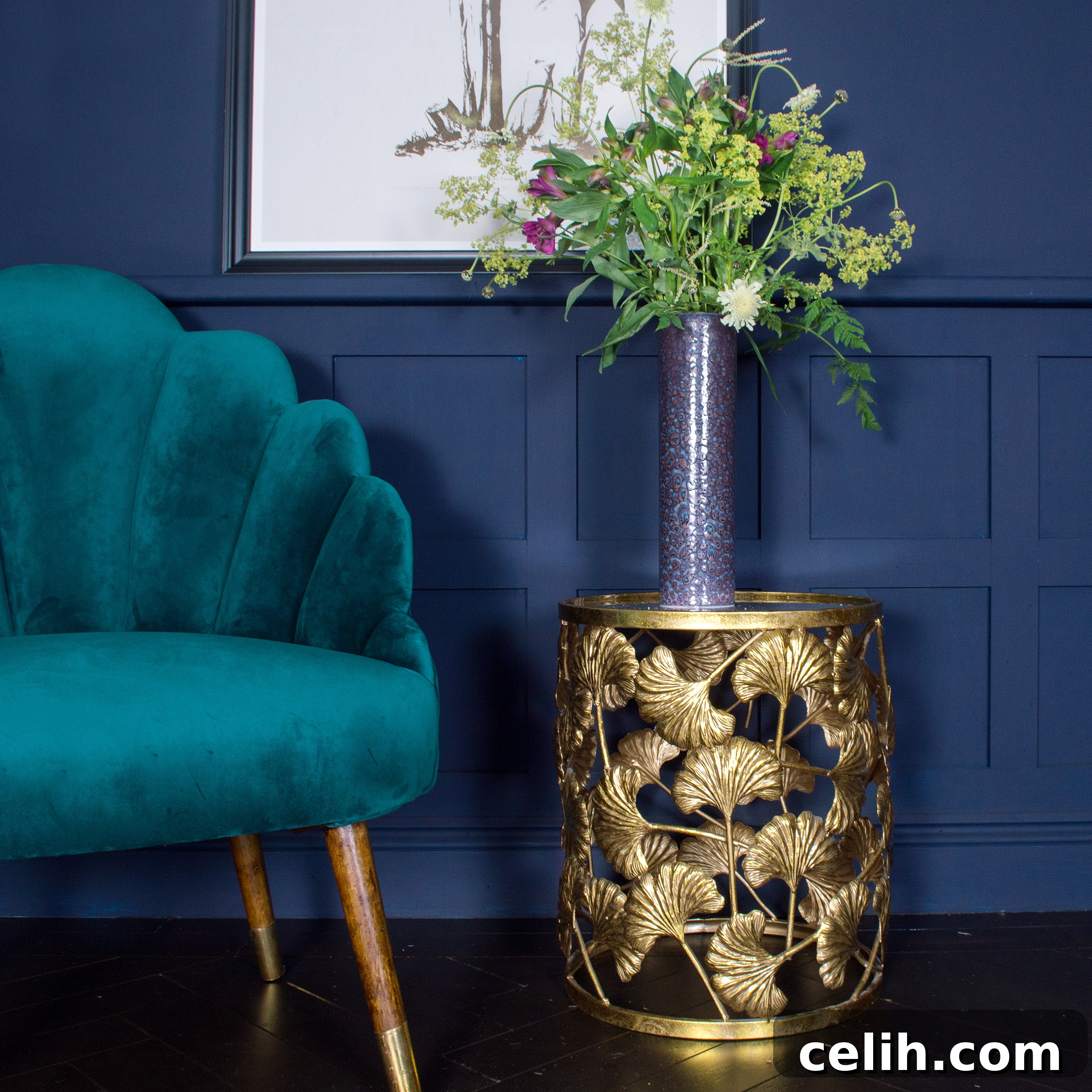
Beyond the classic neutrality of grey, metallic accents are another prominent theme that continues to bring a touch of glamour and sophistication to interior spaces. The allure of silver, gold, bronze, and even rose gold is undeniable, as designers and homeowners increasingly integrate these lustrous tones to create dynamic and visually rich environments. Metals aren’t just colors; they are textures, reflectors, and statement-makers that add an immediate sense of luxury and contemporary flair.
The application of metallic accents is incredibly versatile. From elegant picture frames that highlight cherished memories to bold wall art that serves as a focal point, metal is being utilized more innovatively than ever before. Consider brushed brass cabinet hardware in a kitchen, a polished chrome floor lamp in a reading nook, or a statement mirror with an antique gold frame above a console table. Beyond small decor items, larger metallic pieces like side tables with mirrored tops, sleek metal sculptures, or even subtle metallic threads woven into textiles can elevate a room’s aesthetic. The beauty of metallics also lies in their ability to interact with light, adding a shimmering quality and depth to any space. Different shades of metal can be combined for an even richer effect – perhaps pairing warm gold with cool silver to create contrast, or blending various coppers and bronzes for an earthy, industrial feel. These accents integrate seamlessly with diverse color palettes and patterns, offering the perfect opportunity to create a bespoke look. Whether your home or apartment embraces a minimalist, industrial, or traditional style, metallic touches provide a sleek, modern, and undeniably chic finish that makes a lasting impression.
8. Statement Lighting: Illuminating Style
Statement lighting is no longer just about functionality; it’s a powerful design element that commands attention and defines the character of a space. In 2023, this trend continues to illuminate homes with unique fixtures that serve as artistic focal points, transforming ordinary rooms into extraordinary showcases of design. From grand chandeliers to oversized pendant lights, statement lighting is an integral part of modern interior design and decorating strategies.
The variety of statement lighting available allows for immense creativity in styling. A magnificent chandelier, whether a classic crystal design or a modern sculptural piece, can instantly elevate a foyer, living room, or formal dining area, imparting a sense of grandeur and sophistication. In contrast, oversized pendant lights, often featuring geometric shapes or industrial finishes, are perfect for adding a contemporary edge to kitchens, dining tables, or even bedside areas, providing focused illumination with undeniable style. Beyond these common examples, statement lighting can take many forms: wall sconces with intricate designs, floor lamps with architectural silhouettes, or even table lamps with unique bases that accompany accent chairs and couches. Outdoor lanterns, too, can make a statement, enhancing curb appeal and creating inviting exterior spaces. When choosing statement lighting, consider the scale of your room and the overall aesthetic you wish to achieve. The right fixture should not only provide adequate light but also act as a piece of art, complementing your existing decor while adding an unexpected touch of drama and personality. It’s an effective way to inject character and contemporary flair into any room, ensuring your home truly shines.
9. Mixing Old With New: A Timeless Dialogue
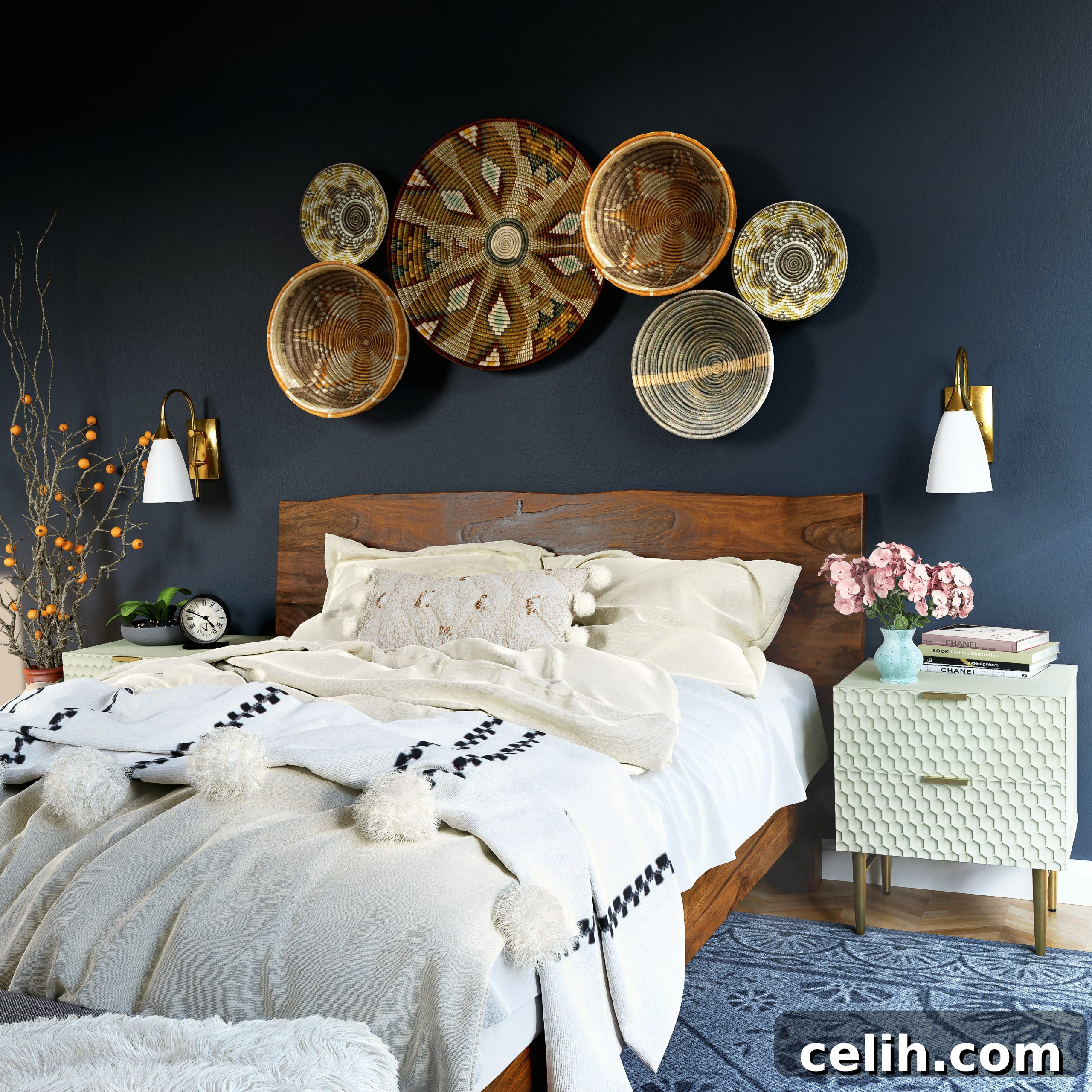
One of the most enduring and creatively rewarding decorating themes is the artful combination of old and new items. This approach celebrates history, character, and sustainability, allowing homeowners to craft spaces that feel rich with narrative and personal meaning. Far from being a mere collection of disparate objects, thoughtfully mixing vintage treasures with contemporary pieces creates a dynamic tension that results in truly unique and soulful interiors. This blend of eras is not just a trend for this year; it’s a timeless design principle.
The beauty of this trend lies in its endless possibilities for personalization and resourcefulness. Perhaps you have a set of side tables inherited from a grandparent, which, with a fresh coat of paint in a vibrant color, can be revitalized to bring a contemporary pop to a modern living room. A funky 70s armchair, reupholstered in a luxurious modern fabric, can become an iconic statement piece that marries retro charm with current sophistication. Consider repurposing an old dresser that’s no longer needed for clothes into a stylish credenza for a dining room, or transforming it into unique shelving in an office. Pairing a rustic, reclaimed wood console with a sleek, minimalist mirror or a high-tech smart home device creates an intriguing visual dialogue. This approach not only allows you to incorporate items with sentimental value but also promotes sustainable living by giving new life to pre-loved pieces. Beyond the aesthetic appeal, mixing old with new is a savvy way to save money on decor, as antique markets, flea markets, and second-hand stores offer a treasure trove of affordable, character-filled items. The outcome is a space that feels authentic, lived-in, and deeply reflective of your personal journey and style, proving that true elegance often comes from an unexpected blend of past and present.
10. Mid-Century Modern: A Resilient Comeback
Last but certainly not least, the enduring appeal of mid-century modern design continues to captivate homeowners and designers alike. This style, originating from the mid-20th century (roughly the 1940s to 1960s), has experienced a phenomenal resurgence due to its distinctive blend of clean lines, organic shapes, and functional elegance. It’s a design philosophy that prioritizes form and function, offering pieces that are both aesthetically pleasing and highly practical, seamlessly integrating into various modern home decor schemes.
Mid-century modern pieces are particularly popular in furniture, where their iconic silhouettes and thoughtful construction stand out. Think sleek coffee tables with tapered legs, minimalist credenzas, and armchairs with sculptural forms crafted from warm woods like teak and walnut, often paired with simple upholstery. These pieces are celebrated for their quality craftsmanship and timeless appeal, often featuring fun geometric shapes and patterns that, despite their retro origins, feel remarkably fresh and contemporary. The style’s emphasis on natural materials, muted color palettes (often accented with bold, earthy tones), and unembellished forms makes it incredibly versatile. Whether you’re furnishing a minimalist living room, a functional home office, or a cozy bedroom, mid-century modern elements can add a touch of sophisticated charm without overwhelming the space. Homeowners are finding innovative ways to incorporate this classic style, from a vintage Danish sideboard in the dining room to a Sputnik chandelier as a statement piece in the entryway. Its ability to marry retro charm with modern simplicity ensures its continued relevance, offering a refined yet playful aesthetic that enriches any interior. The resurgence of mid-century modern solidifies its status as a classic style that transcends fleeting trends, offering a timeless elegance that remains highly desirable in contemporary homes.
What Will Be The Cost for Home Decoration in 2023?
The landscape of home decoration costs is undeniably shifting, with projections indicating a significant increase in expenses by 2023. While precise figures are subject to market fluctuations, estimates suggest that the cost of renovating or significantly redecorating a home could double or even exceed current rates. This upward trend is driven by a confluence of global and local factors, including persistent inflationary pressures, disruptions in the global supply chain, and an increasing scarcity of certain high-demand materials like timber, metals, and specialized finishes. Furthermore, rising labor costs due to skilled worker shortages in construction and interior design trades also contribute to the overall increase.
As renowned interior designer Kelly Wearstler aptly advises, “Homeowners who plan on remodeling their homes in the next few years should take these predictions into account and begin planning accordingly. With careful budgeting and some creativity, homeowners can still achieve their desired look without breaking the bank.” To mitigate these rising costs, homeowners are encouraged to adopt strategic approaches. Embracing DIY projects can significantly reduce expenses, allowing individuals to handle tasks like painting, installing shelves, or upcycling furniture themselves. Smart shopping is also crucial; look out for sales, explore outlet stores, and consider cheaper, yet still high-quality, alternatives to premium materials. Prioritizing investments in key pieces, such as durable furniture or timeless fixtures, while opting for more budget-friendly options for transient decor items, can also help stretch a budget. Exploring local artisans or second-hand markets for unique, character-filled pieces can also provide cost-effective and stylish solutions, demonstrating that a beautiful home doesn’t always require an exorbitant investment.
Does Trending Home Decor Increase Home Price?
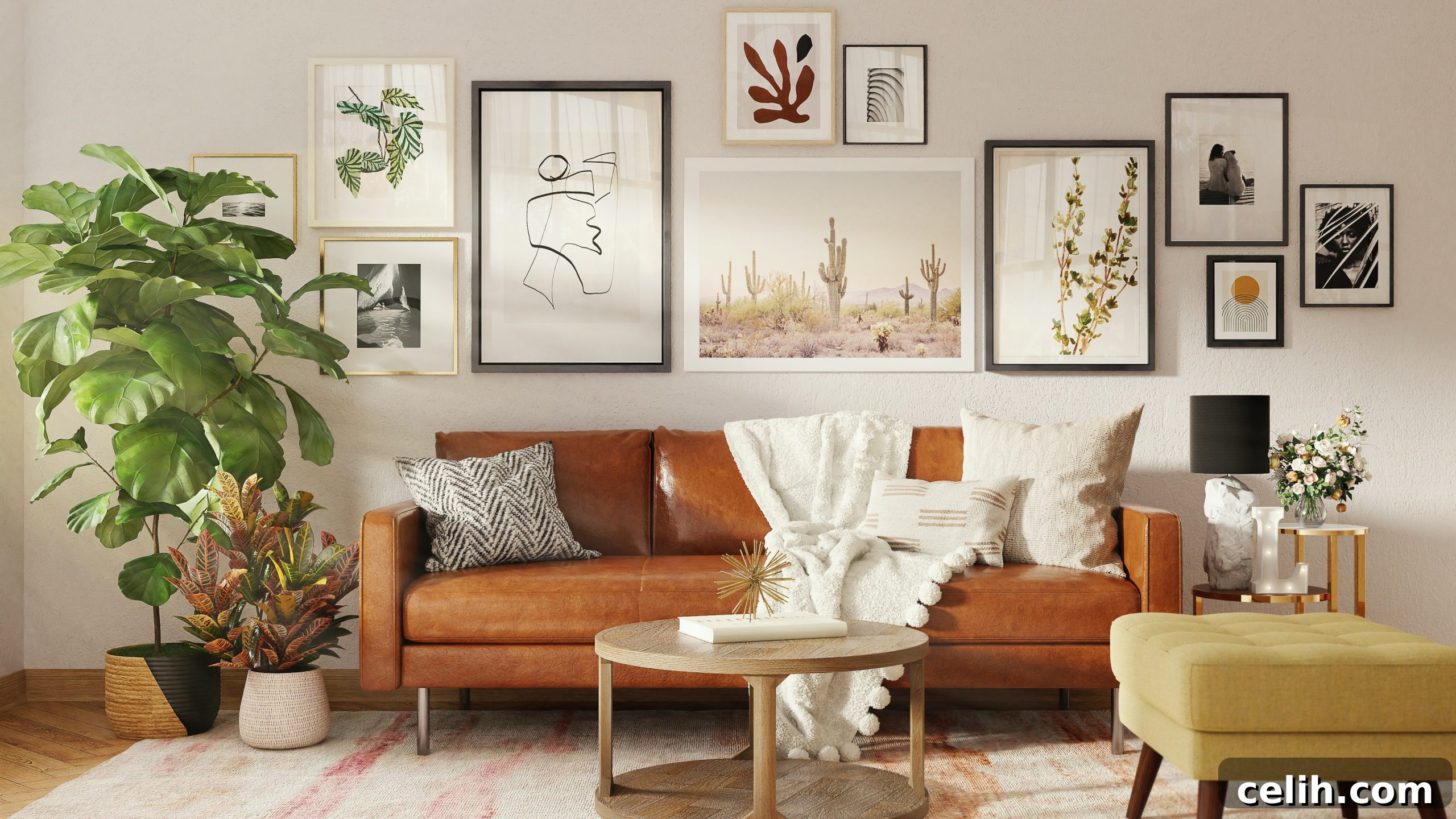
The question of whether trendy home decor directly translates to an increase in a home’s market value is a complex one, frequently pondered by homeowners and prospective buyers alike. While a beautifully decorated, on-trend home can undoubtedly enhance its visual appeal and attract more interest, there’s no automatic guarantee that it will linearly boost the property’s sale price. The impact of decor on home value is nuanced, depending on several factors including the quality of the trends implemented, the overall condition of the home, and its alignment with buyer expectations in the local market.
That being said, strategically updating your home with current, appealing trends can significantly improve its marketability. This is where the expertise of an interior designer becomes invaluable. A professional who is well-versed in current trends and understands how to apply them thoughtfully and cohesively to suit each individual space can be extremely beneficial when preparing your property for sale. As Chicago realtor Rafael Murillo observes, “A savvy interior designer will know what kinds of changes or improvements should be made in order to maximize the sale price while still keeping things tasteful and cohesive. This could include anything from updating fixtures and furniture, down to smaller details like color schemes or art pieces that tie everything together nicely.” This often means focusing on timeless trends rather than fleeting fads, ensuring that updates have broad appeal and enhance the home’s perceived value. A well-designed interior that feels fresh, modern, and inviting can help potential buyers envision themselves living in the space, fostering an emotional connection that can translate into a quicker sale and potentially a higher offer. Ultimately, the goal is to create an environment that feels current, high-quality, and universally appealing, rather than simply chasing every fleeting trend. Thoughtful design, even with trendy elements, contributes significantly to a home’s perceived value and desirability.
As we’ve explored, many popular home decor trends from previous years are proving their longevity, set to continue captivating in 2023. From the serene allure of coastal living to the raw elegance of industrial design, and the vibrant creativity of eclectic styles, there’s a diverse range of aesthetics to suit every taste. Whether you gravitate towards the timeless sophistication of grey palettes, the natural freshness of interior plants, the crisp simplicity of white accents, the opulent shimmer of metallics, the bold statement of unique lighting, the rich narrative of mixing old with new, or the classic appeal of mid-century modern, there is something truly inspiring for every homeowner. The key to successful interior design lies in taking the time to discover the trends that resonate with your personal style and design preferences, while also considering the overall look and feel you aspire to achieve in your home. By thoughtfully balancing comfort, practicality, and aesthetics, you can craft an inviting and stylish space that not only reflects your individuality but also remains perfectly in vogue for years to come.
Featured image credit: Photo by Kam Idris on Unsplash