
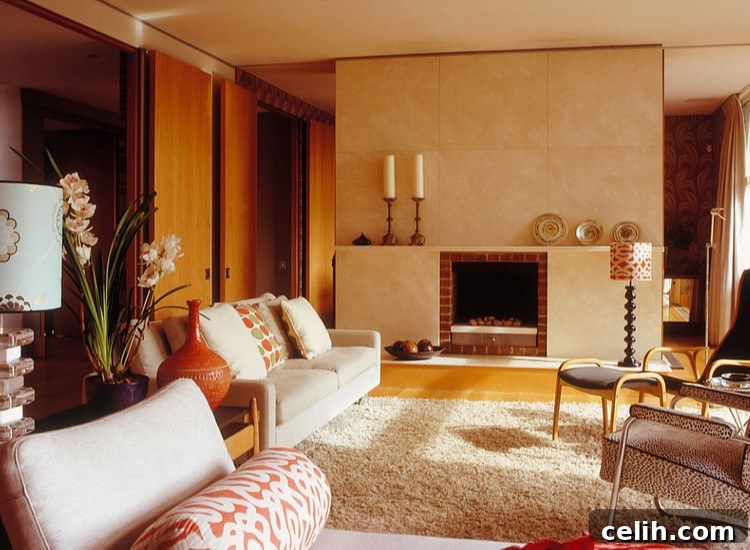
In an era defined by rapid change and digital transformation, established interior designer Benji Lewis has innovatively adapted his expertise to meet modern demands. Recognizing the shifting landscape of work and home life, he launched an online advisory service, “Zoom that Room,” designed to provide swift, interactive, and highly personalized advice on clients’ living spaces. This timely venture has not only proven incredibly successful but has also demonstrated the evolving potential of accessible, high-quality interior design services for a global audience.
Getting Started: The Journey into Interior Design
FD: How did you get started in the interior design business?
BL: My path into interior design wasn’t a straight line, but every step enriched my perspective and skills. I began my academic journey studying languages at university, which instilled in me a deep appreciation for culture and nuance – qualities invaluable in design. Following my studies, I spent two enlightening years at Bonhams, the renowned auctioneers. This experience was foundational, providing me with an intensive education in antiques, historical furniture, and decorative arts. It was here that I truly began to understand the lineage of design, the craftsmanship of bygone eras, and the stories embedded within objects.
While I always sensed my career would ultimately lead me to interior design, the exact trajectory remained a mystery for a time. My formal training in design commenced at the prestigious KLC School of Design in London, where I honed my practical skills and theoretical knowledge. After KLC, I gained invaluable professional experience working for a firm specializing in top-end bespoke carpets in Sloane Square. This role offered an extraordinary opportunity to visit some truly magnificent houses, engaging with clients who sought unparalleled quality and custom solutions. Immersing myself in these high-caliber projects, I absorbed every detail of luxury design, material science, and client collaboration. This period was incredibly formative, solidifying my passion and building a robust network of industry contacts. By 2000, I felt fully equipped and inspired to take the leap, establishing my own independent design practice.
Current Endeavors: Blending History with Modernity
FD: Do you have any projects on the go at the moment?
BL: Absolutely, there’s always a diverse array of exciting projects on my plate! One particularly captivating endeavor I’m currently immersed in is the extensive renovation of a chateau nestled in the picturesque French Pyrenees. This project perfectly aligns with one of my core interests: conservation. I’m a strong advocate for what I term a ‘healthy house’ – a philosophy that prioritizes the natural integrity and breathability of a building, especially older structures.
The unique aspect of old French building techniques, for example, is their inherent ability to allow structures to ‘breathe.’ Unlike some modern construction methods that might seal everything meticulously with concrete or impermeable materials, traditional homes often rely on lime plasters and natural ventilation. Attempting to completely seal an old house with contemporary methods can often lead to damp issues and compromise the building’s historical resilience. My approach is to respect these centuries-old practices, working with the existing fabric of the chateau to ensure its long-term health and structural integrity while enhancing its comfort.
This chateau is a glorious architectural tapestry, featuring an elegant 18th-century façade gracing a robust 16th-century structure. The owner shares my vision for authenticity and is keen to reinstate period-appropriate furniture and decor that echo the chateau’s rich history. However, our aim is not to create a sterile museum piece, which would undoubtedly feel cold and uninviting to live in. Instead, we are meticulously blending historical accuracy with the practicalities and comforts of 21st-century living.
This fusion involves integrating carefully selected modern elements, such as contemporary lighting fixtures that provide optimal illumination and a subtle nod to present-day aesthetics without overshadowing the antique charm. The goal is to create a vibrant, livable space that honors its past while providing all the conveniences expected in a modern home. It’s about crafting an environment where history and contemporary life coexist harmoniously, ensuring the chateau not only retains its grandeur but also truly feels like a warm, welcoming home for its inhabitants.
The Genesis of “Zoom that Room”
FD: How did Zoom that Room come about?
BL: “Zoom that Room” was truly an idea born out of necessity, a direct response to unprecedented global circumstances. For years, my design practice involved extensive travel, meeting clients in person, and being physically present where the work was. Then, almost overnight, travel restrictions and health guidelines made that approach impossible. Recognizing the immediate need for continuity and accessibility in design services, I swiftly established this online advisory service in April 2020.
The transition to a virtual platform has been remarkably successful, and I can honestly say I’ve never been busier. This digital pivot has enabled me to offer an incredibly broad spectrum of services, catering to diverse client needs. From providing quick, actionable hints and tips for minor updates to guiding clients through comprehensive, full-scale design projects, the online model has proven incredibly versatile. Furthermore, it has significantly expanded my client base, attracting individuals who might not have considered hiring an interior designer traditionally. The convenience and lower barrier to entry offered by virtual consultations appeal to a wider demographic, making professional design advice more accessible and democratic than ever before.
The “Zoom that Room” Experience: Practical and Aesthetic Integration
FD: How does the service work?
BL: The “Zoom that Room” service is structured to be efficient, engaging, and highly personalized, ensuring clients receive maximum value from our interaction. Before our scheduled Zoom call, I dedicate time to understanding the client’s specific needs and getting a preliminary feel for their space. This involves asking a few targeted questions about their lifestyle, preferences, and the challenges they face with the room. Clients are also encouraged to send over a few photos of the space they wish to discuss, which provides crucial visual context even before we speak.
During the Zoom call itself, the session becomes highly interactive. With the visual information at hand, I can offer immediate, ‘on-the-hoof’ tips and insights tailored to their space. This real-time feedback is often incredibly impactful. Following our conversation, I provide a detailed follow-up email summarizing our discussion, outlining the advice given, and providing concrete next steps or recommendations. This ensures clients have a clear, written record of our session to refer back to.
My approach is deeply rooted in examining both the practical functionality and the aesthetic appeal of a space. It’s often the practical elements that underpin many design challenges. For instance, clients frequently express frustration about a room they rarely use, without quite understanding the underlying reasons. My diagnostic process typically begins with fundamental practical considerations: Is the room adequately warm, or does it feel constantly chilly? Is there sufficient natural and artificial lighting to make the space inviting and functional? Is the furniture appropriately scaled for the room, or does it overwhelm the space? More fundamentally, is the furniture even the right type for the intended use of the room?
It’s truly remarkable how often addressing just one or two of these fundamental issues can lead to a monumental transformation in how a room is perceived and used. This practical, problem-solving approach is not only highly effective but also incredibly cost-efficient for clients, particularly those working with more modest budgets. My extensive experience in the industry has also equipped me with an invaluable ‘little black book’ of trusted contacts – from suppliers of unique furnishings to skilled craftspeople. I’m always delighted to leverage these connections to help clients source specific products or make informed suggestions on what to buy, ensuring they invest wisely in items that will enhance their home for years to come.
The Success Story: Why “Zoom that Room” Resonates
FD: Why do you think it’s been so successful?
BL: The success of “Zoom that Room” can be attributed to several key factors that align perfectly with contemporary lifestyles and client expectations. Firstly, its inherent cost-effectiveness is a significant draw. Traditional interior design services often involve extensive site visits and lengthy consultations, which naturally incur higher costs. My online model streamlines this process, offering expert advice at a more accessible price point without compromising on quality or depth of insight. This makes professional interior design assistance attainable for a much broader audience.
Secondly, and perhaps even more critically, clients often find the Zoom service far less intrusive than conventional in-person consultations. The privacy and comfort of being in your own home, without the physical presence of a designer, creates a more relaxed and open environment. Clients can choose exactly how much of their home they wish to share, maintaining a sense of control and ease. This psychological comfort encourages clients to be more candid about their challenges and aspirations, leading to more effective and personalized advice. It removes any potential feeling of being judged or needing to ‘prepare’ for a visit, fostering a more authentic dialogue about their living spaces. This blend of affordability, convenience, and respect for client privacy has been instrumental in the widespread adoption and appreciation of “Zoom that Room.”
Addressing Common Design Challenges: Creating Personal Sanctuaries
FD: What are you commonly being asked at the moment?
BL: One of the most prevalent challenges I observe in current consultations is people’s struggle to effectively delineate and optimize their living spaces. The dynamics of home life have shifted dramatically, with many households experiencing multi-generational living arrangements – adult children returning home, or partners increasingly working remotely. This means that a space once designed for a nuclear family might suddenly be shared by many more people, all with different needs and demands. The home has evolved into a multi-functional hub for living, working, and relaxing, often simultaneously.
In this context, the concept of carving out a personal sanctuary becomes paramount. It’s vital for individual well-being and productivity to designate a distinct area that feels exclusively your own – a place for quiet contemplation, focused work, or simply unwinding. While not everyone has the luxury of dedicating an entire room as a private haven, the beauty of design lies in its ability to transform even the smallest corners. This could mean designating a cozy nook by a window as a reading spot, transforming a section of a living room with a screen or strategically placed furniture into a dedicated home office, or even curating a specific armchair and side table as your personal relaxation zone. It’s about thoughtful zoning, clever use of furniture, lighting, and accessories to create distinct functional and emotional spaces within a larger shared environment. My advice focuses on creative solutions for maximizing existing layouts, ensuring every individual in the household can find their own sense of peace and purpose within the home.
To discover more about Benji Lewis’s unique approach to interior design or to book an online consultation, please visit www.zoomthatroom.com. Prices for an hour’s expert consultation begin at an accessible £90.
All images (c) Benji Lewis 2020, showcasing a selection of Benji’s distinguished work and the essence of “Zoom that Room.”