
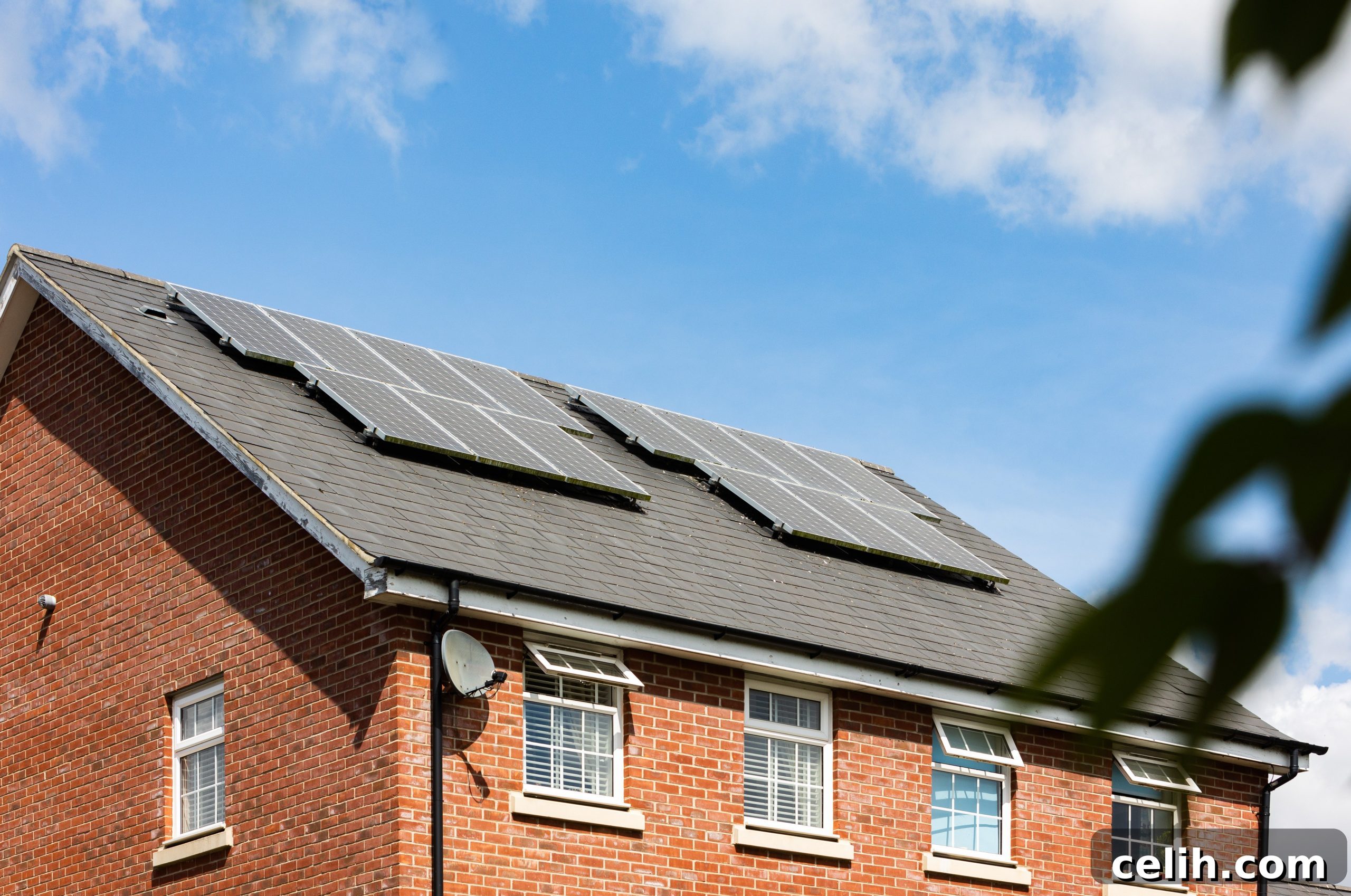
As the vibrant days of summer unfold, bringing with them longer daylight hours and rising temperatures, many homeowners seek effective strategies to manage their energy consumption. This season, known for its increased demand on cooling systems, presents a prime opportunity to explore sustainable energy solutions. Among these, solar panels stand out as a highly efficient and economically smart investment. Companies like Dallas solar providers offer advanced photovoltaic systems that can significantly reduce your electricity bills, lessen your environmental footprint, and enhance your home’s energy independence. This comprehensive guide will delve into the myriad advantages of installing solar panels during the warmer months, covering everything from substantial financial savings to bolstering grid stability. Discover how these cutting-edge systems, gracefully integrated into your home’s architecture, can deliver enduring benefits for decades to come, transforming sunlight into a valuable asset.
Maximizing Summer Savings and Sustainability: 7 Key Benefits of Solar Panels
1. Significant Reduction in Energy Costs
The summer season often brings a spike in electricity bills, primarily due to increased air conditioning usage. If you’re tired of these soaring energy costs, solar panels offer a powerful and sustainable solution. By installing a photovoltaic system in your home, you can dramatically offset or even eliminate your reliance on grid electricity during peak demand periods. Solar panels harness the abundant power of the sun to generate clean electricity, directly powering your home’s appliances, including your essential cooling systems. This not only insulates you from volatile utility rate increases but can also lead to substantial long-term savings. Many regions offer “net metering” programs, allowing you to sell excess electricity generated back to the grid, further reducing your monthly expenses and potentially even earning credits. As temperatures rise and the demand for cooling intensifies, generating your own power becomes an increasingly financially astute decision, making solar panels a wise investment for a more affordable and sustainable energy future.
2. A Truly Environmentally Friendly Energy Source
Embracing solar energy is one of the most impactful ways homeowners can contribute to a healthier planet. Unlike traditional fossil fuels, which emit harmful greenhouse gases and pollutants into the atmosphere, solar panels produce electricity without any carbon emissions during operation. This makes them an exceptionally eco-friendly alternative to conventional energy sources. By converting sunlight directly into usable power, solar installations play a crucial role in mitigating climate change, reducing air pollution, and preserving natural resources. The hot summer months, with their extended periods of sunlight, are ideal for maximizing this clean energy production, allowing you to significantly lower your home’s carbon footprint. As global environmental consciousness grows, transitioning to solar power aligns perfectly with the movement towards a more sustainable lifestyle. Making the switch to a solar PV system this summer not only provides a practical solution to your energy needs but also allows you to make a tangible positive impact on the environment for generations to come.
3. Remarkably Low Maintenance Requirements
One of the often-understated benefits of modern solar panel systems is their inherent durability and minimal maintenance needs, making them an ideal, hassle-free energy solution for any homeowner. Designed to withstand various weather conditions, including summer heat, strong winds, and occasional storms, solar panels are built to last. Most systems come with robust warranties, often guaranteeing performance for 25 years or more. Generally, the only “maintenance” required is an occasional cleaning to remove dust, pollen, or debris that might accumulate and slightly reduce efficiency. In many climates, natural rainfall is sufficient to keep panels clean. Unlike complex mechanical systems, solar panels have no moving parts, which drastically reduces the likelihood of malfunctions or the need for frequent repairs. This set-it-and-forget-it nature means you can enjoy consistent, clean energy production throughout the summer and beyond with very little effort or expense, offering peace of mind alongside substantial energy savings.
4. Enhances Property Value and Marketability
Beyond the immediate environmental and financial benefits, installing solar panels can significantly enhance the long-term value and marketability of your home, especially appealing to potential buyers in the future. As energy efficiency becomes a top priority for homebuyers, properties equipped with solar panels inherently stand out. Buyers recognize the tangible advantage of inheriting lower or non-existent electricity bills from day one. Studies have consistently shown that homes with solar energy systems sell faster and for a premium, often increasing a home’s overall value by 4-5% or even more, depending on the system size and location. By leveraging the abundant sunshine of the summer season, your solar panels will be operating at peak efficiency, generating maximum energy and showcasing the full economic potential of your investment. This not only allows you to benefit from cleaner energy and savings but also positions your home as a modern, forward-thinking asset in the competitive real estate market, as noted by experts like Taylor’s, a reputable Lincolnshire solar panels fitter.
5. Provides a Reliable and Stable Energy Source
Summer often brings increased strain on the electrical grid due to heightened demand for air conditioning. This can sometimes lead to brownouts or even blackouts. Solar panels offer a robust solution by providing a highly reliable and stable source of energy directly to your home. Unlike fossil fuel-based power plants, which are subject to fuel supply chain disruptions and price volatility, solar energy harnesses an inexhaustible resource: the sun. As the best solar company in Nevada might attest, the consistency of solar output during sunny summer days means a dependable power supply for your household. When integrated with battery storage systems, solar panels can even provide continuous power during grid outages, ensuring your essential appliances remain operational. This level of energy security and reliability is invaluable, protecting your home from unexpected power interruptions and the rising costs associated with conventional energy, especially during periods of high demand.
6. Offers Natural Shade and Reduces Heat Absorption
Beyond generating electricity, solar panels provide an often-overlooked passive benefit during the sweltering summer months: they can physically shield your roof from direct sunlight. By creating an insulating buffer above your roof’s surface, solar panels significantly reduce the amount of heat absorbed into your attic and, consequently, into your living spaces. This shading effect translates directly into a cooler indoor environment, lessening the workload on your air conditioning system. A roof protected by solar panels can see its surface temperature drop by several degrees, leading to a noticeable reduction in indoor temperatures and decreased energy consumption for cooling. This dual function of generating clean power while simultaneously providing thermal insulation makes solar panels an incredibly clever and cost-effective way to beat the summer heat. If you’re looking for an innovative approach to keep your home cool and your electricity bills low this summer, consider the combined power and shade benefits offered by a solar panel installation, as highlighted by resources like Forbes Home Improvement.
7. Accelerates Energy Independence and Security
In an era of fluctuating energy prices and increasing concerns about grid stability, achieving energy independence has become a compelling goal for many homeowners. Solar panels offer a direct path to this autonomy by allowing you to generate your own electricity, significantly reducing your reliance on utility companies and their often-unpredictable rate changes. During the summer, when energy demand is at its peak, solar systems provide a consistent supply of clean energy, empowering you to power your home’s air conditioning and other appliances without being beholden to external energy suppliers. Integrating a battery storage system with your solar panels can further enhance this independence, enabling you to store excess energy generated during the day for use at night or during power outages. This not only provides unparalleled energy security but also offers a sense of control over your household’s energy future. With the added benefits of substantial electricity bill savings and increased home value, it’s clear why investing in solar panels this summer is a strategic decision for greater long-term energy independence.
Making the Smart Choice: How to Select the Ideal Solar Panels for Your Home
Embarking on the journey to choose the right solar panels for your home can seem daunting, but with a structured approach and expert guidance, it becomes an empowering decision. The key is to find a system that perfectly aligns with your energy consumption, budget, and local environmental conditions. Here’s a detailed guide to help you navigate the selection process:
- Assess Your Energy Needs: Begin by understanding your household’s electricity usage. Review past utility bills to identify your average monthly kWh consumption. This will help determine the size of the solar system you’ll need to offset your current energy costs. Consider future energy demands, such as potential electric vehicle charging or new appliances.
- Evaluate Your Roof’s Suitability: Not all roofs are ideal for solar. Factors like roof size, angle, orientation (south-facing is generally best in the Northern Hemisphere), and shading from trees or adjacent buildings play a critical role. A professional solar installer can conduct a comprehensive site assessment to determine your roof’s solar potential.
- Explore Panel Technologies: The market offers various types of solar panels, each with distinct characteristics. Monocrystalline panels are known for their high efficiency and sleek appearance, making them suitable for limited roof space. Polycrystalline panels are generally more affordable but slightly less efficient. Thin-film panels are flexible but typically have lower efficiency, making them less common for residential rooftops.
- Consider Inverter Types: The inverter converts the DC electricity from your panels into AC electricity usable by your home. String inverters are cost-effective but can be impacted by shading on even a single panel. Micro-inverters, installed on individual panels, optimize output for each panel, making them ideal for shaded or complex roof layouts. Power optimizers offer a middle ground, enhancing individual panel performance while still using a central inverter.
- Understand Financing Options & Incentives: Research federal, state, and local incentives, such as the federal solar tax credit, state rebates, and net metering policies, which can significantly reduce the upfront cost of installation. Explore financing options like outright purchase, solar loans, leases, or Power Purchase Agreements (PPAs) to find what best suits your financial situation.
- Choose a Reputable Installer: This is perhaps the most crucial step. Look for local solar companies with a proven track record, positive customer reviews, and relevant certifications (e.g., NABCEP). Obtain multiple quotes and compare not just prices but also warranties, equipment quality, and customer service. For instance, if you’re located in a sun-rich state like Nevada, especially in metropolitan areas like Las Vegas, connecting with a leading solar panel installation company in Las Vegas can help you leverage regional expertise and maximize your energy savings through abundant sunlight.
- Review Warranties and After-Sales Support: Understand the different warranties offered: equipment warranty (for panels and inverters) and performance warranty (guaranteeing a certain level of power output over time). Inquire about the installer’s workmanship warranty and their after-sales support services.
By carefully considering these factors, you can make an informed decision, selecting the perfect solar panel system for your home and embarking on a journey toward long-term energy independence, substantial savings, and a greener lifestyle. The benefits of renewable energy are within your reach, promising dividends for many summers and years to come.