
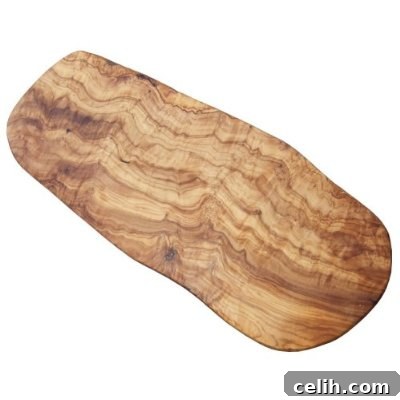
Discover the Timeless Beauty and Unmatched Durability of Olive Wood Chopping Boards
In the heart of every culinary enthusiast’s kitchen lies a desire for tools that combine both exceptional functionality and aesthetic appeal. Among the myriad of choices for essential kitchenware, the olive wood chopping board stands out as a true masterpiece. Renowned for its unique beauty, remarkable durability, and natural hygienic properties, olive wood has been cherished for centuries, transforming everyday food preparation into an art form. This article delves into why an olive wood cutting board isn’t just a kitchen utensil, but a statement piece and a sustainable choice for your home.
The Distinctive Qualities of Natural Olive Wood
Olive wood, sourced primarily from the Mediterranean region, possesses a suite of characteristics that elevate it far above many other materials commonly used for chopping boards. Its inherent qualities make it an ideal choice for a bustling kitchen, promising longevity and a touch of rustic elegance.
Unparalleled Natural Hygiene: A Battle Against Bacteria
One of the most compelling reasons to choose an olive wood chopping board is its extraordinary natural resistance to bacteria. Unlike porous plastic boards or even some softer woods that can harbor germs in knife grooves, olive wood is incredibly dense and boasts natural oils. These oils, alongside the wood’s tight grain structure, create an environment that is naturally inhospitable to bacteria. Scientific studies have shown that wood, particularly dense hardwoods like olive, can actively kill off bacteria on its surface, making it a surprisingly hygienic option for food preparation. This natural antibacterial property offers peace of mind, especially when handling raw meats, vegetables, or fresh produce.
Robust Durability for Generations of Use
Olive wood is celebrated for its incredible hardness and density. This makes it exceptionally durable and resistant to knife marks and scratches, which are common issues with softer woods or plastic boards. A well-maintained natural olive wood board can withstand the rigors of daily chopping, slicing, and dicing for decades, often becoming a cherished family heirloom. Its robust nature means it won’t warp or crack easily when properly cared for, ensuring a stable and reliable surface for all your culinary tasks. Investing in an olive wood board is investing in a piece of kitchenware that truly lasts.
Captivating Aesthetics: A Work of Art in Your Kitchen
Beyond its practical benefits, olive wood is simply breathtaking to behold. Each piece tells a story through its distinctive grain patterns, swirling knots, and rich, warm hues ranging from creamy beige to deep reddish-brown. The natural variations mean that no two hand-carved olive wood boards are exactly alike, making your board truly unique. Artisans often creatively carve and shape olive wood products to highlight these natural characteristics, transforming a functional item into a decorative masterpiece. The rustic, organic charm of olive wood adds a touch of Mediterranean sophistication to any kitchen decor, effortlessly blending with both modern and traditional styles.
A Sustainable and Eco-Friendly Choice
Opting for an olive wood product also reflects a commitment to sustainability. Olive wood is typically harvested from trees that are no longer fruit-bearing or from pruned branches, ensuring that no living olive trees are cut down solely for wood production. This practice promotes responsible forestry and ensures that a valuable natural resource is utilized efficiently, making it an environmentally conscious choice for your kitchen. By choosing a sustainable olive wood cutting board, you’re not just getting a beautiful and functional item, but also supporting eco-friendly practices.
The Multifaceted Benefits of an Olive Wood Chopping Board
The advantages of integrating an olive wood board into your kitchen extend beyond its fundamental properties, offering a range of practical benefits that enhance your culinary experience.
- Knife-Friendly Surface: Despite its hardness, olive wood is surprisingly gentle on knife edges. It provides a forgiving surface that won’t dull your precious knives as quickly as glass, marble, or ceramic boards, preserving their sharpness and extending their lifespan.
- Versatile Functionality: An olive wood board is not just for chopping. Its inherent beauty makes it perfect for doubling up as an elegant serving platter. Imagine presenting an exquisite cheese selection, a vibrant charcuterie spread, or freshly baked bread on a stunning olive wood cheese board. Its decorative appeal transforms any meal or gathering into a more refined experience.
- Enhanced Flavor Preservation: Unlike plastic boards that can absorb odors and flavors from strong ingredients, olive wood’s dense, non-porous nature ensures that flavors are not transferred between foods. This means your garlic won’t linger to taint your fruit, ensuring pure and distinct tastes for every dish.
- Longevity and Enduring Beauty: With minimal care, your olive wood board will not only last for many years but will also develop a richer patina over time, enhancing its natural beauty. It’s an investment that grows more characterful with age, unlike synthetic alternatives that often degrade and need frequent replacement.
Comparing Olive Wood to Other Chopping Board Materials
To truly appreciate the superiority of olive wood, it’s helpful to consider how it stacks up against other common chopping board materials:
- Plastic Boards: While inexpensive and dishwasher-safe, plastic boards are notorious for harboring bacteria in knife grooves that are difficult to clean. They also dull knives quickly and are generally less aesthetically pleasing.
- Bamboo Boards: A popular choice for its sustainability, bamboo is hard but can sometimes splinter over time. Many bamboo boards are also made from glued strips, which can degrade with prolonged water exposure.
- Other Hardwoods (Maple, Walnut, Cherry): These are excellent choices and often come close to olive wood in terms of durability and knife-friendliness. However, olive wood often surpasses them in terms of natural antibacterial properties and the uniqueness of its grain patterns.
- Glass or Stone Boards: Extremely hygienic and easy to clean, but they are incredibly hard on knife blades, dulling them very rapidly. They can also be slippery and prone to shattering.
When considering all factors – hygiene, durability, aesthetics, knife care, and sustainability – olive wood consistently emerges as a top-tier choice for the discerning chef and home cook alike.
Caring for Your Olive Wood Chopping Board: A Simple Guide
To ensure your olive wood chopping board remains beautiful and functional for decades, a simple care routine is essential. Proper maintenance will preserve its natural oils, prevent drying, and enhance its inherent luster.
- Hand Wash Only: Never put your olive wood board in a dishwasher. The extreme heat and harsh detergents can strip the wood of its natural oils, leading to drying, cracking, and warping. Instead, wash it immediately after use with warm water and a mild dish soap.
- Rinse and Dry Thoroughly: Rinse off all soap residue and dry the board immediately with a clean towel. Do not let it air dry flat, as this can encourage warping. Stand it on its edge or use a drying rack to allow air circulation on all sides.
- Oil Regularly: To nourish the wood and maintain its rich appearance, oil your board regularly – ideally once a month, or more frequently if it appears dry. Use a food-safe mineral oil, beeswax balm, or even olive oil (though mineral oil is often preferred for its non-rancid properties). Apply a generous amount with a clean cloth, let it soak in for several hours or overnight, and then wipe off any excess. This replenishes the wood’s natural moisture, enhances its color, and helps seal the surface against moisture.
- Avoid Extreme Temperatures: Do not expose your board to extreme heat or cold, such as placing it directly on a hot stove or leaving it in direct sunlight for extended periods. This can cause the wood to expand, contract, and potentially crack.
By following these simple steps, you will ensure your premium olive wood board remains a stunning and practical addition to your kitchen for years to come.
Introducing an Exemplary Olive Wood Board
For those seeking to experience the distinct advantages of olive wood, products such as this one truly embody everything we’ve discussed. This particular olive wood chopping board, which seamlessly transitions from a robust cutting surface to an elegant serving piece, is a testament to the artisan’s craft.
This particular chopping board – exemplifying the versatility of olive wood by also doubling up as an exquisite olive wood cheese board – is meticulously hand-carved from a single, solid piece of olive wood. Measuring approximately 40cm by 20cm, it offers ample space for all your preparation needs or for beautifully arranging appetizers. What truly sets it apart is its authentic character: no two pieces are exactly the same, with the slightly wonky edges and unusual, organic shapes adding an undeniable charm and personality that mass-produced items simply cannot replicate.
Each board is finished with a protective layer of wax and oil, enhancing its natural grain and ensuring its readiness for immediate use. This particular product, representing excellent value for money given its quality and artisanal nature, is readily available from Natural Med on Amazon, currently priced at £16.99. It’s an accessible entry point into the world of premium olive wood kitchenware, offering both functionality and a unique aesthetic.
Conclusion: An Investment in Quality and Style
Choosing an olive wood chopping board is more than just selecting a kitchen tool; it’s an investment in enduring quality, sustainable craftsmanship, and timeless style. From its natural antibacterial properties and exceptional durability to its captivating visual appeal and eco-friendly origins, olive wood offers a superior experience for both professional chefs and home cooks. Elevate your culinary journey and your kitchen’s aesthetic with a material that has been valued for millennia. Discover the joy of preparing and serving food on a piece of nature’s art – a practical, hygienic, and stunning addition to any home.