
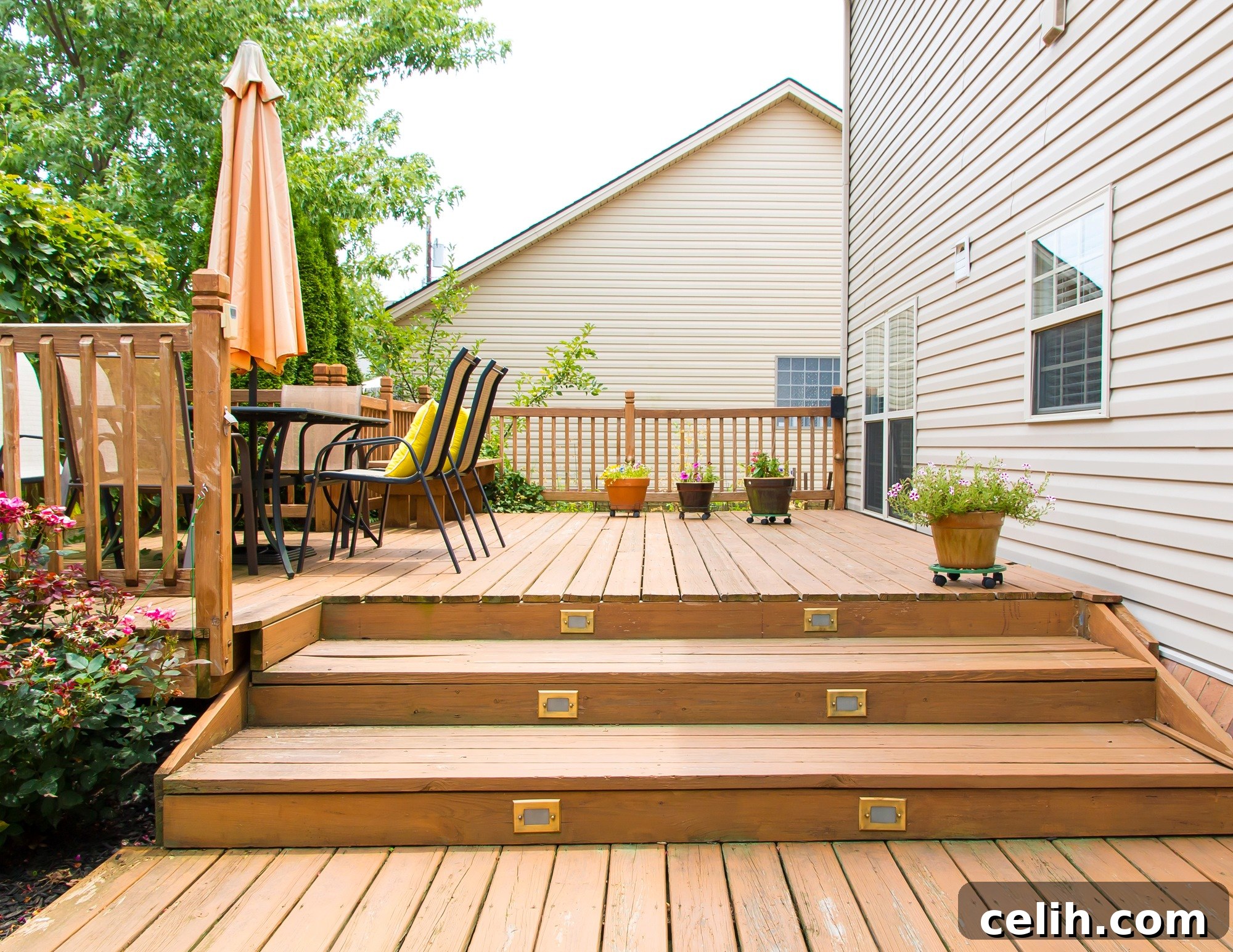
Transforming your outdoor area into a functional and inviting extension of your home is a goal many homeowners share. A well-constructed deck serves as the perfect solution, offering a versatile space for everything from quiet relaxation to lively social gatherings. However, embarking on a deck building project presents its own set of considerations and potential hurdles. From the initial spark of an idea to the final finishing touches, each phase demands careful attention to detail and informed decision-making.
One of the primary challenges lies in selecting the ideal materials. Homeowners often grapple with finding that sweet spot where aesthetics, long-term durability, and manageable maintenance intersect. The market offers a vast array of options, each with its own advantages and drawbacks, making the choice feel overwhelming. Beyond materials, the design phase itself can be complex. Decisions regarding the deck’s layout, the number of levels, and the overall architectural style require thoughtful consideration to ensure the final structure harmonizes with your home and yard.
Furthermore, the construction process is not without its pitfalls. Minor oversights or critical mistakes during building, or neglecting essential safety features, can lead to significant problems, costly repairs, and even hazards down the line. This comprehensive guide is crafted to demystify the deck building journey. We will address these common concerns head-on, providing you with practical advice, expert insights, and actionable tips to help you construct a deck that is not only durable and safe but also stylish, functional, and perfectly suited to your lifestyle for years to come.
Choosing The Right Materials For Your Deck
The foundation of a successful deck building project begins with the judicious selection of materials. Your choice will significantly impact the deck’s appearance, longevity, maintenance requirements, and overall cost. There are four primary categories of decking materials popular today: natural wood, composite, PVC, and aluminum. Each offers distinct characteristics, and understanding these differences is crucial for making an informed decision that aligns with your specific needs and priorities.
Natural wood remains a timeless choice, cherished for its authentic beauty and warmth. Within this category, several popular options exist. Pressure-treated lumber, typically pine or fir, is widely available and budget-friendly. It’s chemically treated to resist rot, decay, and insect infestation, making it a practical option. However, it requires regular sealing and staining to maintain its appearance and prevent splintering. Cedar and redwood, on the other hand, boast natural resistance to decay and insects due to their inherent oils. They offer a rich, appealing aesthetic but come at a higher price point and still benefit from periodic sealing to preserve their color and integrity. For premium budgets, exotic hardwoods like Ipe or Tigerwood offer unparalleled durability, hardness, and natural resistance, but they are significantly more expensive and harder to work with.
Composite decking has rapidly gained popularity as a low-maintenance and eco-friendly alternative. Made from a blend of recycled wood fibers and plastic, composite boards resist rot, splintering, warping, and insect damage. They come in a wide array of colors and textures, often mimicking the look of natural wood, without the need for staining or sealing. While the upfront cost of composite decking is typically higher than most wood options, its minimal maintenance requirements often result in lower long-term costs. It’s important to note that some composite materials can get hot under direct sunlight, and colors may fade slightly over time.
Other modern alternatives include PVC (polyvinyl chloride) and aluminum decking. PVC decking is entirely synthetic, offering complete resistance to water, mold, mildew, and insects. It’s exceptionally low maintenance, never requires sealing, and is ideal for areas prone to high moisture or extreme weather conditions. PVC boards are lightweight, durable, and available in many colors, often with embossed wood grain patterns. Aluminum decking is another increasingly popular choice, particularly for modern designs. It is lightweight, incredibly strong, non-combustible, and virtually maintenance-free, requiring only occasional cleaning. Aluminum decks are highly resistant to fading, scratching, and warping, making them extremely long-lasting, though their initial cost can be higher than most other materials. The aesthetic of aluminum is sleek and contemporary, which may not suit every home style.
When weighing your material options, consider your budget for both initial purchase and ongoing maintenance, the climate in your region (e.g., extreme temperatures, heavy rainfall, intense sun), and your personal tolerance for upkeep. Balancing these factors will guide you toward selecting materials that ensure your deck remains beautiful, functional, and durable for many years, providing excellent value for your investment.
Designing A Functional And Stylish Deck
A successful deck is more than just a flat surface; it’s a thoughtfully designed outdoor room that enhances your home’s appeal and your lifestyle. Creating a deck that is both functional and stylish begins with meticulous planning of its layout and integration into your existing space. Start by thoroughly assessing your available area, considering factors like the size and shape of your yard, the orientation of your house, and any existing landscaping features. A well-integrated deck should appear as a natural extension of your home’s architecture, complementing its lines and materials, rather than looking like an afterthought. Ensuring the deck fits harmoniously within your yard and facilitates a natural flow from indoors to outdoors will maximize its usefulness and aesthetic impact.
Your personal style preferences will heavily influence the design direction. The choice often lies between traditional and modern aesthetics. Traditional decks typically feature natural wood tones, classic railing systems (such as turned balusters or picket styles), and often incorporate softer, more organic lines. They evoke a sense of warmth and timeless charm, blending seamlessly with many architectural styles. Modern designs, conversely, embrace clean lines, minimalism, and often incorporate materials like composite, metal, or glass for railings. They tend to feature bolder geometric shapes and a streamlined appearance, perfect for contemporary homes. Selecting the style that resonates with your home’s existing aesthetic and your personal taste will significantly elevate your property’s overall appeal.
Deck levels are another pivotal consideration, largely dictated by your terrain and intended use. Single-level decks are the simplest and most cost-effective to build, making them ideal for homes with flat yards or direct access from a single entry point. They offer a unified, open space for various activities. Multi-level decks, however, are exceptionally versatile and work particularly well for larger or sloped yards. They allow for the creation of distinct activity zones—perhaps a lower level for dining and grilling, and an upper level for lounging and conversation. This tiered approach adds architectural interest and can make a large deck feel more intimate and inviting. The right number of levels depends on your yard’s topography, your desired functionality, and your budget.
To ensure a truly functional design, consider these practical tips. Plan your seating arrangements and furniture placement early on to avoid clutter and facilitate smooth traffic flow. Think about how people will move between different areas of the deck, to and from the house, and into the yard. Optimize the deck’s size to perfectly match your lifestyle: if you frequently entertain large groups, you’ll need ample space for dining tables and multiple seating areas. If you prefer intimate relaxation spots, perhaps a smaller, cozier deck with built-in benches or a quiet corner for reading is more suitable. Incorporate built-in features like benches, planters, or even outdoor kitchens to maximize space and enhance usability. Finally, consider elements like privacy screens, pergolas for shade, and the strategic placement of steps or ramps to improve accessibility and comfort for everyone.
Essential Deck Building Tips
Building a deck is a significant home improvement project that requires meticulous planning and adherence to proper procedures to ensure safety, durability, and compliance with local regulations. Proper planning is, without a doubt, the cornerstone of a successful deck build. Begin by thoroughly understanding local planning regulations and permit requirements. Research your city or county’s specific building codes, which dictate everything from deck dimensions and load-bearing capacities to railing heights and foundation types. Obtaining the necessary permits before breaking ground is not just a legal obligation; it ensures that your deck meets safety standards and avoids costly rebuilds or fines later. Many jurisdictions also require multiple inspections throughout the construction process, from footing placement to final structural review, to guarantee compliance and structural integrity. Familiarizing yourself with these steps will streamline your project and provide peace of mind.
Safety considerations should never be an afterthought; they are paramount for any elevated structure. Installing robust handrails and balusters is critical, especially on decks that are elevated significantly above ground level. Local codes typically specify minimum railing heights (often 36-42 inches) and baluster spacing (typically no more than 4 inches apart) to prevent falls. Beyond railings, selecting slip-resistant decking surfaces is a smart preventative measure, particularly in areas prone to wet weather or near pools. Options include textured composite materials, certain types of wood with natural grip, or applying anti-slip coatings. Properly constructed stairs with consistent rise and run dimensions are also vital to prevent trips and falls. Consider adding grab bars on stairs if accessibility is a concern.
Protecting your deck from the elements is vital for its longevity and maintaining its aesthetic appeal. Waterproofing and sealing are essential steps, especially for natural wood decks. Moisture is the primary enemy of wood, leading to rot, mildew growth, and structural weakening. Similarly, prolonged exposure to ultraviolet (UV) rays from the sun can cause wood to gray, crack, and become brittle, while also degrading the binders in composite materials. Applying a high-quality sealant or waterproof coating will create a protective barrier against these damaging elements, significantly extending the life of your deck. This process should be repeated every few years for wood decks, depending on the product and local climate.
To create a truly complete and enjoyable deck experience, consider integrating thoughtful lighting and accessibility features. Deck lighting serves a dual purpose: it enhances safety by illuminating steps and pathways, preventing accidents during nighttime use, and it dramatically improves ambiance, making your outdoor space inviting after dark. Options range from subtle LED strip lights along railings and steps to post cap lights, string lights, and integrated deck board lighting. For enhanced usability for everyone, incorporating accessible features is key. This might include wider steps, gently sloped ramps with appropriate handrails, or even gradual transitions between different deck levels. Ensuring your outdoor space can be comfortably enjoyed by people of all ages and mobility levels adds immense value and inclusivity to your home.
Maximizing The Longevity Of Your Deck

Ensuring your deck remains a beautiful and functional part of your home for decades requires a proactive approach to maintenance. Regular upkeep is the single most important factor in extending your deck’s lifespan, preventing minor issues from escalating into costly repairs. Start with seasonal cleaning, preferably in spring and fall. This includes sweeping away leaves, dirt, and other debris that can trap moisture and encourage mold and mildew growth. For a deeper clean, consider power washing annually or biennially, adjusting the pressure based on your decking material to avoid damage. For wooden decks, periodic refinishing – which involves sanding, staining, and sealing – every few years is essential to restore its appearance, protect against UV damage, and replenish its water-resistant properties. Composite and PVC decks, while low-maintenance, still benefit from regular washing to remove dirt and prevent staining.
Protecting your deck from the harsh realities of weather and use also involves thoughtful care for your outdoor furnishings and accessories. During off-seasons, especially winter, proper storage and covering of furniture, grills, planters, and other items can significantly reduce wear and tear on your deck’s surface. Utilize durable outdoor covers for furniture that cannot be stored indoors, ensuring they are breathable to prevent moisture buildup. Storing items in a shed, garage, or under a waterproof deck cover during periods of heavy rain, snow, or extreme sun will not only keep your deck looking tidy but also prevent scratches, dents, and water marks that can be caused by prolonged contact with furniture legs or stagnant water under planters. This simple step minimizes unnecessary stress on your decking materials and preserves their integrity.
For truly long-term durability and protection, investing in advanced protection methods is highly recommended. For wood decks, staining and sealing are crucial. Staining not only enhances the wood’s natural beauty but also provides a protective layer that shields it from moisture absorption and harmful UV radiation, which causes fading and degradation. Following the stain, applying a high-quality sealant further locks in the color and significantly enhances water resistance, preventing rot and fungal growth. There are various types of stains and sealants, including transparent, semi-transparent, and solid options, each offering different levels of protection and aesthetic appeal. Research products specifically formulated for your type of wood and local climate conditions.
Beyond surface treatments, consider structural protections like deck covers or awnings. These overhead structures offer significant defense against the elements, shielding your deck from direct sun, heavy rain, and even light snow. A permanent deck cover or a retractable awning not only extends the usable hours of your deck by providing shade but also acts as a vital barrier, preserving the decking material below. This added layer of protection can dramatically slow down the aging process of your deck, reducing the frequency of extensive maintenance tasks and ensuring it remains a comfortable and inviting outdoor retreat for many years to come. Such investments, while initially more costly, pay dividends in extended deck life and reduced long-term maintenance expenses.
Conclusion
Building the perfect deck is a rewarding endeavor that significantly enhances your home’s appeal and expands your usable living space. This journey culminates in a beautiful and functional outdoor sanctuary, but it begins with critical decisions: selecting the right materials, meticulously planning a thoughtful design, and rigorously adhering to essential construction best practices. A well-conceived deck is more than just an addition; it’s an integrated extension of your home, offering both aesthetic beauty and unparalleled functionality, thereby enriching your outdoor living experience.
The initial investment in choosing durable, high-quality materials and incorporating practical, lifestyle-enhancing design choices will undoubtedly pay dividends. These foundational decisions ensure your deck withstands the test of time and the rigors of weather, maximizing the return on your investment and providing years of enjoyment. Whether you opt for the natural charm of wood, the low-maintenance benefits of composite, or the modern durability of PVC or aluminum, selecting materials aligned with your climate and maintenance preferences is paramount.
Crucially, the ongoing health and longevity of your deck hinge on consistent and proper maintenance. Regular cleaning, timely repairs, and periodic protection, such as sealing and staining, are not merely tasks but investments in the future of your outdoor space. With diligent care, your deck will not only retain its pristine appearance but also continue to serve as a reliable, inviting haven for relaxation, entertainment, and cherished memories for decades to come.
To further elevate your deck’s appeal and functionality, consider integrating additional features. Furnish your space with comfortable outdoor furniture that perfectly complements your deck’s style and your personal taste. Install a stylish pergola or a retractable awning for additional shade and protection from the elements, creating a more comfortable environment during hot summer days. Explore smart outdoor technologies, such as built-in heaters for extended seasonal use or integrated sound systems for ambient entertainment. These thoughtful additions transform your deck into a truly customized and luxurious outdoor oasis, making it the favorite gathering spot for family and friends throughout the year.