
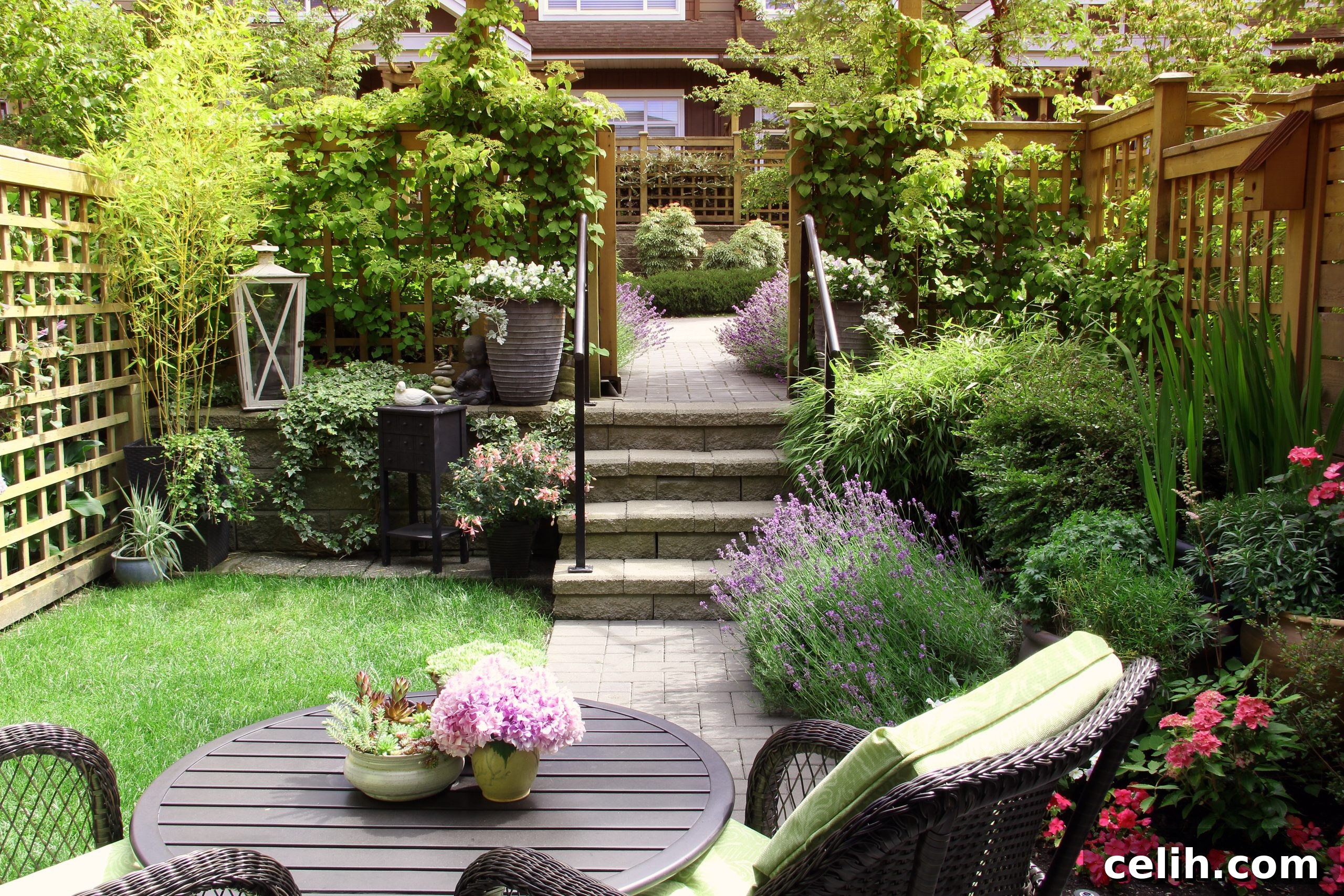
In our increasingly fast-paced world, the importance of a personal sanctuary at home has never been more evident. Our outdoor space, whether a sprawling garden or a compact balcony, offers a vital escape—a place to reconnect with nature, breathe fresh air, and unwind. It’s an extension of our living environment, profoundly impacting our mental well-being and overall quality of life. From cultivating vibrant blooms to crafting cozy nooks, there’s an abundance of ways to transform your garden into a haven that nurtures the soul.
While the chill of winter might be setting in, this season presents a unique opportunity. It’s an ideal time to reflect on your garden’s potential, to envision and plan changes that will not only make it enjoyable during the colder months but also perfectly ready to embrace the warmth and longer days of spring and summer. A thoughtful approach now ensures your outdoor retreat evolves into a year-round source of joy and tranquility.
Committed to enhancing outdoor living, we’ve gathered five essential strategies to guide you in transforming your garden into the ultimate tranquil escape. These tips are designed to inspire and empower you to create a space that fosters peace, relaxation, and a deeper connection with the natural world, regardless of your garden’s size or current state.
Cultivating Serenity: The Power of Calming Plants
The foundation of any tranquil garden lies in its flora. Plants possess an incredible ability to transform a space, engaging our senses with their sights, textures, and captivating aromas. Research consistently shows that connecting with nature, particularly through gardening, can significantly reduce stress and enhance overall mental well-being. Introducing specific plants proven to reduce stress and promote relaxation is a cornerstone of creating a peaceful outdoor sanctuary.
Consider the timeless appeal of lavender, renowned globally for its distinctive, soothing fragrance. Planting it near seating areas or pathways allows its calming scent to waft through the air, providing instant tranquility. Beyond lavender, a host of aromatic herbs can elevate your garden’s sensory profile. Rosemary, with its earthy, invigorating scent, and thyme, offering a subtle, herbaceous aroma, are excellent choices. These not only contribute to a pleasant atmosphere but can also be harvested for culinary use, adding another layer of engagement with your garden.
Expanding on the concept of sensory gardens, many enthusiasts are now designing dedicated areas that stimulate all five senses. A well-designed sensory garden goes beyond just scent; it incorporates plants with varied textures for touch (like lamb’s ear or ornamental grasses), vibrant colors and interesting forms for sight, and even plants that rustle gently in the breeze to provide soothing sounds. Integrating edible herbs or berries can engage the sense of taste, making your garden a truly immersive and restorative experience. By thoughtfully selecting and arranging these elements, you can create a series of tranquil corners that promote deep relaxation, turning your garden into a personal retreat where stress simply melts away.
Elevating Relaxation: The Allure of Outdoor Hot Tubs and Saunas
While many have repurposed garden structures into functional home offices or gyms, investing in features that actively promote calm and well-being offers equally profound benefits. Outdoor hot tubs, in particular, have surged in popularity, becoming a sought-after addition for homeowners seeking a dedicated space for hydrotherapy and relaxation. The warm, bubbling water provides an immediate sense of comfort, easing muscle tension and promoting deep relaxation. Submerging yourself in a hot tub after a long day can significantly reduce stress, improve sleep quality, and even foster social connection when shared with loved ones.
Parallel to the rise of hot tubs, outdoor saunas are also gaining considerable traction, especially with the increased accessibility of infrared variations. Traditional saunas offer a deep, purifying heat that encourages detoxification and cardiovascular benefits, while infrared saunas utilize a different spectrum of light to penetrate the body more deeply at lower temperatures. This makes them a comfortable and highly effective option for relaxation, muscle recovery, and boosting overall circulation. Brands like SunstreamSaunas.co.uk offer a range of both indoor and outdoor models, often with attractive deals, making this luxurious wellness experience more attainable for the average homeowner.
Integrating a hot tub or sauna into your garden transforms it into a private wellness oasis. These features provide an unparalleled escape from the demands of daily life, offering a dedicated space to decompress, release endorphins, and cultivate a profound sense of calm. Strategic placement, perhaps nestled among calming plants or screened for privacy, can enhance the experience, creating a secluded haven where you can rejuvenate your body and mind.
The Soothing Symphony: Integrating Water Features
While the gentle hum of a hot tub can be subtly relaxing, the deliberate sounds of a water feature introduce a distinct and profoundly soothing auditory experience into your garden. The gentle trickling, cascading, or babbling of water is widely recognized for its therapeutic qualities. It provides a natural, ambient noise that can effectively mask unwanted sounds from nearby traffic or neighbors, allowing you to “drift away” into a state of deep relaxation.
The psychological impact of water sounds is remarkable; they have a way of calming the nervous system, reducing stress hormones, and promoting a sense of peace. Beyond the auditory benefits, water features also add significant visual appeal. The shimmering reflections, the movement of the water, and the natural elements they attract, such as birds and butterflies, all contribute to a dynamic yet serene environment. From elegant tiered fountains to rustic pondless waterfalls or simple bubbling urns, there’s a water feature to complement every garden style and size. Modern designs even offer compact, self-contained units perfect for smaller patios or balconies, ensuring that everyone can enjoy this natural element.
Choosing a water feature allows you to introduce a powerful natural element that inherently generates a peaceful and calming atmosphere. When selecting one, consider the scale of your garden, the type of sound you prefer (from a gentle trickle to a more pronounced cascade), and maintenance requirements. Many options today are available with solar-powered pumps, offering an eco-friendly and cost-effective solution. By thoughtfully integrating a water feature, you’re not just adding a decorative element; you’re orchestrating a sensory experience that transforms your garden into a truly tranquil retreat.
Crafting Atmosphere: The Magic of Ambient Lighting
As daylight fades, the way your garden is illuminated dramatically shifts its character, transforming it from a sunlit expanse into a captivating evening sanctuary. Maximizing natural light during the day is essential, but as dusk approaches, your outdoor lighting strategy should focus on warmth, invitation, and mood. Harsh, bright lights can be jarring and disruptive to a peaceful atmosphere, so the key is to embrace ambient lighting that creates a soft, welcoming glow.
Consider the charm of festoon lighting, strung overhead to create a festive yet cozy canopy, perfect for alfresco dining or simply lounging. Lanterns, whether solar-powered, battery-operated, or traditional, can be strategically placed on tables, hung from trees, or arranged along pathways to provide intimate pockets of light. Small, discreet solar-powered lights are excellent for illuminating pathways, highlighting key plants, or defining garden zones without requiring complex wiring. These types of lights extend the usability of your garden well into the evening, encouraging prolonged enjoyment.
Beyond electric and solar options, don’t underestimate the primal allure of fire features. A crackling log burner or a well-placed fire pit offers not only a source of warmth but also a mesmerizing focal point that draws people together. The flickering flames cast dancing shadows and provide a unique, organic light that is inherently calming and inviting. For a more subtle effect, consider decorative candles or outdoor fairy lights woven through foliage. The aim is to layer different light sources and intensities to create depth and visual interest, ensuring your garden transitions effortlessly into a magical, tranquil space where you can unwind and savor the quiet beauty of the night.
Strategic Sanctuary: Thoughtful Layout and Design
Finally, the strategic layout of your garden is paramount to establishing an effective tranquil space. Modern gardens often need to be multi-functional, accommodating various activities from children’s play to entertaining guests. The challenge lies in creating distinct zones that cater to these different needs while ensuring there’s a dedicated area for serene relaxation.
To cultivate a genuinely peaceful and calming spot, the first step is to identify the quietest, most secluded corner of your garden. This is typically the furthest point from your home, high-traffic areas, or any roads that might border your property. Such a location minimizes external disturbances and maximizes the feeling of being removed from the hustle and bustle. Once this ‘sweet spot’ is identified, consider its orientation relative to the sun for optimal light and shade throughout the day, ensuring comfort during your chosen relaxation times.
Privacy is another critical consideration. Be mindful of areas where neighbors might have a direct line of sight into your garden. To enhance your sense of seclusion and allow for undisturbed relaxation, strategically plant tall, dense shrubs, climbing plants on trellises, or install decorative garden screens. Hedges, bamboo, or even a layered planting scheme can effectively block unwanted views, creating an intimate enclosure that fosters privacy. This intentional design provides a personal retreat where you can truly “kick back” and fully embrace the tranquility, without feeling overlooked or exposed. Thoughtful planning of pathways, seating arrangements, and the placement of focal points like water features or fire pits will further enhance the flow and functionality of your serene outdoor sanctuary, making every moment spent there a rejuvenating experience.