
Mastering Home Decor: The Definitive Guide to Contemporary vs. Modern Interior Design Styles
Embarking on a home styling journey can be both exciting and daunting, especially when confronted with the vast lexicon of interior design terms. Among the most frequently confused are ‘modern’ and ‘contemporary’ styles. While often used interchangeably, these two distinct design philosophies offer unique aesthetics and principles that can profoundly shape the ambiance and functionality of your living spaces. Understanding the nuances between them is crucial for creating a cohesive, stylish, and truly personalized home interior.
This comprehensive guide delves deep into the essence of contemporary and modern home styles, demystifying their core characteristics, preferred palettes, furniture choices, and material selections. We’ll explore how each style came to be, what defines its signature look, and most importantly, how you can effectively integrate these design elements into your own home to achieve the sophisticated look you desire. Whether you’re planning a complete overhaul or simply looking to refresh a room, this article provides actionable insights and inspiration to help you make informed design decisions.
Understanding Contemporary Home Style: Fluidity and Current Trends
Contemporary design, by its very definition, refers to what is current and of the moment. Unlike modern design, which is a fixed historical style, contemporary style is fluid and ever-evolving, embracing the latest trends while maintaining a sense of timeless elegance. It’s an inclusive style that borrows elements from various periods and movements, always with an eye toward comfort, functionality, and a relaxed, welcoming atmosphere. Think clean lines, uncluttered spaces, and an emphasis on sophisticated simplicity.
The Contemporary Color Palette: Understated Elegance with Bold Accents
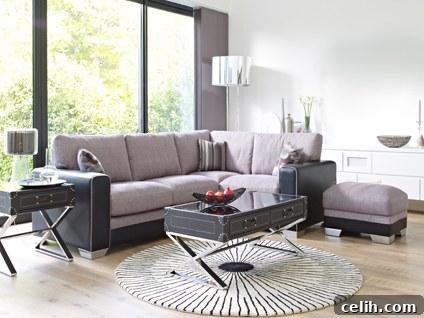
The foundation of a contemporary interior often rests on a serene and understated color scheme. Muted tones create a calming backdrop that allows other elements to shine without overwhelming the senses. Consider shades like stone, dove grey, serene sage, tranquil baby blue, and sophisticated mink as your primary colors. These neutrals provide a canvas of comfort and visual harmony, making rooms feel larger and more open.
To prevent the space from feeling monotonous, contemporary design masterfully incorporates warming accent colors. Richer, bolder tones such as deep brown, elegant charcoal, vibrant bottle green, classic denim blue, and luxurious plum are perfect for adding depth and personality. These accents are typically introduced through smaller, carefully selected elements like a striking feature armchair, elegant table linen, plush cushions, or decorative throws. The key is balance – using bold colors sparingly to highlight specific areas or pieces, rather than dominating the entire space.
Furniture and Layout: Comfort, Functionality, and Clean Lines
Contemporary furniture prioritizes comfort and practicality without sacrificing style. Pieces are often characterized by their clean, unadorned lines and inviting proportions. Look for recliner sofas that blend luxury with ultimate relaxation, or versatile modular sofas that can be reconfigured to suit different occasions and room layouts. Coffee tables with bold, sculptural lines or simple, geometric forms also fit perfectly, often serving as central focal points.
Storage solutions are integral to maintaining the uncluttered aesthetic of contemporary design. For smaller homes, sleek wall storage units are ideal for maximizing space and keeping surfaces clear. In larger areas, solid wood display units offer both practical storage and an opportunity to showcase curated decor items. These units often feature minimalist hardware and flush designs. The choice of materials for furniture is equally important; solid woods like oak or walnut convey quality and warmth, while veneered woods offer a sophisticated finish with excellent durability. For upholstery, resilient fabrics such as linen union or classic leather are preferred for their longevity, tactile quality, and ability to age gracefully, reflecting the style’s emphasis on enduring appeal.
Textures and Materials: A Blend of Natural and Polished
Contemporary interiors embrace a tactile experience, blending smooth, polished surfaces with natural textures. Beyond furniture, consider luxurious fabrics like cashmere throws, soft wool rugs, and textured linen curtains. Glass and metal accents often appear in lighting fixtures or table bases, providing a sleek contrast to warmer wood tones. The interplay of materials such as stone, wood, metal, and natural fibers creates a rich sensory experience that is both sophisticated and inviting.
Lighting: Illuminating with Purpose and Style
Lighting in contemporary design is both functional and a design element in itself. Pendant ceiling lights, particularly those with simple, elegant designs, are excellent for adding visual interest and task lighting. Recessed lighting provides ambient illumination that doesn’t interfere with the clean lines of the ceiling. Floor lamps and table lamps with minimalist bases and subtle shades add layers of light, creating warmth and defining zones within an open-plan space. Natural light is also maximized through large windows, often left minimally draped to maintain an airy feel.
Accessories and Decor: Thoughtful Curation
Accessorizing in a contemporary home is about quality over quantity. Each piece should have a purpose or make a deliberate aesthetic statement. Here are some great buys to consider:
- Rustic Ceramics: Hand-crafted ceramic vases or bowls add an organic, earthy touch, bringing warmth and character to sleek spaces.
- Floral Fabrics: Used sparingly on cushions or throws, abstract or subtle floral patterns can introduce a touch of nature and softness without being overly traditional.
- Pendant Ceiling Lights: As mentioned, these are key. Choose designs in materials like brushed metal, frosted glass, or even simple, oversized shades to become a focal point.
- Nature-Based Pictures: Abstract art inspired by landscapes, minimalist botanical prints, or even serene photography of natural elements can bring a sense of calm and connection to the outdoors.
The goal is to create a space that feels curated and personal, yet entirely free of clutter, allowing the architecture and key furniture pieces to speak for themselves.
Diving into Modern Home Style: A Historical Movement of Form and Function
Modern design is a distinct aesthetic movement that originated in the early to mid-20th century, largely as a rejection of the ornate, decorative styles of the past. It’s rooted in the principles of Modernism, Bauhaus, and Scandinavian design, emphasizing clean lines, functionality, and a lack of excessive ornamentation. Modern style celebrates simplicity, efficiency, and the honest use of materials, often incorporating industrial elements and a timeless, minimalist appeal. It’s about ‘less is more,’ allowing the form and material of each piece to be the star.
The Modern Color Palette: Bold Statements and Striking Contrasts
For a truly confident, design-conscious, and adventurous modern aesthetic, make bold statements with your choice of furniture and colors. The modern palette often features a strong reliance on neutral backgrounds – think crisp whites, various shades of grey, and black – which serve as a perfect canvas for bursts of vibrant color. Primary colors (red, blue, yellow) were iconic in early modernism, but today’s modern style embraces a wider spectrum of vivid hues.
Bold use of color helps to bring a modern style to life, especially when used in blocks against these neutral backdrops. Imagine an accent chair upholstered in a bright, solid-colored fabric, or rugs, lampshades, and cushions in vibrant shades of teal, orange, or chartreuse. Creating a feature wall with geometrically patterned wallpapers or using patterned fabric for cushions can also be incredibly effective, adding visual interest and a dynamic quality to the space without resorting to traditional embellishments.
Furniture and Layout: Sleek, Functional, and Architecturally Inspired
Modern furniture is characterized by its sleek profiles, exposed structural elements, and often elevated forms. Modular sofas and shelving units are staples, offering maximum flexibility and reflecting the practical, adaptable nature of the style. Large proportions often hint at a boutique modern hotel style, conveying a sense of understated luxury and spaciousness. Furniture pieces are generally raised off the floor on slender legs, creating a light and airy feel. They are chosen for their intrinsic beauty and utility, often acting as sculptural elements within the room.
Modern furniture invokes a big visual impact, whether the centerpiece of your room is a corner sofa with a chaise longue designed for both comfort and clean lines, a lustrous glass dining table that reflects light and openness, or a bold room divider that thoughtfully delineates space. The focus is on uncomplicated designs that have presence, pieces that are visually strong yet free from superfluous details. Look for furniture that embodies both form and function, often with a slightly industrial or architectural edge.
Textures and Materials: A Symphony of Industrial and Natural Elements
Modern design celebrates a diverse range of materials, often combining them in intriguing ways. Directional materials include the natural warmth of solid and veneered woods, the reflective clarity of glass, the cool sophistication of metal (chrome, stainless steel, brass), and the organic texture of wicker. For fabrics, think luxurious velvet for a touch of opulence, smooth silk for refined elegance, crisp linen for natural texture, and large cable-knit for an unexpected cozy contrast. The juxtaposition of these materials – a sleek metal lamp next to a wooden side table, or a glass coffee table atop a textured rug – is a hallmark of the style, creating depth and visual interest.
Lighting: Geometric Forms and Functional Illumination
Lighting in modern design often takes on geometric forms and serves as both a practical necessity and an artistic statement. Architectural lighting, such as track lighting or integrated LED strips, highlights structural elements and provides focused illumination. Sleek floor lamps and table lamps with minimalist designs and often metallic finishes are common. Chandeliers in modern settings are typically sculptural and abstract, moving away from traditional crystal arrangements towards more innovative and often industrial-inspired forms.
Accessories and Decor: Curated Statements
Modern accessorizing is precise and intentional, with each item carefully chosen to complement the overall minimalist aesthetic. Less is always more, with clutter being the antithesis of modern design. Here are some great buys for a modern theme:
- Chandelier: Not the traditional ornate type, but a contemporary sculptural chandelier made of metal, glass, or even a deconstructed geometric design, serving as a striking focal point.
- Floral Round Mirror: A round mirror with a minimalist floral or sunburst frame (often metallic) can add a touch of organic elegance and reflect light beautifully.
- Sheepskin Rug: A luxurious sheepskin rug adds a tactile, soft element and warmth, contrasting beautifully with the sleek surfaces typical of modern interiors.
- Landscape Wall Prints: Large-scale, abstract landscape prints or bold graphic art pieces that draw the eye and add a pop of color or texture to an otherwise neutral wall.
Art plays a significant role in modern design, often being abstract, geometric, or photographic, and is typically framed simply to let the artwork itself stand out.
Contemporary vs. Modern: A Clearer Picture
Now that we’ve explored both styles in depth, let’s distill their core differences to provide a clearer distinction:
- Origin and Evolution: Modern design is a fixed historical style from the early to mid-20th century, characterized by its rejection of ornamentation and emphasis on function. Contemporary design is ever-evolving, reflecting current trends and borrowing from various styles, making it more flexible.
- Color Palette: Modern design often features bold primary colors, stark black and white, and geometric patterns against neutrals. Contemporary leans towards softer, muted neutrals (greys, beiges, whites) with subtle pops of richer accent colors.
- Furniture: Modern furniture often features exposed legs, clean lines, and an industrial or architectural feel, sometimes iconic designs from the mid-century. Contemporary furniture is more about comfort and current trends, featuring soft edges, modularity, and often more plush upholstery.
- Materials: Modern heavily uses industrial materials like chrome, glass, steel, and concrete, alongside natural woods. Contemporary blends these with more natural textiles, softer woods, and often organic elements like stone and ceramics.
- Overall Feel: Modern can feel sleek, minimalist, sometimes stark, and highly organized, with an emphasis on structure. Contemporary feels more soft, approachable, comfortable, and inviting, while still maintaining a sophisticated and current aesthetic.
While both styles share a love for clean lines and uncluttered spaces, their underlying philosophies and aesthetic expressions are distinct. Modern is a statement of an era, while contemporary is a reflection of the present moment.
Integrating Styles: A Balanced Approach for Unique Interiors
While understanding the distinctions between modern and contemporary is important, it doesn’t mean you can’t blend elements to create a truly unique and personalized space. Many contemporary designs often incorporate modern elements, as the fluidity of contemporary style allows for such integration. For instance, a contemporary living room with a muted color palette and plush modular sofa might feature a sleek, mid-century modern coffee table or an iconic modern lamp as a focal point.
The key to successful integration is balance and intentionality. Choose dominant elements from one style and selectively introduce complementary pieces from the other. This ensures that your space feels harmonious rather than disjointed, allowing you to enjoy the best of both worlds. Experiment with textures, materials, and accents to achieve a look that is both timeless and reflective of your personal taste.
Conclusion: Crafting Your Dream Home with Style and Confidence
Navigating the world of interior design can be greatly simplified by understanding the fundamental differences between popular styles like modern and contemporary. By grasping their unique characteristics – from color schemes and furniture choices to materials and overall ambiance – you are empowered to make informed decisions that align with your personal vision for your home.
Whether you gravitate towards the historical elegance and functional minimalism of modern design, or the evolving comfort and current sophistication of contemporary style, your home should be a reflection of who you are. Use this guide as your starting point to explore, experiment, and create spaces that are not only beautiful but also deeply comfortable and truly yours. Start designing your dream home today, armed with knowledge and inspired by the endless possibilities of modern and contemporary interior design!