
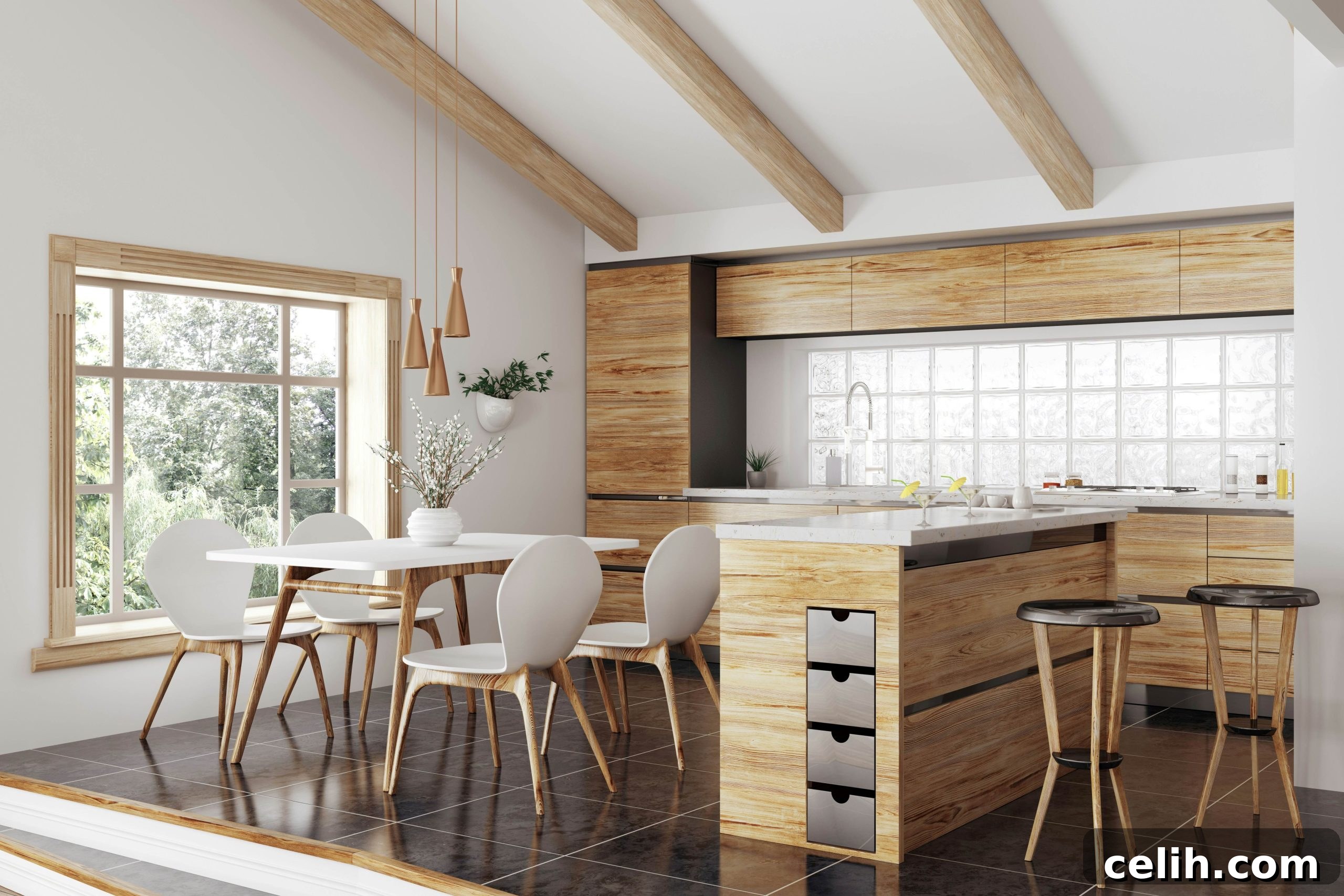
When envisioning a refresh for your home’s interiors, particularly your dining area, inspiration can be found in unexpected, yet remarkably effective, places. For those who appreciate exquisite design and the finer nuances of creating an inviting atmosphere, the world of high-end restaurants and meticulously crafted hospitality spaces offers a treasure trove of ideas. These establishments, after all, are masters at curating memorable experiences, and their design choices are anything but arbitrary; they are strategic investments in customer satisfaction and business success.
The pursuit of an exceptional dining experience drives restaurant owners to allocate significant portions of their budgets to the aesthetic and functional design of their dining rooms. The look and feel of a commercial dining space aren’t mere embellishments; they are integral to the customer’s journey, directly impacting repeat business and word-of-mouth. This makes the hospitality industry a rich learning ground for homeowners looking to elevate their own dining spaces. By observing and adapting the principles employed by these design experts, you can fast-track your home dining room renovation or redesign project to success. Here, we delve into some classic aspects of restaurant interiors that offer invaluable design cues for your home.
Stylish Practicality: The Foundation of Exceptional Dining
While your home dining room may not host hundreds of guests daily like the world’s finest restaurants, the fundamental principle of practicality remains paramount for both. Eating and drinking inherently involve potential spills, crumbs, and constant movement. Therefore, even the most luxurious venues prioritize durability and ease of maintenance when selecting their restaurant tables and chairs. Imagine investing in exquisite decor only for it to lose its allure quickly because it can’t withstand regular use or is difficult to clean. This focus on long-lasting functionality should be a cornerstone of your home dining room furniture selection.
When choosing furniture for your home, consider materials that are both visually appealing and resilient. Solid wood tables, for instance, offer timeless elegance and can often be refinished, extending their lifespan. Metals like wrought iron or stainless steel provide a modern, industrial touch while being incredibly durable. For chairs, prioritize easy-to-clean upholstery such as performance fabrics, faux leather, or even genuine leather, which develops a beautiful patina over time. Wipeable surfaces are a blessing, especially in homes with children or frequent entertainers. The goal is to select pieces that not only complement your desired aesthetic but also promise longevity and hassle-free upkeep, ensuring your space remains pristine and inviting for years to come.
Beyond materials, think about the layout and flow. Restaurants expertly optimize seating to accommodate numerous patrons without feeling cramped. Consider the shape of your dining table: a round table fosters intimate conversation, while a rectangular table is ideal for larger gatherings. Bench seating or banquettes can offer a space-saving solution, similar to restaurant booths, providing comfort and maximizing seating capacity. Ensure there’s ample space for diners to pull out chairs and move around comfortably. Exploring the interiors of the world’s best restaurants online, or even indulging in a meal at your favorite local spots, can reveal ingenious ways to marry style with practicality, offering tangible examples of how these design principles translate into a truly functional and beautiful dining experience at home.
Mastering Mood: The Art of Ambient Lighting
Lighting is often the unsung hero of interior design, a subtle yet incredibly powerful element that can entirely transform the ambiance of a space. Restaurant owners understand its profound impact: expertly chosen lighting can create an intimate, energetic, or luxurious atmosphere, directly influencing a diner’s comfort and perception of the meal. For your home dining room, a thoughtful approach to lighting can similarly elevate everyday meals into special occasions and adapt the room for various uses throughout the day.
Begin by considering the multifaceted roles your dining room plays. Is it solely for formal dinners, or does it double as a breakfast nook, a homework station, or even a temporary home office? A bright, invigorating light might be perfect for morning meals or focused work, while a softer, more subdued glow is ideal for relaxing evening dinners. The key to achieving this versatility lies in layered lighting. Professional designers typically employ three types: ambient, task, and accent lighting.
- Ambient Lighting: This provides overall illumination and sets the room’s general mood. Think chandeliers, recessed lighting, or flush mounts. In restaurants, this is often dimmed to create a cozy, intimate feel.
- Task Lighting: Essential for specific activities. Pendant lights hung directly over your dining table are a perfect example, providing focused illumination for eating, reading, or working.
- Accent Lighting: Used to highlight architectural features, artwork, or decorative elements, adding depth and visual interest. Wall sconces, picture lights, or dimmable track lighting can serve this purpose beautifully.
The secret weapon of restaurant lighting is often the dimmer switch. Integrating dimmers into your lighting scheme allows you to effortlessly adjust the intensity, transitioning from bright and functional to soft and romantic with a flick of a switch. Consider smart lighting systems for even greater control and customization. Furthermore, pay attention to the color temperature of your light bulbs. Warm white light (2700K-3000K) typically creates a cozy, inviting atmosphere, mirroring the welcoming glow found in many high-end restaurants, while cooler temperatures are better suited for task-oriented areas.
To deepen your research, visit a variety of dining establishments. Observe how the vibrant, functional lighting in a family-friendly diner contrasts with the soft, elegant glow of a chic French bistro designed for romantic evenings. Notice how lighting subtly guides your eye, creates focal points, and shapes your perception of the space without you consciously realizing it. This often-unnoticed expertise is what makes or breaks a dining experience. Restaurant interior experts understand that getting this right is crucial, and it doesn’t always require an eye-watering budget. The lighting secrets of the top designers are often about thoughtful placement, layering, and control. With a little field research and creative application, you can implement these subtle tricks and insider techniques to craft the perfect ambience and atmosphere for your dining room at home, transforming it into a space that caters beautifully to every occasion.
Tactile Sensations: Integrating Texture and Materiality
Beyond sight, the most memorable restaurant experiences engage all the senses. Hospitality designers excel at incorporating diverse textures and materials to add depth, warmth, and character, making a space feel rich and inviting rather than sterile. This holistic approach to design is something homeowners can readily adopt to elevate their dining rooms. Think about the tactile elements in your space – from the roughness of exposed brick walls to the smoothness of a polished wooden table, the softness of velvet upholstery, or the coolness of stone flooring.
Introduce a variety of textures through your material choices. Consider a feature wall clad in reclaimed wood or an elegant wallpaper with a subtle pattern. Choose dining chairs with upholstered seats in fabrics like linen, tweed, or even a luxurious velvet to add visual and tactile interest, as well as enhanced comfort. A large, plush area rug under the dining table not only anchors the space but also adds a layer of softness and helps with acoustics. In restaurants, designers carefully select materials that complement each other, creating a harmonious yet dynamic environment. Applying this principle at home prevents your dining room from feeling one-dimensional and creates a more engaging, multi-sensory experience for you and your guests. Don’t shy away from mixing materials like metal, wood, glass, and fabric; this interplay of elements adds sophistication and personality.
The Art of Flow and Presentation: Elevating the Dining Experience
Restaurants are masters of flow and presentation, meticulously planning every detail from the moment a guest steps in until they leave. This encompasses everything from how tables are set to the overall movement within the dining area. Bringing these insights into your home can transform your dining room from a mere eating space into a truly curated experience.
First, consider the beautiful interiors created by thoughtful presentation. Restaurants invest in high-quality tableware, elegant linens, and carefully chosen centerpieces. You can replicate this by investing in quality dinnerware, sophisticated glassware, and cloth napkins. A well-chosen centerpiece, be it a floral arrangement, a collection of candles, or a sculptural object, instantly elevates the table. This attention to detail communicates care and respect for your guests, making any meal feel more special.
Next, think about the flow and zoning of your dining area, especially if it’s part of an open-plan living space. Restaurants often use architectural elements, different flooring, or strategic furniture placement to define distinct zones. In your home, a large area rug can delineate the dining zone, or a console table can serve as a buffet or serving station, creating a natural division. Ensure there’s ample space for people to walk around the table, for chairs to be easily pulled out, and for hosts to serve without obstacles. This ergonomic consideration, learned from the high-traffic demands of commercial kitchens and dining rooms, is crucial for a comfortable and effortless dining experience at home. Consider elements like a bar cart for drinks or a dedicated cabinet for serveware, keeping everything organized and accessible, much like a well-run restaurant back-of-house.
Finally, the color palette plays a significant role in setting the mood. Restaurants carefully select colors that align with their brand and desired ambiance. Warm colors like reds, oranges, and yellows can stimulate appetite and create an energetic atmosphere, while cooler tones like blues and greens often evoke a sense of calm and sophistication. Choose a color scheme that complements your home’s overall aesthetic and creates the desired feeling for your dining room – whether it’s vibrant and social or serene and intimate. Thoughtful application of color, combined with purposeful presentation and an intuitive flow, can turn your dining room into a captivating space that echoes the best practices of the hospitality world.
Ultimately, transforming your dining room into a space that truly delights doesn’t require a commercial budget, but rather an appreciation for the design wisdom perfected in the hospitality industry. By focusing on stylish practicality, mastering ambient lighting, thoughtfully integrating diverse textures and materials, and perfecting the art of flow and presentation, you can create a dining experience at home that is both functional and unforgettable. So, embrace your inner designer, draw inspiration from your favorite eateries, and craft a dining room that not only serves its purpose but also becomes a cherished setting for countless beautiful memories.