
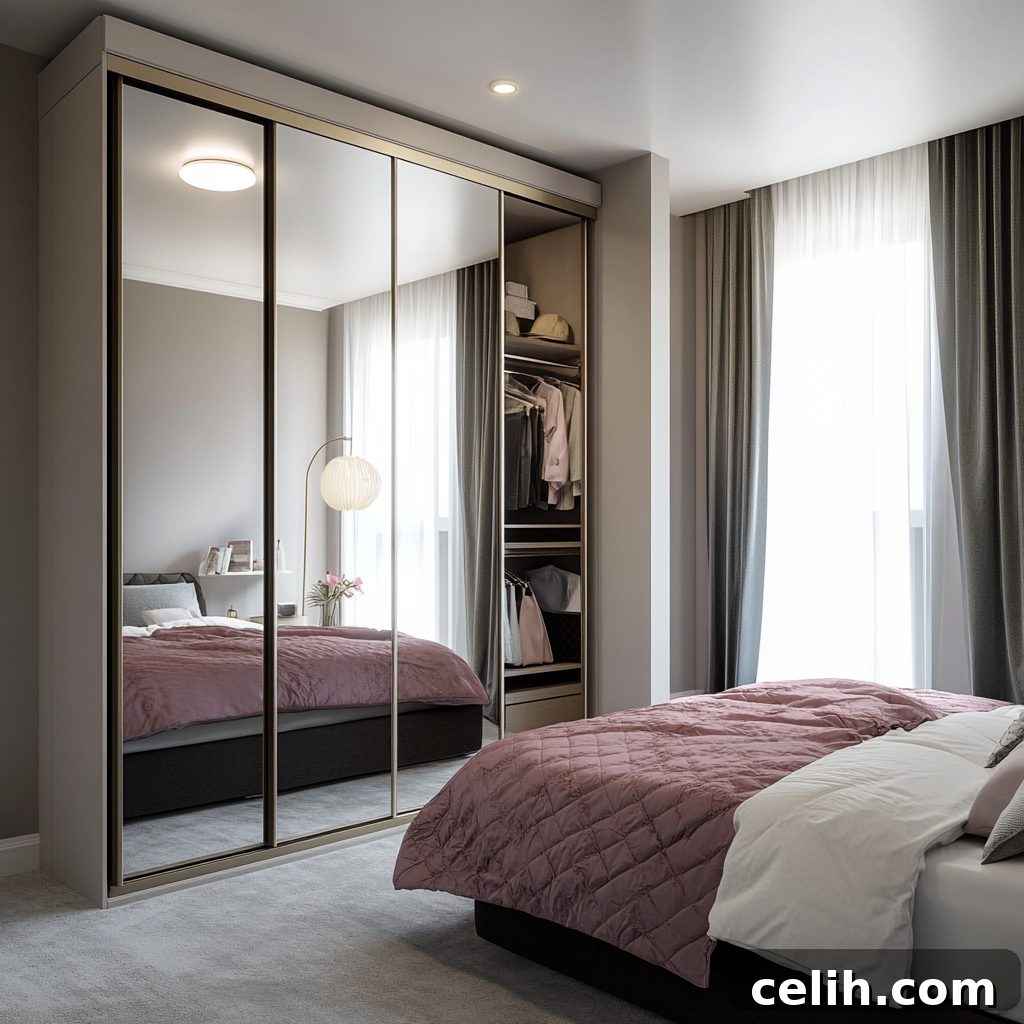
A well-organized closet is far more than just a tidy space; it’s a foundation for a smoother, more efficient daily routine, leading to reduced stress and enhanced mental clarity. While many individuals grapple with maintaining a functional wardrobe, often citing limited space, an overwhelming number of items, or a lack of effective storage systems, the dream of a perfectly ordered closet is entirely within reach.
The encouraging news is that achieving closet nirvana doesn’t require an extensive renovation or a costly custom-built solution. With thoughtful strategies, a touch of ingenuity, and a commitment to consistency, you can transform even the most compact or cluttered area into an incredibly efficient and aesthetically pleasing space. This comprehensive guide outlines practical closet organization tips designed to simplify everyday living, streamline your morning routine, and ensure everything in your wardrobe has its rightful place.
1. Begin with a Comprehensive Decluttering Session
The foundational step to any successful closet organization project is a complete and honest declutter. This process involves emptying your entire closet – yes, every single piece of clothing, every pair of shoes, and all accessories – so you can gain a clear, unobstructed view of your entire inventory. While this initial stage might feel daunting or even overwhelming, it is absolutely critical for identifying items you genuinely use, love, and need versus those that merely occupy valuable space.
Once everything is laid out, systematically sort your items into distinct categories: “keep,” “donate,” “sell,” and “discard.” The key here is brutal honesty. Ask yourself crucial questions: “Have I worn this in the last year?” “Does it fit comfortably?” “Does it align with my current style and lifestyle?” “Is it in good condition?” If an item hasn’t been worn in over a year, or if it doesn’t make you feel good when you wear it, it’s very likely time to let it go. Releasing these unused or unwanted items not only frees up significant physical space but also provides immense mental clarity, allowing you to truly appreciate and utilize what you own. A thorough declutter reduces visual noise, simplifies decision-making, and makes the subsequent steps of organizing far more effective and sustainable.
2. Choosing the Right Closet Type for Your Lifestyle
The effectiveness of your closet organization hinges significantly on the type of closet you have, or the one you choose to implement. Understanding the various options and how they align with your space, storage requirements, and daily habits is paramount. This is where the distinction between a walk-in closet vs reach-in closet becomes incredibly important, as each offers unique advantages and considerations.
Walk-in closets, as their name suggests, provide ample room to physically step inside. They are often larger, offering generous space for extensive hanging areas, built-in shelving, drawers, and even islands for additional storage or display. These are ideal for those with larger wardrobes, a desire for a dedicated dressing area, or homeowners in larger bedrooms or shared spaces. Walk-ins allow for greater customization, making it possible to create highly personalized storage solutions that cater to specific needs, such as shoe walls, accessory displays, or even vanity areas. However, they require more square footage and can become cluttered if not managed effectively.
In contrast, reach-in closets are typically shallower and span a wall, accessible from the exterior without stepping in. They are compact, efficient, and exceptionally well-suited for smaller rooms, apartments, or minimalist wardrobes. While their depth might be limited, strategic planning and smart storage accessories can maximize their utility. Reach-ins often feature a single rod and a shelf, but can be significantly upgraded with double rods, modular shelving systems, and drawer inserts. For those with fewer items or limited floor space, a well-designed reach-in closet can be incredibly functional and cost-effective, offering a streamlined approach to daily dressing.
Beyond built-in options, freestanding wardrobes or armoires serve as excellent alternatives, particularly for rental properties or rooms without existing closet infrastructure. These pieces of furniture offer portability and can add significant storage capacity while contributing to the room’s aesthetic. Evaluating your specific needs—the volume of your clothing, the size of your room, and your daily routine—will ensure you select or optimize a closet type that perfectly stores your items, enhances your living space, and simplifies your everyday life with unparalleled ease and convenience.
3. Categorize Your Wardrobe by Type and Season
Once you’ve successfully decluttered, the next crucial step in maintaining an orderly closet is to sort and categorize your remaining items logically. Grouping similar items together is fundamental for quick retrieval and a clear visual assessment of your wardrobe. This means all your shirts should be together, all pants in one section, dresses, jackets, and accessories each in their designated zones. For an even more refined system, consider sub-categorizing by color, material, or occasion within these main groups (e.g., work blouses, casual t-shirts, formal dresses).
Implementing a seasonal clothing rotation is another powerful strategy to prevent overcrowding and ensure your closet primarily holds items relevant to the current weather. Every few months, typically at the change of seasons, swap out-of-season garments for those appropriate for the upcoming weather. Store items like heavy winter coats, sweaters, and boots during summer, and light dresses, shorts, and swimwear during winter. Utilize space-saving solutions for seasonal storage, such as clear plastic bins, vacuum-sealed bags, or under-bed storage containers. For delicate items, breathable garment bags are ideal to protect them from dust and pests.
By categorizing and regularly rotating your wardrobe, you create a dynamic system that adapts to your needs throughout the year. This not only keeps your closet from feeling perpetually overflowing but also makes getting dressed each day a much faster and more enjoyable experience. You’ll instantly know where everything is, and your current options will always be visible and accessible.
4. Elevate Your Closet’s Look and Feel with Matching Hangers
One of the quickest, yet most impactful, transformations you can make in your closet is to standardize your hangers. Mismatched hangers—a collection of flimsy wire, bulky plastic, and odd wooden hangers—create significant visual clutter and cause clothes to hang unevenly, making your wardrobe appear disorganized and uninviting. Switching to one consistent hanger style instantly elevates the aesthetic, giving your closet a cohesive, boutique-like appearance that motivates you to keep it tidy.
Beyond aesthetics, the right hangers offer practical benefits. Consider the popular **slim, non-slip velvet hangers**. These are fantastic space-savers due to their slender profile, allowing you to fit more garments in the same amount of rod space. Their velvety surface also prevents clothes, especially silky or wide-neck items, from slipping off, keeping your garments neatly in place and wrinkle-free. For heavier garments like suits, coats, or structured jackets, **sturdy wooden hangers** are an excellent investment. While they are bulkier, they provide crucial support, preventing shoulder bumps and helping maintain the garment’s shape over time. Their rich finish also adds a touch of luxury and sophistication to your closet.
For very delicate items, such as silk blouses or knitwear that might stretch on a standard hanger, **padded hangers** offer a gentle alternative. While **plastic hangers** can be cost-effective, opt for robust, uniform designs if choosing this material, as flimsy plastic can snap or warp easily. By thoughtfully selecting a consistent hanger type that suits the majority of your wardrobe, you not only improve the visual appeal of your closet but also enhance the longevity and presentation of your clothing, making every outfit selection feel more curated and effortless.
5. Maximize Vertical Space with Smart Storage Solutions
Many closets, regardless of their overall size, often have significantly underutilized vertical space – from the floor to the ceiling. Optimizing this forgotten real estate is key to creating a truly efficient and spacious wardrobe. With the right selection of storage tools and a bit of creativity, you can transform these empty areas into highly functional zones.
Start by assessing your hanging needs. If you have many shorter items like shirts, blouses, skirts, or folded pants, consider installing **additional closet rods** to create double-hanging sections. This instantly doubles your hanging capacity in a single vertical segment. For items that don’t hang, but still need easy access, **hanging shelf organizers** or cubbies can be invaluable for folded sweaters, t-shirts, handbags, or even shoes, preventing piles from toppling over.
Don’t overlook the inside of your closet door. **Over-the-door organizers** with hooks or pockets are perfect for small accessories like belts, ties, scarves, or jewelry, keeping them visible and accessible without taking up precious rod or shelf space. Similarly, **hooks mounted directly on the wall** can hold bathrobes, frequently worn jackets, or even handbags.
For items that are folded or stored in groups, **stackable bins, drawers, or clear storage boxes** can be placed on shelves above your main rod or on the floor. These are excellent for activewear, seasonal accessories, or even less frequently used items like luggage or extra bedding. Incorporating **shelf dividers** can also help keep stacks of clothing neat and prevent them from merging into one another. By making these strategic adjustments, you can make the absolute most of every inch of your closet, ensuring that nothing is wasted and every item, no matter how small, has a designated and easily retrievable home.
6. Fold Strategically and Store by Visibility
While hanging clothes is essential for many garments, not every item benefits from being on a hanger. In fact, some clothes maintain their shape and integrity much better when folded. Sweaters, knitwear, denim jeans, t-shirts, and activewear are prime examples of items that should generally be folded and stored on shelves or in drawers to prevent stretching, hanger bumps, or loss of shape. However, simply folding them into stacks often leads to the same problem: you can only see the top item, leading to forgotten garments and messy piles when searching for something specific.
This is where the concept of **vertical folding and storage** comes into play, a method popularized by professional organizers. Instead of stacking items horizontally, fold them in a way that allows them to stand upright, much like files in a filing cabinet. For example, a neatly folded t-shirt can be folded again into a smaller rectangle that can stand on its edge in a drawer. This method offers several significant advantages:
- Enhanced Visibility: You can see every item in a drawer or on a shelf at a single glance, eliminating the need to rummage through stacks and preventing you from forgetting what you own.
- Space Efficiency: Vertical storage often utilizes drawer and shelf space more efficiently, allowing you to fit more items neatly.
- Reduced Mess: When you pull out one item, the others remain in place, preventing the entire stack from collapsing.
- Easier Maintenance: It’s simpler to put items back in their designated spot, encouraging consistency in your organization.
To further optimize this system, use **drawer dividers, small bins, or shelf inserts** to keep your vertically folded items grouped and stable. This prevents them from shifting and ensures your organized system remains intact. The principle of visibility is paramount to long-term organization; when all your options are clearly presented, you’re more likely to wear your entire wardrobe, less likely to overbuy similar items, and far less likely to let clothes go unused and eventually become clutter.
7. Invest in Clear Containers and Strategic Labeling
For smaller accessories, seasonal items, less frequently used garments, or even shoes, opaque storage solutions can quickly become black holes, making it impossible to remember what’s inside without pulling everything out. This is why **transparent or clear containers** are an absolute game-changer in closet organization. Being able to visually identify the contents of a bin or box at a glance saves immense time and frustration, eliminating the need for constant rummaging.
Clear containers offer multiple benefits:
- Instant Visibility: You can quickly locate what you need without opening every box.
- Protection: They shield items from dust, dirt, and potential pests, which is especially important for off-season clothing, delicate accessories, or cherished keepsakes.
- Uniformity: A collection of matching clear containers creates a clean, streamlined look on shelves or in cubbies.
To further enhance this system and eliminate any guesswork, pair your clear containers with **labels**. Effective labeling provides immediate clarity, especially useful for items that look similar or for specific categories. For families sharing closet space or individuals rotating wardrobes seasonally, labels become indispensable. Consider using clear, concise labels that indicate the exact contents:
- “Winter Scarves & Gloves”
- “Formal Shoes”
- “Summer Beachwear”
- “Workout Tops”
- “Kids’ Outgrown Clothes”
You can use various types of labels, from simple sticker labels to stylish chalk markers on reusable tags. The key is consistency and clarity. Having everything clearly marked ensures that you and anyone else accessing the closet will always know precisely where to find what they need and, just as importantly, where to put it back. This simple yet powerful duo of clear containers and precise labels reduces mental clutter and makes maintaining your organized system almost effortless.
8. Create a Dedicated Space for Accessories
Accessories, while often small, have an uncanny ability to create significant clutter and visual chaos if not properly contained and organized. Belts, ties, scarves, jewelry, hats, and handbags can quickly become a tangled mess or an unidentifiable pile. Designating specific, easy-to-access storage solutions for each type of accessory is crucial for maintaining an orderly closet and streamlining your daily dressing process.
For **jewelry**, consider drawer inserts with velvet compartments, wall-mounted hooks, or multi-tiered trays that keep necklaces untangled, earrings paired, and rings neatly displayed. When jewelry is visible and organized, you’re far more likely to wear your collection. **Belts** can be neatly rolled and stored in drawer dividers, hung on dedicated belt hangers that loop multiple belts, or placed on hooks on the inside of a closet door. Similarly, **scarves** benefit from hanging organizers with multiple loops, drawer dividers if folded, or simply rolled and placed in clear bins.
**Handbags** present a unique challenge due to their varying sizes and shapes. Store them upright on shelves, preferably with purse shapers or tissue paper inside to help them retain their form and prevent creasing. Alternatively, use hanging handbag organizers that offer individual compartments. For **hats**, hat boxes protect their shape and keep them dust-free, while hooks or open shelves can display frequently worn caps. By providing each accessory with a dedicated home, you not only protect these items from damage but also add an invaluable layer of convenience to your routine, allowing you to effortlessly complete your outfits and express your style without the frustration of searching or untangling.
9. Adopt a “One In, One Out” Rule for Sustainable Organization
The initial decluttering and organizing efforts are monumental, but the true secret to a perpetually tidy and functional closet lies in consistent maintenance. One of the most effective habits to adopt for long-term organization is the “one in, one out” rule. This simple principle states that whenever you purchase or acquire a new item of clothing, a pair of shoes, or an accessory, you must remove one existing, similar item from your wardrobe.
This rule serves multiple crucial purposes:
- Prevents Clutter Buildup: It actively prevents your closet from becoming overcrowded again, ensuring that the hard work you put into organizing isn’t undone by new acquisitions.
- Encourages Mindful Consumption: It forces you to be more intentional and discerning about what you bring into your home. Before making a purchase, you’ll naturally consider if it’s truly needed and if you’re willing to part with something similar you already own. This promotes a focus on quality, versatility, and fit over impulse buys.
- Maintains a Curated Wardrobe: By regularly evaluating your possessions, you ensure that your wardrobe continuously reflects your current style, lifestyle, and preferences, keeping it fresh and relevant.
To complement this rule, consider scheduling brief, seasonal reviews of your closet. These check-ins allow you to assess if your current collection still serves you well and to make minor adjustments before clutter has a chance to accumulate. This small but incredibly powerful habit transforms closet maintenance from an occasional daunting task into an effortless and integral part of your routine. By consistently applying the “one in, one out” rule, you’ll sustain your organized space without ever needing another major overhaul, ensuring a harmonious and stress-free interaction with your wardrobe every single day.
An organized closet is not merely about neatness; it’s about creating a practical, efficient system that seamlessly supports your daily routine and contributes to your overall well-being. By diligently decluttering, thoughtfully categorizing, and implementing smart storage solutions that maximize every inch of your space, you can transform your closet into a functional sanctuary that works for you, not against you. The journey to lasting organization hinges on consistency; once these tips are put into action, maintaining them will gradually become second nature.
Imagine starting every morning with clarity, selecting outfits with ease, and knowing precisely where everything is. Your space will feel calmer, your decisions will be simpler, and you’ll gain precious moments to focus on what truly matters in your day. This systematic approach to closet organization is an investment in simplicity, efficiency, and a more peaceful daily existence.
A well-organized closet is far more than just a tidy space; it’s a foundation for a smoother, more efficient daily routine, leading to reduced stress and enhanced mental clarity. While many individuals grapple with maintaining a functional wardrobe, often citing limited space, an overwhelming number of items, or a lack of effective storage systems, the dream of a perfectly ordered closet is entirely within reach.
The encouraging news is that achieving closet nirvana doesn’t require an extensive renovation or a costly custom-built solution. With thoughtful strategies, a touch of ingenuity, and a commitment to consistency, you can transform even the most compact or cluttered area into an incredibly efficient and aesthetically pleasing space. This comprehensive guide outlines practical closet organization tips designed to simplify everyday living, streamline your morning routine, and ensure everything in your wardrobe has its rightful place.
1. Begin with a Comprehensive Decluttering Session
The foundational step to any successful closet organization project is a complete and honest declutter. This process involves emptying your entire closet – yes, every single piece of clothing, every pair of shoes, and all accessories – so you can gain a clear, unobstructed view of your entire inventory. While this initial stage might feel daunting or even overwhelming, it is absolutely critical for identifying items you genuinely use, love, and need versus those that merely occupy valuable space.
Once everything is laid out, systematically sort your items into distinct categories: “keep,” “donate,” “sell,” and “discard.” The key here is brutal honesty. Ask yourself crucial questions: “Have I worn this in the last year?” “Does it fit comfortably?” “Does it align with my current style and lifestyle?” “Is it in good condition?” If an item hasn’t been worn in over a year, or if it doesn’t make you feel good when you wear it, it’s very likely time to let it go. Releasing these unused or unwanted items not only frees up significant physical space but also provides immense mental clarity, allowing you to truly appreciate and utilize what you own. A thorough declutter reduces visual noise, simplifies decision-making, and makes the subsequent steps of organizing far more effective and sustainable.
2. Choosing the Right Closet Type for Your Lifestyle
The effectiveness of your closet organization hinges significantly on the type of closet you have, or the one you choose to implement. Understanding the various options and how they align with your space, storage requirements, and daily habits is paramount. This is where the distinction between a walk-in closet vs reach-in closet becomes incredibly important, as each offers unique advantages and considerations.
Walk-in closets, as their name suggests, provide ample room to physically step inside. They are often larger, offering generous space for extensive hanging areas, built-in shelving, drawers, and even islands for additional storage or display. These are ideal for those with larger wardrobes, a desire for a dedicated dressing area, or homeowners in larger bedrooms or shared spaces. Walk-ins allow for greater customization, making it possible to create highly personalized storage solutions that cater to specific needs, such as shoe walls, accessory displays, or even vanity areas. However, they require more square footage and can become cluttered if not managed effectively.
In contrast, reach-in closets are typically shallower and span a wall, accessible from the exterior without stepping in. They are compact, efficient, and exceptionally well-suited for smaller rooms, apartments, or minimalist wardrobes. While their depth might be limited, strategic planning and smart storage accessories can maximize their utility. Reach-ins often feature a single rod and a shelf, but can be significantly upgraded with double rods, modular shelving systems, and drawer inserts. For those with fewer items or limited floor space, a well-designed reach-in closet can be incredibly functional and cost-effective, offering a streamlined approach to daily dressing.
Beyond built-in options, freestanding wardrobes or armoires serve as excellent alternatives, particularly for rental properties or rooms without existing closet infrastructure. These pieces of furniture offer portability and can add significant storage capacity while contributing to the room’s aesthetic. Evaluating your specific needs—the volume of your clothing, the size of your room, and your daily routine—will ensure you select or optimize a closet type that perfectly stores your items, enhances your living space, and simplifies your everyday life with unparalleled ease and convenience.
3. Categorize Your Wardrobe by Type and Season
Once you’ve successfully decluttered, the next crucial step in maintaining an orderly closet is to sort and categorize your remaining items logically. Grouping similar items together is fundamental for quick retrieval and a clear visual assessment of your wardrobe. This means all your shirts should be together, all pants in one section, dresses, jackets, and accessories each in their designated zones. For an even more refined system, consider sub-categorizing by color, material, or occasion within these main groups (e.g., work blouses, casual t-shirts, formal dresses).
Implementing a seasonal clothing rotation is another powerful strategy to prevent overcrowding and ensure your closet primarily holds items relevant to the current weather. Every few months, typically at the change of seasons, swap out-of-season garments for those appropriate for the upcoming weather. Store items like heavy winter coats, sweaters, and boots during summer, and light dresses, shorts, and swimwear during winter. Utilize space-saving solutions for seasonal storage, such as clear plastic bins, vacuum-sealed bags, or under-bed storage containers. For delicate items, breathable garment bags are ideal to protect them from dust and pests.
By categorizing and regularly rotating your wardrobe, you create a dynamic system that adapts to your needs throughout the year. This not only keeps your closet from feeling perpetually overflowing but also makes getting dressed each day a much faster and more enjoyable experience. You’ll instantly know where everything is, and your current options will always be visible and accessible.
4. Elevate Your Closet’s Look and Feel with Matching Hangers
One of the quickest, yet most impactful, transformations you can make in your closet is to standardize your hangers. Mismatched hangers—a collection of flimsy wire, bulky plastic, and odd wooden hangers—create significant visual clutter and cause clothes to hang unevenly, making your wardrobe appear disorganized and uninviting. Switching to one consistent hanger style instantly elevates the aesthetic, giving your closet a cohesive, boutique-like appearance that motivates you to keep it tidy.
Beyond aesthetics, the right hangers offer practical benefits. Consider the popular **slim, non-slip velvet hangers**. These are fantastic space-savers due to their slender profile, allowing you to fit more garments in the same amount of rod space. Their velvety surface also prevents clothes, especially silky or wide-neck items, from slipping off, keeping your garments neatly in place and wrinkle-free. For heavier garments like suits, coats, or structured jackets, **sturdy wooden hangers** are an excellent investment. While they are bulkier, they provide crucial support, preventing shoulder bumps and helping maintain the garment’s shape over time. Their rich finish also adds a touch of luxury and sophistication to your closet.
For very delicate items, such as silk blouses or knitwear that might stretch on a standard hanger, **padded hangers** offer a gentle alternative. While **plastic hangers** can be cost-effective, opt for robust, uniform designs if choosing this material, as flimsy plastic can snap or warp easily. By thoughtfully selecting a consistent hanger type that suits the majority of your wardrobe, you not only improve the visual appeal of your closet but also enhance the longevity and presentation of your clothing, making every outfit selection feel more curated and effortless.
5. Maximize Vertical Space with Smart Storage Solutions
Many closets, regardless of their overall size, often have significantly underutilized vertical space – from the floor to the ceiling. Optimizing this forgotten real estate is key to creating a truly efficient and spacious wardrobe. With the right selection of storage tools and a bit of creativity, you can transform these empty areas into highly functional zones.
Start by assessing your hanging needs. If you have many shorter items like shirts, blouses, skirts, or folded pants, consider installing **additional closet rods** to create double-hanging sections. This instantly doubles your hanging capacity in a single vertical segment. For items that don’t hang, but still need easy access, **hanging shelf organizers** or cubbies can be invaluable for folded sweaters, t-shirts, handbags, or even shoes, preventing piles from toppling over.
Don’t overlook the inside of your closet door. **Over-the-door organizers** with hooks or pockets are perfect for small accessories like belts, ties, scarves, or jewelry, keeping them visible and accessible without taking up precious rod or shelf space. Similarly, **hooks mounted directly on the wall** can hold bathrobes, frequently worn jackets, or even handbags.
For items that are folded or stored in groups, **stackable bins, drawers, or clear storage boxes** can be placed on shelves above your main rod or on the floor. These are excellent for activewear, seasonal accessories, or even less frequently used items like luggage or extra bedding. Incorporating **shelf dividers** can also help keep stacks of clothing neat and prevent them from merging into one another. By making these strategic adjustments, you can make the absolute most of every inch of your closet, ensuring that nothing is wasted and every item, no matter how small, has a designated and easily retrievable home.
6. Fold Strategically and Store by Visibility
While hanging clothes is essential for many garments, not every item benefits from being on a hanger. In fact, some clothes maintain their shape and integrity much better when folded. Sweaters, knitwear, denim jeans, t-shirts, and activewear are prime examples of items that should generally be folded and stored on shelves or in drawers to prevent stretching, hanger bumps, or loss of shape. However, simply folding them into stacks often leads to the same problem: you can only see the top item, leading to forgotten garments and messy piles when searching for something specific.
This is where the concept of **vertical folding and storage** comes into play, a method popularized by professional organizers. Instead of stacking items horizontally, fold them in a way that allows them to stand upright, much like files in a filing cabinet. For example, a neatly folded t-shirt can be folded again into a smaller rectangle that can stand on its edge in a drawer. This method offers several significant advantages:
- Enhanced Visibility: You can see every item in a drawer or on a shelf at a single glance, eliminating the need to rummage through stacks and preventing you from forgetting what you own.
- Space Efficiency: Vertical storage often utilizes drawer and shelf space more efficiently, allowing you to fit more items neatly.
- Reduced Mess: When you pull out one item, the others remain in place, preventing the entire stack from collapsing.
- Easier Maintenance: It’s simpler to put items back in their designated spot, encouraging consistency in your organization.
To further optimize this system, use **drawer dividers, small bins, or shelf inserts** to keep your vertically folded items grouped and stable. This prevents them from shifting and ensures your organized system remains intact. The principle of visibility is paramount to long-term organization; when all your options are clearly presented, you’re more likely to wear your entire wardrobe, less likely to overbuy similar items, and far less likely to let clothes go unused and eventually become clutter.
7. Invest in Clear Containers and Strategic Labeling
For smaller accessories, seasonal items, less frequently used garments, or even shoes, opaque storage solutions can quickly become black holes, making it impossible to remember what’s inside without pulling everything out. This is why **transparent or clear containers** are an absolute game-changer in closet organization. Being able to visually identify the contents of a bin or box at a glance saves immense time and frustration, eliminating the need for constant rummaging.
Clear containers offer multiple benefits:
- Instant Visibility: You can quickly locate what you need without opening every box.
- Protection: They shield items from dust, dirt, and potential pests, which is especially important for off-season clothing, delicate accessories, or cherished keepsakes.
- Uniformity: A collection of matching clear containers creates a clean, streamlined look on shelves or in cubbies.
To further enhance this system and eliminate any guesswork, pair your clear containers with **labels**. Effective labeling provides immediate clarity, especially useful for items that look similar or for specific categories. For families sharing closet space or individuals rotating wardrobes seasonally, labels become indispensable. Consider using clear, concise labels that indicate the exact contents:
- “Winter Scarves & Gloves”
- “Formal Shoes”
- “Summer Beachwear”
- “Workout Tops”
- “Kids’ Outgrown Clothes”
You can use various types of labels, from simple sticker labels to stylish chalk markers on reusable tags. The key is consistency and clarity. Having everything clearly marked ensures that you and anyone else accessing the closet will always know precisely where to find what they need and, just as importantly, where to put it back. This simple yet powerful duo of clear containers and precise labels reduces mental clutter and makes maintaining your organized system almost effortless.
8. Create a Dedicated Space for Accessories
Accessories, while often small, have an uncanny ability to create significant clutter and visual chaos if not properly contained and organized. Belts, ties, scarves, jewelry, hats, and handbags can quickly become a tangled mess or an unidentifiable pile. Designating specific, easy-to-access storage solutions for each type of accessory is crucial for maintaining an orderly closet and streamlining your daily dressing process.
For **jewelry**, consider drawer inserts with velvet compartments, wall-mounted hooks, or multi-tiered trays that keep necklaces untangled, earrings paired, and rings neatly displayed. When jewelry is visible and organized, you’re far more likely to wear your collection. **Belts** can be neatly rolled and stored in drawer dividers, hung on dedicated belt hangers that loop multiple belts, or placed on hooks on the inside of a closet door. Similarly, **scarves** benefit from hanging organizers with multiple loops, drawer dividers if folded, or simply rolled and placed in clear bins.
**Handbags** present a unique challenge due to their varying sizes and shapes. Store them upright on shelves, preferably with purse shapers or tissue paper inside to help them retain their form and prevent creasing. Alternatively, use hanging handbag organizers that offer individual compartments. For **hats**, hat boxes protect their shape and keep them dust-free, while hooks or open shelves can display frequently worn caps. By providing each accessory with a dedicated home, you not only protect these items from damage but also add an invaluable layer of convenience to your routine, allowing you to effortlessly complete your outfits and express your style without the frustration of searching or untangling.
9. Adopt a “One In, One Out” Rule for Sustainable Organization
The initial decluttering and organizing efforts are monumental, but the true secret to a perpetually tidy and functional closet lies in consistent maintenance. One of the most effective habits to adopt for long-term organization is the “one in, one out” rule. This simple principle states that whenever you purchase or acquire a new item of clothing, a pair of shoes, or an accessory, you must remove one existing, similar item from your wardrobe.
This rule serves multiple crucial purposes:
- Prevents Clutter Buildup: It actively prevents your closet from becoming overcrowded again, ensuring that the hard work you put into organizing isn’t undone by new acquisitions.
- Encourages Mindful Consumption: It forces you to be more intentional and discerning about what you bring into your home. Before making a purchase, you’ll naturally consider if it’s truly needed and if you’re willing to part with something similar you already own. This promotes a focus on quality, versatility, and fit over impulse buys.
- Maintains a Curated Wardrobe: By regularly evaluating your possessions, you ensure that your wardrobe continuously reflects your current style, lifestyle, and preferences, keeping it fresh and relevant.
To complement this rule, consider scheduling brief, seasonal reviews of your closet. These check-ins allow you to assess if your current collection still serves you well and to make minor adjustments before clutter has a chance to accumulate. This small but incredibly powerful habit transforms closet maintenance from an occasional daunting task into an effortless and integral part of your routine. By consistently applying the “one in, one out” rule, you’ll sustain your organized space without ever needing another major overhaul, ensuring a harmonious and stress-free interaction with your wardrobe every single day.
An organized closet is not merely about neatness; it’s about creating a practical, efficient system that seamlessly supports your daily routine and contributes to your overall well-being. By diligently decluttering, thoughtfully categorizing, and implementing smart storage solutions that maximize every inch of your space, you can transform your closet into a functional sanctuary that works for you, not against you. The journey to lasting organization hinges on consistency; once these tips are put into action, maintaining them will gradually become second nature.
Imagine starting every morning with clarity, selecting outfits with ease, and knowing precisely where everything is. Your space will feel calmer, your decisions will be simpler, and you’ll gain precious moments to focus on what truly matters in your day. This systematic approach to closet organization is an investment in simplicity, efficiency, and a more peaceful daily existence.