
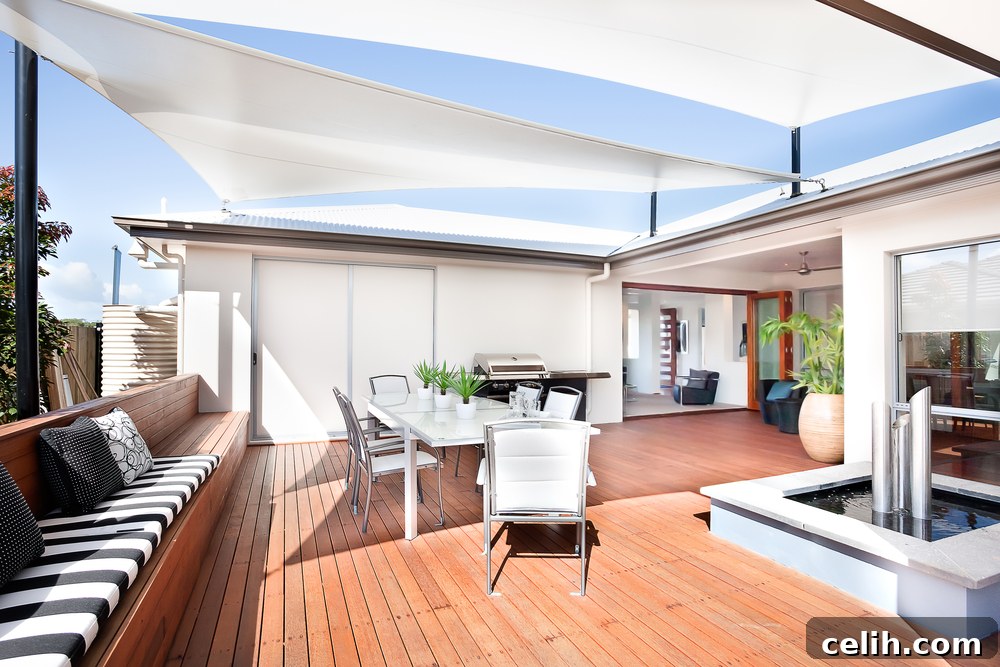
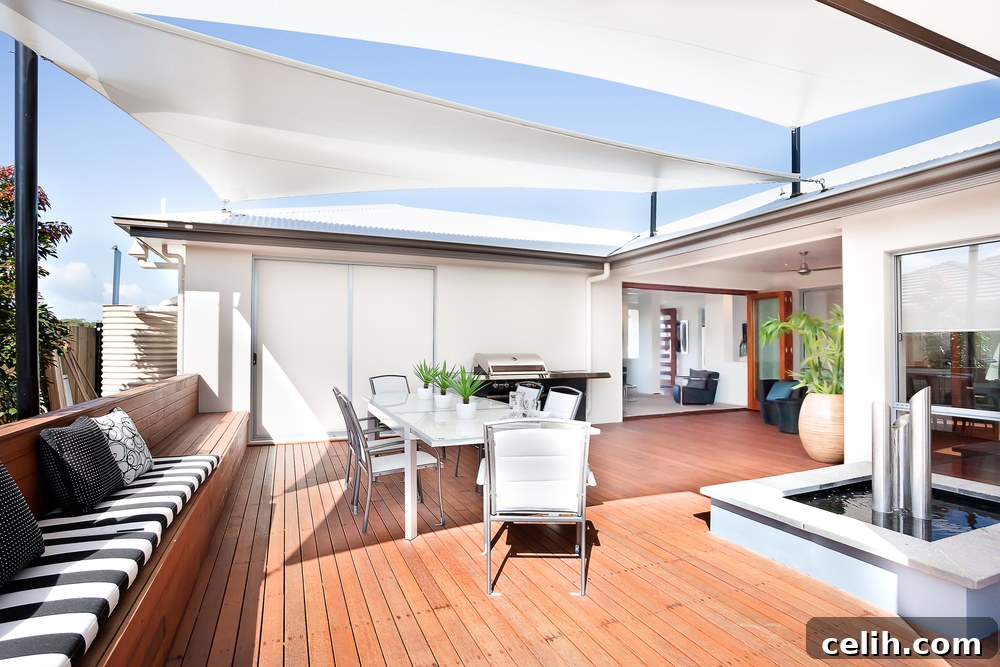
Imagine a home where the boundaries between inside and outside simply melt away, creating a harmonious extension of your living environment. An indoor-outdoor living space offers a unique blend of comfort, style, and natural beauty, elevating everyday living into an experience reminiscent of a luxurious retreat. While often perceived as an exclusive luxury reserved for exotic locales and lavish budgets, the truth is that creating your very own seamless indoor-outdoor haven is far more attainable than you might think.
This comprehensive guide will walk you through the essential steps and ingenious ideas to help you design and realize the perfect indoor-outdoor space for your home, allowing you to embrace the joy of alfresco living all year round. From initial planning to final touches, we’ll explore how to transform your home into a versatile sanctuary where nature and comfort coexist beautifully.
Defining Your Indoor-Outdoor Vision: Functionality and Features
Before embarking on any design project, clarity of vision is paramount. For an indoor-outdoor space, this means asking yourself two fundamental questions that will steer every subsequent decision.
Strategic Placement: Where Will Your Sanctuary Be?
The location of your indoor-outdoor space is a crucial determinant of its success. To foster maximum fluidity and integration, select a room that directly adjoins your garden, patio, deck, or balcony. This adjacency isn’t just about convenience; it inherently grants you a larger, more expansive area to design with, effectively extending your home’s footprint. Moreover, it allows you to capitalize on the existing natural décor that your outdoor landscape already provides, whether it’s lush greenery, vibrant flowers, or serene water features. Consider the orientation of the sun throughout the day and year, and how it will impact comfort and usability.
Popular choices for indoor-outdoor integration include:
- Kitchens: Seamlessly extend your culinary space to an outdoor dining or grilling area.
- Living Rooms: Create an expansive entertaining space that flows from your cozy interior to a relaxed outdoor lounge.
- Master Bedrooms: Design a private retreat that opens to a secluded garden or balcony, offering a serene start and end to your day.
- Sunrooms or Conservatories: These spaces are already designed to connect with the outdoors and can be further enhanced for ultimate fluidity.
Purpose-Driven Design: What Will Your Space Be Used For?
The intended function of your new combined space is equally vital. Envision how you want to live and interact within this expanded environment. This clarity will help you make informed choices regarding layout, furniture, and amenities.
- The Gourmet Hub: If it’s an extension of your kitchen, you might aim for a seamless kitchen-diner setup. Imagine preparing a meal indoors with ease, then carrying it just a few steps to a large outdoor dining table, perhaps complete with an outdoor kitchen area for grilling and entertaining. This design would focus on durable, easy-to-clean surfaces and efficient flow between cooking and serving areas.
- The Social Lounge: For a living room extension, the goal might be creating an expansive social hub. You’ll want to ensure all sensitive electronics remain safely indoors, while the outdoor portion provides a comfortable and inviting area for socializing, relaxation, and perhaps even an outdoor fireplace or fire pit for evening gatherings. Comfort, weather-resistant seating, and ambient lighting will be key.
- The Personal Retreat: Perhaps your vision is a quiet sanctuary for reading, meditation, or simply enjoying the tranquility of your garden. This space might prioritize comfortable lounge chairs, gentle lighting, and plants that enhance a sense of calm.
- Family Play Zone: For homes with children, an indoor-outdoor space can be a fantastic transition zone for play, allowing kids to move freely between supervised indoor activities and outdoor fun.
By answering these foundational questions, you give your project a focused direction, simplifying many of the subsequent design and material choices you’ll encounter.
The Gateway to Openness: Doors and Windows
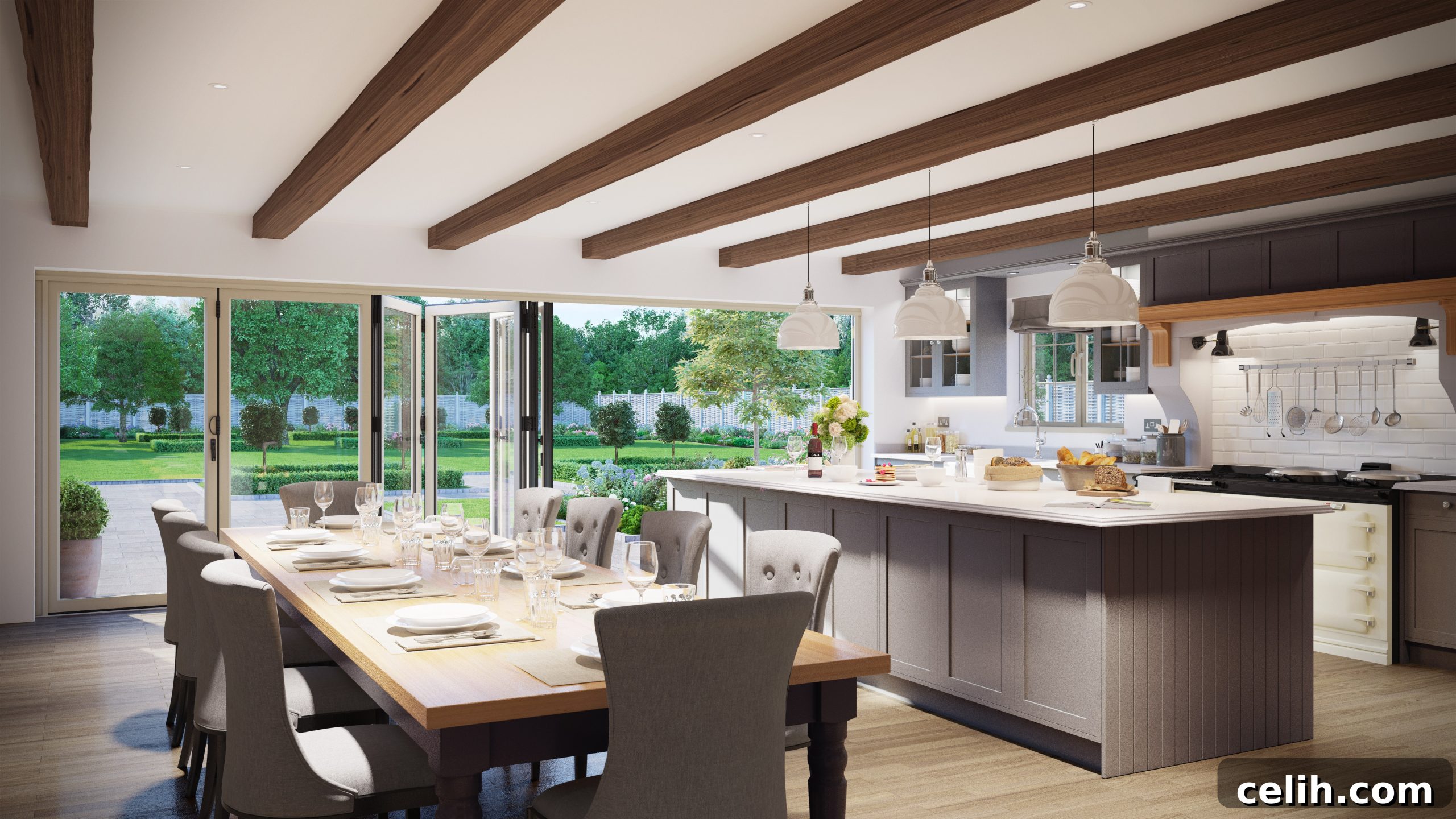
Doors and windows are more than mere entry points; they are the critical interface that dictates the perceived separation – or seamless integration – between your indoor and outdoor realms. To achieve a truly cohesive flow, the general rule of thumb is: the larger the opening, the better. Maximizing glass and minimizing solid wall reduces visual barriers, effectively dissolving the feeling of distinct separation between the two environments.
Maximizing Your Openings: Key Door Options
- Bi-Folding or Accordion Doors: Often considered the gold standard for indoor-outdoor living, these doors consist of multiple panels that fold neatly to one side, effectively “removing” an entire wall of your room. This creates an incredibly wide, uninterrupted opening that truly merges the two spaces. Available in various materials like aluminum, timber, or uPVC, bi-folding doors offer excellent insulation when closed and unparalleled openness when retracted. While they might represent a more significant investment, their dramatic impact and functionality are often worth it.
- Sliding Doors: A highly popular and versatile choice, modern sliding doors come in various configurations, including multi-panel and pocket designs. While they don’t offer a 100% open expanse like bi-folds (as one panel always remains stationary or slides over another), they provide expansive views and create a sleek, contemporary aesthetic. Pocket sliding doors, which disappear entirely into a wall cavity, offer an even more seamless transition, saving space and maximizing the open feeling.
- French Doors: For smaller openings or a more traditional aesthetic, French doors can be an elegant solution. They open outwards to create a charming portal to your outdoor space, offering significant natural light and a classic appeal. While not as expansive as bi-folds or large sliders, they still provide a lovely connection to the outdoors.
- Lift-and-Slide Doors: These sophisticated doors are designed for larger, heavier glass panels, often allowing for impressively wide openings. A special mechanism lifts the panel off its seals, allowing it to glide effortlessly. When closed, the panels create a strong, energy-efficient seal.
Innovative Window Solutions
Beyond doors, creative window choices can further enhance the indoor-outdoor connection:
- Corner Windows and Doors: If your room occupies a corner of your house, integrating corner windows or even corner bi-folding doors can create a truly breathtaking effect. By eliminating a solid corner post, these designs offer an uninterrupted panoramic view, making the interior room feel deeply embedded within the external landscape, even when the doors are closed.
- Large Picture Windows: Even if full wall openings aren’t feasible, strategically placed, oversized picture windows can flood your space with natural light and frame stunning outdoor views, bringing the outside in visually.
Remember to consider practical additions like integrated screens to keep insects out while enjoying the fresh air, and internal blinds or shades for privacy and sun control.
Harmonious Blending: Flooring and Design Cohesion
To truly achieve the illusion that your indoor and outdoor areas are a singular, expansive space, creating a cohesive design aesthetic across both environments is paramount. The most impactful way to achieve this continuity is through your choice of flooring.
Seamless Flooring Transitions
The goal is to eliminate visual breaks at the threshold. Ideally, opt for a flooring material that can be laid continuously from the interior to the exterior. This choice necessitates a material that is not only aesthetically pleasing but also rigorously weather-resistant, slip-resistant, and able to withstand UV exposure without fading or warping. Excellent choices include:
- Large-Format Porcelain Tiles: Many modern porcelain tiles are engineered for both indoor and outdoor use, often featuring a slight texture for slip resistance outside. They come in a vast array of finishes, mimicking natural stone, concrete, or even wood, allowing for versatile design possibilities.
- Natural Stone: Materials like travertine, slate, or bluestone can be stunningly effective, providing an organic, luxurious feel that works beautifully in both settings. Ensure the stone is properly sealed and suitable for outdoor climate conditions.
- Polished or Stamped Concrete: For a contemporary and durable solution, concrete can be finished in numerous ways – polished for a sleek interior look, or stamped and textured for a complementary exterior patio.
- Composite Decking: While traditional wood decking is primarily for outdoors, high-quality composite decking, with its consistent lines and range of colors, can create a fantastic sense of continuity when paired with complementary interior flooring, particularly if the lines run perpendicular to the house, drawing the eye outwards.
If using the exact same flooring isn’t feasible, strive for materials that complement each other in color, texture, and style. For instance, an interior wooden floor might be beautifully mirrored by an outdoor patio made of paving stones in a complementary tone and texture, or even a wood-look porcelain tile that visually extends the warmth of the interior. A flush threshold between the two areas is also critical for a smooth transition, both visually and physically.
Beyond Flooring: Decor and Greenery
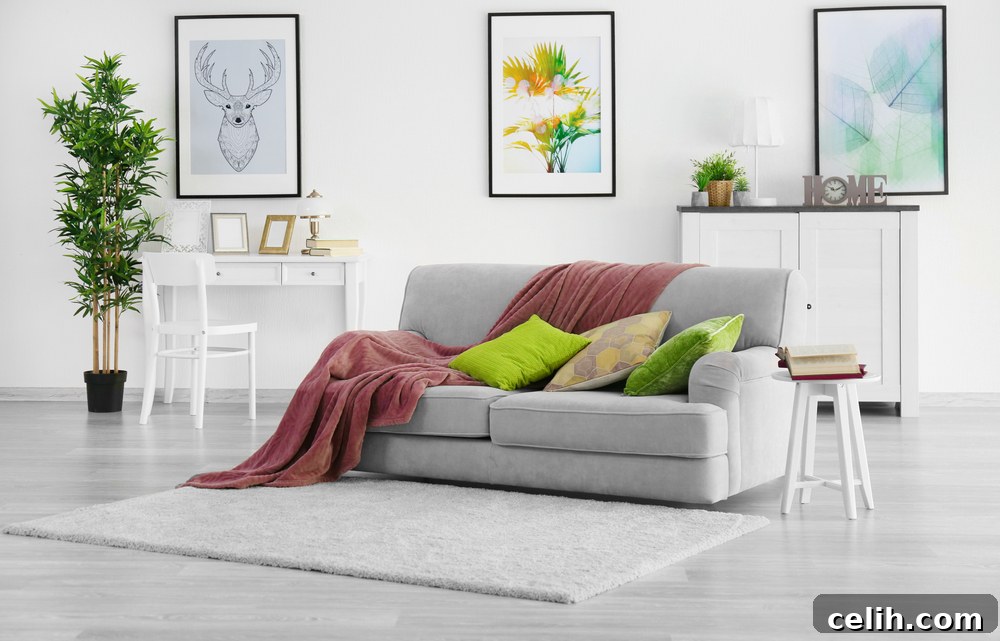
The principle of continuity extends to every aspect of your decor. Decorating both areas with a consistent style, color palette, furniture choices, and soft furnishings will reinforce the impression of a single, unified space:
- Cohesive Color Schemes: Use a base of neutral colors that flow from inside to out, then introduce accent colors that appear in both areas through cushions, planters, or artwork.
- Indoor-Outdoor Furniture: Invest in furniture designed to withstand the elements while offering the comfort and aesthetic appeal of indoor pieces. Materials like all-weather wicker, powder-coated aluminum, teak, and marine-grade fabrics blur the lines between interior and exterior seating.
- Soft Furnishings: Outdoor rugs, throw pillows, and blankets made from weather-resistant materials can add warmth and texture to your outdoor space, mirroring the coziness of your interior.
- Strategic Greenery: Plants are incredibly powerful tools for linking spaces. Use similar types of potted plants, varying in size, on both the inside and outside. This not only adds a touch of nature to your interior but also ensures that during colder months when doors and windows are closed, you still maintain the illusion of being connected to the lush outdoors. Consider vertical gardens or living walls for a dramatic effect.
Year-Round Enjoyment: Enhancing Usability and Comfort
Creating your dream indoor-outdoor space is only half the battle; ensuring it remains practical and enjoyable throughout the year, regardless of weather, is the ultimate goal. Thoughtful planning can help overcome the natural challenges the outdoors presents.
Overhead Protection: Defying the Elements
To maximize the usability of your outdoor extension, providing adequate overhead cover is essential. This protects against both scorching sun and unexpected rain showers, making your space functional come rain or shine.
- Solid Roof Extensions: A permanent roof structure that matches or complements your home’s architecture offers the most robust protection. This could be a traditional patio roof, a pergola with a solid cover, or an integrated part of a larger home extension.
- Retractable Awnings or Canopies: These offer flexibility, allowing you to enjoy open skies on pleasant days and deploy protection when needed. Motorized options with weather sensors provide ultimate convenience.
- Louvered Roof Systems: These innovative roofs feature adjustable slats that can be tilted to allow sun or shade, or closed completely to provide rain protection. They offer excellent control over the outdoor environment.
Temperature Control: Extending the Season
Don’t let cooler temperatures or excessive heat limit your outdoor enjoyment. Incorporate solutions to regulate the climate:
- Outdoor Heating: A specially designed fire pit, outdoor fireplace, or patio heaters (electric, propane, or natural gas) can provide a warm, inviting focal point for the outdoor space, extending its usability well into the cooler months. Fire pits also add an element of ambiance and encourage gathering.
- Outdoor Cooling: For warmer climates, outdoor fans, misters, or strategic planting of shade trees and pergolas can help keep the area comfortable.
Illumination: Setting the Mood and Functionality
Thoughtful lighting design is crucial for evening usability and creating the right atmosphere.
- Ambient Lighting: String lights, integrated LED strips in decking, or subtle wall sconces provide a gentle glow.
- Task Lighting: For outdoor kitchens or dining areas, more focused lighting ensures functionality.
- Accent Lighting: Uplighting plants, water features, or architectural elements adds depth and drama. Smart lighting systems can allow you to control mood and brightness with ease.
Privacy and Comfort Enhancements
- Privacy Screens: Lattice panels, decorative screens, or strategic planting can provide seclusion from neighbors while adding aesthetic appeal.
- Sound Systems: Outdoor-rated speakers allow you to enjoy music or podcasts, enhancing the overall experience.
- Outdoor Kitchens: Beyond just a grill, consider incorporating a sink, refrigerator, and storage to make outdoor entertaining truly effortless.
By carefully considering these elements, your indoor-outdoor living space will become a truly versatile and beloved extension of your home, offering comfort and enjoyment throughout every season.
This post is in association with Quickslide