
Elevate Your Outdoor Space: Choosing the Perfect Garden Shed for Style and Function
More than just a storage unit, a garden is an integral extension of your living space – a sanctuary where practicality seamlessly merges with aesthetic appeal. Every element, from the vibrant flower beds to the sturdy fences, contributes to the overall ambiance and character of your outdoor haven. Within this thoughtful design, the humble garden shed deserves far more consideration than a mere afterthought. Whether it’s destined to house potting tools, seasonal decorations, or simply to keep garden clutter discreetly out of sight, the right shed has the power to transform from a utilitarian structure into a defining architectural feature within your landscape.
Selecting a garden shed that truly complements your garden’s unique style goes beyond superficial choices like color or shape. It delves into more profound considerations: proportion, texture, and how effortlessly it integrates into its surroundings. A thoughtfully chosen shed can serve multiple roles – it can anchor a sprawling garden space, draw the eye as a captivating focal point, or subtly blend into the background, providing a serene backdrop for your garden’s natural beauty. The key lies in understanding your garden’s needs and aspirations, allowing the shed to enhance its inherent charm.
Functionality Takes Precedence: Designing for Purpose
Before you get swept away by appealing designs, it’s crucial to first define the primary purpose of your garden shed. This foundational step will dictate its optimal size, layout, and internal features. A modest collection of compost bags and a single lawn rake demands significantly less space than a workshop housing power tools, bicycles, bulky garden furniture, or a dedicated potting bench. Envision its internal life: will you require extensive shelving for small items, sturdy hooks for hanging tools, or ample floor space to move around comfortably and tackle projects? Getting the dimensions and internal configuration precisely right from the outset is paramount, preventing future frustrations such as outgrowing your shed too quickly or regretting the amount of garden space it occupies.
Beyond sheer volume, consider critical environmental factors. Proper ventilation is non-negotiable, especially if you plan to store items susceptible to dampness, mold, or extreme heat fluctuations like paint, fertilizers, or delicate fabrics. Even a few strategically placed louvered panels, a ridge vent, or functional operable windows can dramatically improve air circulation, preventing musty odors and protecting your stored items. Furthermore, access is key: doors should open wide enough to easily maneuver large equipment in and out, and the inclusion of natural light sources – whether through windows, skylights, or even translucent roof panels – can transform the interior from a dark cubby into a bright, inviting, and truly functional workspace, making it feel more like an outdoor room rather than just a utilitarian box. Once these practical needs are met, you can then focus on ensuring it is visually harmonious with your garden.
Exploring Shed Styles: Harmony and Character in Your Garden
Garden sheds have undergone a remarkable evolution, moving far beyond the simple, boxy structures often relegated to obscure back corners. Today’s market offers a breathtaking array of styles, each designed to either subtly integrate into the background or proudly stand as an intentional design statement. For those meticulously searching for storage sheds for sale with a keen eye for aesthetics, the sheer variety is striking – from the sleek, minimalist lines of modern architectural builds to the timeless charm of traditional pitched-roof cottages and classic barn styles. This diverse selection ensures there’s a shed to complement every garden theme and personal taste.
To cultivate a cohesive look, consider mirroring your garden’s existing aesthetic. A shed featuring rustic timber siding, a gabled roof, and perhaps even a charming porch detail would perfectly suit a sprawling, naturalistic garden or a cozy cottage-style landscape bursting with blooms. Conversely, for a meticulously sculpted, contemporary, or urban garden space, opt for minimalist designs characterized by flat or low-pitched roofs, clean vertical or horizontal slats, and a palette of muted, sophisticated tones. Thoughtful painted finishes in colors such as calming sage green, sophisticated charcoal, soft cream, or deep slate blue can elegantly echo nearby planting schemes, garden furniture, or even the subtle hues found in natural stone pathways.
Always view the shed as an integral part of the garden’s broader composition, not an isolated entity. Draw inspiration from the materials and textures already present in your outdoor space – perhaps the rich texture of brick paths, the subtle sparkle of gravel borders, or the intricate patterns of metal gates. By repeating these elements, even in subtle ways, on or around the shed, you create a powerful sense of visual unity and intention. When materials, colors, and architectural lines are in perfect sync, even the simplest structure elevates the entire garden, feeling thoughtfully integrated rather than merely appended.
Material Matters: Durability, Aesthetics, and Maintenance
The choice of material for your garden shed is a critical decision, influencing not only its initial appearance but also its long-term durability, required maintenance, and how it performs against the elements. Wood remains the quintessential choice, and for excellent reasons. Its natural warmth and organic texture allow it to weather beautifully, developing a rich patina over time. Wood readily accepts paint and stain, offering endless customization possibilities, and its inherent charm suits virtually any garden style, from rustic to formal. Cladding options like tongue-and-groove, shiplap, or board-and-batten siding add captivating depth and texture, enhancing the design without overcomplicating it. However, wood does require ongoing maintenance, such as sealing, painting, or staining, to protect it from rot, insects, and UV damage.
Metal sheds, typically constructed from galvanized steel or aluminum, are renowned for their low maintenance requirements and exceptional resistance to pests and fire. While incredibly practical and durable, they can sometimes appear stark or industrial in softer, more naturalistic landscapes. To mitigate this, metal sheds often benefit from creative landscaping – think climbing vines trained on a trellis, strategically placed surrounding shrubs, or a vibrant flower bed at the base to soften their edges and integrate them more harmoniously into the garden. Insulation can also be added to metal sheds to manage internal temperatures, a consideration particularly important if storing sensitive items or using the shed as a workspace.
Composite materials, often a blend of wood fibers and recycled plastics, have gained significant traction as a low-maintenance alternative. Many composite sheds are engineered to mimic the visual appeal of wood without the demanding upkeep, offering resistance to rot, insects, and warping. However, the quality and aesthetic fidelity of composite materials can vary widely. The most desirable versions feature crisp lines, authentic textures, and subdued finishes that successfully avoid a plastic-like or artificial appearance. When making your material selection, aim for a choice that not only aligns with the desired mood of your garden but also matches the level of maintenance commitment you’re willing to invest, ensuring enduring beauty and functionality.
Color, Customization, and Character: Making Your Shed Truly Your Own
The finishing touches and personal details are what truly elevate a garden shed from a simple structure to an integral part of your garden’s narrative. Through judicious color choices and thoughtful customization, a shed can either subtly recede into the background, providing a harmonious backdrop, or emerge as a delightful highlight, injecting personality and charm into your outdoor space. Earthy tones like moss green, deep charcoal, or warm clay integrate effortlessly with natural planting schemes, creating a sense of calm and continuity. Conversely, colors such as crisp off-white, serene slate blue, or vibrant warm ochre can introduce a striking contrast, adding visual interest without clashing with the surrounding environment.
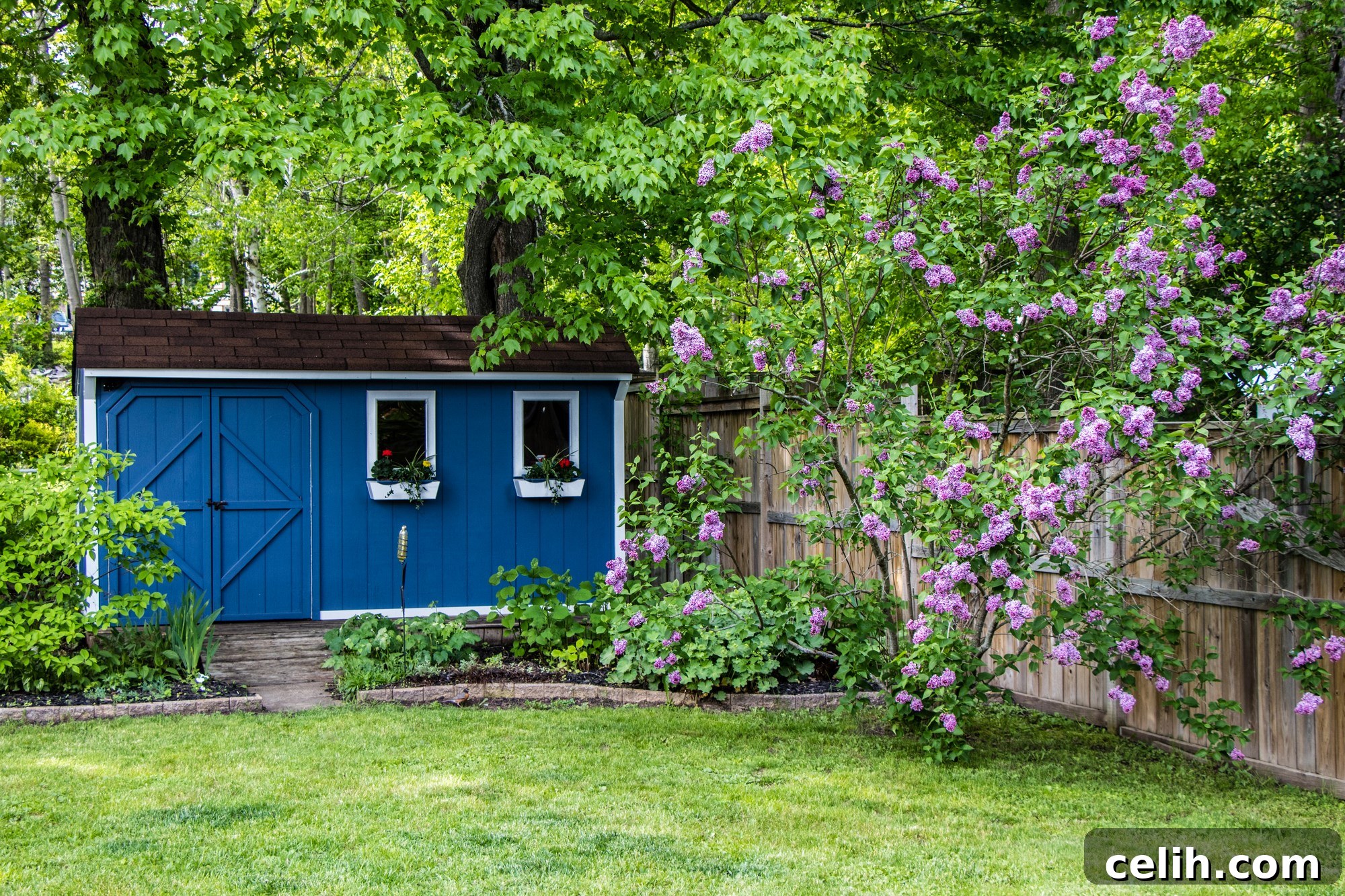
It’s often the small, meticulously chosen details that have the most profound impact, lending your shed its unique character. Consider a contrasting door color to draw the eye, vintage-style hardware for a touch of timeless elegance, or even a cedar-shingled overhang that adds architectural refinement. Beyond the structure itself, think about its immediate surroundings: a gently curving gravel path leading to the entrance, a pair of elegantly clipped bay trees flanking the doorway, charming window boxes bursting with seasonal color, or an inviting outdoor sconce for evening ambiance. Suddenly, the structure feels deeply woven into the design fabric of your garden, rather than merely something to conceal.
Roofing materials also play a significant role in defining the shed’s aesthetic and how it settles into its environment. Options range from classic felt or asphalt shingles to more distinctive choices like cedar shakes, which offer a rustic, natural appeal, or even innovative living roofs that are planted with sedum or wildflowers, blurring the lines between architecture and nature. For further inspiration on integrating structural features into a cohesive garden aesthetic, the Royal Horticultural Society’s garden themes guide provides invaluable insights, helping you to create a truly harmonious and personalized outdoor space.
Strategic Placement: Siting Your Shed for Maximum Impact
The placement of your garden shed is far more than a practical decision; it profoundly influences the functionality, flow, and overall visual harmony of your entire garden. Positioning it too far into an obscure corner might cause it to vanish from sight, negating its potential as a design element. Conversely, placing it directly in the center of an open space could make it overpower the area, disrupting the visual balance. It’s essential to evaluate your garden’s layout from multiple perspectives: from your patio seating, through the kitchen window, along the main garden paths, and even from inside your home. Consider how the shed alters these views and contributes to the garden’s narrative.
Sunlight exposure is another crucial factor. A shed with a south-facing orientation will naturally receive more direct sunlight, making its interior brighter and warmer – a significant advantage if you intend to use it as a potting shed, workshop, or even an occasional outdoor office. If your goal is to help the shed blend seamlessly into the landscape, partial screening can be highly effective. This can be achieved with strategic planting of tall ornamental grasses, a cluster of complementary shrubs, or even a painted trellis adorned with climbing plants. These elements soften the shed’s architectural edges without completely obscuring its presence.
Furthermore, consider the concept of visual rhythm and balance within your garden design. A shed purposefully placed in alignment with an existing tree, a garden gate, a hedge row, or a garden wall can create a powerful sense of order and structure. It can serve as a visual anchor, grounding the space and enhancing the overall composition. It’s not merely about finding an available spot; it’s about establishing the right relationship between the shed and every other element in your garden, ensuring it contributes positively to the aesthetic and functional experience of your outdoor haven. Always check local zoning regulations and potential permitting requirements before committing to a final placement, as these can vary significantly.
Where to Discover Stylish and Enduring Storage Solutions
Finding a garden shed that combines exceptional aesthetics with robust functionality is entirely achievable when you know what to prioritize. The discerning eye should focus on build quality, appropriate proportion, and flexibility in design rather than being swayed by superficial bells and whistles. Seek out sheds constructed with solid framing, ensuring stability and longevity. Look for customizable details, from window styles and door types to roof pitches and siding options, which allow for a truly tailored look. Most importantly, choose materials that are proven to withstand local weather conditions, promising resilience without showing premature signs of wear and tear after just a single season.
Reputable timber builders, especially those specializing in garden structures, often provide a wider range of thoughtful designs. Their expertise frequently extends to nuanced details like door profiles, window placements, and roof pitches that can elegantly echo the architectural lines of your main home. These subtle but significant design choices are what make a shed feel harmoniously cohesive with your property, rather than appearing as an afterthought or a “tacked-on” addition. They understand that a shed can be a miniature piece of architecture in its own right.
Embrace small architectural touches that make a substantial difference: vertical cladding can create an illusion of height, offset windows add a modern asymmetrical flair, and painted trims provide a crisp, finished look. These elements are particularly impactful when inspired by design-forward shed concepts that masterfully strike a balance between compelling visual interest and practical utility. Whether you opt for a ready-made kit, a semi-custom design, or a fully bespoke build, investing in quality craftsmanship and design will ensure your shed is a lasting asset that enhances your garden for years to come.
Conclusion: The Enduring Charm of a Well-Chosen Shed
A garden storage shed need not be confined to a purely practical existence. With the right blend of thoughtful style, durable materials, and strategic placement, it possesses the remarkable ability to profoundly shape the entire atmosphere and functionality of your garden. Far from being a mere container for tools, a well-conceived shed can inject unique character, improve the visual flow of your outdoor space, and ultimately create a more enjoyable and inviting environment in which to spend time. Whether your personal aesthetic leans towards rustic, time-honored charm or the sleek, clean lines of modern simplicity, the finest sheds – like those you might find at reputable suppliers such as Sheds Galore – accomplish much more than merely holding your gardening essentials. They actively contribute to defining the essence and beauty of the space around them.
By approaching your shed selection with careful consideration, focusing on how it integrates both practically and aesthetically, you can transform it into one of those rare garden features that delivers on both utility and genuine beauty. Choose thoughtfully, and your garden shed will stand as a testament to considered design, enhancing your outdoor living experience for many seasons to come.