
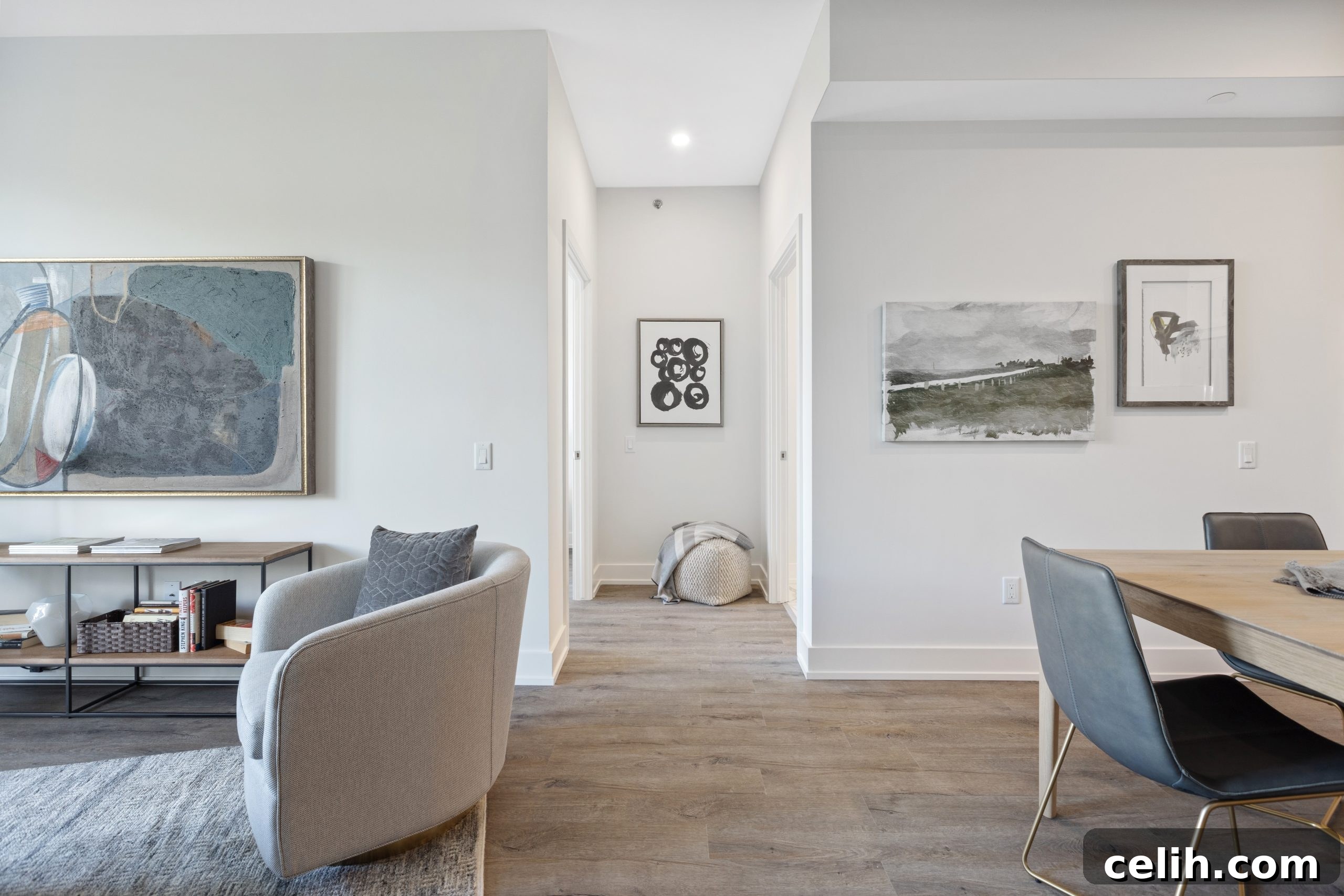
Embracing minimalism in modern home decor is more than just a fleeting trend; it’s a conscious philosophy centered on the principle of “less is more.” This intentional approach aims to create living spaces that not only exude profound tranquillity and understated sophistication but also foster a sense of calm and clarity. The core essence of achieving this highly sought-after aesthetic lies in a deliberate streamlining of design elements, a rigorous elimination of the superfluous, and the careful curation of an environment that feels both refined and utterly serene.
Through the strategic selection of sleek, uncluttered furnishings, the thoughtful incorporation of clean, defined lines, and the masterful optimization of natural light, minimalism elegantly accentuates the intrinsic beauty of simplicity. Even a sophisticated addition like a bioethanol fireplace, chosen for its sleek design and clean-burning properties, can seamlessly integrate into this style. This design ethos celebrates expansive open spaces and judiciously chosen, often hidden, decor, allowing each individual element to command attention and stand out purely for its inherent form and understated elegance.
Crucially, embracing minimalism does not equate to sacrificing comfort or warmth. Instead, it places a profound emphasis on functionality and purpose in every facet of interior design. This holistic approach ensures that the resulting spaces are not only visually captivating and aesthetically pleasing but also remarkably practical, highly efficient, and deeply inviting for everyday living. It’s about designing a home that serves your needs, reduces visual noise, and promotes a sense of well-being.
The Foundation of Tranquillity: Decluttering and Simplifying Your Space
At the very core of minimalist home decor lies the indispensable practice of decluttering and simplifying spaces. This isn’t merely tidying up; it’s a foundational principle that profoundly impacts the atmosphere and functionality of your home. It involves a meticulous process of carefully curating belongings, thoughtfully removing items that no longer serve a purpose or bring joy, and organizing what remains with a clear sense of intention and purpose. By consciously reducing visual distractions and embracing the elegance of clean, unobstructed lines, decluttering instantly creates a more serene, orderly, and harmonious environment.
Implementing effective storage solutions is paramount in maintaining a truly minimalist aesthetic. The goal is to keep items neatly out of sight, preventing visual chaos and ensuring that every object has a designated home. This includes utilizing built-in cabinetry, elegant storage ottomans, discreet shelving units, and even clever under-bed storage. Furthermore, the concept of decluttering extends far beyond just physical possessions; it encompasses a mindful approach to decor choices. Avoiding the temptation to over-accessorize is crucial, as too many decorative elements can quickly overwhelm a minimalist setting and detract from its inherent calm. By wholeheartedly embracing this fundamental practice, you set the stage for a minimalist home that actively promotes a profound sense of calm, reduces stress, and invites relaxation, allowing the pure, unadulterated beauty of simplicity to shine through in every corner.
Cultivating Calm: Neutral Colour Palettes and Monochromatic Schemes
The strategic use of neutral colour palettes and sophisticated monochromatic schemes is instrumental in forging a pervasive sense of serenity and harmony within minimalist home decor. In these spaces, gentle shades of white, soft beige, various tones of grey, and other muted hues predominantly define the colour spectrum, providing an effortlessly clean, timeless, and versatile backdrop. These understated colours act as a canvas, allowing the architectural features, carefully selected furnishings, and subtle decorative elements to truly stand out without competing for attention.
Monochromatic colour schemes, which expertly feature varying shades, tints, and tones of a single chosen colour, are particularly effective. They add remarkable depth, intricate layering, and a sophisticated elegance to the space without introducing visual clutter or excessive contrast. These subdued hues ensure that the primary focus remains squarely on the inherent beauty of the home’s architecture, the tactile quality of the furnishings, and the thoughtful curation of every decor piece. Moreover, the inherent lightness and openness of neutral colours work wonders in visually expanding a room, making even smaller spaces appear significantly more spacious, airy, and inviting. This psychological effect contributes immensely to the overall sense of calm and expansive living. The inherent versatility of these colour choices also provides a perfect blank canvas, allowing you the freedom to introduce subtle accent colours through meticulously selected decor elements—perhaps a vibrant throw pillow, a unique piece of art, or a collection of elegant ceramic vases. These carefully placed pops of interest enhance the aesthetic without ever overwhelming the core minimalist principle of understated beauty.
Smart Living: Functional and Multi-Purpose Furniture for Minimalist Homes
In the realm of minimalist home decor, functional and multi-purpose furniture pieces are not just practical additions; they are indispensable elements that seamlessly blend form with exceptional utility. The fundamental principle guiding furniture selection is that each piece must serve a clear and deliberate purpose, thereby eliminating the need for excessive items that can swiftly clutter a space and detract from its intended simplicity. Minimalist furniture is inherently characterized by its clean lines, uncluttered silhouettes, and simple, elegant designs, ensuring that every item effortlessly complements the overarching aesthetic of the home.
Multi-functional pieces are particularly celebrated for their ability to optimize space and significantly enhance practicality, especially in compact living areas. Consider the versatility of storage ottomans that provide both seating and hidden compartments, or convertible sofas that transition from comfortable seating to guest beds. Beds with built-in drawers, modular shelving units that can be reconfigured, and extendable dining tables are all prime examples of how smart design maximizes usability. The integration of furniture with cleverly built-in storage solutions is another key strategy, actively promoting an organized, tidy, and perpetually clutter-free environment. This thoughtful combination of aesthetic appeal and profound utility in minimalist furniture designs cultivates an environment that champions efficiency, ensures ease of movement throughout the home, and ultimately elevates both the overall functionality and the enduring visual appeal of your living space.
Illuminating Simplicity: Maximizing Natural Light and Open Spaces
A hallmark of truly minimalist interior design is the profound emphasis on maximizing natural light and cultivating an open, airy environment. This approach is not merely about aesthetics; it profoundly impacts mood, well-being, and the perceived size of a space. Designers meticulously plan layouts to allow an abundance of sunlight to permeate every room, reducing the need for artificial lighting during the day and creating a vibrant, inviting atmosphere. Large windows, glass doors, and open-plan concepts are central to this philosophy, breaking down physical barriers and fostering a seamless flow between different areas of the home.
To enhance this effect, window treatments in minimalist homes are often kept to a bare minimum, or entirely omitted. When necessary, simple, unobtrusive options like sheer blinds, roller shades, or lightweight linen curtains in neutral tones are preferred, ensuring they don’t obstruct the natural light or visual flow. Reflective surfaces, such as strategically placed mirrors, polished concrete floors, or glossy finishes on furniture, are also employed to bounce light around the room, making it feel even more expansive and bright. The absence of heavy drapes and excessive furniture allows natural light to diffuse evenly, creating soft shadows and highlights that add depth and character without introducing visual noise. This dedication to natural light and open spaces not only brightens the home but also connects its inhabitants more deeply with the outdoors, promoting a sense of calm and expansiveness that is fundamental to the minimalist ethos.
The Art of Subtlety: Emphasizing Texture and Natural Materials
When the colour palette is intentionally muted in minimalist design, texture and natural materials rise to prominence, becoming the primary means of adding warmth, interest, and character to a space. Far from being stark or cold, a minimalist home can feel incredibly rich and inviting through a thoughtful interplay of various tactile elements. These materials introduce a sensory dimension, engaging touch and sight in a way that vibrant colours might otherwise achieve, but with an inherent understated elegance.
Consider the varied textures of wood—from smooth, finely sanded finishes on furniture to the raw, rugged grain of reclaimed timber beams. Stone, whether in the form of polished marble countertops or rough-hewn slate tiles, introduces an organic, grounding element. Concrete, often seen in flooring or accent walls, offers a cool, industrial texture that beautifully contrasts with softer elements. Textiles play a crucial role, too: the crisp feel of linen upholstery, the cozy warmth of a chunky wool throw, the soft drape of cotton curtains, or the subtle variations in a ceramic vase all contribute to a layered sensory experience. These natural materials not only add visual depth but also bring an authentic, organic feel to the interior. They often possess unique imperfections and subtle variations that celebrate craftsmanship and the beauty of the natural world, reinforcing the minimalist ideal of quality over quantity. By focusing on a diverse range of textures and materials, a minimalist space avoids monotony, becoming a sanctuary of tactile beauty and quiet sophistication.
Intentional Adornment: Mindful Accessorizing and Art in Minimalist Design
In minimalist home decor, accessorizing is elevated to an art form centered around intention and impact. Unlike conventional decorating, where multiple pieces might fill shelves and walls, the minimalist approach dictates that each decorative item must earn its place. This means every accessory, every piece of art, and every plant is chosen with purpose, either for its inherent beauty, its functional contribution, or its ability to evoke a specific emotion or memory. This careful curation prevents visual clutter and ensures that each selected item can truly shine and contribute meaningfully to the overall aesthetic.
When it comes to art, minimalist spaces often favor pieces that are striking yet not overwhelming. Large-scale abstract art with simple lines or muted tones can serve as a powerful focal point, drawing the eye without introducing excessive detail. Photography, particularly black and white or sepia-toned images, can also add a sophisticated touch. The placement of art is critical; often, a single, significant piece on a vast wall is preferred over a busy gallery wall, reinforcing the sense of calm and spaciousness. Similarly, plants are not merely fillers but living sculptures that bring organic shapes, natural textures, and a refreshing pop of green to the neutral palette. A single, well-chosen architectural plant like a Fiddle Leaf Fig or a Snake Plant can dramatically enhance a room’s aesthetic. Small, carefully selected sculptural objects, unique pottery, or a stack of aesthetically pleasing books can also add personality without disrupting the minimalist harmony. The key is restraint and thoughtful consideration, ensuring that every accessory enhances the peaceful, uncluttered atmosphere rather than detracting from it.
The Enduring Appeal: Embracing a Minimalist Lifestyle
Ultimately, embracing minimalist home decor extends beyond mere aesthetics; it’s an invitation to adopt a more intentional and mindful way of living. It challenges the conventional consumerist mindset, encouraging us to invest in quality over quantity, purpose over possession, and lasting value over fleeting trends. The benefits of this approach resonate deeply within daily life, contributing to enhanced mental clarity, reduced stress, and an improved sense of overall well-being. A home free from unnecessary clutter and visual noise becomes a sanctuary where one can truly relax, focus, and feel rejuvenated.
Far from being cold, sterile, or boring, a well-executed minimalist interior is warm, inviting, and deeply personal. Its beauty lies in its simplicity, its functionality, and its timeless appeal. By focusing on decluttering, utilizing neutral palettes, choosing functional furniture, maximizing natural light, and carefully curating textures and accessories, homeowners can create spaces that are not only visually stunning but also profoundly practical and conducive to a peaceful existence. Minimalism is a powerful design philosophy that empowers individuals to craft environments that genuinely reflect their values, promote tranquility, and support a life lived with purpose and elegance.