
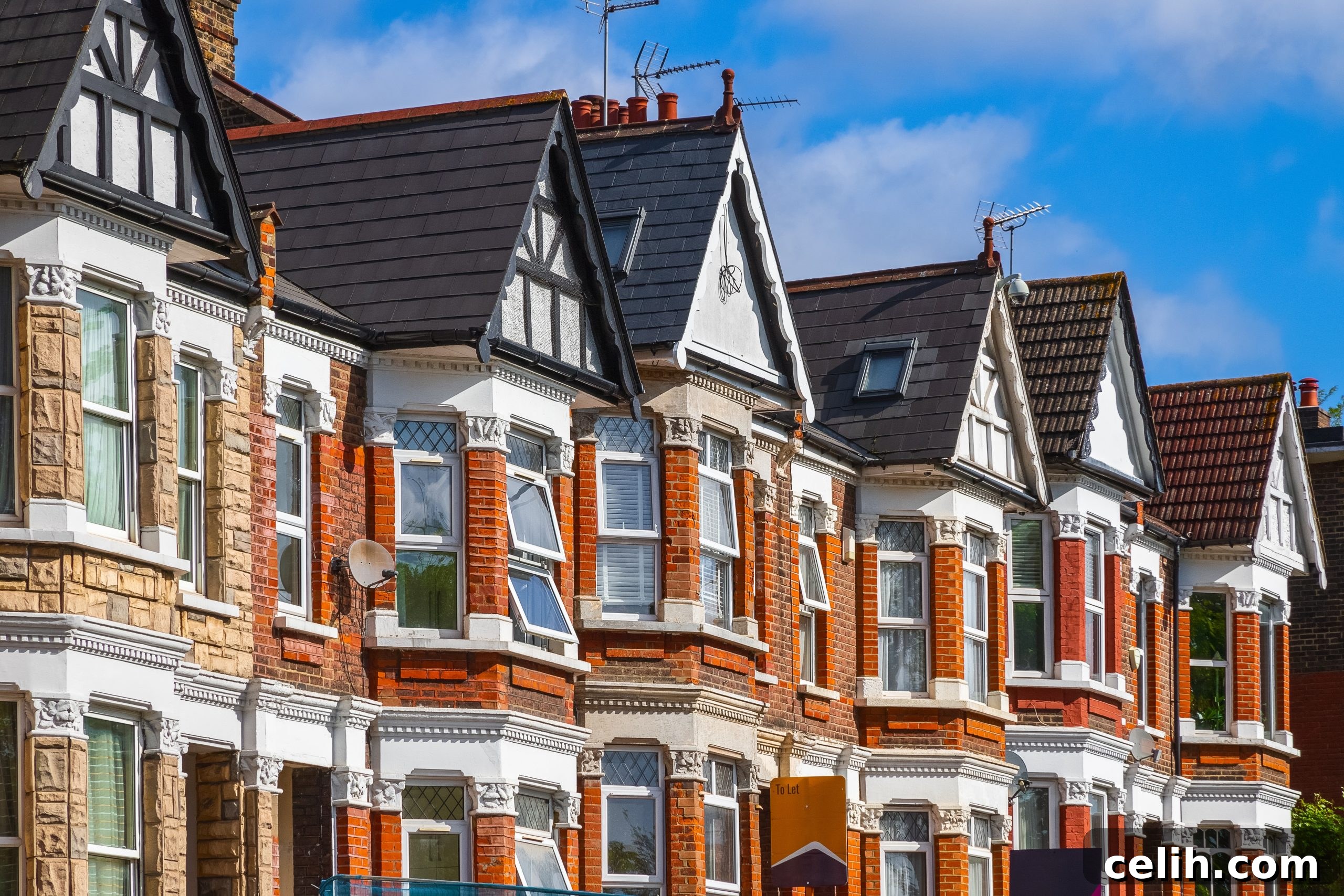
In the dynamic world of real estate, the timeless axiom “location, location, location” isn’t just a catchy phrase; it’s a foundational truth that profoundly shapes property values and investment potential. The geographical placement of a property acts as a master key, unlocking or limiting its current market appeal, its future appreciation trajectory, and the overall quality of life it promises. Understanding this intricate relationship is paramount for anyone navigating the real estate market, from first-time homebuyers to seasoned investors. This comprehensive guide will explore the multifaceted factors that elevate certain locales above others, detailing why a thorough assessment of location is the single most critical step in making sound real estate decisions.
The Indispensable Role of Essential Infrastructure and Connectivity
The proximity of a property to vital infrastructure is a primary determinant of its market value and desirability. Areas boasting superior connectivity to major transportation networks — including highways, public transit hubs like subway or train stations, and international airports — consistently command premium pricing. This convenience translates directly into reduced commute times, easier access to employment centers, and seamless travel for leisure or business, significantly enhancing a property’s appeal. Consider, for instance, how a new subway line or a highway expansion project can instantly transform a previously less accessible neighborhood into a highly sought-after location, driving demand and property values upwards.
Beyond transportation, access to other essential facilities plays an equally crucial role. Properties situated near top-rated educational institutions, from reputable primary schools to esteemed universities, naturally attract families and students, creating sustained demand. Similarly, easy access to high-quality medical facilities, including hospitals, specialized clinics, and urgent care centers, provides residents with peace of mind and often becomes a non-negotiable factor for many buyers, particularly those with families or aging loved ones. Furthermore, proximity to diverse shopping centers, grocery stores, and essential services adds unparalleled convenience to daily life, making these locations highly desirable and, consequently, more valuable in the competitive real estate market.
Elevating Value Through Neighbourhood Amenities and Livability
The overall quality of life a neighborhood offers directly correlates with its property values. Desirable communities are often characterized by a rich tapestry of amenities that contribute to a vibrant, engaging, and enriching lifestyle. This includes abundant green spaces such as well-maintained parks, community gardens, and nature trails that offer opportunities for recreation, relaxation, and connection with nature. Recreational facilities like sports complexes, gyms, community centers, and swimming pools also add significant value by promoting health, wellness, and social interaction among residents.
Moreover, the presence of diverse cultural attractions – museums, art galleries, theaters, and concert venues – alongside a thriving culinary scene with various restaurants, cafes, and entertainment options, can transform a neighborhood into a cultural hotspot, attracting a sophisticated demographic willing to pay a premium for such a lifestyle. Beyond these tangible assets, intangible qualities such as safety, cleanliness, and a strong sense of community cohesion are equally vital. Neighborhoods with low crime rates, well-maintained public spaces, and active community associations foster a sense of belonging and security, profoundly enhancing the intrinsic worth of the real estate within, making them highly coveted by discerning homeowners and investors.
Economic Vibrancy and Sustained Job Opportunities
The economic health and vitality of a region exert an undeniable influence on its property values. Thriving economies, characterized by robust job growth, diverse industries, and low unemployment rates, act as powerful magnets, drawing new residents seeking employment and upward mobility. This influx of people directly translates into increased demand for housing across all segments of the market, from rentals to purchases, pushing property prices upwards. Areas that host major employers, innovative tech hubs, or established industries with strong growth prospects tend to experience sustained real estate appreciation. The presence of these economic anchors provides stability and confidence, reassuring both residents and investors about the long-term prospects of the area.
Conversely, regions grappling with economic stagnation, declining industries, or high unemployment often face subdued demand for housing, leading to more modest or even depreciating real estate valuations. Investors meticulously analyze economic indicators such as GDP growth, income levels, and industry diversification when evaluating potential property locations. A resilient and diverse local economy not only ensures a steady stream of potential tenants or buyers but also supports a strong local business environment, further enhancing the overall attractiveness and value of properties in the area. This symbiotic relationship between economic prosperity and real estate health underscores why a robust job market is a cornerstone of valuable property locations.
The Allure of Scenic Beauty and Favorable Environmental Factors
Beyond urban conveniences and economic indicators, the intrinsic beauty of a location and its environmental quality significantly contribute to property appeal and price. As highlighted by professionals from The Volen Group, Keller Williams Luxury International, stunning natural landscapes and picturesque views impart an unparalleled allure that resonates deeply with discerning buyers. Properties offering breathtaking coastal vistas, serene lakeside settings, majestic mountain backdrops, or lush green spaces often command premium prices. These locations not only provide aesthetic pleasure but also offer direct access to a myriad of recreational activities such as hiking, boating, skiing, or beachcombing, enhancing the quality of life immeasurably.
Moreover, environmental factors such as clean air and water quality, minimal noise pollution, and access to sustainable practices are increasingly becoming critical considerations for modern homebuyers. A healthy, unpolluted environment fosters better living conditions, contributing to the well-being and longevity of residents. Communities actively investing in green initiatives, preserving natural habitats, and mitigating environmental risks are often viewed as more desirable and forward-thinking. While the aesthetic appeal is clear, buyers are also increasingly aware of potential environmental hazards like flood zones or wildfire risks, demonstrating a holistic consideration of how the natural surroundings impact both lifestyle and long-term property security. The harmonious integration of natural beauty with environmental stewardship creates a unique value proposition that is highly coveted in today’s real estate market.
Understanding Supply and Demand Dynamics: The Core of Market Value
At the heart of real estate valuation lies the fundamental economic principle of supply and demand. In areas where the supply of available housing is limited, yet demand remains exceptionally high, a competitive seller’s market typically emerges. This often leads to bidding wars, rapid price escalation, and properties selling above their asking price. Factors influencing supply include land availability, stringent zoning regulations, high construction costs, and government policies that either restrict or encourage new development. Conversely, regions experiencing an oversupply of properties relative to demand create a buyer’s market, where sellers may face tougher competition, longer listing periods, and potentially have to accept lower offers to finalize a sale.
The ongoing global trend of urbanization has profoundly reshaped real estate dynamics in countless cities worldwide, as highlighted by reports like the Global Real Estate Market Report 2022. As populations increasingly gravitate towards urban centers for job opportunities, diverse amenities, and a vibrant lifestyle, demand for urban housing intensifies, putting immense pressure on existing inventory. This phenomenon often leads to gentrification, a process involving the renovation and improvement of older, often overlooked neighborhoods. As these areas undergo revitalization, they attract a new wave of residents, businesses, and investments, leading to a surge in property values. While gentrification can bring economic benefits and improved infrastructure, it also often results in escalating housing costs, which can displace long-term residents. Understanding these intricate supply and demand forces, coupled with broader demographic and economic shifts, is crucial for predicting market trends and making informed real estate investment decisions.
Future Growth Potential and Strategic Investment Considerations
For investors and homeowners alike, evaluating a location’s future growth potential is as crucial as assessing its current attributes. This involves looking beyond today’s market conditions to anticipate future developments that could significantly impact property values. Key indicators include upcoming infrastructure projects, such as new transportation links, schools, or hospitals, which promise to enhance connectivity and livability. Proposed commercial developments, like new business parks or retail complexes, signal future job growth and economic vitality, further bolstering demand for housing.
Demographic trends also play a pivotal role; understanding population shifts, such as an influx of young professionals or an aging population, helps predict future housing needs and preferences. Furthermore, government policies, including zoning changes, tax incentives, or urban planning initiatives, can either stimulate or restrict growth, directly influencing property supply and demand. A strategic buyer analyzes these factors, seeking locations poised for sustained appreciation due to planned enhancements and positive demographic shifts. This forward-looking approach to location assessment transforms real estate from a simple purchase into a powerful long-term investment strategy.
As the real estate landscape continues its evolution, an unwavering focus on the profound impact of location remains the absolute cornerstone of successful property investments. It guides stakeholders towards not only securing the finest homes but also unlocking the most lucrative and sustainable deals available in the market. Every decision, from a modest first home to a significant portfolio expansion, hinges on this fundamental principle: where a property is situated dictates its destiny and its ultimate value.