
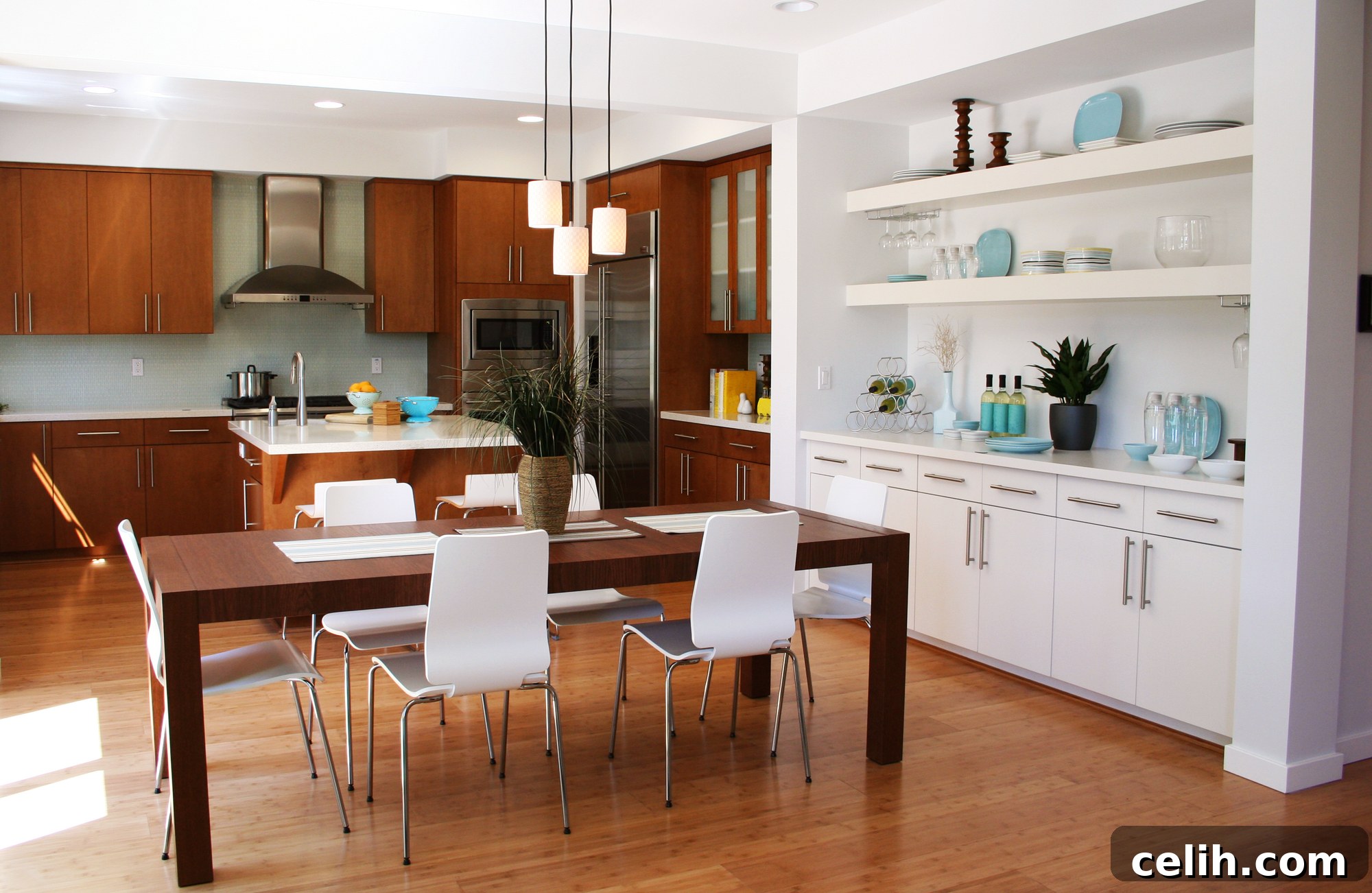
Does the timeless beauty of your wood floors appear worn, dull, or scratched? Instead of immediately considering a costly and disruptive replacement, often the most effective and economical solution is professional refinishing. Many homeowners ponder: “What is the typical duration required to refinish my hardwood floors, and how long can I expect my hardwood flooring to last before a complete replacement becomes inevitable?”
These are incredibly common and vital questions for anyone investing in or living with hardwood floors. While there are numerous variables that influence the answers, we aim to simplify this complex topic for you. Essentially, the inherent wood material of your floor possesses the potential to endure for generations, even a lifetime. However, its aesthetic appeal—that beautiful sheen, consistent gloss, and protective polish—will gradually diminish over time due to daily wear and tear. Engaging expert services, such as those provided by Eko Flooring, can significantly extend the life of your floor’s beauty and integrity, postponing major complications for many years.
The Enduring Appeal: How Long Does Hardwood Flooring Really Last?
The longevity of hardwood flooring is one of its most compelling attributes, a testament to its value as a long-term investment. Solid hardwood flooring, when properly cared for, can remarkably last anywhere from 30 to 100 years, or even well over a century, gracing multiple generations of homeowners. Engineered hardwood flooring, while constructed differently, also offers substantial durability, typically lasting at least 20 to 30 years, often exceeding this range with diligent maintenance.
The ultimate lifespan of both solid and engineered hardwood floors is determined by a confluence of critical factors. These include the specific type of wood chosen (its hardness and stability), the overall quality of the product, the precision and expertise of the installation technique, the environmental conditions and traffic levels of its location, and, perhaps most importantly, whether it receives consistent and appropriate maintenance.
Solid Hardwood: A Century of Charm
If you opt for solid hardwood floors crafted from inherently stronger wood species, such as resilient oak, classic maple, or elegant cherry, and ensure they are professionally sealed, polished, and maintained, they are designed to last a century or more. Solid hardwoods boast natural durability and, critically, can be refinished multiple times throughout their extensive lifespan. This unique ability to sand away imperfections and apply a fresh finish is what truly contributes to their remarkable longevity and enduring beauty. Each refinishing process essentially resets the clock on their appearance, addressing scratches, dents, and wear. Furthermore, choosing a distressed or hand-scraped finish from the outset can cleverly camouflage minor scratches and dents that accumulate over time, allowing you to embrace a more rustic, “lived-in” look and potentially extend the period between refinishings.
Engineered Hardwood: Modern Durability
While engineered hardwood flooring may not match the multi-generational lifespan of solid wood, it still significantly outlasts many other common flooring options, such as carpet or laminate. Its longevity, similar to solid hardwood, is heavily influenced by the quality of the product selected and the diligence of its ongoing care. Engineered hardwood features a real wood veneer atop a stable core, usually plywood. The thickness of this veneer is paramount, as it dictates how many times the floor can be sanded and refinished. Higher quality engineered floors often have thicker veneers, allowing for more refinishing cycles. Regular upkeep and cautious handling are the best strategies to extend the life of engineered hardwood, as its refinishing potential is more limited compared to its solid counterpart.
Key factors influencing the longevity of both types of hardwood include:
- Wood Species & Hardness: Harder woods (e.g., Brazilian Cherry, Oak, Maple) resist dents and scratches better than softer woods (e.g., Pine, Walnut). The Janka hardness scale is a valuable reference.
- Product Quality: Better quality materials and manufacturing processes lead to greater durability.
- Installation Quality: Proper acclimatization, subfloor preparation, and expert installation prevent issues like gapping, cupping, and squeaking.
- Location & Traffic: High-traffic areas (hallways, living rooms) will show wear faster than low-traffic ones (bedrooms).
- Environmental Control: Stable humidity levels are crucial. Extreme fluctuations cause wood to expand and contract, leading to gaps, cupping, or crowning.
- Maintenance Routine: Regular cleaning and timely intervention for spills or damage are non-negotiable for preserving your floor.
When It’s Time: Deciding When Your Hardwood Flooring Needs to Be Replaced
While recoating or refinishing your hardwood floors is often the preferred and recommended course of action for most cosmetic and minor wear issues, there are specific, more severe situations where a complete replacement becomes not just advisable, but absolutely necessary. Identifying these critical indicators early can save you from further damage and expense.
1. Severe Structural Damage to the Subfloor
One of the most compelling reasons for a complete floor replacement stems from significant damage to the subfloor beneath your beautiful hardwood. The subfloor is the foundational layer upon which your hardwood rests, and its integrity is paramount. A compromised subfloor can result from various devastating issues, including pervasive termite infestations, prolonged water leaks (from plumbing, appliances, or roof), or improper subfloor preparation during the initial installation. It’s for these critical reasons that paying meticulous attention to the condition of the subfloor is non-negotiable when installing new flooring or assessing existing issues.
Warning signs of structural degeneration include:
- Sinking or Soft Spots: Areas of your floor that feel soft or noticeably sink when walked upon.
- Excessive Squeaking: While some squeaks are normal, widespread, persistent, and worsening squeaks can indicate loose boards or subfloor issues.
- Musty Odor: A persistent musty smell often points to mold or mildew growth beneath the floor, typically caused by moisture intrusion.
- Visible Water Damage: Staining, warping, or buckling of the subfloor itself, visible if you lift a floorboard.
Ignoring subfloor damage can lead to further structural problems, health hazards from mold, and even compromise the safety of your home.
2. Unmanageable Floor Movement, Gapping, Cupping, or Crowning
Wood is a hygroscopic material, meaning it naturally absorbs and releases moisture from its environment. Consequently, flooring will expand in hot, humid conditions and contract in cold, dry weather. While minor movement is normal and often accommodated by expansion gaps during installation, significant and persistent movement can signal deeper problems that warrant a closer look or even replacement.
- Wider Gaps: While small gaps appearing in winter are common, exceptionally wide and stubborn gaps (e.g., 1/4 inch or more) that don’t close in summer might indicate improper acclimatization during installation, severe environmental fluctuations, or a compromised subfloor.
- Cupping: This occurs when the edges of a floorboard are higher than its center, often due to moisture imbalance (e.g., moisture under the floor but dry air above).
- Crowning: The opposite of cupping, where the center of the board is higher than its edges, typically caused by excessive moisture on the surface or sanding a cupped floor before it dried out.
- Buckling: The most severe form of movement, where boards lift significantly from the subfloor, often due to extreme moisture saturation or insufficient expansion gaps.
If your flooring exhibits severe, widespread movement that professional moisture mitigation and minor repairs cannot correct, especially if it compromises the floor’s stability or creates tripping hazards, replacement might be the most practical solution.
3. Severe and Irreparable Floor Damage
Refinishing your floor is a powerful restorative process, but it has its limits. If a significant portion of your hardwood begins to chip excessively, warp beyond repair, or become deeply discolored by stains that penetrate the wood deeply, refinishing might not be sufficient to restore your flooring to its former glory.
Specific examples of irreparable damage include:
- Extensive Deep Gouges and Scratches: While surface scratches are easily sanded away, deep gouges that penetrate significant layers of wood, especially widespread throughout the floor, might be too extensive for typical refinishing to completely remove without making the floor too thin.
- Widespread Water Damage: Beyond minor spills, significant water damage can lead to widespread discoloration, black stains, rot, and permanent warping (buckling or severe cupping) that sanding cannot rectify.
- Severe Pet Damage: Extensive pet urine stains can penetrate deeply into the wood fibers, causing permanent dark discoloration and odor that even sanding often cannot fully eliminate. Widespread deep claw marks can also make refinishing problematic if the wood becomes too thin.
- Exposed Nails or Tongue-and-Groove: For older solid hardwood flooring that has been refinished numerous times (typically after around ten refinishings), the wood planks may become too thin. As a result, the nails securing the boards or the tongue-and-groove joinery between boards may start to appear after sanding, indicating the floor has reached the end of its refinishing life. At this point, further sanding risks compromising the structural integrity of the planks.
- Worn-Through Wear Layer (Engineered Hardwood): If the real wood veneer of an engineered floor has been worn or sanded through to the plywood core, refinishing is no longer an option, necessitating replacement.
In these scenarios, where the damage is deep, pervasive, or has compromised the structural integrity of the planks themselves, replacement offers the only path to a truly revitalized and structurally sound floor.
Preserving Your Investment: Essential Hardwood Floor Care and Maintenance
Hardwood flooring is a significant investment in your home’s beauty and value. To ensure it endures for decades and maintains its stunning aesthetic appeal, proactive care and consistent maintenance are absolutely crucial. By adopting a few simple yet effective habits, you can dramatically extend the life of your floors and minimize the need for major repairs or premature replacement. Think of it as a partnership: your floors provide beauty, and you provide the care.
Consider the following aspects to help extend the lifespan and aesthetic appeal of your cherished hardwood floors:
1. Frequent and Appropriate Cleaning: The First Line of Defense
Regular cleaning is paramount to prevent the accumulation of dirt, dust, and grit, which act like sandpaper underfoot, gradually eroding your floor’s finish. Without consistent cleaning, even the hardest wood can become dull and scratched.
- Daily/Weekly Sweeping or Vacuuming: Use a soft-bristle broom or a vacuum cleaner with a hard-floor attachment (never a beater bar) to remove loose debris. This prevents grit from being ground into the finish.
- Damp Mopping (Not Wet): Use a slightly damp mop with a pH-neutral hardwood floor cleaner recommended by your flooring manufacturer or installer. Avoid excessive water, steam mops, or harsh chemical cleaners (like ammonia-based solutions) as these can damage the finish and even penetrate the wood, leading to warping or discoloration.
- Wipe Up Spills Immediately: Treat spills as emergencies. Any liquid, especially water, allowed to sit on your hardwood can lead to staining, warping, or finish damage. Blot spills immediately with a clean, dry cloth.
2. Proactive Protection Against Scratches and Dents
Prevention is key when it comes to preserving the pristine surface of your hardwood floors.
- Pet Care: Keep your pets’ nails trimmed short to prevent unsightly scratches. Consider area rugs in areas where pets frequently play or rest.
- Furniture Protection: Always apply felt pads or protective caps to the legs of all furniture (chairs, tables, sofas, cabinets). When moving heavy furniture, lift it rather than dragging it across the floor. Use appliance sliders for major appliances.
- Use Area Rugs and Mats: Place area rugs in high-traffic zones, such as entryways, hallways, and living areas, to absorb wear and tear. Use doormats at all exterior entrances to trap dirt and moisture before it enters your home.
- Shoe Policy: Consider implementing a “no shoes indoors” policy, especially for high heels or shoes with abrasive soles, which can inflict significant damage.
3. Environmental Control: Maintaining Optimal Humidity Levels
Wood is highly sensitive to changes in humidity. Maintaining a stable indoor environment is one of the most critical, yet often overlooked, aspects of hardwood floor care.
- Humidity Management: Use humidifiers in dry winter months and dehumidifiers in humid summer months to keep indoor relative humidity levels between 35% and 55%. This stability prevents the wood from excessively expanding (causing cupping or buckling) or contracting (leading to noticeable gaps between boards).
- Temperature Control: Avoid extreme temperature fluctuations that can also stress your flooring.
4. Protecting Against Sunlight Exposure
Prolonged exposure to direct sunlight can cause your hardwood floors to fade or change color unevenly over time.
- Use Curtains, Blinds, or UV Films: Draw curtains or blinds during peak sunlight hours, especially in rooms with south-facing windows. Consider UV-protective window films to minimize sun damage without sacrificing natural light.
- Rotate Furniture: Periodically rearrange furniture and area rugs to ensure that areas of the floor receive similar levels of light exposure, promoting more even aging of the wood.
5. Professional Installation and Maintenance: Expertise You Can Trust
While DIY can be tempting, certain tasks are best left to the experts to ensure optimal results and longevity.
- Professional Installation: Always choose expert installation from a reputable company like Eko Flooring to guarantee that the best methods and industry standards are used, laying a solid foundation for your floor’s long life.
- Regular Inspections: Have your floors inspected periodically by professionals who can identify potential issues early on.
- Timely Recoating: Before your floor’s finish starts to wear through to the wood, consider professional recoating. This process involves cleaning the floor and applying a new topcoat without sanding, extending the life of the existing finish and delaying the need for full refinishing.
- Professional Refinishing: When the finish is significantly worn, scratched, or dull, professional refinishing is the answer. Experts sand down the top layer of wood to remove imperfections and apply new stain and finish, restoring your floor to its original beauty. Knowing when to refinish (typically every 7-10 years, depending on traffic and maintenance) is crucial.
Conclusion: A Lifelong Investment Worth Protecting
Hardwood flooring is an enticing choice for homes, and its allure extends far beyond mere aesthetics. It represents a tangible investment in your home’s durability, a commitment to environmentally sustainable materials (especially when refinished rather than replaced), and an endorsement of timeless style that adapts to changing interior design trends. However, like any significant investment, hardwood floors demand ongoing maintenance and dedicated care to truly flourish.
The remarkable truth is that hardwood floors possess the potential to endure for a lifetime, serving generations within your family. But this extraordinary longevity is not automatic; it is achieved and sustained with your assistance and proactive engagement. By understanding the factors that affect its lifespan, recognizing the signs that indicate a need for repair or replacement, and implementing a consistent regimen of care, you empower yourself to preserve your flooring’s beauty and structural integrity.
Knowing the approximate lifespan of different types of hardwood floors and the critical maintenance strategies will enable you to make informed decisions, whether you’re debating the benefits of installing hardwood flooring for the first time or actively seeking strategies to preserve and enhance your existing floors. Embrace the responsibility of care, and your hardwood floors will reward you with enduring elegance and value for decades to come.