
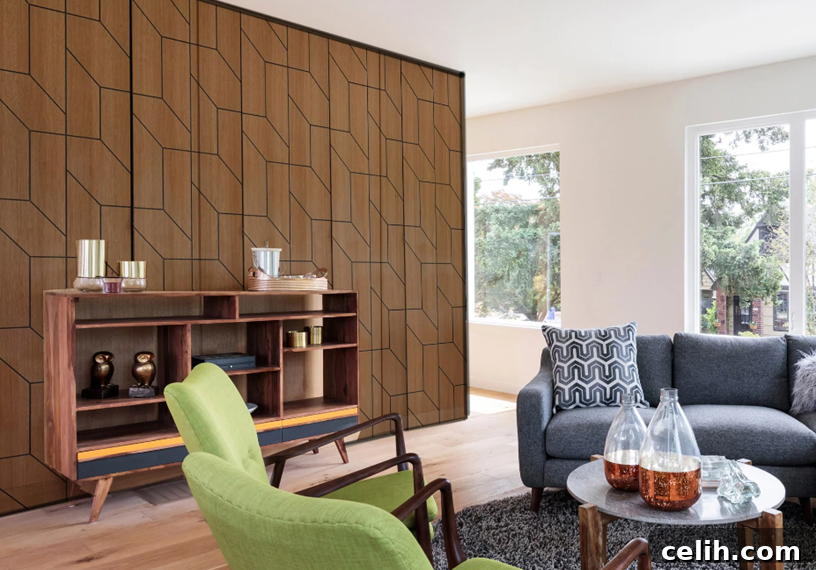
Wood wall panelling has emerged as a cornerstone of modern interior design, offering a compelling blend of aesthetic charm and functional benefits. Homeowners worldwide are increasingly turning to this versatile material to infuse their living spaces with natural warmth, texture, and a distinctive character. Far beyond a mere trend, wood panelling provides a timeless foundation that effortlessly complements a diverse array of furnishings, colour palettes, and architectural styles, making it an enduring choice for those seeking to update their interiors.
While the allure of wood walls is undeniable, seamlessly integrating them with other materials to create a cohesive and captivating design can sometimes present a challenge, especially for those new to interior decoration. The key lies in understanding how to harmonise different textures, tones, and forms to achieve a balanced and inviting atmosphere.
This comprehensive guide will explore innovative strategies and practical tips for combining wood panelling with a variety of other materials. Our aim is to empower you to transform your home into a perfectly curated sanctuary that reflects your personal style and maximizes the intrinsic beauty of wood.
Unleash Creativity: Don’t Hesitate to Paint Your Panelling
For some, the idea of incorporating raw wood into an existing design scheme can feel daunting. Yet, one of wood panelling’s most remarkable attributes is its adaptability. If the natural grain or specific hue of wood doesn’t immediately align with your vision, remember that a fresh coat of paint can completely transform its appearance, allowing it to blend seamlessly with any furniture or colour scheme you already have in place.
Consider the timeless elegance of whitewashed wood. This technique can be extraordinarily effective in an otherwise minimalist room, introducing a subtle layer of texture and depth without disrupting the serene colour palette. It softens the visual impact of the wood while retaining its structural presence, perfect for achieving a Scandinavian or coastal aesthetic. Should you prefer a ready-made solution, many wood wall panelling options are available pre-finished in white or various neutral tones, simplifying the installation process.
Beyond neutrals, painted wood panelling offers an incredible opportunity for playful expression. Imagine a vibrant accent wall in a child’s room or a sophisticated dark hue in a study, providing a rich backdrop that complements your interior style. Painting allows you to dictate the mood of the room, whether you aim for energetic and bright or cozy and contemplative. This level of customisation makes material mixing significantly easier, as the wood panelling can be perfectly tailored to your space, acting as either a bold statement or a subtle textural element that supports other design choices.
When painting, consider the texture of the wood. A smooth, sanded finish will yield a contemporary look, while allowing some of the natural imperfections or grain to show through can enhance a rustic or shabby-chic vibe. Always prepare the surface properly with cleaning, light sanding, and a suitable primer to ensure a durable and professional finish. This approach not only provides aesthetic flexibility but also offers protection, extending the lifespan of your beautiful wood features.
Define Its Role: Will Your Panels Be the Star?
A crucial consideration when integrating wood panelling into any room is to determine its intended role: will it serve as the undeniable centrepiece, commanding immediate attention, or will it act as a supporting element, providing a rich backdrop for other design features? Wood is an inherently striking and eye-catching material, capable of dominating a space with its natural beauty. Understanding its intended prominence is key to harmoniously combining it with other elements.
If your goal is for the wood panelling to be the primary focal point, consider using it on an entire accent wall or in a particularly prominent area, such as a fireplace surround. In this scenario, the accompanying materials should be thoughtfully selected to complement rather than compete with the wood. Opt for more neutral, soft textures and subtle patterns in textiles, furniture, and other decorative elements. Think plush wool rugs, linen curtains, minimalist furniture with clean lines, and subdued artwork. These choices allow the intricate grain, rich colour, and inherent warmth of the wood to truly shine, creating a sophisticated and balanced aesthetic. The beauty of the wood becomes the main narrative, enhanced by understated companions.
Conversely, if you prefer the wood panelling to provide a textural layer or a sense of warmth without monopolising attention, you have the freedom to pair it with equally captivating materials. This approach encourages a more dynamic and layered interior design, pushing the boundaries between maximalism and sophisticated balance. Imagine combining rough-hewn wood panels with polished concrete floors, sleek metallic accents (such as brushed brass or matte black steel), vibrant contemporary artwork, or exposed brickwork. In a bedroom, a wood-panelled headboard could be beautifully balanced with luxurious velvet bedding or intricate patterned wallpaper on an adjacent wall. The trick is to ensure that while materials vie for attention, they do so in a complementary fashion, creating visual dialogues rather than dissonant clashes. Each material contributes its unique character, resulting in a rich, multi-dimensional space that feels thoughtfully curated and utterly unique.
Dynamic Divisions: Break Up Communal Rooms with Material Mixing
The strategic mixing of different materials is exceptionally effective in communal rooms such as kitchens, living rooms, and open-plan dining areas, where functionality and aesthetic appeal must coexist harmoniously. These are spaces where people gather, converse, and relax, making them ideal canvases for creating visual interest and defining distinct zones through textural variation.
Kitchens serve as a prime example of how a thoughtful blend of materials can elevate wood panelling. As a space where surfaces are paramount for both practicality and style, a combination of wood and other elements can achieve a luxurious and highly functional look. Imagine elegant wood panelling on an island front or an accent wall, paired with the cool, smooth sophistication of marble or quartz countertops. This juxtaposition creates a captivating visual break, adding depth and dimension while maintaining a sleek, stylish aesthetic. Beyond marble, consider integrating polished concrete for an industrial edge, durable stainless steel for a professional feel, or vibrant ceramic tiles for a pop of colour and pattern. Wood can be incorporated as cabinetry, backsplashes, or even integrated appliance panels, allowing for endless creative combinations that enhance the kitchen’s appeal and usability.
Similarly, in a living room, combining materials like rich wood and robust brickwork can forge a dynamic and uniquely characterful space. A feature wall of wood panelling, perhaps in a deep walnut or a lighter oak, juxtaposed with an exposed brick fireplace or an industrial-style brick accent wall, creates an arresting focal point. This interplay of natural textures is visually intriguing and establishes a solid foundation upon which the rest of your design decisions can be built. You might further enhance this by introducing elements of glass (coffee tables, shelving), metal (lighting fixtures, sculptural art), or sumptuous fabrics (velvet sofas, textured throws) to layer the space with comfort and sophistication. In open-plan settings, using different materials for walls or flooring can subtly delineate areas, for instance, a wood-panelled dining nook flowing into a living space with painted walls, all tied together with a consistent colour palette or lighting scheme.
Breaking up large communal rooms with diverse materials prevents monotony and adds character, turning functional spaces into engaging and inviting environments that encourage connection and relaxation.
Harmonious Contrasts: Play With Warm and Cool Tones
One of the most effective strategies for adding depth and interest to any room featuring wood panelling is to thoughtfully play with the interplay of warm and cool tones. Wood itself comes in an astonishing spectrum of finishes, from the deep, inviting oranges and reds of cherry or some oaks, to the lighter, grey-tinged cool tones often found in ash, white oak, or certain treated pines. The type of wood you choose sets the initial tonal stage, and intentionally pairing it with the opposing temperature can create a wonderfully balanced and engaging environment.
For instance, if you select a warm wood panelling, rich in honeyed or amber hues, consider balancing its inherent warmth with cool-toned materials. Imagine deep blues or soothing greens in textiles, wall paint, or ceramic accents. Soft greys and earthy beiges can also provide a gentle counterpoint, allowing the warmth of the wood to truly glow without overwhelming the space. This combination evokes a sense of calm and sophistication, reminiscent of natural landscapes where earthy tones meet cool waters or skies. Think of a living room with dark oak panelling paired with a navy velvet sofa, or a bedroom with reddish-brown wood offset by light blue bedding and pale grey walls – the contrast creates visual harmony and prevents either tone from becoming monotonous.
Conversely, if your wood panelling leans towards cooler, often lighter, or greyish tones, you can introduce an invigorating energy by matching it with warm-toned materials. Splashes of vibrant reds, sunny oranges, or mustard yellows in cushions, artwork, or smaller furniture pieces can inject vitality and cheerfulness into the room. Even warmer neutrals like terracotta, rust, or deep creams can provide a comforting balance. This interplay of cool wood and warm accents is perfect for creating a contemporary yet inviting atmosphere, particularly effective in spaces aiming for a modern Scandinavian or industrial chic aesthetic. For example, light ash panelling can be beautifully complemented by a terracotta plant pot, burnt orange throw pillows, or a piece of abstract art featuring warm hues. The careful integration of these contrasting temperatures prevents a space from feeling too cold or too overtly warm, instead achieving a dynamic equilibrium that is pleasing to the eye and comforting to the soul.
Embrace Nature: Bring The Outside In
One of the most compelling attractions of wood panelling is its inherent ability to infuse a home with a profound sense of nature, making your rooms feel like a seamless extension of the outdoors. This biophilic design principle, which seeks to connect occupants with the natural environment, can be profoundly enhanced and continued throughout your home by pairing your wood panelling with an array of other natural materials.
Consider the tactile luxury of linen. Incorporating linen curtains into a living room or choosing soft linen sheets for your bedroom perfectly complements wood panelling. The natural, slightly textured weave of linen mirrors the organic feel of wood, creating an atmosphere of understated elegance and comfort. Beyond linen, explore other natural fibres like cotton, wool, jute, or sisal for rugs, upholstery, and decorative accents. A chunky knitted wool throw draped over a sofa against a wood-panelled wall, or a textured jute rug on a wooden floor, can add layers of natural comfort and visual softness.
To further amplify this ‘outside-in’ theme, actively fill your home with vibrant green plants and bright, fragrant flowers. Lush foliage not only adds pops of natural colour but also improves air quality and brings a living, breathing element into your space. Think about incorporating furniture pieces that celebrate natural textures and materials beyond just wood: rattan chairs, bamboo baskets, stone-topped tables, or ceramic pottery. These elements collectively transform your space into a serene, nature-filled retreat, an ideal sanctuary to unwind and decompress after a demanding day. The presence of natural materials and living elements has a proven calming effect, reducing stress and enhancing overall well-being. By thoughtfully curating these natural companions, you can create a truly holistic and harmonious environment that feels both sophisticated and inherently connected to the earth.
Consider the interplay of natural light as well. Large windows that frame views of greenery or allow ample sunlight to flood the room will further strengthen the connection to the outdoors, making your wood-panelled spaces feel even more expansive and invigorating.
Expand Your Horizons: Think Beyond the Farmhouse Style
When the concept of adding wood panelling to a home arises, a common initial thought often gravitates towards the rustic, converted barn or classic farmhouse style. While wood panelling undoubtedly excels in creating that charming, country-inspired aesthetic, it is crucial to recognise that this is merely one facet of its vast potential. Wood is an extraordinarily versatile material, capable of forming the fundamental backbone for an extensive array of diverse interior design styles, far beyond the confines of rustic charm.
The beauty of wood panelling lies in its adaptability. Its appearance can shift dramatically depending on the type of wood, its finish (stained, painted, natural), and crucially, the materials with which it is paired. For a sleek, contemporary look, consider smooth, dark wood panels juxtaposed with polished chrome, glass, and minimalist furniture. This combination creates a sophisticated, urban vibe perfect for modern apartments or executive offices. In a Scandinavian-inspired interior, light-toned wood panelling (like pale birch or white-washed pine) paired with crisp whites, muted greys, simple geometric patterns, and natural textiles like wool or cotton fosters a serene and airy atmosphere.
Embrace the bold aesthetics of industrial design by combining raw, reclaimed wood panels with exposed brick, concrete floors, and metal accents such as steel piping or utilitarian light fixtures. For a touch of mid-century modern elegance, walnut or teak panelling can be matched with iconic furniture pieces featuring clean lines, organic shapes, and vibrant pops of colour in upholstery or artwork. Even in eclectic spaces, wood panelling can serve as a unifying element, grounding a mix of styles, patterns, and eras with its natural presence.
The secret to unlocking wood panelling’s full potential lies in thinking creatively and approaching your space with an open mind. Don’t let preconceived notions limit your design choices. Experiment with unexpected pairings: perhaps light wood panelling with vibrant patterned wallpaper, or dark wood against a backdrop of luxurious velvet. Consider the textures, colours, and sheen of different materials and how they interact with the wood. By consciously moving beyond the traditional farmhouse stereotype, you empower yourself to create something truly unique, a reflection of your individual taste that transforms your home into a bespoke masterpiece.
By exploring these diverse combinations, you’ll discover that wood panelling is not just a design choice, but a design journey, offering endless possibilities for innovation and personalisation.
[Image sources: The Wood Veneer Hub]
Luke Goodman
As the Marketing Manager for The Wood Veneer Hub, Luke is passionate about interior design and helping consumers, businesses, and large-scale projects find innovative and sustainable solutions to their building needs. He prides himself on staying up-to-date with the latest trends and is never afraid to push the boundaries of design. See Luke’s LinkedIn profile.