
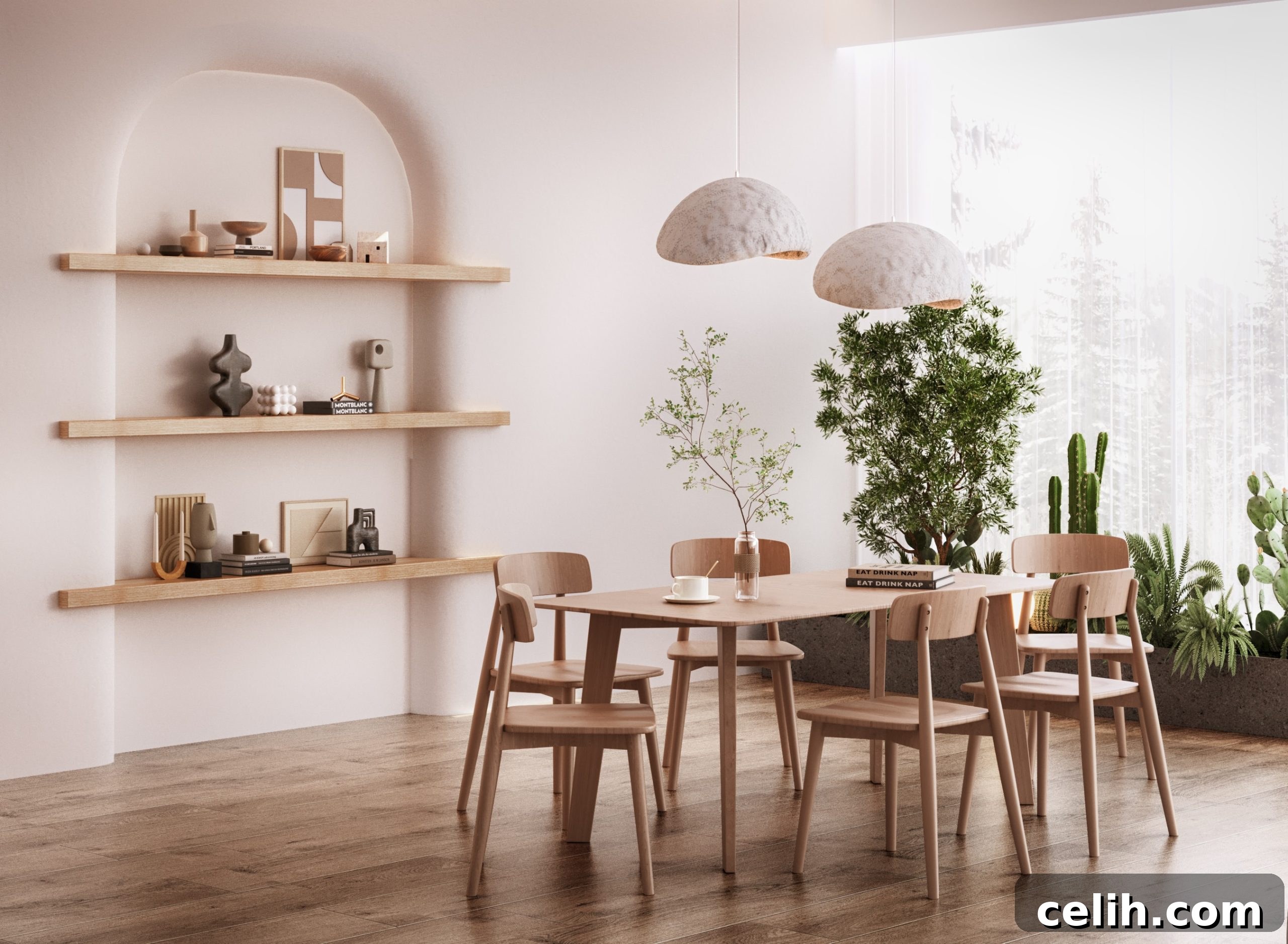
In an era defined by increasing environmental consciousness, sustainability has transitioned from a niche concern to a paramount priority for modern homeowners. It’s no longer just a desirable feature but an essential aspiration for those committed to making a tangible impact in their daily lives, significantly reducing their energy consumption, and actively contributing to the global fight against climate change. This shift reflects a profound understanding that our homes play a crucial role in our environmental footprint.
The imperative for sustainable living is reshaping the property market. Homeowners are increasingly seeking to integrate green features and eco-conscious designs into their properties, driven by both ethical considerations and tangible economic benefits. This surging demand for sustainable homes is evident across the real estate sector, with numerous reports highlighting that discerning buyers are not only willing but happy to invest a premium – often around up to 10% more for an energy-efficient home. This “green premium” underscores the tangible value that sustainability adds to a property.
From harnessing the power of renewable energy sources to integrating cutting-edge smart home technology, this comprehensive article delves into practical and impactful strategies for homeowners to cultivate a more sustainable lifestyle. Beyond the intrinsic satisfaction of an eco-friendly existence, we will explore the substantial financial rewards and long-term benefits these environmentally conscious choices offer, particularly concerning the day-to-day running costs and overall value of a property.
Unlocking the Myriad Benefits of a Sustainable Home
Embracing sustainability at home extends far beyond a fleeting trend; it’s a strategic decision that yields a multitude of advantages for homeowners, landlords, and investors alike. While the personal satisfaction derived from knowing your home positively impacts the planet is immeasurable, the practical benefits are equally compelling. Learning how to save energy and transform your property into a sustainable haven, whether through simple adjustments or more significant renovations, guarantees a rewarding return on your investment in more ways than one. The operational costs and daily living within your home inherently affect the environment, making the adoption of contemporary, sustainable trends a smart and responsible choice.
One of the most significant benefits is the improvement of your home’s Energy Performance Certificate (EPC) rating. A higher EPC rating not only signifies lower energy consumption and reduced environmental impact but also demonstrably increases your property’s market value and appeal to potential buyers. Even minor modifications, such as switching to LED lighting or upgrading appliances, can make headway towards improving your home’s energy efficiency. Over the long term, significant savings can be realized by transitioning to renewable energy sources, enhancing window glazing, and investing in high-efficiency appliances. These measures collectively reduce your utility bills, minimize your carbon footprint, and contribute to a healthier indoor environment.
Beyond the financial incentives and environmental stewardship, sustainable homes often offer superior indoor air quality, consistent thermal comfort, and a quieter living space due to improved insulation. They are future-proofed against rising energy costs and increasingly stringent environmental regulations, representing a truly smart investment for the modern age. Here, we explore five pivotal sustainable trends that you can begin to integrate into your home, both inside and out, to start reaping these invaluable rewards.
1. Harnessing Solar Power: The Renewable Energy Revolution
Solar panels, specifically photovoltaic (PV) systems, stand at the forefront of the sustainable energy movement, converting sunlight directly into electricity. Their adoption has surged dramatically, making them one of the most popular and impactful sustainable options for both newly constructed and older properties across the UK and globally. The past decade has witnessed unprecedented growth in solar panel installations, with reports indicating a significant rise – for example, over 50,700 rooftop panels fitted on private UK properties in recent years. This trend directly correlates with homeowners’ strong desire to reduce both their monthly energy bills and overall energy consumption, asserting greater control over their household expenses.
The ingenious technology and inherent advantages of properly installed solar panels make them arguably the most recognized and effective form of renewable energy available. Modern PV systems offer cutting-edge design and versatile positioning, allowing for efficient energy capture throughout the day. Critically, integrating solar energy with battery storage systems empowers homeowners to store surplus energy generated during peak sunlight hours for use at night or during periods of low generation. This reduces reliance on the local grid and insulates households from fluctuating energy prices, moving towards greater energy independence. Homeowners are increasingly investing in these sophisticated solar battery storage solutions to maximize the utility of their captured solar energy, ensuring a consistent and reliable power supply around the clock.
Historically, some homeowners might have hesitated to install solar panels due to concerns about their aesthetic impact on a property. However, this perception has dramatically shifted. Contemporary ‘eco-properties’ are now showcasing how seamlessly solar technology can be integrated, with publications like The Times reporting that innovative solar panel designs, such as in-roof systems or solar tiles, can actually enhance a property’s aesthetics, providing a sleek, modern appearance alongside their undeniable green credentials. This blend of functionality and style makes solar power an even more appealing investment for the discerning homeowner.
2. Optimizing Home Efficiency: Advanced Window Insulation
While windows, skylights, and doors are essential for allowing natural light and fresh air into your home, they are also significant culprits for heat loss and gain, directly impacting your energy usage. The integration of new glazing technologies and green, energy-efficient materials is absolutely crucial for significantly boosting thermal efficiency and lowering the environmental footprint of your property, paving the way for a more eco-friendly and comfortable home.
Upgrading from single-pane windows to double or triple glazing offers a dramatic improvement in your home’s insulation capabilities. Double glazing creates an insulating barrier of air or gas between two panes of glass, which is far more effective at preventing heat transfer than a single pane, especially during colder months. For even greater efficiency, the gap between these panes can be filled with inert gases such as argon or krypton. These gases are denser than air and possess lower thermal conductivity, thereby enhancing the insulation properties significantly and drastically improving the window’s overall U-value – a measure of heat loss. Beyond the glass itself, the frame material also plays a vital role; uPVC, timber, and composite frames with multiple chambers offer superior thermal breaks compared to older, less efficient materials.
It’s also imperative to address other potential areas of heat loss, such as skylight windows and external doors. These elements, if not adequately insulated, can allow substantial amounts of conditioned air to escape and outside air to infiltrate. Implementing energy-saving measures like low-emissivity (low-E) coatings, weather stripping, and high-performance seals for all openings can make a substantial difference. While the initial investment in installing better-insulated windows and doors might be higher, the long-term energy savings from reduced heating and cooling demands will often offset this upfront cost, making it a financially sound and environmentally responsible decision for any homeowner.
3. Eco-Conscious Heating: Comfort and Cost Efficiency Combined
Discovering an efficient, environmentally friendly heating system is paramount for maintaining a warm and comfortable home, especially during the colder winter months. With the persistent rise in energy costs and growing global environmental concerns, a significant number of homeowners are actively seeking out green heating solutions. These modern systems are designed to provide reliable warmth without the burden of excessive utility bills or high fossil fuel consumption. Consequently, advanced heat pump systems are rapidly gaining popularity as a leading renewable and sustainable alternative to traditional gas and oil boilers, marking a significant trend in home heating.
Heat pumps represent a revolutionary and sustainable electric heating alternative to conventional gas boilers, delivering both heating and hot water with significantly reduced carbon emissions. Their ingenious operation involves drawing latent heat energy from ambient sources – typically the air, but also the ground or even water sources. This ‘borrowed’ thermal energy is then concentrated and transferred indoors, efficiently warming living spaces through systems like underfloor heating or radiators. While the initial installation cost of a heat pump can be higher than a conventional boiler, the long-term financial benefits are substantial. Reports suggest that heat pumps can effectively cut heating bills by up to half when compared to gas systems, all while drastically reducing your household’s carbon footprint and dependence on fossil fuels. Furthermore, government incentives and grants are often available to help offset the upfront investment.
Beyond the transformative power of heat pumps, homeowners can also explore other avenues for eco-friendly heating. This includes researching the best and most efficient radiators on the market, which are designed for optimal heat output with minimal energy input. Additionally, considering lower-carbon fuel options such as biomass boilers, or even integrating smart heating controls (which tie into smart home technology discussed next) can further enhance efficiency and reduce environmental impact. These convenient eco-heating solutions offer a pathway to a warmer, more sustainable home, aligning comfort with ecological responsibility.
4. Empowering Sustainability with Smart Home Technology
The integration of smart home gadgets has revolutionized how homeowners manage their energy consumption, offering unparalleled opportunities for both significant savings and enhanced sustainability. Devices such as smart thermostats, comprehensive energy monitoring systems, and intelligent smart plugs empower residents to track their energy usage in real-time. This granular data allows for precise identification of energy-saving opportunities, revealing where and when energy is being consumed inefficiently. The ability to automate and schedule heating, lighting, and various appliances based on occupancy patterns, external weather conditions, or preset preferences through these smart technologies profoundly reduces energy demand, ensuring resources are only used when truly needed.
Smart thermostats, for instance, learn your daily routines and adjust temperatures accordingly, often incorporating geofencing to detect when you’re away and automatically lower heating or cooling. Energy monitoring systems provide detailed breakdowns of consumption by appliance, helping to pinpoint energy vampires. Smart plugs allow individual control over devices, enabling users to remotely switch off forgotten appliances or schedule them to operate during off-peak electricity hours. Furthermore, the seamless integration of voice assistants with smart home devices has introduced an unprecedented level of convenience, enabling hands-free, eco-friendly control over your home’s various systems, making sustainable living more accessible than ever before.
Beyond mere efficiency, smart home technology is increasingly focusing on health and well-being. Technologies designed to monitor and improve indoor air quality represent an exciting and vital emerging sustainable trend. Heat recovery ventilation (HRV) and energy recovery ventilation (ERV) systems efficiently utilize outgoing warm or cool air to preheat or precool incoming fresh air, minimizing energy loss while ensuring a constant supply of purified air. Advanced pollen filters and High-Efficiency Particulate Air (HEPA) systems actively filter indoor air, removing allergens, pollutants, and particulate matter. Crucially, smart air quality systems can automatically modulate ventilation rates and filter usage based on real-time occupancy levels, CO2 concentration, and detected pollution levels, creating a healthier, more energy-efficient, and truly sustainable living environment for all occupants.
5. Water Wisdom: Conserving and Recycling for a Sustainable Future
In the face of escalating global water scarcity, intelligent water management has become an indispensable component of sustainable homeownership. Rainwater harvesting systems, which efficiently collect rainfall runoff from roofs and channel it into above-ground barrels or sophisticated underground tanks, are rapidly growing as a key eco-trend. This collected water, which is naturally soft and free of chemicals, can then be repurposed for a variety of non-potable uses. It’s ideally suited for irrigating gardens, thereby reducing reliance on treated mains water for landscaping. Moreover, it can be plumbed in to flush toilets and even used for washing clothes, significantly diminishing overall mains water consumption and lowering utility bills.
Another increasingly popular and highly effective sustainable water solution is greywater recycling. These advanced systems treat and disinfect gently used wastewater generated from sources like sinks, baths, and washing machines. This treated greywater, which makes up a substantial portion of household wastewater, can then be reused onsite for applications such as toilet flushing or garden irrigation. By diverting and repurposing this water, homes can drastically reduce their demand for fresh potable water, contributing to a more resilient and sustainable water cycle within the property and the wider community. Regulations regarding greywater use vary, so it’s essential to consult local guidelines and ensure proper installation for hygiene and effectiveness.
Furthermore, solar thermal heating systems offer an outstanding renewable approach to meeting a significant portion of a home’s hot water demand – often up to 60% or more. These systems employ roof-mounted panels, typically flat-plate collectors or evacuated tubes, which absorb heat from sunlight. This thermal energy is then transferred to a highly insulated hot water storage tank, providing a continuous supply of hot water for domestic use. This cutting-edge renewable technology not only dramatically slashes hot water costs, particularly during sunnier months, but also substantially reduces associated carbon emissions, making it an environmentally sound and economically attractive investment for any sustainable home.
In summary, the journey towards a truly eco-friendly home is paved with a diverse array of innovative features and impactful energy-efficiency projects, all designed to promote sustainability in day-to-day living and actively safeguard our planet for future generations. Modern homeowners are not merely passive observers but active participants, increasingly willing to invest in solutions that not only reduce their environmental impact but also significantly enhance home comfort, improve indoor air quality, and secure long-term financial benefits.
From the foundational steps of installing solar panels and dramatically improving insulation, to the integration of energy-efficient appliances and the fitting of water-saving devices, sustainable homes boast an extensive range of benefits. These proactive measures can lead to a substantial reduction in your monthly energy and water usage, thereby scaling back your utility bills and providing greater financial security. The adoption of greener heating options, such as heat pumps, combined with intelligent smart home solutions, empowers you to monitor, track, and effortlessly maintain a cozy and comfortable home environment, even through the deepest winter months. Ultimately, the long-term value, both in environmental terms and through enhanced property appeal, underscores that investing in a sustainable property is not just a trend – it’s a profoundly smart investment that delivers tangible payoffs now and will continue to yield significant returns for many years to come.