
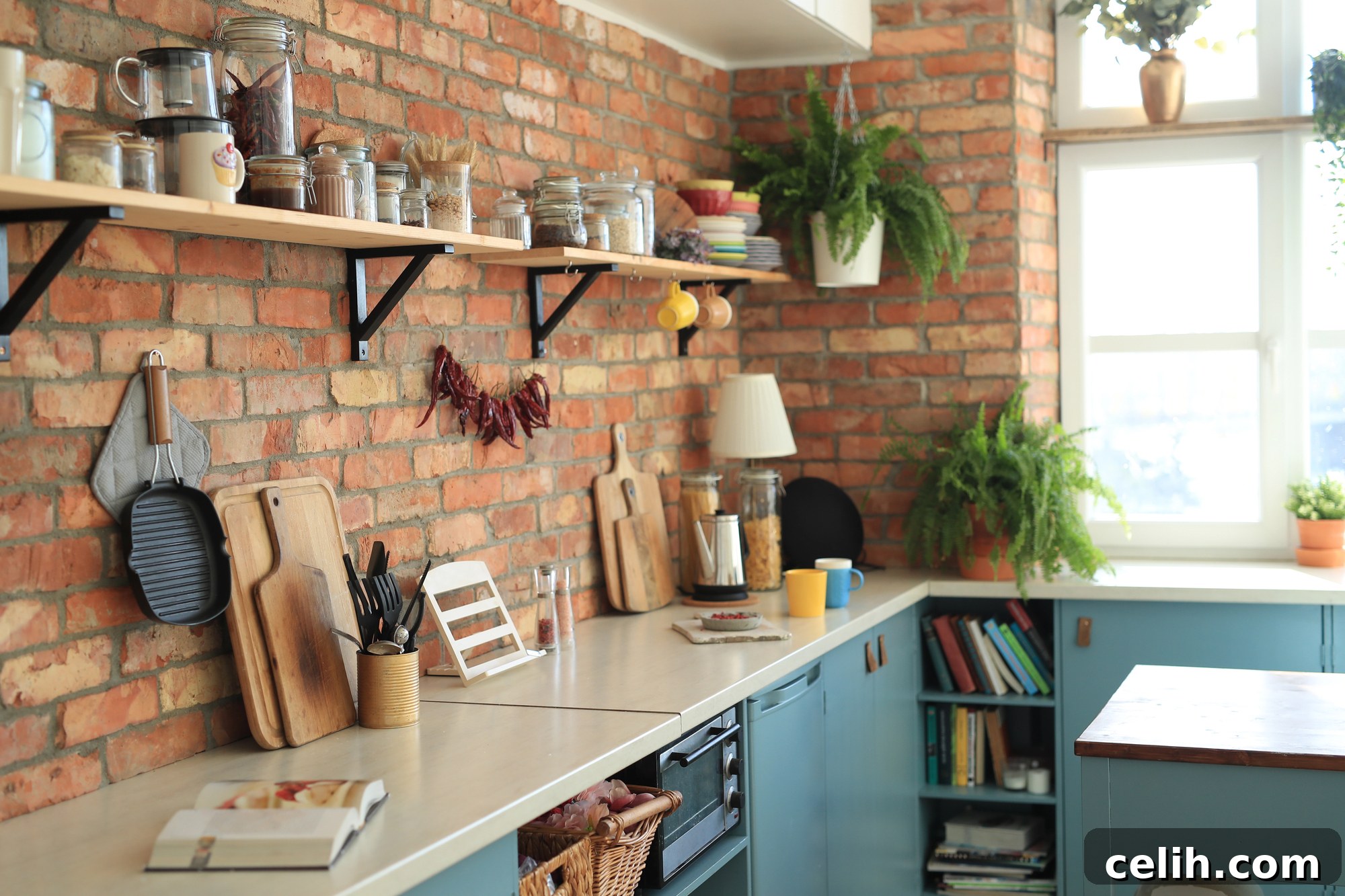
Italian kitchens are more than just spaces for cooking; they are a celebration of life, deeply rooted in centuries of rich history, unwavering family values, and the art of crafting exquisite dishes. Their timeless aesthetic speaks to a culture that reveres quality, connection, and the simple joys of sharing a meal. This profound heritage is elegantly reflected in every design choice, creating an environment that is both functional and profoundly inviting. If you dream of infusing your home with the warm, passionate spirit of Italy, embracing the principles of Italian kitchen design is the perfect starting point. These kitchens are renowned for their seamless blend of practicality and inherent elegance, drawing inspiration from generations of tradition. Each design element is subtly chosen yet intentionally placed, fostering a relaxing environment with a natural feeling of comfort, warmth, and genuine welcome. Whether you’re meticulously preparing a hearty beef braciole, simmering a tangy chicken parmesan, or tossing a refreshing shrimp scampi, the calm yet lively atmosphere of an Italian-inspired kitchen will undoubtedly inspire you to channel your inner Italian chef. Let’s explore five essential tips and tricks for bringing the comfort, warmth, and convivial spirit of Italian design into the very heart of your home.
1. Embrace Warm, Natural Hues for Ultimate Comfort
The foundation of any authentic Italian kitchen lies in its color palette, which effortlessly captures the inviting essence of the Mediterranean landscape. Choosing warm, natural hues is fundamental to achieving this distinctive charm. Imagine the sun-drenched Italian countryside, and you’ll find inspiration in shades such as earthy terracotta, soft creams, muted olive greens, and rich ochres. These colors are not merely decorative; they create a soothing and welcoming backdrop that feels inherently connected to nature. They reflect the light beautifully, giving the space a bright, airy, and expansive feel, thereby encouraging warmth, openness, and a sense of serenity. These gentle tones instantly make a kitchen feel larger and more luminous, enhancing the overall comfort.
Beyond the foundational colors, incorporating region-inspired accents can transform your kitchen into a grounded and truly inviting space, reflecting the very core of Italian hospitality. For instance, the rustic charm of Tuscan style often utilizes deeper reds, burnt oranges, or rich browns. These robust hues, when used in moderation or as accent colors for walls, cabinetry, or tile work, foster a natural, cozy, and deeply rooted atmosphere. They evoke images of ancient farmhouses and bustling family gatherings. When skillfully applied, these warm accents serve to make the kitchen a comforting sanctuary – a perfect setting for heartfelt conversations, genuine connection, and the preservation of cherished family values. The psychological impact of these colors is profound; they create an environment where stress melts away, replaced by a feeling of security and belonging. This thoughtful use of color ensures that your Italian kitchen becomes a place where everyone feels at home, fostering joy and togetherness with every shared moment.
2. Incorporate Textures that Emulate Raw Materials
To truly capture the soul of Italian kitchen design, one must embrace textures that emulate raw, natural materials. This approach reflects the authenticity and enduring beauty of the classic Italian lifestyle, where things are built to last and appreciate over time. The careful selection of these design elements creates a captivating and inviting ambiance, drawing family and friends together to create lasting memories. Materials such as rough-hewn wood, natural stone, and soft linen add significant depth, character, and a palpable sense of history to any space. These tactile elements personalize the aesthetic, helping to forge a captivating yet wonderfully familiar tactile environment that engages the senses.
Consider the diverse array of natural textures that can be woven into your kitchen. For instance, the robust grain of reclaimed wood can be showcased in open shelving, ceiling beams, or a custom-built island, bringing an organic warmth that synthetic materials simply cannot replicate. Stone, whether it’s the rugged charm of exposed brick, the polished elegance of marble countertops (like Carrara or Calacatta), or the earthy appeal of terracotta floor tiles, connects the kitchen directly to the earth. Linen, used in curtains, tablecloths, or dishtowels, introduces a soft, breathable texture that contrasts beautifully with harder surfaces, adding a touch of rustic sophistication. Aged metals, such as wrought iron pot racks or antique brass hardware, further enhance this authentic feel, suggesting craftsmanship and durability. This thoughtful interplay of varied textures contributes to a rich, layered visual appeal that captures attention without ever overwhelming the senses. It’s a deliberate mix that encourages a comfortable, lived-in ambiance, speaking volumes about the warmth, care, and thoughtfulness that goes into both your culinary creations and the very energy of this personal, cherished space. These raw materials not only look beautiful but often improve with age, developing a unique patina that tells its own story.
3. Optimize Storage Solutions to Enhance Layout and Flow
When designing an Italian-inspired kitchen, implementing storage solutions that complement the overall aesthetic and inspiration without sacrificing functionality is absolutely essential. Italian design philosophy emphasizes a beautiful balance between practicality and visual appeal, ensuring that every element serves a purpose while contributing to the harmonious whole. Open shelving, for instance, is a fantastic and characteristic feature for displaying beautiful dishware, treasured ceramic pieces, artisanal glassware, and frequently used culinary tools. This approach keeps necessary equipment within easy reach, making the kitchen more efficient and enjoyable to work in. Furthermore, open shelving encourages thoughtful organization and curation, transforming everyday items into decorative elements. This makes it easier to access ingredients, specialized tools, and serveware, ultimately enhancing the functional flow of the kitchen and fostering an inspiring environment for cooking.
Every design element in an Italian kitchen is carefully considered to serve a dual purpose: enhancing the visual appearance while ensuring a harmonious and welcoming space. When selecting a storage solution, it’s crucial to consider how it contributes to your workflow and, perhaps most importantly, how it prevents clutter. Clutter can quickly detract from the serene and inviting atmosphere that Italian kitchens are known for. One excellent way to incorporate both function and aesthetic appeal is by installing wooden cabinetry with a rustic finish. Whether it’s distressed oak, dark walnut, or painted cabinetry in a soft, natural hue, these choices enhance the natural essence of the environment while providing ample, discreet storage. Options like glass-front cabinets offer a sophisticated middle ground, allowing you to display select items while keeping the majority of your kitchen essentials neatly tucked away. Beyond traditional cabinets, consider integrated pantry systems, cleverly designed corner units, or even a classic butcher block island with built-in storage. These solutions ensure that every pot, pan, and ingredient has its designated place, contributing to a clean, organized, and effortlessly elegant Italian kitchen that supports a seamless culinary experience. The goal is to create a space where everything is accessible, yet nothing feels out of place, embodying the Italian appreciation for order and beauty.
4. Infuse Accents with Welcoming Accessories
Meaningful accessorization is key to infusing a thoughtful balance of personal style and welcoming comfort into an Italian-style kitchen. Accessories in an Italian kitchen are not mere embellishments; they are curated pieces that tell a story, reflecting the home’s personality and the family’s love for food and fellowship. Practical yet charming accessories bring life and character to the kitchen, creating an immediate sense of warmth and authenticity. Consider rustic ceramic fruit bowls brimming with seasonal produce like vibrant lemons, juicy tomatoes, or plump grapes. Fresh herbs such as basil, rosemary, and oregano, thriving in quaint terracotta pots and planters, not only add a touch of green life but also provide aromatic ingredients at arm’s length. Charming olive oil and vinegar cruet sets, often handcrafted or featuring intricate designs, are both functional and decorative, emphasizing the connection at the heart of Italian cooking and lifestyle.
Additionally, the selection of textiles plays a vital role in enhancing the overall aesthetic while providing comfort and functionality. Patterned tablecloths or runners, perhaps featuring classic Mediterranean motifs or subtle checks, can instantly add texture and a splash of color to your dining area. Handwoven baskets, perfect for holding bread, fresh produce, or kitchen linens, contribute to the rustic, inviting feel. These small, thoughtful touches add familiarity and warmth, which is crucial in fostering an environment designed for gathering family and friends. Such an atmosphere encourages shared meals, the creation of precious memories, and being truly present in the moment. Beyond the practical, consider incorporating items with sentimental value – perhaps a collection of vintage Italian pottery, a framed print of an Italian landscape, or even family photographs displayed in simple, elegant frames. Thoughtfully incorporating these welcoming accessories transforms the kitchen into a space that feels deeply lived-in, cherished, and rich with character, inviting everyone to linger and enjoy the true ‘dolce vita’ spirit.
5. Select Kitchen Appliances That Enhance Overall Inspiration
Incorporating appliances with antique or vintage qualities is a masterful way to bridge the gap between modern functionality and classic charm in an Italian-style kitchen. These carefully chosen pieces significantly enhance the character and authenticity of the space, becoming focal points that speak to a bygone era of craftsmanship and enduring design. Imagine a kitchen featuring a vintage-inspired refrigerator with rounded edges and perhaps a soft pastel hue, or a professional-grade stove range adorned with intricate detailing, brass accents, and robust, old-world style knobs. These choices contribute to a nostalgic ambiance that deeply resonates with the warmth and inviting nature of traditional Italian kitchens, where cooking is an art form passed down through generations.
The key is to select rustic appliances that blend seamlessly with the overall decor, drawing attention with their unique style without overpowering the space. Many high-end appliance manufacturers now offer lines specifically designed to evoke a retro or traditional feel, ensuring you don’t have to sacrifice modern performance for classic aesthetics. Consider an ornate, perhaps copper or hammered metal, range hood that serves as a sculptural element above your stove. Built-in appliances like dishwashers and microwaves can be seamlessly integrated behind custom cabinet panels, maintaining a clean and cohesive look while preserving the antique-inspired feel. This thoughtful combination of timeless style and modern practicality ensures that the kitchen remains highly functional for contemporary culinary needs, all while evoking a powerful sense of history and authenticity. Choosing antique-inspired appliances is more than just a design decision; it embodies the kitchen in a timeless elegance, providing a truly beautiful and inspiring environment for new culinary experiences shared with the people you hold closest. These appliances become heirlooms in their own right, adding to the rich narrative of your home.
Final Thoughts
Designing an Italian-inspired kitchen is an endeavor that requires a considerable amount of thoughtful detail and careful curation, yet the rewards are immeasurable. The effort culminates in the creation of a profoundly warm, exceptionally comfortable space—a true sanctuary where you can share life’s precious moments with the people you love most. More than just a room for preparing food, an Italian kitchen becomes the vibrant heart of your home, a place where culinary creativity flourishes amidst an atmosphere of deep-seated hospitality and joy. It’s a testament to the enduring beauty of quality craftsmanship, natural materials, and a design philosophy rooted in connection and contentment.
If you’re looking for another beautiful way to express your inspiration for Italian values and embrace the ‘dolce vita’ lifestyle, consider gathering your friends and family around a homemade Italian dish tonight. Allow the aromas of garlic, herbs, and simmering sauces to fill your newly designed kitchen, and create precious memories that will last a lifetime. An Italian kitchen is not just about aesthetics; it’s about fostering a lifestyle of warmth, generosity, and the joyful celebration of food and family. Embrace this timeless elegance, and watch as your home transforms into a haven of Italian charm.