
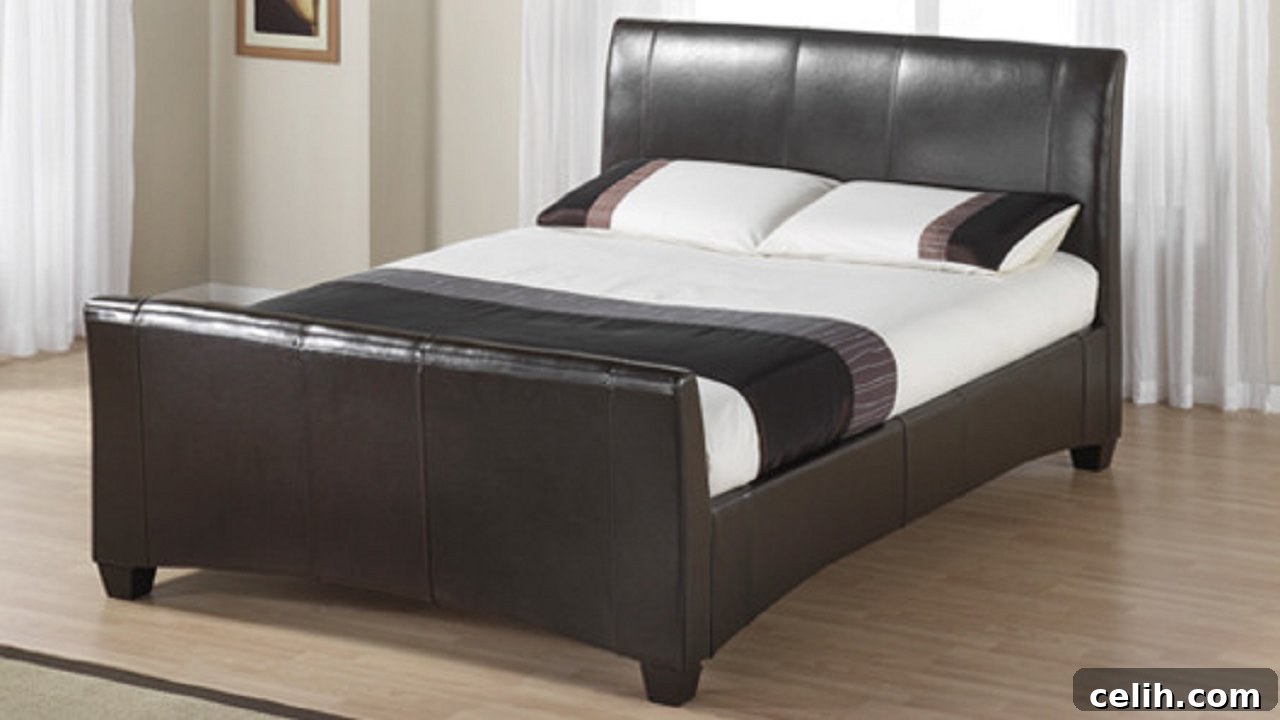
Ultimate Guide to Buying a New Bed: Expert Tips for Better Sleep & Back Health
A bed is far more than just a piece of furniture; it’s a sanctuary, a vital investment in your health, well-being, and overall quality of life. Considering we spend roughly a third of our lives asleep, the importance of choosing the right bed cannot be overstated. A good bed isn’t just about comfort; it plays a pivotal role in ensuring you get restorative sleep, and crucially, it significantly impacts your spinal health. For many, persistent back pain can severely diminish daily comfort and productivity, yet the right bed can make a world of difference, alleviating discomfort and promoting proper alignment. From alleviating chronic back pain to enhancing your overall mood and cognitive function, the quality of your sleep directly correlates with the quality of your bed.
Navigating the vast array of options available in today’s market—from different bed frames and mattress types to various sizes and materials—can be daunting. The decision process requires careful consideration, as a hasty choice could lead to years of restless nights, potential health issues, and buyer’s remorse. To ensure you make an informed decision that benefits both your sleep and your back, we’ve compiled an ultimate guide. This comprehensive resource is designed to demystify the bed-buying process, offering actionable advice and insights from industry experts. Before you embark on your bed-buying journey, delve into our comprehensive tips designed to help you select the perfect bed tailored to your unique needs, ensuring every night is a step towards better health.
1. Prioritize Personal Comfort Over Popular Opinion
It’s a common misconception that a bed highly praised by friends, family, or online reviews will automatically be the best choice for you. While recommendations can offer a useful starting point, individual comfort is profoundly subjective and deeply personal. What feels like a supportive cloud to one person might feel too soft or too firm to another, depending on their unique body weight distribution, preferred sleeping position (side, back, or stomach), existing health conditions such as arthritis or sciatica, and individual comfort preferences. Your unique anatomical structure and specific sleep requirements mean that only you can truly determine what constitutes the ‘perfect’ bed for your body. Therefore, resist the urge to simply follow trends or someone else’s glowing review as the sole basis for your decision. Instead, commit to exploring the options firsthand, paying close attention to how each bed feels under your specific body type, and trusting your own judgment regarding what provides the optimal balance of support and plush comfort for your body.
2. Explore the Diverse World of Bed and Mattress Types
The bedding market offers an impressive variety of bed structures and mattress technologies, each meticulously designed to cater to different needs and preferences. To find your ideal sleep solution, it’s crucial to understand these distinctions and how they might benefit your specific situation:
- Divan Beds: These beds feature a sturdy, upholstered base, often designed with integrated storage drawers or ottoman lifts, making them a practical and space-saving choice. They provide a firm and consistent foundation for most mattresses, ensuring even support across the entire sleeping surface.
- Bedsteads (with Slats): Bed frames made from various materials like wood, metal, or upholstered fabrics, featuring either rigid or sprung slats. Sprung slats, which have a slight arch, offer a softer, more forgiving feel and add a touch of bounce, subtly enhancing the mattress’s comfort. Rigid slats, conversely, provide a firmer, unyielding foundation, which some prefer for a very solid feel.
- Pocket Spring Mattresses: Considered a premium and highly popular choice, these mattresses feature individual springs, each meticulously housed in its own fabric pocket. This ingenious design allows each spring to move independently, contouring precisely to your body shape, minimizing motion transfer (ideal for restless partners), and providing exceptional localized support where it’s needed most. They are excellent for targeted pressure relief.
- Open Coil (Open Sprung/Bonnell Sprung) Mattresses: A more traditional and often more affordable option, these mattresses have a continuous coil system where springs are linked together. They offer robust, all-over support and good value, distributing body weight evenly across the surface. While generally firmer, they can be a great entry-level option.
- Memory Foam Mattresses: Originally developed by NASA, memory foam (visco-elastic foam) responds to body heat and pressure, slowly molding itself to your unique contours. This creates a distinctive “hug” or cradling sensation, brilliantly relieving pressure points, reducing tossing and turning, and promoting optimal spinal alignment. They are excellent for those with joint pain or seeking minimal motion transfer, though some newer designs incorporate cooling gels to address potential heat retention.
- Latex Mattresses: Made from natural (derived from rubber trees) or synthetic latex, these mattresses offer a buoyant, highly resilient, and responsive feel. They provide excellent support, are renowned for their exceptional durability, and are naturally hypoallergenic and resistant to dust mites and mold, making them a superb choice for allergy sufferers.
- Hybrid Mattresses: Combining the best of both worlds, hybrid mattresses typically feature a sturdy pocket spring core for traditional support and bounce, topped with luxurious layers of memory foam, latex, gel, or other specialty foams. This fusion delivers the responsive support of springs with the conforming comfort and pressure relief of foam, offering a balanced, versatile, and often very luxurious sleep experience.
- Water Beds: While less common today, water beds offer truly unique pressure relief by conforming perfectly to every inch of your body. They can often be temperature-controlled for personalized comfort and provide a distinctive floating sensation, which some sleepers find incredibly soothing.
Take the time to research these options thoroughly and consider which characteristics might best suit your sleeping habits, comfort preferences, and physical requirements.
3. The Truth About Firmness: Support vs. Comfort
The widespread belief that “firmer is always better” for your back is a pervasive and often misleading misconception that can lead to uncomfortable and ultimately unsupportive sleep. While adequate support is absolutely critical for maintaining proper spinal alignment throughout the night, excessive firmness can be equally detrimental. A truly supportive bed should meticulously hold your spine in a natural, neutral alignment – much like it would be if you were standing with perfect posture. However, it must also provide sufficient cushioning and pressure relief to comfortably cradle your body’s natural curves, particularly around your shoulders, hips, and knees. A bed that is excessively firm won’t contour to your body’s unique shape, leading to uncomfortable pressure build-up and potential nerve compression, forcing your spine out of its natural alignment and causing discomfort. Conversely, a bed that is too soft will allow your body to sink excessively, creating a hammock effect that also misaligns your spine and can strain muscles. The optimal bed strikes a delicate balance: it offers robust, consistent support to maintain spinal integrity and promote healthy posture, while simultaneously delivering enough plush comfort to alleviate pressure points and ensure a truly restful, uninterrupted, and pain-free night’s sleep. Your personal comfort preference, combined with proper spinal alignment, is the key.
4. The Advantages of a Bigger Bed (When Space Allows)
When it comes to bed size, opting for a larger bed often translates directly to a significantly better quality of sleep, especially for couples. More sleeping space provides ample room for you and your partner to move around freely, change positions, and stretch out without disturbing each other. This drastically reduces motion transfer, a common cause of interrupted sleep, ensuring an undisturbed night for both occupants. It offers additional room to find comfortable sleeping positions, and even to accommodate pets or children for occasional snuggles without feeling cramped or confined. However, practical considerations are absolutely paramount. Before you fall in love with the idea of a king or super king-size bed, meticulously measure your bedroom to ensure the bed will fit comfortably, leaving sufficient space for movement, existing furniture, and ensuring clear access to doors and wardrobes. Also, critically consider the access routes to your bedroom – staircases, hallways, and doorways – to confirm that delivery and installation will be manageable without damage to your home or the new bed.
Here are standard UK bed sizes for your reference:
- Standard Double Bed: 4ft 6” x 6ft 3” (137cm x 190cm) – Ideal for single sleepers or couples in smaller rooms.
- King Size Bed: 5ft x 6ft 6” (152cm x 200cm) – Offers extra length and width compared to a double, popular for couples.
- Super King Size Bed: 6ft x 6ft 6” (183cm x 200cm) – The most spacious option, perfect for maximum comfort for couples or families sharing.
Always double-check specific dimensions with the retailer, as sizes can sometimes vary slightly between manufacturers and regions.
5. Understanding Mattress Types in Detail
Beyond the general categories, a deeper understanding of mattress construction can significantly guide your choice, ensuring it perfectly aligns with your sleep needs:
- Pocket Sprung: As mentioned, these feature thousands of individual fabric-encased springs. The higher the spring count, generally the more responsive, contouring, and supportive the mattress will be. They excel at isolated movement, making them ideal for restless partners. Many come with various comfort layers (such as natural wool, breathable cotton, or responsive foam) for added luxury, temperature regulation, and a personalized feel.
- Open Coil (Bonnel Sprung): These mattresses use a series of interconnected coils, forming a robust and durable support system. While offering a uniform firmness across the entire surface, they tend to transfer motion more readily than pocket springs, meaning you might feel your partner’s movements. They are a budget-friendly option, often found in guest rooms or children’s beds, providing decent, firm support.
- Memory Foam: Renowned for its unparalleled pressure-relieving capabilities, memory foam adapts intimately to your body heat and shape, distributing weight evenly. This can significantly help alleviate joint pain, reduce pressure on sensitive areas, and improve circulation. However, traditional memory foam can sometimes retain body heat, though newer, advanced designs incorporate cooling gels, open-cell structures, or breathable covers to mitigate this and ensure a cooler sleep experience.
- Latex: Available in natural (derived from rubber trees) or synthetic forms, latex offers a unique blend of firm, resilient support and buoyant comfort. It’s highly durable, naturally hypoallergenic, and inherently resistant to dust mites, mold, and mildew. Latex mattresses tend to sleep cooler than traditional memory foam and provide a more responsive feel, springing back quickly when pressure is removed, offering a distinctive “on top of the bed” rather than “in the bed” sensation.
- Hybrid Mattresses: These innovative mattresses combine a robust pocket sprung core for traditional support, bounce, and breathability, with luxurious top layers of memory foam, latex, gel, or other specialty foams for contouring comfort and pressure relief. They aim to offer the best attributes of both spring and foam technologies, providing a balanced, versatile, and often very supportive sleep surface that caters to a wide range of preferences.
Consider your personal sleep habits, any specific health concerns like allergies or chronic pain, your preferred feel (e.g., firm, medium, plush), and your budget when exploring these detailed mattress options.
6. Ensuring Perfect Harmony: Mattress and Bed Base Compatibility
It’s not enough to simply choose a fantastic mattress; its performance, comfort, and longevity are significantly influenced by the bed base it rests upon. Different bed frames and bases are meticulously designed to work optimally with specific mattress types, and a mismatch can severely compromise both comfort and support, potentially even voiding your mattress warranty. For instance, a memory foam or latex mattress often performs best on a solid platform or a slatted base with very closely spaced slats (no more than 2-3 inches apart) to provide consistent, even support across its entire surface. A widely-gapped slatted base, conversely, might cause these types of mattresses to sag or create uneven pressure points between the slats over time, leading to premature wear. Conversely, a traditional open coil or pocket sprung mattress might benefit from a sprung slatted base that adds a subtle layer of shock absorption and softness. Always confirm the mattress manufacturer’s specific recommendations for bed base compatibility with your chosen bed frame. Furthermore, ensure that the mattress dimensions precisely match those of the bed base. An ill-fitting mattress, whether too large (causing it to hang over) or too small (leaving gaps), will not only look awkward but can also lead to uneven wear, reduced comfort, and potential safety hazards. The right pairing ensures optimal performance and extends the lifespan of your investment.
7. The Art of In-Store Bed Testing: Take Your Time
Many people understandably feel self-conscious when trying out beds in a showroom, often leading to a quick lie-down and an even quicker exit due to embarrassment. However, this hurried approach is entirely counterproductive to making a truly informed and satisfactory decision. To genuinely assess whether a specific bed and mattress combination is right for you, you need to replicate your normal sleeping conditions as closely as possible. Dedicate a minimum of 5-10 minutes – and ideally even longer, up to 15 minutes – to each bed you are seriously considering. Lie down in your typical sleeping position – whether that’s on your back, side, or stomach – and pay close attention to how your spine aligns, whether there are any uncomfortable pressure points, and if you feel adequately supported and comfortable across your entire body. If you share a bed, it is absolutely crucial to bring your partner along and test it together. Observe how much motion transfer occurs when one person moves, as this can be a critical factor for an undisturbed night’s sleep for both of you. Don’t be afraid to remove your shoes, wear comfortable clothing that allows for natural movement, and truly relax into the bed; this significant investment in your health and well-being warrants a thorough, unhurried trial. It’s okay to feel a bit awkward – remember, you’re making a choice that will impact your life for years.
8. Value Over Low Price: Investing in Quality Sleep
While budget constraints are a reality for most consumers, it’s imperative to prioritize value and quality over simply seeking the cheapest option when buying a bed. A bed is a long-term, foundational investment in your health, daily performance, and overall happiness, not a disposable item. A well-constructed bed frame paired with a high-quality mattress may come with a higher upfront cost, but they invariably offer superior comfort, enhanced ergonomic support, and significantly greater durability over many years. A cheaper, poorly constructed bed might seem like a bargain initially, but it’s very likely to sag prematurely, develop uncomfortable dips, creak loudly, and lose its supportive qualities much faster, leading to discomfort, disturbed sleep, and potentially more frequent replacements. When you consider the cost per night over the typical lifespan of a quality bed (generally 7-10 years for a mattress, and much longer for a frame), the initial investment often proves to be far more economical and profoundly beneficial than opting for a budget model that quickly deteriorates. Think of it not as an expense, but as an investment in hundreds, if not thousands, of nights of restorative sleep and significantly improved well-being.
9. Smart Shopping: Harnessing Sales and Bargains
Timing your bed purchase strategically can lead to substantial savings without having to compromise on quality. Retailers frequently hold sales events throughout the year, often coinciding with popular bank holidays (like Easter, May Bank Holiday, August Bank Holiday), seasonal clearances (e.g., end of financial year, post-Christmas, Boxing Day sales), or special promotional periods like Black Friday or Cyber Monday. During these times, you can often find excellent deals on high-quality, end-of-line models or discontinued ranges that still offer superior comfort, support, and craftsmanship. Subscribing to newsletters from reputable bed retailers can keep you proactively informed about upcoming sales, exclusive online offers, and flash discounts. Don’t be shy about asking if a store offers price matching against competitors or if they have any floor models available for a further discount. Always inquire meticulously about warranties and return policies, even with sale items, to ensure your purchase is fully protected against defects or dissatisfaction. Being a savvy shopper means being patient, doing your research, and being prepared to seize a genuine bargain that meets all your needs and doesn’t compromise on quality.
10. Beyond the Purchase: Delivery, Installation, and Old Bed Removal
The journey of acquiring a new bed doesn’t end at the checkout; logistical considerations are a critical, yet often overlooked, aspect of the buying process. A bed, particularly a new frame and mattress, is a substantial and often heavy piece of furniture, and maneuvering it into your home, especially upstairs, through tight doorways, or around tricky corners, can be a significant challenge or even physically risky without professional help. Before finalizing your purchase, meticulously inquire about the retailer’s comprehensive services. Do they offer free delivery, or is there an additional charge? Is professional installation or assembly included, particularly for complex bed frames, which can save you hours of frustration? Crucially, will they remove your old mattress and bed frame for proper disposal, often a service that saves you considerable effort and expense? These additional provisions can make a significant difference to the overall value, convenience, and stress-free nature of your purchase, turning a potentially stressful experience into a seamless and enjoyable one. Confirming all these details upfront will ensure a smooth transition to your new sleep haven and a hassle-free experience from start to finish.
Conclusion: Your Path to Restful Nights and a Healthier Back
Choosing a new bed is a profoundly significant decision that impacts not just your nightly rest, but your overall health, energy levels, and vitality for many years to come. By thoughtfully considering personal comfort over fleeting trends, exploring the diverse array of bed and mattress types, understanding the crucial nuances of firmness versus supportive comfort, prioritizing adequate bed size for your needs, and strategically navigating the purchasing process with an eye for value, you empower yourself to make a truly informed and beneficial choice. Remember, investing in a high-quality bed is an investment in your personal well-being – a commitment to achieving better sleep quality, experiencing reduced back pain and discomfort, and living a more energetic, comfortable, and fulfilling life. Take your time, test thoroughly, and don’t hesitate to seek expert advice from knowledgeable sales assistants. Your perfect bed is waiting to transform your sleep experience and enhance your daily life.