
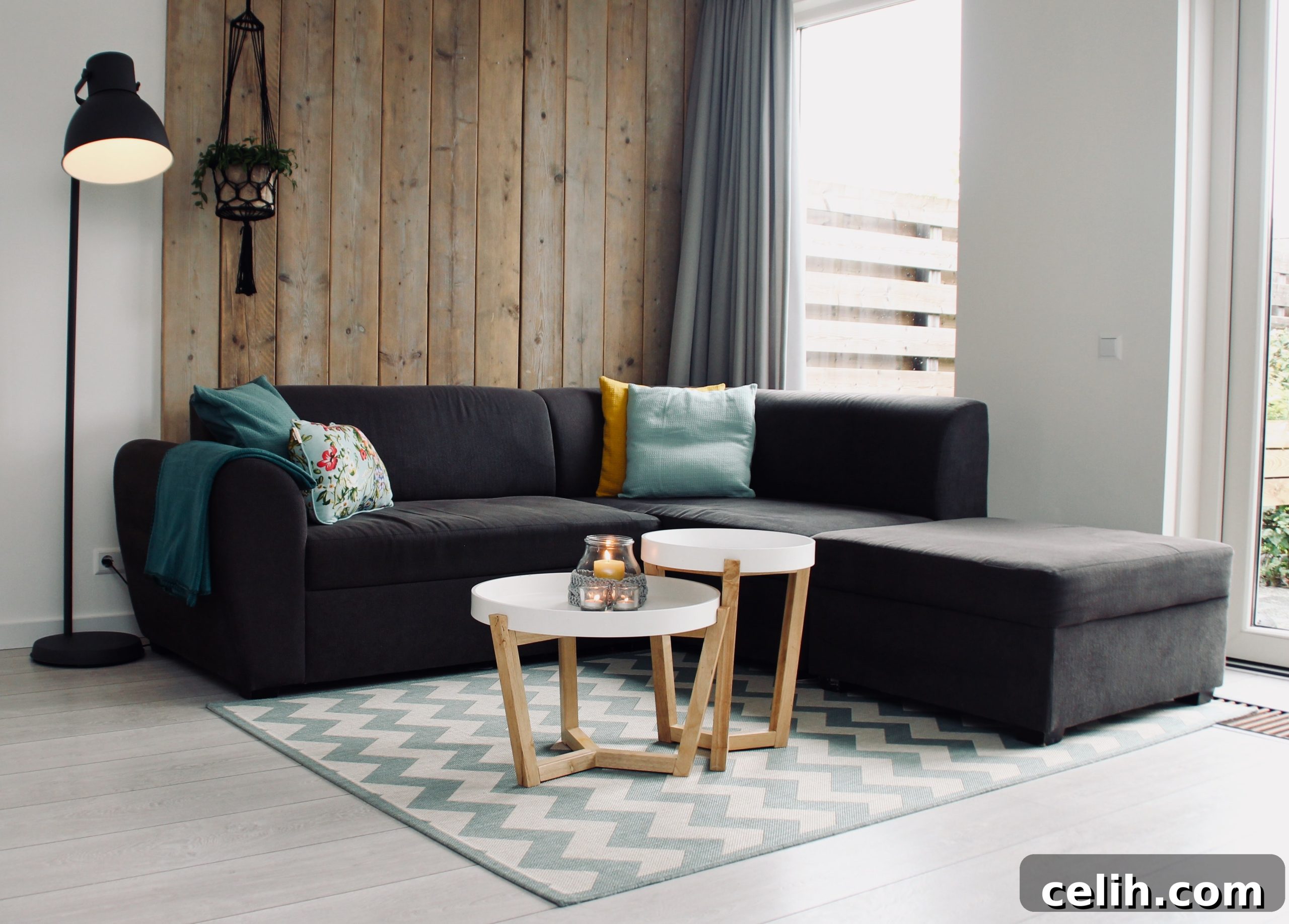
The allure of micro homes and the philosophy of minimalistic living have surged in popularity over recent years, driven by their compelling blend of affordability and eco-conscious design. These compact, often ‘tree-hugging’ abodes offer a sustainable lifestyle, yet their modest footprints present a unique challenge: how to furnish them effectively to ensure comfort and functionality. This comprehensive guide will navigate the world of furniture for small spaces, offering innovative solutions from storage to seating, and ingenious pieces that effortlessly serve multiple purposes. Discover how to transform any snug dwelling into a spacious and inviting sanctuary.
Embracing Verticality: The Power of Wall-Mounted Furniture
One of the most effective strategies for maximizing space in tiny homes is to literally elevate your furniture. Wall-mounted options liberate precious floor space by moving your essential pieces upward, making rooms feel significantly larger and less cluttered. Many of these items boast a clever design that allows them to tuck away discreetly when not in use, ensuring you extract maximum utility from every single square foot.
Intelligent Sleep Solutions: Beds that Disappear
The bed is often the largest piece of furniture in any home, consuming a substantial amount of floor space. For smaller living areas, solutions like Murphy beds, also known as wall beds, remain incredibly popular and practical. These ingenious beds fold vertically into a wall cabinet or custom unit, transforming a bedroom into a living room, office, or entertainment area during the day.
Murphy beds are not just space-savers; they are highly customizable to integrate seamlessly with any aesthetic and design scheme. Imagine waking up in a comfortable bed, then effortlessly folding it away to reveal a spacious work area or a clear floor for yoga. When selecting a Murphy bed, don’t compromise on comfort. It’s often wise to invest in a high-quality, custom-sized mattress that precisely fits the bed’s specifications for height and weight, ensuring both optimal comfort and smooth operation of the mechanism. This thoughtful investment guarantees restorative sleep without sacrificing daytime functionality.
Dynamic Surfaces: Tables, Desks, and Nightstands
Beyond beds, wall-mounted folding tables offer unparalleled versatility. These tables can serve as dining areas, temporary workspaces, or even craft stations, then fold flat against the wall when no longer needed. You’ll find a vast array of models suited for nearly every room in your house, from a compact dining nook in the kitchen to a discrete desk in a living area.
Their adaptability extends to unique and often overlooked areas, such as narrow hallways, corners, or even inside cabinets, allowing you to exploit every inch of vertical space. If your lifestyle doesn’t involve hosting grand dinner parties at a sprawling oak table, these space-savvy folding tables are an ideal alternative. Similarly, wall-mounted floating shelves can replace bulky nightstands, offering a minimalist surface for essentials without encroaching on floor space, contributing to a more open and airy feel in the bedroom.
Flexible Seating: When Guests Arrive and Depart
While having ample seating for guests is desirable, it doesn’t necessitate cluttering your small apartment with permanent chairs and benches. Fold-up seating solutions provide the perfect answer. This category includes wall-mounted benches that fold down, stackable stools, and lightweight folding chairs that can be stored away in a closet or mounted on a wall when not in use.
Such versatile seating allows you to entertain comfortably on special occasions, then disappear discreetly when the party ends. This ensures your living space remains clear and uncluttered for your daily life, free from the ‘ghosts of parties past’ lingering unnecessarily. Consider sleek, modern designs that enhance your decor even when in use.
The Art of Transformation: Convertible and Multifunctional Furniture
When curating furniture for small spaces, the golden rule is to prioritize pieces that serve multiple purposes. Convertible and expandable furniture items are true heroes in small space design, ingeniously maximizing floor space by performing several functions within a single footprint.
For instance, choosing a sofa for a compact living area presents a significant challenge. It’s often the focal point, yet it cannot dominate the room. This is where pull-out sofas, futons, or sofa beds shine, offering comfortable seating by day and a convenient sleeping surface for guests by night. Similarly, explore ottomans that cleverly conceal storage compartments, providing a neat place for blankets or magazines, while also serving as extra seating or even an impromptu coffee table. Wall-mounted tables can double as stylish shelves when folded up, revealing their utilitarian purpose only when needed. In the realm of compact living, efficiency and adaptability are paramount, making multifunctional pieces indispensable.
Beyond the fundamental furniture, consider coffee tables that can elevate to dining height, or modular shelving units that can be reconfigured as your needs evolve. A well-chosen console table can serve as an entryway display, a desk, or even a compact dining surface, demonstrating the boundless possibilities of versatile design.
Creating Visual Expansiveness: Slim, Light, and Airy Furniture
The visual impact of your furniture is just as important as its functionality in a small space. Lightweight, compact, and streamlined furniture pieces create clean lines and contribute to an illusion of greater spaciousness. It’s crucial to steer clear of bulky, oversized items with heavy upholstery that can quickly overwhelm a room. Instead, opt for sleek designs with tight profiles, exposed legs, and minimalist aesthetics.
Materials play a significant role here. Glass and acrylic are exceptional choices for opening up an area and making it feel lighter and airier, as they allow light to pass through and offer minimal visual obstruction. Open-frame metal designs for shelving or chair legs also contribute to this effect, creating a sense of transparency rather than solidity.
Outfitting a small kitchen can indeed be a design puzzle. Begin by selecting tables and chairs with slender legs and delicate frames. Look for narrow fixtures and appliances, and consistently maintain a light color scheme for cabinets and countertops. Another clever trick to visually expand a room is to apply lighter colors to the upper half of your vertical space (walls, upper cabinets) and darker, grounding colors to the lower half (floor, lower cabinets, furniture legs). This creates a sense of height and draws the eye upwards, making the room feel taller. Consider dining tables and chairs with dark, elegant legs and contrasting lighter, reflective tops to emphasize this effect.
Unleashing Creativity: Repurposing and Reinventing Furniture
One of the most exciting aspects of furnishing a small space is the freedom to think outside the traditional box. If you stumble upon a chic sideboard that would make an ideal dresser in half the size, don’t hesitate to make it yours. The conventional purpose of a piece of furniture shouldn’t dictate how you use it in your home. Your space, your rules.
Embrace the philosophy of repurposing to meet your unique needs and reflect your personal style. A charming vintage chest could become a stylish coffee table with hidden storage. A sturdy bench might serve as both extra seating and a display surface. Modular cube storage units can be stacked, rearranged, or even used as individual tables. Remember, it’s your house, your aesthetic, and your interior design journey. Be bold, experiment, and let your creativity flourish to craft a space that is truly your own and perfectly functional for your lifestyle.
The Magic of Simplicity: Monochromatic Color Schemes
Another powerful decorating tip for small spaces is to embrace a monochromatic color scheme. This involves using variations of a single color, often neutral tones, throughout the room. The psychological effect is one of expansiveness and tranquility, as the lack of stark contrasts allows the eye to flow effortlessly across the space, making it feel larger and more cohesive.
Opt for neutral colors whenever possible – whites, off-whites, grays, and soft beiges. Don’t shy away from pairing white furniture against white walls; this creates a seamless backdrop that blurs the boundaries of the room. To prevent the space from feeling bland or sterile, introduce depth and visual interest through varying textures. Think chunky knit throws, woven baskets, velvet cushions, or wooden accents within your chosen color palette. A carefully placed accent color, perhaps in a throw pillow, a piece of art, or a small decorative object, can add a pop of personality without overwhelming the room. Moreover, light colors naturally reflect light, enhancing the brightness and perceived size of any small space.
Optimizing Every Nook: Smart Storage Solutions
In a small home, clever storage isn’t just a luxury; it’s an absolute necessity. Maximizing every available inch for storage is key to maintaining an organized and uncluttered environment, which in turn contributes to a feeling of spaciousness. Beyond the multifunctional furniture mentioned earlier, integrate dedicated storage solutions into your design.
Think vertically: tall, narrow shelving units that reach the ceiling can house books, decor, and essentials without consuming much floor space. Floating shelves are excellent for displaying items without the bulk of a traditional bookcase. Under-bed storage drawers or hydraulic lift beds can stash away linens, seasonal clothing, or extra items discreetly. Over-the-door organizers are perfect for bathrooms and closets. Built-in storage, where feasible, offers seamless integration and a custom look, while storage ottomans, benches with hidden compartments, and even baskets strategically placed under console tables can hide clutter in plain sight. Before acquiring any new storage, however, consider a thorough decluttering; less stuff inherently means less need for storage.
Illuminating Ingenuity: Smart Lighting for Small Spaces
Lighting plays a critical role in how large or small a room feels. Thoughtful lighting design can dramatically enhance the sense of space and ambiance in a compact home. Prioritize natural light by keeping windows unobstructed with heavy drapes. Opt for sheer curtains or blinds that can be easily pulled back to let sunlight flood in.
Beyond natural light, embrace a layered lighting approach. This includes ambient lighting (general room illumination, often from ceiling fixtures), task lighting (for specific activities like reading or cooking), and accent lighting (to highlight features or create mood). Avoid bulky floor lamps that take up valuable floor space; instead, choose wall-mounted sconces, recessed lighting, or sleek track lighting. Dimmers are a fantastic addition, allowing you to adjust the intensity of light to suit different moods and times of day. Strategically placed mirrors can also work wonders, reflecting light and creating the illusion of depth and a more expansive room.
Before You Go: Embracing Your Compact Lifestyle
Living in a small space can genuinely alleviate a significant amount of stress and open up opportunities for a more intentional lifestyle, especially when you master the art of furnishing it efficiently. By thoughtfully selecting convertible pieces that work harmoniously, embracing verticality, employing smart storage solutions, and creating an open, airy arrangement with light colors and clever lighting, your small space will not only feel roomier but also become a testament to functional and stylish design. Embrace the challenge and transform your compact dwelling into a sanctuary that perfectly reflects your needs and aesthetic.