
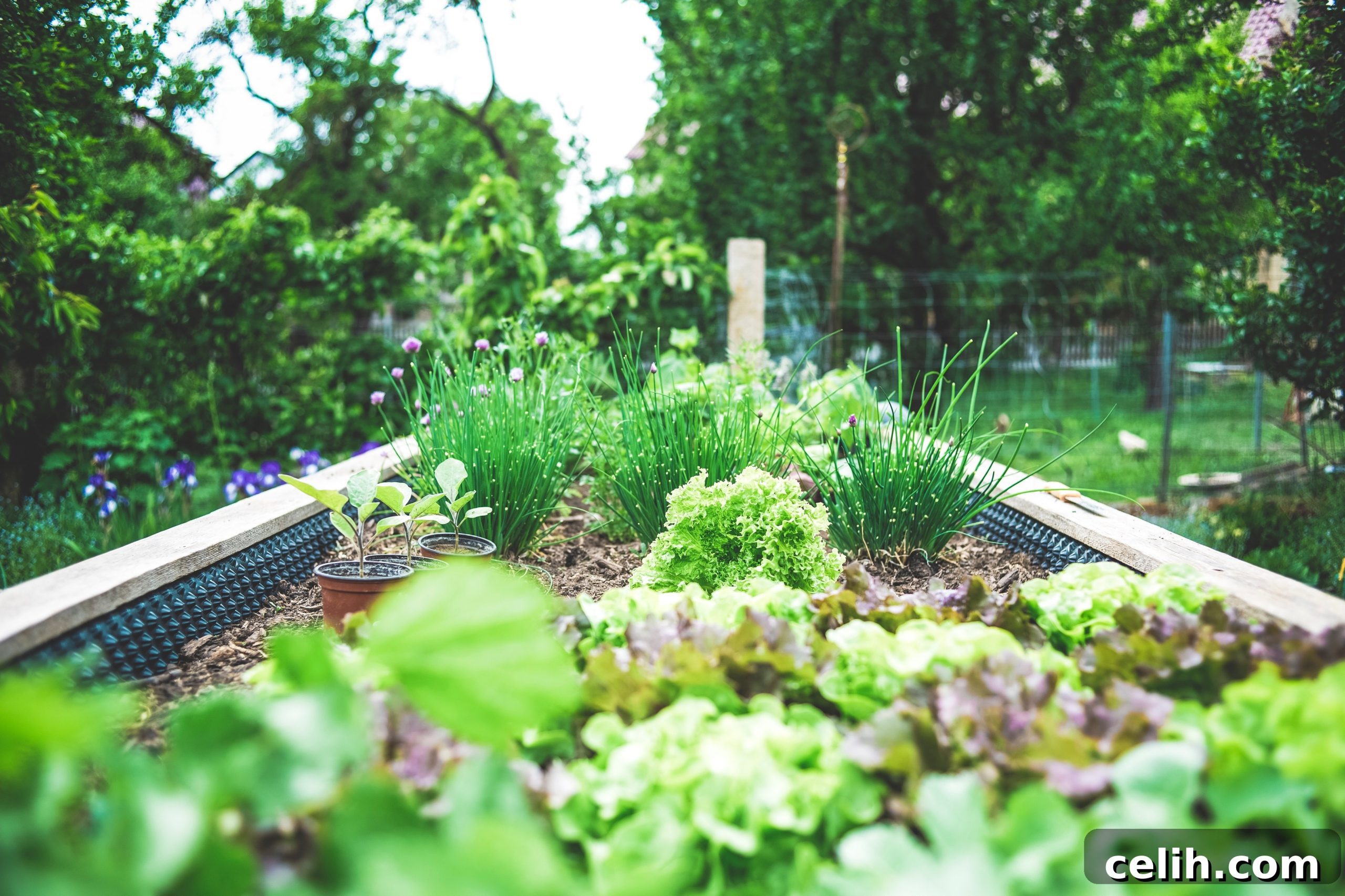
In an era increasingly defined by environmental consciousness, the quest for sustainable living has moved beyond our homes and into our gardens. With the undeniable reality of the climate crisis, more individuals are seeking meaningful ways to lessen their environmental footprint. While many focus on indoor initiatives like enhanced recycling or energy-efficient appliances, the potential for sustainability in outdoor spaces often goes overlooked. Yet, transforming your garden into an eco-friendly haven is not only achievable but can also result in a space that is both profoundly beautiful and significantly beneficial for our planet. Embracing sustainable gardening practices allows you to cultivate a vibrant, healthy outdoor environment that supports local ecosystems, conserves resources, and reduces waste, proving that a truly stunning garden can also be a truly green one.
Embrace Composting: Transform Waste into Garden Gold
Any seasoned gardener understands that the foundation of a thriving garden lies in the quality of its soil. Rich, nutrient-dense soil is paramount for robust plant growth and bountiful harvests. However, achieving this doesn’t necessitate a constant investment in synthetic fertilizers or soil amendments. One of the most impactful and accessible pillars of a sustainable garden is composting – a natural process that transforms organic waste into an incredibly valuable soil enhancer. By diverting kitchen scraps and garden debris from landfills, you not only reduce your household waste but also create a free, nutrient-rich “superfood” for your plants.
Getting started with composting is far simpler than you might imagine. You can choose from various methods, from a simple compost pile in a corner of your garden to a dedicated compost bin, or even an old repurposed container with adequate ventilation. The key is to introduce a mix of “green” materials (nitrogen-rich items like vegetable and fruit peelings, coffee grounds, grass clippings, and plant trimmings) and “brown” materials (carbon-rich items such as dry leaves, shredded newspaper, cardboard, and wood chips). This balance encourages decomposition, as microorganisms and beneficial insects break down the organic matter into dark, crumbly compost.
The benefits of composting extend far beyond merely nourishing your plants. Incorporating this organic matter into your soil improves its structure, enhancing drainage in heavy clay soils and increasing water retention in sandy soils. It also introduces a wealth of beneficial microbes, fostering a healthier soil ecosystem that naturally supports plant immunity and nutrient uptake. Moreover, composting significantly reduces the amount of waste sent to landfills, where organic materials often decompose anaerobically, producing potent greenhouse gases like methane. By embracing composting, you’re not just feeding your garden; you’re actively contributing to a healthier planet, one rich scoop of soil at a time.
Minimize Chemical Use for a Healthier Garden Ecosystem
The pursuit of a pristine garden often leads many to rely on an arsenal of chemical solutions—herbicides for weeds, pesticides for pests, and synthetic fertilizers for growth. However, these seemingly quick fixes come at a significant environmental cost. The chemicals found in these products are potent, and their impact extends far beyond your garden borders. They can be poisonous to a vast array of wildlife, from the beneficial insects that pollinate your plants to birds and small mammals. These substances don’t stay put; they can leach into groundwater, run off into streams and rivers, and contaminate local ecosystems, disrupting delicate ecological balances and polluting habitats.
Creating a truly sustainable garden necessitates a shift away from these harmful chemicals towards more natural, organic pest and weed management strategies. Instead of resorting to harsh pesticides, consider fostering biodiversity to encourage natural predators. Ladybugs, lacewings, and parasitic wasps are highly effective at controlling common garden pests, and you can attract them by planting a variety of flowering plants that provide nectar and pollen. For weed control, manual weeding remains one of the most eco-friendly options, alongside mulching, which suppresses weed growth while also conserving soil moisture and regulating temperature.
When it comes to specific pest deterrents, many effective and non-toxic alternatives exist. Crushed eggshells can deter slugs and snails, while used coffee grounds provide a gentle nitrogen boost to plants and can also repel certain pests. You can also explore companion planting, where specific plant combinations naturally deter pests or enhance growth. For example, marigolds are known to repel nematodes and other harmful insects. By opting for these eco-friendly gardening practices, you safeguard the health of your garden, protect local wildlife, and contribute to a cleaner, safer environment for everyone. Your garden will become a vibrant sanctuary, teeming with life rather than tainted by chemicals.
Get Creative with Materials: A Plastic-Free Garden
Plastic’s ubiquitous presence in our daily lives often extends unthinkingly into our gardens. From seedling trays and plant pots to garden tools, netting, and packaging, plastic items are seemingly indispensable. However, the environmental toll of plastic is immense, from the energy-intensive production process to its virtually indestructible longevity, which results in persistent pollution. For those committed to fostering a truly sustainable garden, actively seeking alternatives to plastic is a crucial step towards reducing ecological impact.
Fortunately, the market and nature itself offer an abundance of sustainable materials that can readily replace plastic in various gardening applications. Instead of plastic plant supports, opt for natural alternatives like bamboo canes, sturdy wooden stakes, or even pruned branches from your own garden. For tying plants, biodegradable twine made from jute, hemp, or cotton is an excellent choice over synthetic plastic ties. When purchasing bulbs or seeds, prioritize suppliers who use paper packaging or other compostable materials. Traditional terracotta pots, while heavier, offer a classic aesthetic and are breathable, promoting healthier root development than plastic counterparts. Even recycled materials like old tires, wooden pallets, or tin cans can be creatively repurposed into planters or garden decor, breathing new life into items that would otherwise end up in a landfill.
The most environmentally friendly choice is almost always to utilize what you already possess. Before purchasing anything new, take stock of your existing resources. Can an old wooden ladder be transformed into a vertical planter? Can discarded glass jars serve as mini-greenhouses for seedlings? Upcycling and reusing materials not only minimize waste but also infuse your garden with unique character and a touch of personal creativity. Embracing a plastic-free approach in your garden is a powerful statement for sustainability, contributing to a healthier planet while cultivating a uniquely charming and resourceful outdoor space. Explore sustainable options like recycled wood, metal, and natural fibers to reduce your ecological footprint.
Install a Natural Swimming Pool: Beauty and Biodiversity
For those dreaming of a swimming pool that aligns with sustainable principles, a natural pool presents an innovative and eco-conscious solution. Far removed from the chemical-laden, energy-intensive traditional swimming pools, natural pools offer a serene, self-sustaining alternative that mimics the purity and beauty of a mountain lake. They are designed not just for recreation but as living ecosystems, seamlessly blending into the natural landscape of your sustainable garden.
The core concept of a natural pool revolves around a split design: one zone dedicated to swimming and another, equally important, regeneration zone. This regeneration zone is thoughtfully planted with aquatic vegetation that acts as a sophisticated, plant-based filtration system. These specialized plants naturally purify the water by absorbing excess nutrients and inhibiting algae growth, eliminating the need for harsh chemicals like chlorine, which are detrimental to both human health and the environment. This symbiotic relationship between water and plants creates an incredibly clear, soft-feeling water that is gentle on skin and eyes.
The benefits of choosing a natural pool are numerous. They operate without the constant reliance on electric filters, powerful heaters, or noisy pumps, significantly reducing energy consumption and ongoing maintenance costs. Beyond the practical advantages, natural pools cultivate their own thriving mini-ecosystem within your garden. The plant-filled regeneration zone attracts and supports a diverse array of wildlife, from dragonflies and frogs to birds, enriching your garden’s biodiversity and transforming it into a vibrant habitat. This natural approach offers not just a swimming experience but a profound connection to nature, enhancing the aesthetic appeal and ecological value of your outdoor living space. It’s an investment in both personal enjoyment and planetary well-being.
Plant More Trees: Guardians of the Green Garden
Trees are truly unsung heroes of our planet, offering an unparalleled suite of environmental benefits that are crucial for a sustainable future. In your garden, planting trees is one of the most impactful actions you can take to contribute to a healthier environment and enhance your outdoor space. They are exceptional carbon sinks, diligently absorbing atmospheric carbon dioxide through photosynthesis and releasing life-giving oxygen back into the air. This natural process directly combats climate change by reducing the build-up of greenhouse gases, making every tree a vital ally in our fight for a stable climate.
Beyond their role in carbon sequestration, trees provide a myriad of other advantages for your garden and the wider ecosystem. Their extensive canopy and root systems play a critical role in trapping and absorbing pollutants from the air, improving local air quality. They also act as natural sound barriers, significantly reducing noise levels within your garden, creating a more peaceful and private sanctuary. Furthermore, trees provide essential habitat and food sources for a vast array of wildlife, including birds, beneficial insects, and small mammals, thereby boosting biodiversity in your local area. Their shade can also help regulate garden temperatures, reducing the need for excessive watering by minimizing evaporation and offering a cool respite during hot summer months.
If you have the space, consider planting native trees that are well-suited to your local climate and soil conditions, ensuring they thrive with minimal intervention. Even better, plant fruit trees that will not only offer all these ecological benefits but also reward you with delicious, homegrown produce in the years to come. Investing in trees is a long-term commitment to the health of our planet and the beauty of your garden. They are living legacies that grow in value, providing shade, beauty, and ecological services for generations, making them an indispensable component of any truly sustainable garden design.
Water Conservation: A Cornerstone of Sustainable Gardening
Efficient water management is a critical component of any sustainable garden. With increasing concerns about droughts and water scarcity, minimizing your garden’s water consumption is not just eco-friendly; it’s essential. One of the simplest and most effective strategies is to install a rainwater harvesting system, such as rain barrels, to collect water from your roof. This provides a free, natural source of water for irrigation, reducing reliance on treated tap water and lowering your utility bills.
Beyond collection, thoughtful irrigation practices can make a significant difference. Drip irrigation systems or soaker hoses deliver water directly to the plant roots, minimizing evaporation and waste compared to overhead sprinklers. Watering deeply and less frequently encourages plants to develop stronger, deeper root systems, making them more resilient to dry spells. Furthermore, choosing drought-tolerant and native plants for your garden is a game-changer. These plants are naturally adapted to your local climate and require less supplemental irrigation once established, flourishing without constant attention and significantly reducing your water footprint. Implementing these water-wise strategies ensures your garden remains vibrant and beautiful while conserving one of our most precious natural resources.
Often, in our efforts to lead more environmentally conscious lives, the potential for sustainability in our outdoor spaces is an area we may inadvertently overlook. However, the journey towards a greener lifestyle truly extends to every corner of our property, including our gardens. There are countless opportunities to refine our gardening practices, replacing conventional methods with sustainable alternatives that not only preserve but also enhance the health and aesthetic appeal of our outdoor havens. Embracing eco-friendly choices in your garden doesn’t mean sacrificing beauty or success; quite the opposite. In many instances, a commitment to sustainable practices culminates in a garden that is not only more resilient and ecologically vibrant but also visually captivating and profoundly rewarding in the long run. By making these mindful changes, you transform your garden into a testament to sustainable living, a flourishing ecosystem that benefits both you and the planet.