
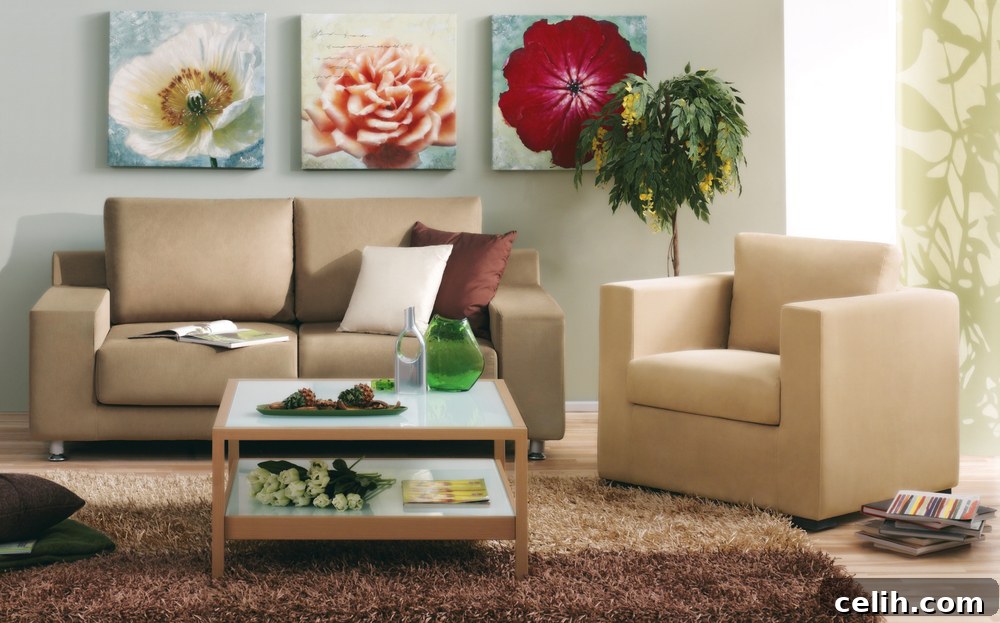
Maximize Your Mini Marvel: Stylish & Functional Small Living Room Ideas
A small living room doesn’t have to be a limitation; it’s an invitation to cultivate a truly cozy, intimate, and exceptionally welcoming space. While the perception might be that smaller rooms are restrictive, they actually offer unique opportunities for creative design and efficient organization. With the right approach, you can transform your compact living area into a highly functional and aesthetically pleasing haven. The key lies in strategic planning and thoughtful execution to optimize every inch without sacrificing an ounce of style or comfort.
We’ve gathered a comprehensive collection of expert tips and innovative ideas to help you design a small living room that feels expansive, inviting, and perfectly tailored to your lifestyle. Say goodbye to clutter and hello to a space that truly reflects your personality and provides a delightful sanctuary.
Clever Color Schemes for Compact Spaces
The colors you choose for your small living room are paramount in shaping its perceived size and atmosphere. While it might seem counterintuitive, opting for the right shades can dramatically expand your space visually and create a serene, airy feel. The general rule of thumb for smaller rooms is to lean towards lighter, more reflective hues that bounce light around, making the room appear larger and more open.
Consider a palette of warm yet subtle shades such as soft beiges, creamy off-whites, delicate pastels, and sophisticated neutral tones. These colors provide a clean canvas that feels expansive and bright. While pure brilliant white can sometimes feel stark or “clinical” in a smaller setting, especially if natural light is limited, warmer whites or very pale grays offer a softer alternative that still achieves the desired spaciousness. Think about how natural light interacts with these colors throughout the day; a pale blue can evoke the sky, while a soft greige offers soothing warmth.
This doesn’t mean you have to forsake personality or modern trends. If you’re drawn to the vibrant “color pop” trend, incorporate it strategically. Use bold, bright shades for accent pieces rather than dominating the entire room. Think about adding lively cushions, a striking area rug, a vibrant throw blanket, or a unique lamp. These carefully chosen statement accessories introduce visual interest and character without overwhelming the delicate balance of a smaller space. They serve as focal points, drawing the eye and adding depth, while allowing the room’s base palette to maintain its open and airy quality. This measured approach ensures your small living room remains chic, welcoming, and appears larger than its actual footprint.
Smart Storage Solutions to Banish Clutter
In a small living room, clutter is the enemy of spaciousness. An effective storage system is not just about keeping things tidy; it’s about maximizing every available inch and maintaining visual serenity. Before you even think about buying storage units, take a critical look at your belongings. Embrace a minimalist mindset: only display items you truly love or frequently use. This intentional curation prevents the room from feeling overwhelmed and allows your chosen pieces to truly shine.
Think beyond traditional bookcases. Consider multi-functional furniture like ottomans with hidden compartments, coffee tables with drawers, or benches that double as storage. Wall-mounted shelving can be incredibly effective, freeing up valuable floor space. When utilizing shelves, ensure they remain organized and styled rather than overflowing. A few carefully selected decorative items interspersed with books create an elegant, fuss-free look. For items you prefer to keep out of sight, units with integrated drawers or cupboards are invaluable. A sleek media console with closed storage can neatly house electronics, remote controls, and various odds and ends, keeping surfaces clear.
A simple yet powerful rule for organizing your living room storage involves asking yourself two critical questions for every item: “Does this truly need to be in the living room?” and “How can I integrate it seamlessly with the rest of the decor?” This forces you to be deliberate about what stays and how it’s stored. For instance, if a book doesn’t fit the aesthetic or isn’t frequently read in that space, perhaps it belongs elsewhere. If an item must stay, explore attractive storage solutions like decorative baskets, stylish bins, or custom-built cabinetry that blends with your room’s design. Vertical storage is your best friend in a small room – tall, slender bookcases or floating shelves draw the eye upwards, enhancing the perception of height and utilizing wall space that might otherwise go unused. Regularly decluttering and reviewing your storage strategy will ensure your small living room always feels fresh, organized, and inviting.
Mastering Light for an Open Feel
Lighting plays a pivotal role in making a small space feel larger, brighter, and more inviting. Your primary goal should be to achieve a well-lit environment that isn’t overly bright or harsh, allowing the room to breathe. Start by maximizing natural light, which is invaluable for opening up any small area.
Keep windows as unobstructed as possible. Avoid heavy, dark curtains that block light; instead, opt for sheer drapes, light-colored blinds, or even minimalist Roman shades that can be fully retracted. Ensure furniture is arranged in a way that doesn’t cast shadows or block incoming light. Consider the quality of your windows themselves – modern, high-standard uPVC windows, for example, can enhance natural light transmission and thermal efficiency, truly fulfilling their purpose effectively by creating clearer, brighter views. Regular cleaning of windows also makes a noticeable difference in how much light enters the room.
Beyond natural light, artificial lighting requires careful consideration. Layering light sources is key to creating depth and warmth. Think about ambient lighting (general room illumination, perhaps from a ceiling fixture or recessed lights), task lighting (for reading or specific activities, like a floor lamp next to a sofa), and accent lighting (to highlight artwork or create mood, such as small table lamps or wall sconces). When selecting lampshades, consider how their color and material will diffuse light throughout the room. Lighter shades tend to spread light more broadly, while darker ones create more focused, dramatic pools of light. Choose bulbs with appropriate color temperatures – cooler white lights can feel more energizing, while warmer yellow lights promote a cozy, relaxed atmosphere. Dimmers are also an excellent investment, allowing you to adjust the intensity of light to suit different moods and times of day, providing ultimate flexibility in your small living room’s ambiance.
Selecting the Right Furniture for Small Living Rooms
Furniture choice is critical in a compact living space. Every piece must earn its place, offering both functionality and contributing to the room’s open feel. The wrong furniture can quickly make a small room feel cramped and overcrowded, while the right selections can create an illusion of spaciousness and effortless elegance.
Prioritize multi-functional furniture. A sofa bed can be invaluable for guests, while ottomans with hidden storage compartments are perfect for blankets or magazines. Nesting tables can be pulled out when needed and tucked away neatly afterwards. Console tables placed behind a sofa or against a wall can serve as both a display surface and a compact workspace. Look for pieces with slim profiles and clean lines, avoiding bulky, oversized designs that consume too much visual and physical space.
Furniture with exposed legs, rather than solid bases, can also make a significant difference. The ability to see the floor underneath a sofa, armchair, or coffee table creates an airy, lighter feel, suggesting more open space than there actually is. Similarly, transparent materials like glass or acrylic for coffee tables or side tables visually disappear, further enhancing the sense of openness. Custom-built furniture that perfectly fits an alcove or an awkward corner can also be an excellent investment, maximizing usable space and providing tailored storage or seating without wasted gaps.
The Art of Making a Statement (Without Overwhelming)
As mentioned earlier, a small living room doesn’t mean you’re confined to a bland, muted aesthetic. In fact, strategically placed statement pieces can be incredibly effective in diverting attention from the room’s size and creating a captivating focal point. The key is to choose one or two impactful items rather than scattering many small, attention-grabbing objects.
Consider introducing a splash of vibrant color or unique design through a striking piece of furniture. This could be a bold armchair in a rich velvet or a patterned fabric, a uniquely shaped coffee table, or a vintage console. Such an item not only adds personality and a contemporary edge but also draws the eye directly to its design, creating visual interest that makes the room feel more curated and purposeful. The focus shifts from the overall dimensions to the captivating detail of the statement piece itself.
If bold furniture feels too daring, achieve a similar effect with smaller, yet impactful, decorative elements. Plush, colorful cushions on your sofa, a brightly patterned throw blanket draped artfully, or a collection of eye-catching vases can introduce personality and flair. Another highly effective strategy is to adorn a bare wall with a single, large piece of colorful artwork or a thoughtfully arranged gallery wall. Artwork not only injects color and texture but also provides an excellent talking point for guests, adding depth and character to your intimate living space.
Harnessing Vertical Space
When floor space is limited, the walls and ceiling become invaluable real estate. Maximizing vertical space is a fundamental strategy for small living rooms, allowing you to store, display, and decorate without eating into precious square footage.
Install tall, slender bookcases or floating shelves that extend upwards. These draw the eye vertically, making the ceiling appear higher and the room feel more spacious. Floating shelves are particularly effective as they minimize visual bulk. Utilize the space above doorways and windows for additional shelving. Wall-mounted televisions free up floor space that a media console would otherwise occupy, and built-in shelving around a fireplace or entertainment unit can provide seamless storage and display opportunities.
Consider how high you can go with your decor. A tall plant in a corner, floor-to-ceiling curtains, or vertically oriented artwork can all contribute to lifting the visual plane of the room, creating an expansive illusion.
The Magic of Mirrors
Mirrors are perhaps the oldest and most effective trick in the book for making a small room appear larger. They reflect light and create an illusion of depth, essentially tricking the eye into believing the space extends beyond its physical boundaries.
Strategically place a large mirror on a wall opposite a window to amplify natural light and reflect the view, bringing the outdoors in. A floor-length mirror leaning against a wall can add drama and height without needing to be hung. A gallery wall incorporating several smaller mirrors of different shapes and sizes can add interest and reflect light from multiple angles. Even a mirrored surface on a piece of furniture, like a coffee table or chest, can subtly contribute to the effect. The key is thoughtful placement to maximize their reflective power, making your small living room feel significantly more open and bright.
Creating Flow and Defining Zones
Even in a small living room, creating a sense of flow and subtly defining zones can enhance functionality and make the space feel more intentional and less cramped. The goal is to ensure easy movement while allowing for different activities within the same compact area.
Start by arranging furniture to create clear pathways. Avoid placing large pieces directly across doorways or high-traffic areas. Pull furniture slightly away from walls (even a few inches can make a difference) to create a sense of breathing room. Use area rugs to define different zones – a rug under the main seating area can delineate the conversation space, while a smaller rug might mark a reading nook. Keep the scale of your furniture in proportion to the room; oversized pieces will quickly overwhelm. Consider an open-plan layout or minimal barriers to allow light and sightlines to travel uninterrupted across the room, contributing to an expansive feel.
Adding Warmth and Texture
While decluttering and light colors are crucial for small spaces, they shouldn’t come at the expense of comfort and personality. Texture is your secret weapon for adding warmth, depth, and coziness without introducing visual clutter or heavy items.
Incorporate a variety of textures through soft furnishings. A chunky knit throw draped over a sofa, plush velvet cushions, a woven jute rug, or linen curtains can add tactile appeal and visual interest. These elements make the room feel inviting and luxurious. Wooden elements, whether in furniture or decorative accents, introduce natural warmth. Metallics can add a touch of glamour, while ceramics bring an artisanal touch. By layering different textures, you create a rich and welcoming environment that encourages relaxation, proving that a small space can be incredibly comfortable and stylish.
Curating Personal Touches
Finally, your living room, regardless of its size, should reflect your unique personality and story. Curating personal touches is what transforms a decorated space into a cherished home. In a small room, this means being selective and intentional about what you display.
Instead of many small trinkets, choose a few meaningful items that truly resonate with you. This could be a collection of cherished photographs, a unique piece of pottery from your travels, or a favorite sculpture. Arrange these items thoughtfully on a floating shelf, a small console table, or a neatly organized media unit. A single, healthy houseplant can add a touch of life and freshness. By focusing on quality over quantity and choosing items with sentimental value, you create a living room that feels deeply personal, authentic, and utterly charming, proving that even the coziest of spaces can make a grand statement about who you are.
Embracing a small living room is an opportunity to design with purpose, creativity, and efficiency. By applying these strategic ideas – from clever color schemes and smart storage to layered lighting and multi-functional furniture – you can transform any compact space into a beautifully appointed, highly functional, and supremely comfortable sanctuary. Remember, size is just a number; style and comfort are what truly make a house a home.
***This guest post is in association with Anglian Home Improvements***