
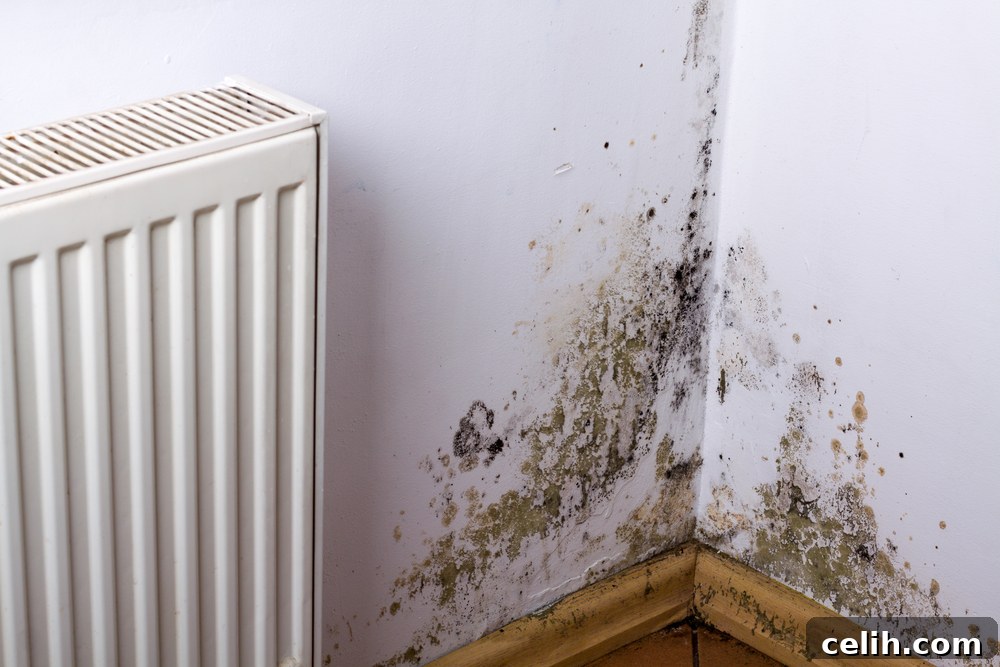
Mold infestation is a pervasive and insidious problem that countless homeowners worldwide encounter. More than just an unsightly nuisance, unchecked mold growth poses significant threats to both the health of inhabitants and the structural integrity of the property, potentially leading to expensive and extensive repairs. Its microscopic spores are constantly present in our environment, but given the right conditions—primarily moisture—they can quickly colonize surfaces, flourishing into visible and dangerous colonies.
While minor mold patches might tempt a do-it-yourself approach, extensive contamination or specific types of mold can render DIY methods ineffective and even hazardous. In such critical situations, engaging a professional mold removal company becomes not just advisable, but essential. These specialists possess the expertise, equipment, and safety protocols necessary to ensure the comprehensive remediation of mold, safeguarding your family’s health and preserving your property’s value.
This comprehensive guide delves into the compelling advantages of opting for professional mold removal, outlines the meticulous process involved, and clearly defines the circumstances under which calling in the experts is an imperative decision for every homeowner.
The Indispensable Advantages of Professional Mold Remediation
Addressing a mold problem effectively goes far beyond simply scrubbing away visible spots. Professional mold remediation offers a multi-faceted approach that ensures thorough removal, prevention of recurrence, and adherence to crucial safety standards. Here’s a detailed look at why professional intervention is often the best course of action:
Comprehensive Assessment and Precision Damage Control
One of the primary benefits of hiring mold removal specialists is their ability to perform an accurate and exhaustive assessment of the contamination. Unlike a homeowner’s visual inspection, professionals utilize advanced diagnostic equipment and techniques to uncover hidden mold and pinpoint the root cause of moisture issues. This includes:
- Thermal Imaging: Detects subtle temperature differences on surfaces, often indicating hidden moisture pockets within walls or ceilings.
- Moisture Meters: Accurately measure the moisture content in various building materials, helping to identify damp areas invisible to the naked eye.
- Boroscopes: Small, flexible cameras that can be inserted into wall cavities with minimal disruption, allowing technicians to inspect inaccessible areas for hidden mold growth.
- Air Quality Testing and Surface Sampling: These scientific methods identify the type and concentration of mold spores in the air and on surfaces, providing a clear picture of the extent of the infestation and potential health risks.
This comprehensive approach enables professionals to detect mold well before it becomes a widespread problem and implement precise damage control measures. By accurately mapping the contamination, they can strategically contain the affected areas, preventing further spread and salvaging as much of your property and belongings as possible, ultimately reducing restoration costs.
Unrivaled Expertise in Mold Remediation Techniques
Mold is a complex biological entity, and different types react to different treatment protocols. Trained and certified technicians possess in-depth knowledge of mold biology, including its diverse species (such as Stachybotrys, Cladosporium, Aspergillus, and Penicillium), their growth patterns, and the conditions that allow them to thrive. This expertise allows them to:
- Identify Specific Mold Types: Understanding the species of mold present can inform the remediation strategy, especially when dealing with potentially toxic varieties.
- Pinpoint Root Causes: Professionals don’t just treat the symptom; they identify and address the underlying moisture issues—be it a leaky pipe, roof damage, poor ventilation, or high humidity—to ensure long-term prevention.
- Employ Industry Best Practices: Adhering to standards set by organizations like the Institute of Inspection, Cleaning and Restoration Certification (IICRC S520), professional remediators use proven methodologies and are constantly updated on new technologies and safe practices.
This specialized knowledge ensures that the most effective and appropriate mold removal techniques are employed, tailored precisely to your unique situation, rather than relying on generic, often inadequate, DIY solutions.
Paramount Health and Safety Precautions
Attempting mold removal without proper training and protective gear can expose you and your family to harmful mold spores and mycotoxins, which are toxic compounds produced by certain molds. These can trigger a wide range of health issues, including respiratory problems, allergies, asthma attacks, skin irritation, headaches, fatigue, and even more severe neurological symptoms in sensitive individuals. Professional mold removal services prioritize safety above all else:
- Personal Protective Equipment (PPE): Technicians wear full-face respirators, hazmat suits, gloves, and eye protection to prevent direct exposure to spores and mycotoxins.
- Containment Protocols: They employ sophisticated containment strategies, such as physical barriers (plastic sheeting) and negative air pressure systems, to isolate the affected area. This critical step prevents mold spores from becoming airborne and spreading to unaffected parts of your home, thereby preventing cross-contamination.
- Handling Toxic Molds: Professionals are specifically trained to handle hazardous molds, such as black mold (Stachybotrys chartarum), which requires specialized treatment and stringent safety measures to ensure a safe environment for everyone. Disturbing black mold without proper precautions can release highly concentrated mycotoxins into the air, posing severe health risks.
Effective Strategies to Prevent Recurrence
A key distinguishing factor of professional mold remediation is its focus on long-term prevention. Mold removal specialists don’t just eliminate visible mold; they meticulously investigate and address the underlying moisture sources that allowed the mold to grow in the first place. This holistic approach significantly reduces the likelihood of future infestations:
- Moisture Source Identification: From subtle leaks in plumbing or roofing to inadequate ventilation in bathrooms and basements, professionals meticulously identify all potential moisture intrusion points.
- Structural Recommendations: They provide expert guidance on maintaining optimal indoor environmental conditions, including adequate ventilation, appropriate insulation, and balanced humidity levels. This might involve recommending dehumidifiers, improving exhaust fan efficiency, or sealing air leaks.
- Proactive Measures: By addressing these root causes, they implement preventative measures that disrupt the mold growth cycle, offering a sustainable solution rather than a temporary fix.
Streamlined Insurance Claim Assistance
Dealing with mold damage can be stressful enough without the added complexity of navigating insurance claims. Many professional mold removal companies offer invaluable assistance with the insurance process. They can:
- Work Directly with Insurers: Many companies are experienced in liaising with insurance adjusters, helping to streamline the claims process and alleviate the burden on homeowners.
- Provide Detailed Documentation: They can prepare comprehensive reports, including photographs, moisture readings, and scope of work, which are crucial for substantiating your claim.
- Negotiate on Your Behalf: Professionals can help ensure that the mold remediation work complies with the insurer’s standards and that you receive fair compensation for the damage, potentially minimizing your out-of-pocket expenses.
The Professional Mold Remediation Process: A Step-by-Step Guide
Professional mold removal is a systematic and thorough process designed to eliminate mold, prevent its return, and restore your property to a healthy condition. While specific details may vary, the core steps remain consistent:
1. Comprehensive Inspection and Assessment
The process commences with a meticulous inspection of your property to ascertain the extent and severity of the mold infestation. This critical initial phase typically involves:
- Visual Inspection: Trained technicians visually examine all accessible areas for signs of mold growth.
- Moisture Detection: Utilizing moisture meters and thermal imaging, they precisely locate hidden moisture sources and damp areas that could harbor mold.
- Air and Surface Sampling: If necessary, samples are collected from the air and surfaces to identify the types of mold present and quantify spore concentrations.
This comprehensive assessment allows the professionals to understand the root cause of the infestation, determine the specific type of mold, and accurately gauge the level of contamination, leading to a precise remediation plan and an informed estimate of the scope and cost.
2. Containment and Advanced Ventilation
Preventing the spread of mold spores during remediation is paramount. The containment phase is a crucial step to protect unaffected areas of your home:
- Physical Barriers: Experts establish containment zones using heavy-duty plastic sheeting and zippered enclosures to seal off the affected areas, preventing airborne spores from escaping.
- Negative Air Pressure: Specialized HEPA-filtered air scrubbers are employed to create negative air pressure within the containment zone. This system ensures that air flows inward, rather than outward, effectively trapping airborne mold spores within the work area and preventing their migration to other parts of the property.
- Enhanced Ventilation: Proper ventilation within the contained area is crucial to ensure clean air is continually circulated and contaminated air is safely vented, typically outdoors, through HEPA filtration systems.
3. Meticulous Mold Removal
Once containment is securely in place, the actual mold removal process begins. This phase involves a combination of specialized techniques tailored to the specific type of mold, the extent of infestation, and the surfaces affected:
- HEPA Vacuuming: High-Efficiency Particulate Air (HEPA) vacuums are used to thoroughly remove loose mold spores from all surfaces, ensuring no microscopic particles are left behind.
- Antimicrobial Wipe-Downs: Surfaces are meticulously cleaned with EPA-approved antimicrobial solutions designed to kill mold and inhibit future growth.
- Scraping and Abrasion: For more stubborn mold growth, especially on non-porous surfaces, professional-grade scraping or abrasive cleaning tools may be used.
- Material Replacement: Severely affected porous materials, such as drywall, insulation, carpeting, and fabrics, are often unsalvageable. These materials must be carefully removed, double-bagged, and disposed of according to strict protocols to prevent spore release. This step is crucial as mold penetrates deep into porous materials, making complete removal impossible.
The choice of method is critical and depends heavily on whether the affected material is porous or non-porous. Professionals understand these distinctions and apply the most effective removal techniques to ensure thorough eradication.
4. Thorough Cleaning and Sanitizing
After the physical removal of mold, all affected areas and contents within the containment zone undergo a rigorous cleaning and sanitizing process. This ensures the elimination of any residual mold spores, particulate matter, and lingering musty odors:
- HEPA Filtration and Air Scrubbers: Air scrubbers equipped with HEPA filters continue to operate, cleaning the air of microscopic spores and improving overall air quality within the work area.
- Surface Sanitization: All non-porous surfaces are cleaned and sanitized using specialized disinfectants to ensure the environment is hygienically safe.
- Fogging Equipment: In some cases, professional fogging equipment may be used to introduce antimicrobial solutions into the air, reaching crevices and surfaces that might be difficult to access otherwise, neutralizing remaining spores and odors.
- Deodorization: Specialized deodorization treatments are applied to eliminate the persistent musty odors often associated with mold, restoring a fresh scent to your home.
5. Restoration and Proactive Preventive Measures
The final stage focuses on returning your property to its pre-infestation condition and implementing long-term preventative strategies:
- Repair and Reconstruction: This involves repairing or replacing any materials that were damaged or removed during the remediation process, such as drywall, flooring, and insulation. Professionals ensure these repairs are conducted to high standards, restoring the aesthetic and structural integrity of your home.
- Addressing Moisture Issues: Permanent solutions are implemented to resolve the identified moisture problems. This could involve repairing leaky pipes, improving drainage around the foundation, installing vapor barriers in crawl spaces, or upgrading ventilation systems in high-humidity areas.
- Expert Recommendations: Professionals provide comprehensive guidance and recommendations to homeowners on how to maintain a dry and healthy living environment, preventing future mold growth. This includes advice on monitoring humidity levels, ensuring proper air circulation, and promptly addressing any new water leaks.
When to Urgently Call a Professional Mold Removal Service?
While small, isolated patches of mold might be manageable with careful DIY methods, there are specific scenarios where professional intervention is not just recommended, but absolutely essential to ensure safety and effective remediation:
Extensive or Inaccessible Mold Growth
If the mold infestation covers a significant area—typically anything greater than 10 square feet (about a 3×3 foot patch)—or if it is located in difficult-to-reach areas, professional assistance is indispensable. These challenging locations include:
- Behind walls, under flooring, or within ceiling cavities.
- Inside HVAC ducts and air conditioning units.
- In crawl spaces, attics, or basements, which often have limited access and poor ventilation.
Mold that has penetrated porous materials or is deeply embedded within structural elements requires specialized tools and expertise for safe and complete removal, often involving controlled demolition and reconstruction.
Existing Health Risks or Vulnerable Occupants
If anyone in your home is sensitive to mold or has pre-existing health conditions, hiring experts is paramount to prevent exposure to harmful spores. Individuals at higher risk include:
- Those with allergies, asthma, or other respiratory conditions, for whom mold can trigger severe attacks.
- Infants, young children, and the elderly, whose immune systems may be more vulnerable.
- Individuals with compromised immune systems or chronic illnesses.
Symptoms of mold exposure can range from persistent coughing, sneezing, and eye irritation to more severe issues like wheezing, shortness of breath, chronic fatigue, and skin rashes. Professionals can safely contain and remove the mold, minimizing health risks for all occupants.
Suspicion of Toxic Mold (e.g., Black Mold)
Certain types of mold, particularly black mold (Stachybotrys chartarum), produce mycotoxins that can be highly hazardous to human health. If you suspect the presence of toxic mold—often characterized by a dark green or black, slimy appearance—it is imperative NOT to attempt removal yourself. Disturbing such mold can release a high concentration of mycotoxins into the air, posing severe health risks. Toxic mold requires highly specialized treatment, advanced personal protective equipment, and strict containment protocols that only professionals can safely execute.
Significant Water Damage Event
Any property that has experienced significant water damage—such as from a flood, burst pipe, sewage backup, or prolonged leak—is at a high risk of mold growth, even if mold is not immediately visible. Mold can begin to grow within 24-48 hours of water intrusion. In these situations, proactive professional assessment and water damage restoration are crucial to:
- Thoroughly dry out all affected areas and materials.
- Identify and address hidden moisture pockets.
- Implement preventative measures to inhibit mold development before it becomes a major infestation.
Timely intervention by professionals can prevent a water damage incident from escalating into a costly and dangerous mold problem.
Conclusion: Ensuring a Safe and Healthy Home
In conclusion, confronting a mold infestation can be a daunting challenge for any homeowner. While minor surface mold might be addressed with DIY methods, the vast majority of significant mold issues demand the specialized knowledge, advanced equipment, and stringent safety protocols that only professional mold removal services can provide. These experts offer comprehensive, effective, and safe solutions to restore your home’s integrity and, more importantly, protect the health and well-being of its inhabitants.
By investing in professional mold remediation, you’re not just eliminating a current problem; you’re securing a long-term solution that includes meticulous assessment, thorough removal, and critical preventative measures against future growth. This proactive approach safeguards your property’s value, mitigates potential health risks, and provides invaluable peace of mind. If you find yourself facing significant mold issues, do not hesitate to reach out to a reputable and certified mold removal company. Their expertise will ensure your home is safely restored to a healthy, mold-free environment for you and your family.