
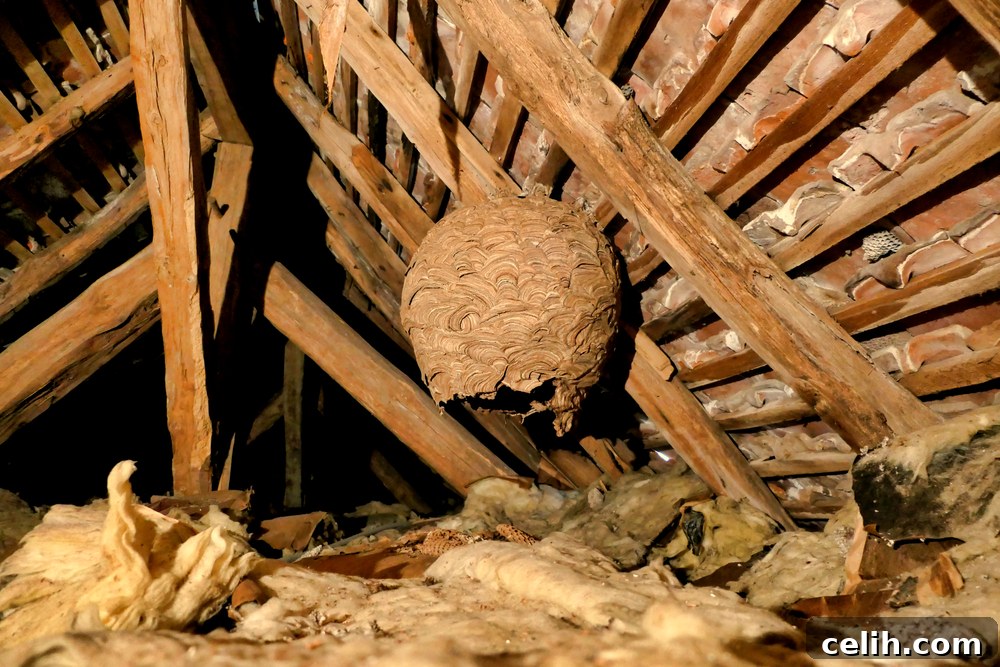
Dealing with unwanted wildlife on your property can be a significant source of stress and concern. Whether it’s the unsettling sound of scratching in the attic, the sight of rodents scurrying across your yard, or birds nesting where they shouldn’t, these unwelcome guests can pose serious threats to your home and family. Beyond the immediate nuisance, critters like raccoons, bats, squirrels, rodents, and various insects can carry diseases, cause extensive structural damage, contaminate food sources, and even create fire hazards by gnawing on electrical wires. The potential impact on your property value and the health of your loved ones makes prompt and effective wildlife removal a top priority.
While the urge to tackle the problem yourself might be strong, wildlife removal is often a complex and potentially dangerous task best left to seasoned professionals. DIY attempts can be ineffective, inhumane, illegal (especially with protected species), and even put you at risk of injury or exposure to pathogens. To ensure the safety of your family, the humane treatment of animals, and the long-term protection of your property, securing the services of a reputable wildlife removal company is essential. But with numerous providers available, how do you choose the best one? This comprehensive guide will walk you through the critical factors to consider, empowering you to make an informed decision and restore peace to your home.
1. Assess Their Level of Experience and Expertise
Experience is paramount when it comes to effective and humane wildlife removal. An experienced wildlife control company possesses the in-depth knowledge and practical skills necessary to accurately identify the specific species causing problems, understand their behavioral patterns, and implement the most appropriate removal and exclusion strategies. This isn’t just about catching an animal; it’s about understanding the entire ecosystem surrounding your property.
A highly experienced service provider will have a proven track record of handling a wide array of wildlife situations, from common pests like squirrels and raccoons to more challenging scenarios involving bats, snakes, or larger animals. They can easily identify subtle signs of critter presence, such as gnaw marks, droppings, nests, or entry points that a less experienced eye might miss. Their expertise extends to knowing the most effective trapping methods, exclusion techniques, and deterrents for different species, always prioritizing humane practices.
Furthermore, experienced professionals are well-versed in local wildlife regulations and laws, ensuring that all removal activities comply with legal standards, especially concerning protected species. They understand that removal is only half the battle; comprehensive exclusion is key to preventing future infestations. This involves meticulously sealing all potential entry points, reinforcing vulnerable areas, and advising on preventative measures. Many reputable companies offer follow-up inspections to confirm that the problem has been fully resolved and that there are no new signs of re-entry, providing you with long-term peace of mind. When evaluating a company, inquire about their years in business, the types of animals they specialize in, and specific case studies or examples of their successful interventions.
2. Evaluate Their Pricing Structure and Value
While cost is a significant factor, it shouldn’t be the sole determinant when choosing a wildlife removal service. The cheapest option might not always provide the most thorough or lasting solution, potentially leading to recurring problems and greater expenses down the line. It’s crucial to seek out providers that offer transparent pricing and a fair assessment of the work involved, ensuring you receive excellent value for your investment.
Pricing for wildlife removal services can vary widely depending on several factors: the type of animal, the severity of the infestation, the accessibility of the affected area (e.g., attic, crawl space), the extent of damage requiring repair, and the complexity of exclusion methods needed. Some companies might charge a flat fee for specific services, while others may offer hourly rates or package deals that include inspection, removal, exclusion, and repair work. Always ask for a detailed, written estimate that clearly outlines all costs, including any potential hidden fees for materials, follow-up visits, or warranties.
Don’t hesitate to visit the company’s website or utilize their customer support channels to inquire about their pricing structure. It’s often advisable to obtain quotes from at least three different wildlife removal services to compare their offerings. While doing so, be wary of unusually low bids, which could indicate a lack of proper licensing, insurance, or the use of less effective, inhumane, or non-compliant methods. Conversely, a reputable company might offer discounts for seniors, military personnel, or first-time customers, and some may even be open to negotiation, especially for larger projects. Focus on understanding what each quote includes and how it contributes to a long-term solution, rather than just the bottom line.
3. Examine Their Customer Support Systems
The quality of a company’s customer support system is a strong indicator of its overall reliability and commitment to client satisfaction. When dealing with a wildlife intrusion, time is often of the essence, as pests can cause damage quickly. Therefore, you need a service provider that is responsive, accessible, and communicative throughout the entire process, from your initial inquiry to post-service follow-up.
An ideal wildlife removal service will offer a wide variety of communication channels to ensure you can reach them quickly and efficiently. Look for companies that provide direct telephone numbers, responsive email addresses, a live chat option on their website, and an active presence on social media platforms. The ability to speak with a knowledgeable representative promptly can significantly reduce stress and allow for timely problem resolution. Moreover, a company that offers 24/7 emergency services demonstrates a true understanding of the urgent nature of some wildlife situations, such as an animal trapped inside your living space.
Beyond mere availability, assess the quality of their interactions. Are their representatives courteous, informative, and empathetic? Do they clearly explain the process, answer your questions thoroughly, and keep you updated on progress? Excellent customer support fosters trust and ensures a smoother, less stressful experience during what can be a challenging time. A company that prioritizes clear, consistent communication is more likely to provide high-quality service and stand by their work.
4. Check Customer Reviews and Testimonials
In today’s digital age, customer reviews are an invaluable resource for gaining insight into a company’s reputation and service quality. Before committing to a wildlife removal service, take the time to thoroughly research what previous clients have to say about their experiences. These firsthand accounts can offer a realistic preview of what you can expect, helping you gauge a company’s professionalism, effectiveness, and customer care.
Look for reviews on independent platforms such as Google My Business, Yelp, the Better Business Bureau (BBB), and social media sites, in addition to testimonials featured on the company’s own website. Pay close attention to the overall star rating, but delve deeper into the specific comments. Are there recurring themes about promptness, the thoroughness of their work, the humane treatment of animals, or the politeness of their technicians? Many positive reviews and five-star ratings from a significant number of customers are strong indicators of a trustworthy and effective service provider. If other customers consistently praise their pest removal service, there’s a good chance you’ll have a positive experience too.
Conversely, be cautious of companies with a pattern of negative reviews, especially those detailing poor service, unresolved issues, or unethical practices. While a few isolated negative reviews can be normal, a consistent stream of complaints should be a red flag. Also, observe how the company responds to negative feedback. A professional company will often address concerns publicly and attempt to resolve them, which speaks volumes about their commitment to customer satisfaction. Beyond online reviews, don’t hesitate to ask the company for references from past clients whom you can contact directly to learn about their experiences.
5. Verify Licensing, Insurance, and Certifications
This is a non-negotiable step in selecting any professional service, especially one that involves handling potentially dangerous animals and working on your property. Verifying a company’s licensing, insurance, and relevant certifications provides essential protection for you, their technicians, and your home.
First, ensure the wildlife removal company is properly licensed to operate in your city, county, and state. Licensing ensures that the company meets specific industry standards, adheres to regulations, and employs qualified personnel. Different regions may have distinct requirements for wildlife control, and an unlicensed company may not be operating legally or safely. Always ask for proof of their current license.
Secondly, comprehensive insurance is absolutely critical. This includes general liability insurance, which protects you from liability if a technician causes damage to your property during the removal process. It also includes worker’s compensation insurance, which covers their employees in case of injury on your premises. Without adequate insurance, you could be held financially responsible for accidents or damages that occur. A reputable company will readily provide proof of their insurance policies.
Finally, look for relevant certifications. Many professional wildlife removal technicians hold certifications from organizations like the National Wildlife Control Operators Association (NWCOA) or state pest control associations. These certifications demonstrate that technicians have undergone specialized training in humane trapping, animal biology, safety protocols, and integrated pest management techniques. Such credentials indicate a commitment to ethical practices and professional development within the industry.
6. Inquire About Humane and Ethical Practices
For many homeowners, the humane treatment of wildlife is a significant concern. A reputable wildlife removal service should prioritize ethical and responsible methods that minimize stress and harm to animals while effectively addressing the infestation. This approach aligns with both moral considerations and often with local wildlife protection laws.
Ask prospective companies about their specific protocols for humane wildlife removal. Do they use live traps that allow for safe relocation? What are their relocation policies, ensuring animals are moved to appropriate habitats where they can survive? For species that cannot be relocated due to legal restrictions or health concerns (e.g., diseased animals), what methods do they employ? They should be transparent about their practices and demonstrate a clear understanding of animal welfare.
Furthermore, ethical wildlife removal goes beyond just the capture and release. It includes a comprehensive strategy for exclusion and prevention to deter animals from returning without resorting to lethal means where avoidable. This involves using deterrents, sealing entry points effectively, and advising on habitat modification to make your property less appealing to wildlife. A company that is affiliated with animal welfare organizations or demonstrates a strong commitment to humane standards in their marketing and operations is likely a better choice for those prioritizing ethical treatment.
7. Understand Guarantees and Warranties
Even after professional wildlife removal, there’s always a slight possibility that critters could find their way back or that the initial problem wasn’t entirely resolved. This is where a company’s guarantee or warranty becomes incredibly important, providing you with an extra layer of protection and peace of mind.
A strong warranty indicates that the company stands behind its work and is confident in the effectiveness of its removal and exclusion strategies. Inquire about the specifics of their guarantee: What is the duration of the warranty period? Does it cover the re-entry of the same animal species, or any wildlife? What actions will the company take if the problem recurs within the warranty timeframe (e.g., free re-inspection, additional removal, further exclusion work)?
Some companies offer a “re-entry warranty” for a specified period after the initial service, promising to return and address any re-infestations at no additional cost. Others might provide a general satisfaction guarantee. Ensure you get the details of any warranty in writing and understand any limitations or conditions. A clear, comprehensive guarantee protects your investment and ensures that the company is committed to providing a lasting solution, not just a temporary fix.
8. Consider an Integrated Pest Management (IPM) Approach
Modern and effective wildlife control has evolved beyond simple trapping and removal. The most reputable service providers adopt an Integrated Pest Management (IPM) approach, which is a holistic, long-term strategy focused on sustainable pest control and prevention, rather than just reactive measures.
An IPM strategy for wildlife removal involves several key steps:
- Inspection and Identification: A thorough assessment of your property to identify the specific type of wildlife, the extent of the infestation, and all potential entry points.
- Exclusion: Sealing off all identified entry points using durable, wildlife-resistant materials to prevent future access. This is often the most critical step for long-term prevention.
- Habitat Modification: Recommending changes to your property to make it less attractive to wildlife, such as trimming tree branches, securing garbage cans, removing food sources, and addressing overgrown vegetation.
- Sanitation: Cleaning up animal droppings, nesting materials, and contaminated insulation to remove odors and attractants that could draw new animals.
- Monitoring: Post-removal monitoring to ensure no new activity and that exclusion methods are effective.
By choosing a company that employs an IPM approach, you’re investing in a comprehensive solution that not only removes existing wildlife but also minimizes the chances of future intrusions. This forward-thinking strategy is more environmentally responsible and ultimately more cost-effective in the long run than repeatedly addressing recurring problems.
In conclusion, dealing with wildlife on your property demands a thoughtful and informed approach to selecting a professional removal service. By prioritizing experience, transparent pricing, robust customer support, positive reviews, proper licensing and insurance, humane practices, reliable guarantees, and an integrated pest management philosophy, you can ensure that your wildlife problem is resolved safely, effectively, and permanently. Take the time to research thoroughly and ask the right questions, and you’ll be well on your way to a critter-free home and lasting peace of mind.